
Understanding Jacksonville’s City Water Quality
Your Southside tap water tastes like a swimming pool because JEA uses chlorine to disinfect the St. Johns River water that serves your neighborhood. The Southside area sits at the end of JEA’s distribution network where chlorine residuals are highest. Water travels through miles of pipes before reaching your home in neighborhoods like Baymeadows or Deerwood. By the time it arrives, the chlorine level can be much higher than the source water to maintain safety throughout the system. JEA Water Quality Reports.
The St. Johns River provides most of Jacksonville’s drinking water. JEA treats this surface water with chlorine to kill bacteria and other pathogens. The Environmental Protection Agency requires a minimum chlorine residual of 0.2 parts per million at the farthest point in the distribution system. Southside homes often measure 1.0 to 2.0 ppm or higher because they sit at the system’s outer edge. How to Get Your Tankless Water Heater Installed at Jacksonville Beach.
JEA publishes annual water quality reports showing chlorine levels across Jacksonville. Southside zip codes like 32216 and 32246 consistently show higher residuals than downtown areas. The chlorine smell becomes noticeable around 0.6 ppm and the taste becomes strong above 1.0 ppm. Your morning coffee tastes bitter. Your ice cubes have that chemical edge. Your skin feels dry after showers. Get Rid of Hard Water for Good with a Water Softener Installation in Ponte Vedra.
Close-up of JEA water quality report showing chlorine levels in Southside neighborhoods with map overlay of distribution system
Why Remove Chlorine? (Health and Home Impacts)
Chlorine does its job killing germs but creates problems in your home. The chemical dries out your skin and hair. Many Southside residents notice increased eczema or scalp irritation during Jacksonville’s humid summers. The chlorine strips natural oils from your skin leaving you feeling itchy after every shower.. Read more about Why Jacksonville Aquarium Enthusiasts Need a Dedicated RO System.
Your plumbing suffers too. Chlorine breaks down rubber seals in faucets, toilets, and water heaters. Southside homes with older fixtures see more frequent leaks. The rubber washers inside your angle stops become brittle and crack. Your toilet flapper needs replacement more often. The cost adds up over time. Running Toilet Repair.
Chlorine also creates disinfection byproducts when it reacts with organic matter in water. These compounds called trihalomethanes can form in your hot water heater. The Florida Department of Health monitors THM levels but removing the chlorine source prevents their formation entirely. Your drinking water tastes better. Your cooking water doesn’t leave that chemical aftertaste in pasta or vegetables. EPA information on chlorine in drinking water.
Top Methods for Chlorine Removal in Jax Homes
Different filtration technologies work better for different situations. Southside homes need systems that handle Jacksonville’s specific water chemistry. The St. Johns River water contains organic material that affects how chlorine behaves. You need the right media for your specific problem.. Read more about The Best Water Filtration Options for Jacksonville Coffee Lovers and Home Chefs.
Activated Carbon Filtration
Standard activated carbon works well for free chlorine. The carbon media has millions of tiny pores that trap chlorine molecules as water passes through. A whole-house carbon filter installed at your main water line removes chlorine from every tap. The carbon needs replacement every 6 to 12 months depending on your water usage and chlorine levels.. Read more about Specialized Plumbing Needs for New Medical Suites in the Southside Area.
Catalytic carbon handles chloramines better than standard carbon. Many Jacksonville areas including parts of Southside now use chloramines instead of chlorine. Chloramines are chlorine combined with ammonia. They last longer in the distribution system but require different filtration. Catalytic carbon breaks the ammonia-chlorine bond and removes both chemicals.
Reverse Osmosis Systems
Reverse osmosis removes chlorine along with other contaminants. An RO system gives you bottled-water quality from your kitchen tap. The membrane blocks particles larger than 0.0001 microns. Chlorine, lead, fluoride, and dissolved solids all get filtered out. The system includes pre-filters that catch sediment and chlorine before water reaches the membrane.
RO systems work best for drinking and cooking water. They produce about 3 gallons of wastewater for every gallon of purified water. The storage tank holds 2 to 3 gallons ready for use. Southside families who want the purest water for consumption choose RO for their kitchen sink.
KDF Media Filters
KDF media uses copper and zinc to create an electrochemical reaction. The process called redox converts chlorine into harmless chloride. KDF works well in high-temperature applications like shower filters. The media also inhibits bacteria growth and removes heavy metals. KDF lasts longer than carbon in some applications but costs more upfront.
Whole-Home vs. Point-of-Use Filtration
Southside homeowners face a choice between filtering all water or just drinking water. Whole-house systems treat water where it enters your home. Every faucet, shower, and appliance gets chlorine-free water. The upfront cost runs $1,500 to $3,000 installed. Annual maintenance includes filter changes and media replacement.
Point-of-use systems filter water at specific locations. An under-sink RO unit costs $400 to $600 plus installation. A shower filter costs $50 to $150. You save money by only treating water you actually use for consumption. But you still get chlorinated water for washing clothes and cleaning. The Best Drain Cleaning Companies for Clogged Pipes in San Marco.
The decision depends on your priorities. Whole-house filtration protects your plumbing and improves every water use. Point-of-use saves money but leaves chlorine in your shower and appliances. Many Southside homes combine both approaches. A whole-house carbon filter removes chlorine everywhere. An RO system provides ultra-pure drinking water. Plumbing Macclenny.
Local Installation Requirements
Florida plumbing code requires permits for whole-house water treatment systems. Duval County Building Inspection issues permits for POE (point-of-entry) systems. The permit costs $100 to $200 depending on system size. A licensed plumber must install the system to meet code requirements.
JEA requires notification before installing any system that could affect water pressure or flow. The utility needs to know about pressure-reducing valves, backflow preventers, or treatment systems. Southside homes near JEA pump stations need special consideration. The high pressure in some areas requires pressure regulation.
DIY installation voids most manufacturer warranties. Professional installation ensures proper sizing and code compliance. A plumber tests your water pressure and flow rate before recommending system size. The wrong size system either wastes money or fails to treat all your water. Professional installation includes code inspection and warranty validation.
Cost of Ownership Analysis for Southside Residents
Whole-house carbon filters need new carbon every 6 to 12 months. A 5-cubic-foot tank costs $200 to $300 to rebed. The system uses no electricity but requires annual maintenance. Over five years, expect $1,000 to $1,500 in operating costs plus the initial $2,000 installation.
RO systems need pre-filter changes every 6 months at $50 per set. The membrane lasts 2 to 3 years and costs $150 to replace. The storage tank may need replacement after 5 years. Five-year operating costs run $500 to $700. The initial system costs $500 to $800.
Shower filters need replacement every 6 to 12 months at $30 to $50 each. If you have multiple showers, costs multiply. The filters are easy to change yourself but don’t protect your plumbing. Annual costs run $60 to $150 per shower.
Installation Timeline and Process
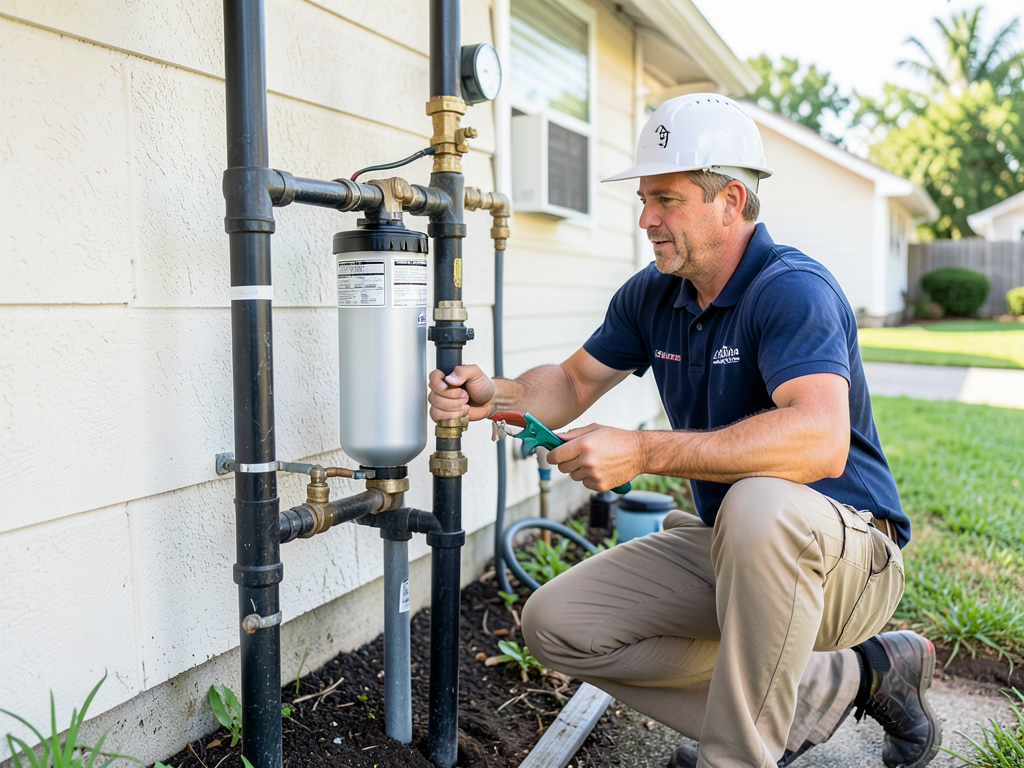
Professional installation takes 2 to 4 hours for most whole-house systems. The plumber locates your main water line and shuts off service. They cut the pipe and install the filtration system with bypass valves. The system includes a bypass so you can service it without shutting off house water.
RO installation takes 1 to 2 hours under a kitchen sink. The plumber mounts the filter assembly, installs the faucet, and connects the drain line. The storage tank fits in the cabinet with the filters. The system needs a nearby electrical outlet for the permeate pump.
Permit processing adds 1 to 3 days to the timeline. Most Southside plumbers handle permits as part of the installation. They schedule the final inspection with Duval County. The system can be used immediately but final payment often depends on passing inspection.
Maintenance Requirements and Troubleshooting
Carbon filters lose effectiveness gradually. You notice reduced chlorine removal over weeks. The water starts tasting more like chlorine. Flow rate may slow slightly. Most systems include a pressure gauge to monitor filter condition. Replace carbon when pressure drops 10% or taste returns.
RO systems show different symptoms. Reduced water production indicates clogged pre-filters or membrane. A dripping air gap means the system needs cleaning. Bad taste means the membrane or post-filter needs replacement. Most systems include annual maintenance reminders.
Shower filters show immediate signs when they fail. Chlorine smell returns within days of reaching capacity. The filter housing usually has a date indicator. Replace on schedule rather than waiting for symptoms.
Environmental Impact and Water Conservation
RO systems waste water but technology improves efficiency. Modern systems waste 3 gallons to produce 1 gallon of purified water. Older systems wasted 4 to 5 gallons. The wastewater goes down your drain and returns to the treatment system. It’s not truly wasted but does increase your water bill.
Carbon filters use no water to operate. They create no wastewater. The only environmental impact is disposing of spent carbon. Some companies recycle spent carbon but most dispose in landfills. The carbon is inert and environmentally safe.
Your choice affects your environmental footprint. RO provides the purest water but uses more resources. Carbon filtration balances purity with conservation. The best choice depends on your priorities and water quality needs.
Choosing the Right System for Your Southside Home
Start with a water test. JEA water quality reports give general information but your specific home may have different conditions. Test for chlorine, chloramines, hardness, and any specific concerns. Southside water from different parts of the distribution system can vary.
Consider your home’s plumbing age. Older Southside homes with galvanized pipes may have rust issues that affect filtration. The rust can clog carbon filters faster. A whole-house sediment filter before the carbon filter extends carbon life.
Think about your household size. A family of four uses more water than a single person. Your filter must handle your peak flow rate. A small filter works fine for drinking water but can’t supply a family’s shower and laundry needs.
Frequently Asked Questions
Is chlorine in drinking water harmful to my health?
Chlorine levels in Jacksonville water meet all EPA safety standards. The chemical effectively kills harmful bacteria. However, many people prefer to remove it for taste, skin sensitivity, and to prevent plumbing damage. The decision is personal preference rather than health necessity.
How long does it take to install a whole-house water filter?
Professional installation typically takes 2 to 4 hours. The plumber shuts off your water, cuts the main line, and installs the filtration system with bypass valves. They also handle permits and final inspection. Your water is off for about 2 hours during installation.
Can I install a water filter myself to save money?
DIY installation is possible but not recommended. Florida plumbing code requires permits and licensed installation for whole-house systems. DIY installation voids warranties and may create code violations. Professional installation ensures proper sizing, code compliance, and warranty protection.
How often do water filters need maintenance?
Carbon filters need replacement every 6 to 12 months depending on water usage and chlorine levels. RO pre-filters need changing every 6 months. The membrane lasts 2 to 3 years. Shower filters need replacement every 6 to 12 months. Your specific schedule depends on your water quality and usage.
What’s the difference between chlorine and chloramines?
Chlorine is a gas added directly to water. Chloramines are chlorine combined with ammonia. Chloramines last longer in the distribution system but are harder to remove. Many Jacksonville areas including parts of Southside now use chloramines. You need catalytic carbon rather than standard carbon to remove chloramines effectively.
Ready to Enjoy Better Tasting Water?
Stop dealing with that swimming pool taste in your Southside home. The chlorine that keeps your water safe also makes it unpleasant to drink and damages your plumbing over time. Whether you want better tasting coffee, softer skin, or longer-lasting fixtures, the right filtration system solves your problem.
Call (904) 839-7199 today to schedule your water quality test and consultation. Our Jacksonville plumbers know exactly what works for local water conditions. We’ll test your water, explain your options, and install the right system for your home and budget. Stop tolerating bad tasting water and start enjoying every drop from your tap.
Take Action Now
Pick up the phone and call (904) 839-7199 before the next glass of water reminds you why you need a filter. We serve all Southside neighborhoods including Baymeadows, Deerwood, and Bayard. Our team provides upfront pricing, professional installation, and ongoing maintenance to keep your water tasting great year after year. Don’t wait until your plumbing suffers more damage or your skin stays irritated. Call now and taste the difference filtered water makes.
{
“@context”: “https://schema.org”,
“@type”: “BlogPosting”,
“headline”: “Why Your Southside Tap Water Tastes Like Chlorine (And How to Filter It Out)”,
“description”: “Tired of the chlorine taste in your Southside tap water? Learn why JEA uses chlorine and discover the best filtration systems to remove it from your Jacksonville home.”,
“wordCount”: 2128,
“datePublished”: “2026-04-28T09:14:00.000Z”,
“dateModified”: “2026-04-28T09:14:00.000Z”,
“inLanguage”: “en-US”,
“mainEntityOfPage”: {
“@type”: “WebPage”,
“@id”: “https://titanplumbingjacksonville.com”
},
“publisher”: {
“@type”: “LocalBusiness”,
“name”: “Titan Plumbing Jacksonville”,
“url”: “https://titanplumbingjacksonville.com”
},
“author”: {
“@type”: “Organization”,
“name”: “Titan Plumbing Jacksonville”,
“url”: “https://titanplumbingjacksonville.com”
},
“image”: {
“@type”: “ImageObject”,
“url”: “https://titanplumbingjacksonville.com/wp-content/uploads/2026/03/why-your-southside-tap-water-tastes-like-chlorine-1.png”
}
}
{
“@context”: “https://schema.org”,
“@type”: “Plumber”,
“name”: “Titan Plumbing Jacksonville”,
“url”: “https://titanplumbingjacksonville.com”,
“address”: {
“@type”: “PostalAddress”,
“addressLocality”: “Jacksonville”
},
“areaServed”: {
“@type”: “City”,
“name”: “Jacksonville”
}
}
{
“@context”: “https://schema.org”,
“@type”: “FAQPage”,
“mainEntity”: [
{
“@type”: “Question”,
“name”: “Is chlorine in drinking water harmful to my health?”,
“acceptedAnswer”: {
“@type”: “Answer”,
“text”: “Chlorine levels in Jacksonville water meet all EPA safety standards. The chemical effectively kills harmful bacteria. However, many people prefer to remove it for taste, skin sensitivity, and to prevent plumbing damage. The decision is personal preference rather than health necessity.”
}
},
{
“@type”: “Question”,
“name”: “How long does it take to install a whole-house water filter?”,
“acceptedAnswer”: {
“@type”: “Answer”,
“text”: “Professional installation typically takes 2 to 4 hours. The plumber shuts off your water, cuts the main line, and installs the filtration system with bypass valves. They also handle permits and final inspection. Your water is off for about 2 hours during installation.”
}
},
{
“@type”: “Question”,
“name”: “Can I install a water filter myself to save money?”,
“acceptedAnswer”: {
“@type”: “Answer”,
“text”: “DIY installation is possible but not recommended. Florida plumbing code requires permits and licensed installation for whole-house systems. DIY installation voids warranties and may create code violations. Professional installation ensures proper sizing, code compliance, and warranty protection.”
}
},
{
“@type”: “Question”,
“name”: “How often do water filters need maintenance?”,
“acceptedAnswer”: {
“@type”: “Answer”,
“text”: “Carbon filters need replacement every 6 to 12 months depending on water usage and chlorine levels. RO pre-filters need changing every 6 months. The membrane lasts 2 to 3 years. Shower filters need replacement every 6 to 12 months. Your specific schedule depends on your water quality and usage.”
}
},
{
“@type”: “Question”,
“name”: “What’s the difference between chlorine and chloramines?”,
“acceptedAnswer”: {
“@type”: “Answer”,
“text”: “Chlorine is a gas added directly to water. Chloramines are chlorine combined with ammonia. Chloramines last longer in the distribution system but are harder to remove. Many Jacksonville areas including parts of Southside now use chloramines. You need catalytic carbon rather than standard carbon to remove chloramines effectively.”
}
},
{
“@type”: “Question”,
“name”: “Ready to Enjoy Better Tasting Water?”,
“acceptedAnswer”: {
“@type”: “Answer”,
“text”: “Stop dealing with that swimming pool taste in your Southside home. The chlorine that keeps your water safe also makes it unpleasant to drink and damages your plumbing over time. Whether you want better tasting coffee, softer skin, or longer-lasting fixtures, the right filtration system solves your problem.”
}
}
]
}
{
“@context”: “https://schema.org”,
“@type”: “BreadcrumbList”,
“itemListElement”: [
{
“@type”: “ListItem”,
“position”: 1,
“name”: “Home”,
“item”: “https://titanplumbingjacksonville.com”
},
{
“@type”: “ListItem”,
“position”: 2,
“name”: “Blog”,
“item”: “https://titanplumbingjacksonville.com/blog”
},
{
“@type”: “ListItem”,
“position”: 3,
“name”: “Why Your Southside Tap Water Tastes Like Chlorine (And How to Filter It Out)”
}
]
}
{
“@context”: “https://schema.org”,
“@type”: “Service”,
“serviceType”: “Plumbing”,
“provider”: {
“@type”: “LocalBusiness”,
“name”: “Titan Plumbing Jacksonville”,
“url”: “https://titanplumbingjacksonville.com”
},
“areaServed”: {
“@type”: “City”,
“name”: “Jacksonville”
},
“description”: “Tired of the chlorine taste in your Southside tap water? Learn why JEA uses chlorine and discover the best filtration systems to remove it from your Jacksonville home.”
}