



Menu

Understanding Backflow Testing in Jacksonville – Your Complete Resource Guide to Compliance and Protection

Learn how backflow prevention assembly testing works, why Jacksonville water systems require annual certification, and what to expect during your next inspection to keep your property compliant and safe.

Slider Image 1
Slider Image 2
Slider Image 3
Slider Image 4
Slider Image 5
Slider Image 7
Slider Image 8
Slider Image 9
Slider Image 10
Slider Image 11

Why Backflow Testing Matters for Jacksonville Properties

You received a notice about backflow testing, and now you're wondering what it is and why it's required. You're not alone. Hundreds of Jacksonville property owners face the same confusion every year when JEA mandates annual backflow certification.

Backflow happens when contaminated water reverses direction in your plumbing system and flows backward into the clean water supply. This can occur during pressure changes caused by water main breaks, heavy firefighting demand, or system maintenance. Jacksonville's interconnected water distribution network serves thousands of homes and businesses across Duval County. One contaminated connection can affect dozens of neighbors.

That's why Florida Administrative Code 62-555 requires annual backflow preventer inspection for commercial properties and high-risk residential installations. The backflow prevention assembly testing procedures verify that your device creates a physical barrier between potentially contaminated water and the municipal supply. Without proper testing, cross-connections can introduce chemicals, bacteria, or sewage into drinking water.

Jacksonville's climate adds another layer of complexity. High humidity and temperature swings cause rubber seals and internal components to degrade faster than in drier regions. A backflow device that passed inspection last year might fail this year due to worn check valves or corroded springs. The water backflow testing requirements exist because visual inspection alone cannot detect internal component failure.

Property owners who skip testing face fines, service disconnection, and liability if contamination occurs. The testing process takes 30 to 45 minutes and provides documentation that protects you legally and keeps your water safe. Understanding what happens during backflow device testing procedures removes the mystery and helps you maintain compliance without stress.

Why Backflow Testing Matters for Jacksonville Properties
How Professional Backflow Testing Actually Works

How Professional Backflow Testing Actually Works

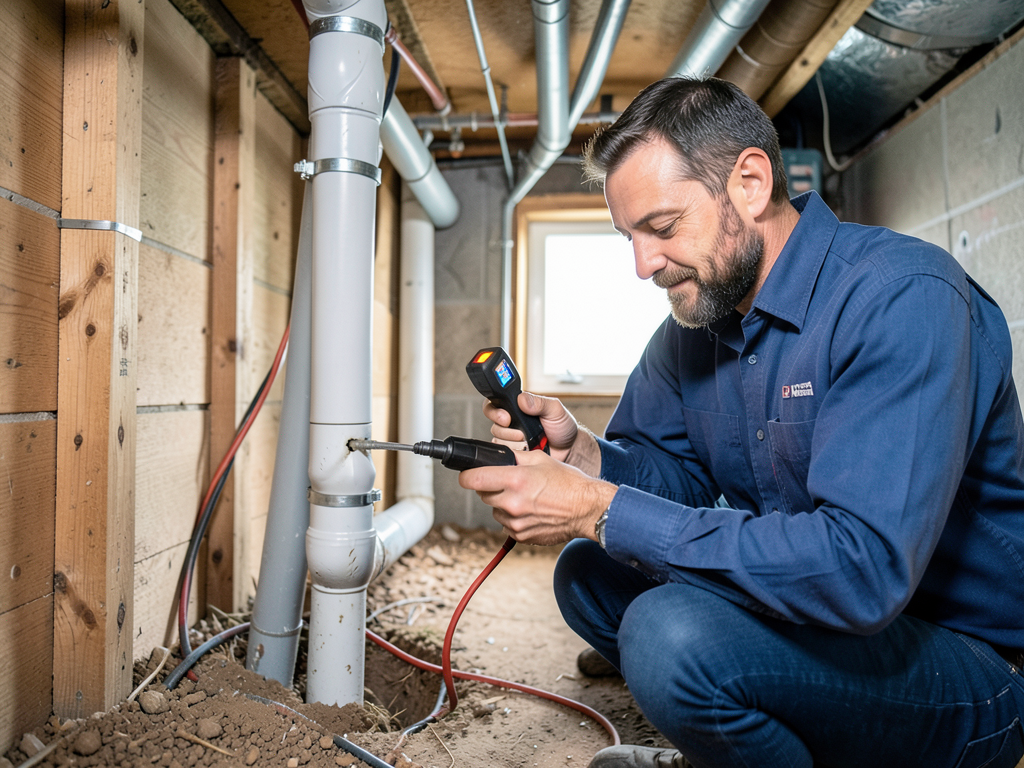
Backflow prevention assembly testing is not a simple pass-fail visual check. It requires specialized equipment and certification to measure pressure differentials across multiple check valves within the assembly. A certified tester uses a differential pressure gauge kit to verify that each internal component maintains the minimum pressure required by the manufacturer and local codes.

The testing process begins with identifying your backflow preventer type. Reduced pressure zone devices, double check valve assemblies, and pressure vacuum breakers each require different testing protocols. The tester isolates the device using shutoff valves, then connects test gauge hoses to specific test cocks on the assembly. These test cocks access internal chambers that house the check valves and relief valve.

During the test, the technician measures pressure drop across the first check valve, verifies that the relief valve opens at the correct differential, and confirms the second check valve holds under backpressure. For reduced pressure zone assemblies, the relief valve must open when the pressure in the intermediate zone exceeds the downstream pressure by more than 2 psi. This prevents any contaminated water from reaching the clean supply even if both check valves fail.

Failed tests typically result from debris lodged in valve seats, worn springs that cannot maintain closure force, or corroded internal components. The tester documents each measurement on a state-approved form that gets submitted to JEA or your water provider. If the device fails, repairs or replacement must occur before retesting. You cannot restore water service until the assembly passes and documentation reaches the utility.

Titan Plumbing Jacksonville uses calibrated test equipment that meets American Water Works Association standards. We complete the entire process, including documentation submission, so you never risk service interruption or compliance gaps.

What Happens During Your Backflow Test Appointment

Understanding Backflow Testing in Jacksonville – Your Complete Resource Guide to Compliance and Protection
01

Device Location and Identification

The technician locates your backflow preventer, which is usually installed on the main water line where it enters your building or near irrigation system connections. They verify the manufacturer, model number, and serial number to ensure proper testing protocols. They also check that test cocks are accessible and shutoff valves function correctly before beginning the pressure tests.
02

Pressure Differential Testing

Using a calibrated differential pressure gauge kit, the tester connects hoses to test cocks and measures pressure across each check valve and the relief valve. They record readings for the first check valve closure, relief valve opening point, and second check valve closure. Each measurement must meet minimum thresholds established by the assembly manufacturer and AWWA standards to pass inspection.
03

Documentation and Compliance Filing

After completing measurements, the tester fills out the official backflow test report form with all pressure readings, device information, and pass or fail status. They provide you with a copy for your records and submit the original to JEA or your water provider to update your compliance status. You receive confirmation that your annual backflow certification requirement is satisfied for another year.

Why Jacksonville Property Owners Trust Local Backflow Expertise

Backflow testing is not a service you want to trust to just anyone with a wrench. Florida requires testers to complete state-approved training and maintain current certification through the Florida Department of Health or equivalent programs. The tester must understand hydraulic principles, cross-connection control, and the specific testing protocols for each backflow preventer type. Titan Plumbing Jacksonville employs certified testers who have completed the required 40-hour training course and passed the state examination.

Local expertise matters because Jacksonville's water system operates under specific pressure ranges and distribution configurations that affect backflow risk. Our team works regularly with JEA compliance officers and understands exactly what documentation they require. We know which forms to use, where to submit them, and how to handle the paperwork so you never receive a follow-up notice about missing information.

We also understand Jacksonville's building codes and which properties require which types of backflow prevention assemblies. Commercial kitchens, medical facilities, irrigation systems with chemical injection, and industrial processes each have different requirements under Florida Plumbing Code. If you're unsure whether your property needs testing or you've received a notice but cannot locate your backflow device, we can perform a cross-connection survey to identify all potential hazards.

Many property owners discover during testing that their backflow preventer was never installed correctly or has been bypassed over the years. We catch these issues before they become contamination events or code violations. Our familiarity with Jacksonville's older commercial districts means we've seen every configuration and know how to bring non-compliant systems up to current standards.

We also coordinate testing schedules for property management companies with multiple locations across Duval County. One call schedules all your properties, and you receive organized documentation for each site. This eliminates the administrative burden of tracking compliance across your portfolio.

What to Expect from Your Backflow Testing Service

Appointment Scheduling and Access Requirements

We schedule backflow testing appointments within 48 to 72 hours of your call during normal business periods. If you're facing a compliance deadline or service disconnection notice, we prioritize urgent appointments and often accommodate same-day testing. The actual test takes 30 to 45 minutes depending on device type and accessibility. You or an authorized representative must provide access to the backflow preventer location. For residential properties, this usually means unlocking a gate or basement. Commercial properties may require access to mechanical rooms or exterior utility areas. We recommend scheduling tests during business hours when facility staff can provide access and answer questions about the water system configuration.

The Testing Process and Your Responsibilities

Before we arrive, locate any documentation about your backflow preventer including previous test reports or installation records. This helps verify we're testing the correct device and provides baseline comparison data. During the test, water service to the building will be briefly interrupted while we isolate the backflow assembly. For most properties, this interruption lasts less than 10 minutes. If you operate a business that cannot tolerate any water interruption, notify us when scheduling so we can arrange testing during off-hours. After testing, we walk you through the results and explain what each measurement means. If repairs are needed, we provide a detailed explanation of the failed components and your options for correction.

Understanding Your Test Results

You receive a printed copy of the official test report immediately after testing. This report lists all pressure measurements, device specifications, and the pass or fail determination. Passing results mean your backflow preventer is functioning correctly and provides adequate protection against cross-contamination. The report gets submitted to your water provider within 24 hours, updating your compliance status. Failed tests require repair or replacement before retesting can occur. We provide a detailed quote for necessary repairs and can often complete the work the same day if parts are available. Once repairs are finished, we retest the assembly and submit the passing report to close out the compliance requirement. You never need to contact the water utility directly because we handle all communication and documentation.

Annual Retesting and Compliance Tracking

Backflow testing is an annual requirement, not a one-time event. We maintain customer records and send reminder notices 30 days before your next test is due. This proactive approach prevents compliance gaps and service disconnection threats. If you prefer automated scheduling, we can enroll you in our annual testing program where we automatically schedule your appointment each year at the same time. This is particularly valuable for commercial property owners and managers who oversee multiple locations. We also track regulation changes and notify you if new requirements affect your property. For example, if Jacksonville updates its cross-connection control ordinance or JEA modifies documentation procedures, we ensure your testing remains compliant with the latest standards. This ongoing relationship means you never worry about missing deadlines or receiving violation notices.

Frequently Asked Questions

You Have Questions,
We Have Answers

How to read a backflow test report? +

A backflow test report shows the performance of your device's check valves and air inlet. Look for the initial test results in the top section, which displays pressure readings in PSI. The check valve #1 should hold at least 1 PSI differential. Check valve #2 needs at least 1 PSI as well. The air inlet must open between 1-2 PSI. If any component fails these benchmarks, the report will note repairs needed. Jacksonville's JEA requires certified testers to submit passing reports annually. Your report will also include device serial number, location, and the tester's certification number for compliance tracking.

How does backflow testing work? +

Backflow testing measures your preventer's ability to stop contaminated water from reversing into Jacksonville's municipal supply. A certified tester connects specialized gauges to your device's test cocks. They shut off downstream valves to simulate backpressure conditions. The tester then records PSI readings for each check valve and the relief valve. This process confirms all internal components seal properly. The test takes 15-30 minutes depending on device type. Jacksonville plumbers must hold valid backflow certification through JEA to perform legal testing. After testing, you receive a report filed with the water authority to maintain compliance.

Can you test your own backflow? +

No. Jacksonville and JEA require a state-certified backflow tester to perform annual testing. You cannot legally test your own device, even if you own the testing equipment. Certification requires passing a rigorous exam covering hydraulics, cross-connection control, and local code. Only licensed professionals can submit valid reports to the water authority. Attempting your own test risks inaccurate readings and compliance violations. Jacksonville commercial properties face fines for expired or self-conducted tests. Residential properties with irrigation systems also need certified testing. Hire a qualified tester to protect your water supply and avoid penalties from the utility department.

What are the basics of backflow preventer? +

A backflow preventer blocks contaminated water from reversing into your clean supply. The device contains check valves that seal when water tries to flow backward due to pressure loss or backpressure. Most Jacksonville homes with sprinkler systems need atmospheric vacuum breakers or pressure vacuum breakers. Commercial properties typically require reduced pressure zone assemblies for high-hazard situations. The preventer installs at the point of potential contamination, such as where your irrigation line connects to municipal water. Jacksonville's humid climate and frequent irrigation use make these devices critical. Annual testing confirms the internal springs and seals still function correctly.

How to read water testing results? +

Water test results show contamination levels measured in parts per million or milligrams per liter. Compare your numbers against EPA maximum contaminant levels for each substance. Bacteria tests show presence or absence, not quantities. Look for zero coliform bacteria in drinking water. Lead should measure below 15 parts per billion. pH levels between 6.5-8.5 indicate balanced water. Jacksonville's groundwater often shows higher mineral content due to limestone aquifers. Elevated hardness or iron levels affect taste but may not pose health risks. A qualified lab will flag any readings that exceed safety standards and recommend treatment options.

What numbers are passing on the RP backflow test? +

A reduced pressure zone assembly passes when check valve #1 shows at least 5 PSI pressure differential. Check valve #2 must hold at least 1 PSI. The relief valve must open between these two values, typically 2-4 PSI differential. These specific benchmarks confirm your RP device provides adequate protection against backpressure and backsiphonage. Jacksonville testers record exact PSI readings on your compliance report. If readings fall below minimum thresholds, the device fails and needs immediate repair or replacement. JEA will not accept failed test reports. You must retest after repairs to maintain your water service account in good standing.

How Jacksonville's Water Distribution System Affects Your Backflow Testing Needs

Jacksonville's water system serves one of the largest geographic areas of any municipality in the United States, covering 747 square miles across Duval County. JEA operates multiple water treatment plants and hundreds of miles of distribution mains that create complex pressure zones and interconnections. This expansive network means pressure fluctuations from one area can affect properties miles away. When water main breaks occur along Beach Boulevard or firefighters open hydrants in Riverside, the sudden pressure drop creates the exact conditions that cause backflow events. Your backflow preventer must withstand these pressure swings while maintaining the seal that protects the public water supply. Annual backflow certification is not bureaucratic paperwork. It's a critical verification that your device can handle the hydraulic stress unique to Jacksonville's system.

Jacksonville's climate also accelerates backflow device degradation compared to northern regions. The combination of high humidity, intense summer heat, and occasional winter freezes creates expansion and contraction cycles that wear internal seals and springs. Devices installed in outdoor meter pits or exposed to direct sunlight experience even faster deterioration. Titan Plumbing Jacksonville has tested thousands of backflow assemblies across Duval County and understands which device types perform best in our conditions. We know which manufacturers use UV-resistant housings and corrosion-resistant internal components. This local knowledge helps us recommend the right backflow preventer when replacement becomes necessary and ensures your investment lasts as long as possible between maintenance cycles.
Plumbing Services in The Jacksonville Area

We are proud to serve the entire Jacksonville community and surrounding areas, providing top-tier plumbing services wherever you are. Whether you need an emergency repair or a new installation, our team is always ready to travel to your location. View our service area on the map below and contact us to schedule your service.

Address:
Titan Plumbing Jacksonville, 830 Cassat Ave, Jacksonville, FL, 32205

Additional Services We Offer

Our news updates

Latest Articles & News from The Blogs

Can Installing Low-Flow Fixtures Really Lower Your JEA Bill in Northside? Northside homeowners face some of Jacksonville’s highest per-gallon water…

Can Installing Low-Flow Fixtures Really Lower Your JEA Bill in Northside?

Can Installing Low-Flow Fixtures Really Lower Your JEA Bill in Northside? Northside homeowners face some of Jacksonville’s highest per-gallon water…

How to Safely Thaw an Outdoor Pipe During a Rare Jacksonville Freeze

How to Safely Thaw an Outdoor Pipe During a Rare Jacksonville Freeze When Jacksonville temperatures drop below 32°F, which happens…

How to Safely Thaw an Outdoor Pipe During a Rare Jacksonville Freeze

How to Safely Thaw an Outdoor Pipe During a Rare Jacksonville Freeze When Jacksonville temperatures drop below freezing, even for…

Contact Us

Don't wait for a compliance notice or service disconnection threat. Call Titan Plumbing Jacksonville at (904) 839-7199 to schedule your backflow prevention assembly testing. We handle testing, documentation, and submission so you can focus on your property, not paperwork.