




Menu

Water Stains on Ceiling or Walls in Jacksonville – Expert Leak Detection and Permanent Repair

When brown spots or yellow water marks appear on your ceiling or walls, you need accurate leak detection and complete repairs before hidden water damage spreads through your home and creates dangerous mold conditions.

Slider Image 1
Slider Image 2
Slider Image 3
Slider Image 4
Slider Image 5
Slider Image 7
Slider Image 8
Slider Image 9
Slider Image 10
Slider Image 11

What Those Brown Spots and Damp Patches Really Mean

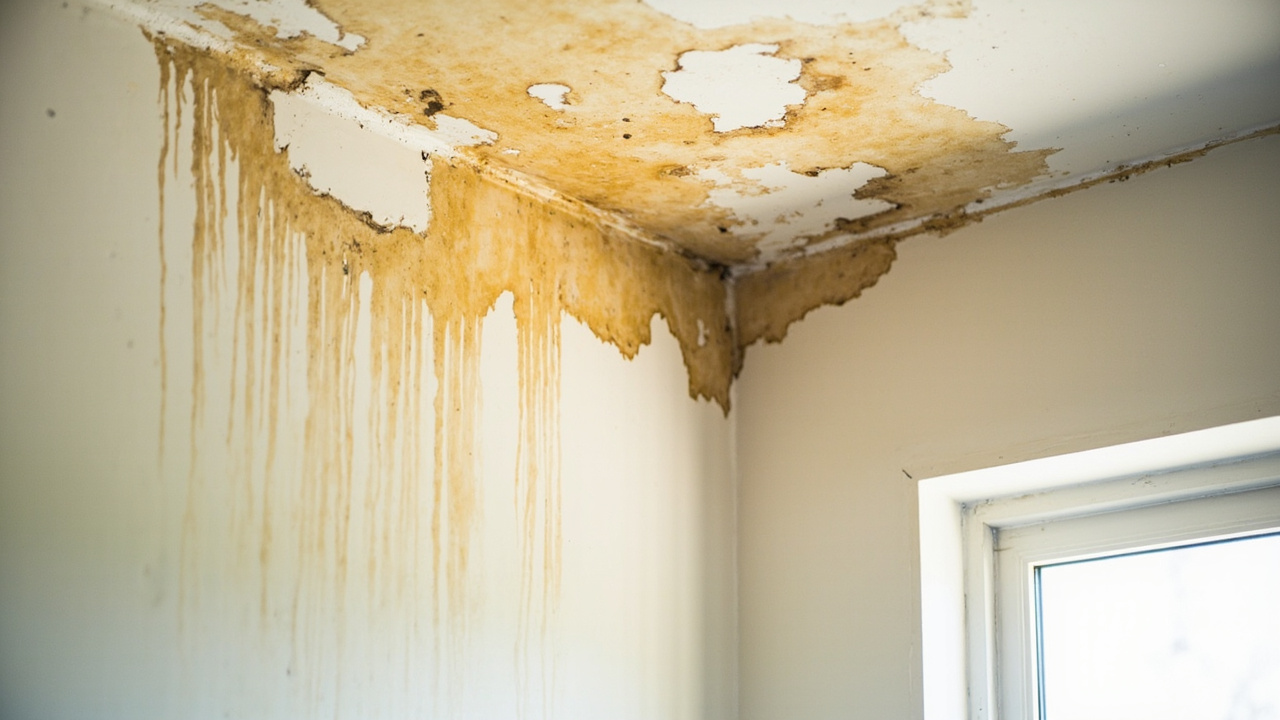
That yellow water mark spreading across your ceiling is not cosmetic. It signals active water intrusion, and in Jacksonville's humid climate, moisture problems escalate fast. The moment you see ceiling discoloration from leak, damp patches on walls, or brown spots on ceiling, you are looking at water that has already traveled through insulation, soaked into drywall, and potentially compromised structural framing.

Jacksonville homes face constant moisture stress. Summer humidity hovers above 70 percent for months. Afternoon thunderstorms dump water on roofs and test every penetration point. Older homes in neighborhoods like Riverside and Avondale have aging cast iron drain lines that corrode from the inside out. Ranch homes built in the 1970s have copper supply lines that develop pinhole leaks after decades of use. The combination creates perfect conditions for hidden plumbing failures that announce themselves only after significant damage occurs.

Moisture stains on drywall do not dry out and disappear in Jacksonville. They grow. They darken. They become breeding grounds for mold spores that thrive in warm, damp conditions. What starts as a small discoloration can spread across entire ceiling sections within weeks if the source is not identified and stopped.

The real danger is not the stain you see. It is the water you do not see, pooling in wall cavities, saturating insulation, and rotting wood framing. By the time water marks appear on finished surfaces, the damage behind those surfaces is already extensive. You need leak detection that finds the actual source, not just cosmetic patching that hides the problem.

What Those Brown Spots and Damp Patches Really Mean
How We Locate the Hidden Source and Stop the Damage

How We Locate the Hidden Source and Stop the Damage

Water follows gravity and paths of least resistance. That stain in your living room ceiling might be caused by a leaking supply line in the bathroom above, a failed wax ring at a toilet flange, or a pinhole leak in a drain line hidden inside the wall. Surface symptoms rarely align with actual leak locations.

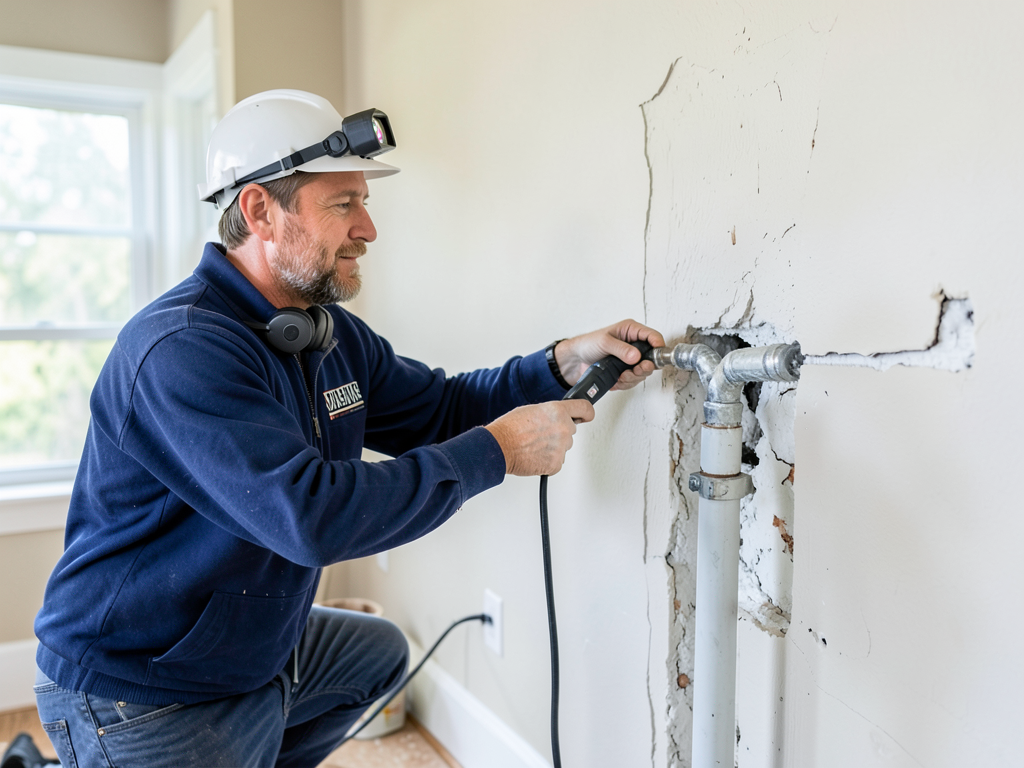
We start with thermal imaging cameras that detect temperature differentials behind finished surfaces. Wet building materials show up as cool spots because water absorbs and releases heat differently than dry materials. This lets us map moisture spread without opening up walls blindly. We use moisture meters to quantify saturation levels in drywall, ceiling texture, and framing members. Readings above 15 percent indicate active moisture intrusion.

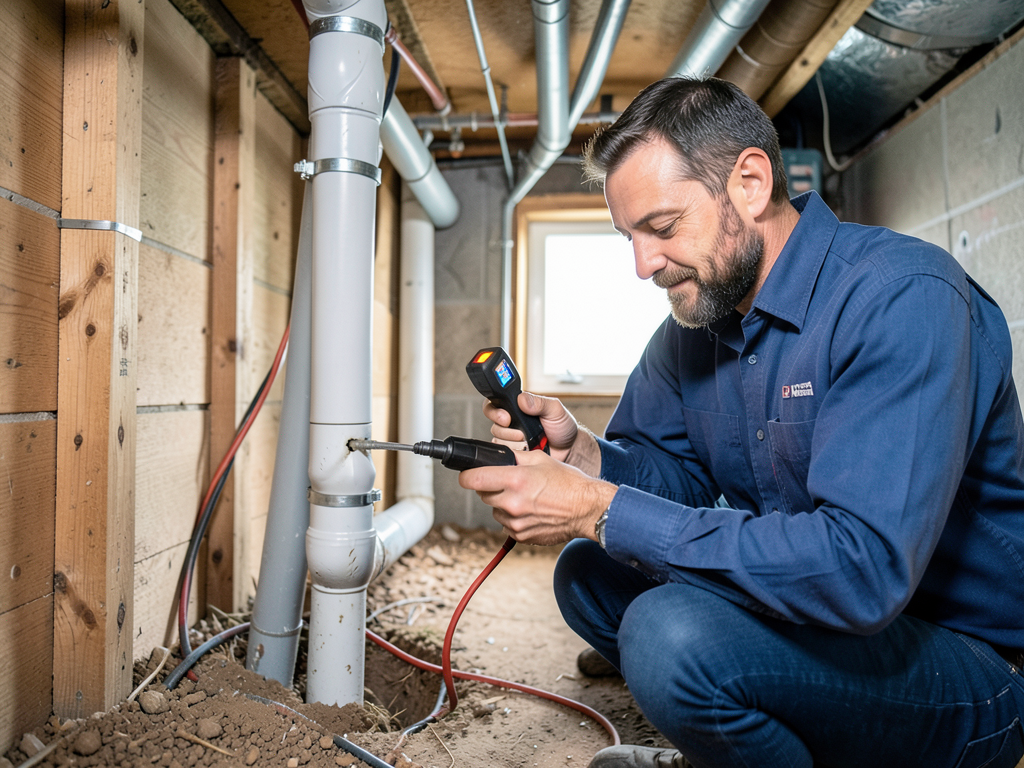
For supply line leaks, we perform static pressure tests. We isolate sections of piping, pressurize them, and monitor for pressure drops that indicate leaks. For drain line failures, we use smoke tests or air pressure tests to find cracks, separations, or failed connections. If the leak source is still unclear, we use video inspection equipment to examine the interior condition of drain lines and vent stacks.

Once we locate the actual failure point, we open access only where necessary. We replace failed sections with modern materials that meet current code. For copper supply lines, we use Type L copper or PEX depending on application. For drain lines, we use Schedule 40 PVC with proper slope and venting. We do not patch over problems. We remove the failed component and install new plumbing that will function correctly for decades.

After the plumbing repair is complete, we document moisture levels to confirm the leak is stopped before you close up walls or repaint ceilings.

What Happens When You Call About Water Stains

Water Stains on Ceiling or Walls in Jacksonville – Expert Leak Detection and Permanent Repair
01

Emergency Assessment

We dispatch a technician to your Jacksonville home within hours. The initial visit focuses on documenting visible damage, identifying the general area of water intrusion, and determining if active leaking requires immediate shutdown of water supply. We use thermal imaging and moisture meters to map the extent of hidden saturation and prioritize access points for leak detection.
02

Precise Leak Detection

Using pressure testing, video inspection, and thermal imaging, we trace water flow back to the exact failure point. This eliminates guesswork and prevents unnecessary demolition. We identify whether the problem is a supply line leak, drain line failure, fixture connection issue, or penetration through the building envelope. You get a clear diagnosis before any repair work begins.
03

Complete Repair and Documentation

We replace failed plumbing components with code-compliant materials, restore water service, and verify the repair with final pressure tests. Before you close walls or schedule painting, we document post-repair moisture levels to confirm all affected materials are drying properly. You receive documentation of the work completed, materials installed, and moisture readings for insurance claims if needed.

Why Jacksonville Homeowners Trust Us With Leak Detection

Water damage claims are the second most common homeowner insurance claim in Florida. Insurers pay out when you can document the source of damage, the timeline of events, and the professional mitigation steps taken. That documentation starts with accurate leak detection and proper repair by licensed plumbers who understand what adjusters need to see.

Titan Plumbing Jacksonville has worked in every type of residential construction common to Duval County. We have repaired cast iron drain stacks in 1920s bungalows in Springfield, replaced corroded galvanized supply lines in mid-century homes in Arlington, and diagnosed complex plumbing failures in newer construction in Nocatee. We understand how homes built in different eras develop characteristic plumbing failures.

We know which older neighborhoods have aggressive water chemistry that causes pinhole leaks in copper. We know which construction methods used in the 1980s and 1990s created vulnerable connections prone to failure. We know how Jacksonville's sandy soil and high water table affect foundation plumbing and slab penetrations.

When you call us, you get technicians who have diagnosed hundreds of leak scenarios in homes just like yours. We carry the diagnostic equipment necessary to find hidden leaks without demolishing entire rooms. We have access to the specific repair parts needed for older plumbing systems that used discontinued fittings and connection methods.

We also understand Jacksonville's building code requirements and permitting process. Some leak repairs require permits and inspections, particularly when we replace sections of drain waste vent systems. We handle the permitting, schedule inspections, and ensure all work meets code so you have no complications down the road if you sell your home.

What You Can Expect From Start to Finish

Rapid Response Time

Water damage accelerates by the hour. We prioritize leak detection calls and typically arrive the same day you contact us. For active leaks causing ongoing water intrusion, we offer emergency service seven days a week. Our goal is to stop the water source within 24 hours of your initial call. The faster we identify and repair the leak, the less secondary damage you face. Mold growth begins within 48 hours of water exposure in Jacksonville's climate, so speed matters. We coordinate with your insurance company's timeline requirements and provide documentation they need for claims processing.

Thorough Diagnostic Process

We do not guess. We use thermal imaging to see temperature variations behind walls and ceilings that indicate moisture presence. We use calibrated moisture meters to measure water content in building materials and track drying progress. For supply line leaks, we perform section isolation tests to pinpoint which line segment is leaking. For drain line problems, we use video cameras to inspect pipe interiors and identify cracks, root intrusion, or connection failures. You receive a clear explanation of what failed, why it failed, and what repair is required before we proceed with any work.

Professional Repair Standards

We replace failed plumbing with materials that meet or exceed current Florida Building Code requirements. Copper supply lines are joined with lead-free solder and proper flux. PEX installations use expansion fittings or crimp connections per manufacturer specifications. Drain line repairs use Schedule 40 PVC with approved primer and solvent cement. All work is pressure tested before we close access openings. We do not use temporary fixes or patch materials that will fail again in six months. The repair is done correctly the first time, using professional-grade materials and proven installation methods.

Documentation and Follow-Up

You receive detailed documentation of all work performed, including before and after photos, moisture readings, materials installed, and warranty information. This documentation is critical for insurance claims and future home sales. We provide guidance on drying out affected building materials and can recommend reputable restoration contractors if you need mold remediation or drywall replacement. We follow up after repairs to verify moisture levels are dropping and no secondary leaks have developed. If you experience any problems with the repair work, we return to address them promptly.

Frequently Asked Questions

You Have Questions,
We Have Answers

Is a water stain on a ceiling serious? +

Yes. Any water stain signals moisture intrusion, which can escalate fast in Jacksonville's humid climate. Even a small stain may hide mold growth, compromised insulation, or structural damage. Active leaks rot drywall and framing. Old stains still need investigation because moisture behind surfaces breeds mold. High humidity here accelerates decay. Do not ignore discoloration. The source could be a slow roof leak, burst pipe, or failing AC drain pan. Address it quickly to prevent ceiling collapse, electrical hazards, or costly mold remediation. A trained plumber can pinpoint the cause and stop further damage.

Why is there a water mark on my ceiling but no leak? +

You likely had a temporary or intermittent leak that stopped before you noticed active dripping. Common causes include condensation from AC ducts in Jacksonville's humid summers, roof leaks during heavy rain that self-seal when dry, or slow seepage from upstairs bathrooms. Humidity alone can cause staining on poorly insulated ceilings. Past plumbing events may have dried up but left residue. The stain proves water entered at some point. Without identifying the source, it may return. A plumber can use moisture meters and thermal imaging to trace hidden moisture pathways and confirm whether the issue resolved or still threatens your home.

How to tell if water is leaking behind a wall? +

Look for peeling paint, bubbling texture, or soft drywall when you press the surface. Musty odors signal trapped moisture and mold. Baseboards may warp or pull away. You might hear dripping inside the wall or notice wet carpet edges. In Jacksonville, high humidity can mask early signs, so check after heavy rain or AC cycles. Use a moisture meter along the wall to detect hidden dampness. Stains often appear lower than the actual leak source because water travels down studs. A professional plumber can use thermal cameras or listening devices to locate the exact breach without demolition.

What do water spots on the ceiling mean? +

Water spots indicate moisture penetrated your ceiling from above. The source could be a leaking roof, burst pipe, overflowing toilet, failing water heater, or condensation from HVAC ducts. In Jacksonville, summer storms and aging roofs commonly cause ceiling stains. Brown or yellow rings suggest dried mineral deposits from slow leaks. Dark spots may mean active water or mold. The stain location helps diagnose the problem. Center ceiling stains often point to roof issues. Spots near fixtures suggest plumbing failures. Do not wait. Identify and fix the source before mold spreads or ceilings sag under water weight.

Can I just paint over a water stained ceiling? +

No. Painting over a water stain without fixing the source guarantees the stain will bleed through and return. You must stop the leak, dry the area completely, and treat any mold before cosmetic repair. In Jacksonville's humidity, trapped moisture behind fresh paint fuels mold growth and drywall rot. Even if the leak stopped, residual salts and tannins in the stain will seep through standard paint. Use a stain-blocking primer only after confirmed drying and repairs. Skipping proper remediation wastes money and hides structural damage. Address the root cause first, then restore the surface correctly.

How to know if a water stain on the ceiling is new or old? +

New stains appear darker, feel damp to the touch, and may drip or expand. The drywall feels soft or spongy. Old stains are light brown or yellow, bone dry, and do not grow. Edges are well-defined and crisp. In Jacksonville, high humidity can keep old stains slightly tacky, so use a moisture meter for accuracy. Check for mold around old stains because past moisture may have seeded growth. New stains demand immediate action to stop active leaks. Old stains still require investigation to confirm the source resolved and assess hidden damage behind the surface.

How to tell if water is leaking into a ceiling? +

Active ceiling leaks show wet or discolored patches that grow over time. You may see dripping, bubbling paint, or sagging drywall. Touch the stain. If damp or cool, water is present. In Jacksonville, check after storms or when the AC runs heavily. Listen for dripping sounds above the ceiling. Musty smells indicate trapped moisture. Use a flashlight in the attic to trace wet insulation or rafters. Leaks often originate far from the visible stain because water travels along joists. A plumber can use moisture detection tools to map the leak path and locate the exact failure point.

Should I call a plumber for a ceiling stain? +

Yes, if the stain appears near plumbing fixtures, bathrooms, kitchens, or water heaters. Plumbers diagnose supply line leaks, drain failures, and hidden pipe bursts behind walls or ceilings. In Jacksonville, older homes with galvanized or polybutylene pipes are prone to sudden failures. If the stain is near the roof edge or spreads after rain, contact a roofer first. For stains near AC vents or ducts, call an HVAC tech. When unsure, start with a plumber. They can rule out plumbing issues and guide you to the right specialist, preventing wasted service calls and further damage.

How to tell if a ceiling is going to cave in? +

Warning signs include visible sagging, bowing, or bulging drywall. The ceiling feels soft or spongy when pressed. You hear cracking sounds or see widening cracks radiating from the stain. Water actively drips or pools on the surface. In Jacksonville, saturated ceilings from roof leaks or burst pipes can fail fast, especially with older drywall. If you see these signs, evacuate the area immediately and shut off water if possible. Do not enter rooms with severe sagging. Contact a plumber or contractor urgently. Ceiling collapses cause injury and compound water damage to floors and belongings below.

Does homeowners insurance cover water leaks in walls? +

Coverage depends on the cause and your policy. Sudden, accidental events like burst pipes or appliance failures are usually covered. Gradual leaks from deferred maintenance, aging pipes, or roof neglect are typically excluded. In Jacksonville, insurers scrutinize roof age and plumbing conditions closely due to storm and humidity risks. Document the stain immediately with photos and contact your insurer before repairs. A plumber's report proving sudden failure strengthens your claim. Review your policy for water damage exclusions and deductibles. Preventative maintenance and prompt leak response improve your chances of coverage and reduce out-of-pocket costs.

Why Jacksonville's Climate Makes Water Stains a Serious Threat

Jacksonville's combination of high humidity, frequent rain, and warm temperatures creates ideal conditions for rapid mold growth and wood rot. When water intrudes into wall cavities or ceiling spaces, it does not dry out quickly like it might in arid climates. Instead, moisture lingers in insulation and soaks into wood framing. Within 48 hours, mold spores begin colonizing damp surfaces. Within two weeks, structural wood members can develop rot that compromises load-bearing capacity. Water stains you see on finished surfaces have been developing behind those surfaces for days or weeks before they become visible, which means the hidden damage is already significant.

Homes throughout Jacksonville, from the historic districts near downtown to newer developments in Southside and Mandarin, face unique plumbing challenges based on construction era and soil conditions. Older neighborhoods have aging cast iron drain lines that corrode and develop leaks at joint connections. Mid-century homes have copper supply lines experiencing pinhole leaks from decades of water chemistry exposure. Newer construction sometimes has defective plumbing installations that fail prematurely. Local plumbers who understand these patterns can diagnose problems faster and recommend appropriate repairs based on your home's specific construction type and age.
Plumbing Services in The Jacksonville Area

We are proud to serve the entire Jacksonville community and surrounding areas, providing top-tier plumbing services wherever you are. Whether you need an emergency repair or a new installation, our team is always ready to travel to your location. View our service area on the map below and contact us to schedule your service.

Address:
Titan Plumbing Jacksonville, 830 Cassat Ave, Jacksonville, FL, 32205

Additional Services We Offer

Our news updates

Latest Articles & News from The Blogs

Can Installing Low-Flow Fixtures Really Lower Your JEA Bill in Northside? Northside homeowners face some of Jacksonville’s highest per-gallon water…

Can Installing Low-Flow Fixtures Really Lower Your JEA Bill in Northside?

Can Installing Low-Flow Fixtures Really Lower Your JEA Bill in Northside? Northside homeowners face some of Jacksonville’s highest per-gallon water…

How to Safely Thaw an Outdoor Pipe During a Rare Jacksonville Freeze

How to Safely Thaw an Outdoor Pipe During a Rare Jacksonville Freeze When Jacksonville temperatures drop below 32°F, which happens…

How to Safely Thaw an Outdoor Pipe During a Rare Jacksonville Freeze

How to Safely Thaw an Outdoor Pipe During a Rare Jacksonville Freeze When Jacksonville temperatures drop below freezing, even for…

Contact Us

Every day you wait, water continues damaging your home. Call Titan Plumbing Jacksonville at (904) 839-7199 right now. We will send a technician to locate the leak source, stop the water intrusion, and provide you with a clear repair plan.