




Menu

Discolored or Rusty Water in Jacksonville | Expert Diagnosis and Permanent Fixes

When brown tap water or reddish water from pipes appears in your Jacksonville home, our licensed plumbers identify the exact source and eliminate discolored water at the root.

Slider Image 1
Slider Image 2
Slider Image 3
Slider Image 4
Slider Image 5
Slider Image 7
Slider Image 8
Slider Image 9
Slider Image 10
Slider Image 11

Why Your Jacksonville Water Suddenly Looks Dirty

You turn on your faucet and watch brown tap water pour out. Maybe it's yellow water from the faucet in the morning, or reddish water from pipes whenever you run the shower. This is not normal, and it is not safe to ignore.

Jacksonville's aging water infrastructure, combined with the natural iron content in Northeast Florida's aquifer system, creates the perfect conditions for rusty colored water. When galvanized steel pipes corrode from the inside, iron particles break loose and cloud your water supply. The discolored hot water you see is often worse because heat accelerates pipe corrosion and stirs up accumulated sediment in your water heater tank.

Jacksonville's municipal water supply occasionally experiences pressure changes during maintenance or after heavy storms. These pressure fluctuations dislodge rust and mineral deposits that have built up inside both city mains and your home's private plumbing. The result is a sudden wave of brown or orange water that can last for hours or days.

But not all discolored water comes from pipes. Failing water heaters with corroded anode rods, bacterial growth in well systems, or backflow from rusty irrigation lines can all produce reddish water from pipes. If only your hot water runs brown, the problem lives in your water heater. If cold water also runs discolored, you are dealing with corroded supply lines, a failing pressure regulator, or contamination from outside your home.

The fix depends on the source. Guessing costs you money. A proper diagnosis saves you both.

Why Your Jacksonville Water Suddenly Looks Dirty
How We Identify the Source of Brown Tap Water

How We Identify the Source of Brown Tap Water

Most plumbers flush your lines and leave. That works if the city main is the culprit. It does nothing if your pipes are rotting from the inside.

We test both hot and cold water at multiple fixtures. If discolored hot water appears but cold water runs clear, we inspect your water heater's sacrificial anode rod and check for sediment accumulation in the tank. A depleted anode rod allows the tank walls to corrode directly, releasing rust into your hot water supply. Flushing the tank removes loose sediment, but if the anode is gone, replacement is the only permanent fix.

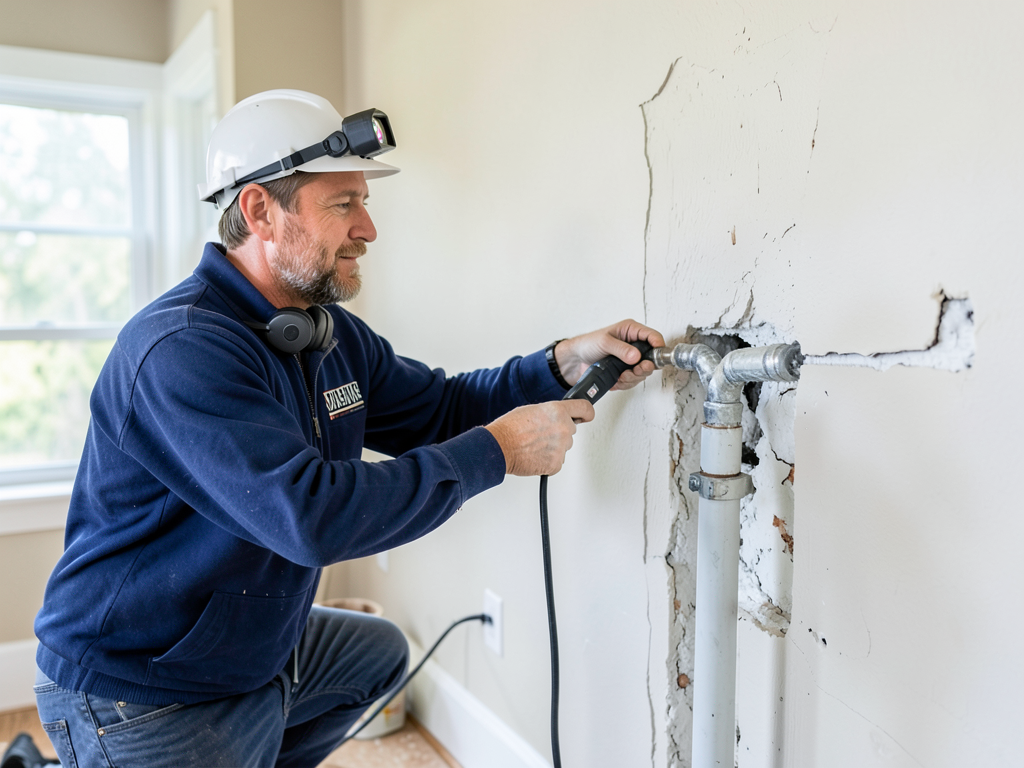
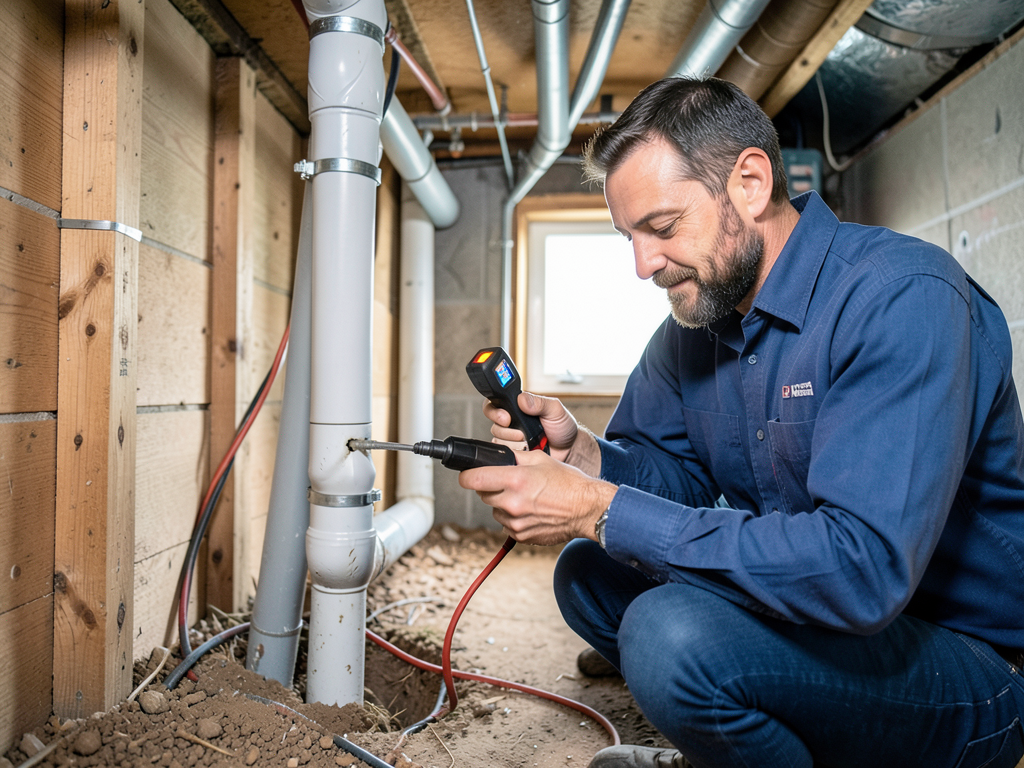
If both hot and cold water show rusty colored water, we trace your supply lines. Galvanized steel pipes installed before the 1980s corrode from the inside out. We use a fiber optic inspection camera to look inside your pipes without demolition. This shows us whether you have isolated corrosion or systemic pipe failure. Isolated rust spots can sometimes be cut out and replaced. Widespread corrosion means a full repipe.

We also test your water pressure and check your pressure-reducing valve. Jacksonville's municipal water pressure typically runs between 60 and 80 psi. If your PRV fails, sudden pressure spikes shake loose rust deposits throughout your system. Replacing the PRV stops the pressure swings that cause recurring discolored water.

For homes on well systems, we inspect your pressure tank, check for iron bacteria, and test your water chemistry. High iron content combined with oxygen exposure creates the orange biofilm that coats well pipes and produces yellow water from the faucet.

We do not guess. We test, inspect, and show you exactly what is causing your water discoloration before we propose a fix.

What Happens When You Call Us About Discolored Water

Discolored or Rusty Water in Jacksonville | Expert Diagnosis and Permanent Fixes
01

Initial Water Testing

We test water samples from multiple fixtures throughout your home to determine if the discoloration is isolated to hot water, cold water, or both. This tells us whether the problem originates in your water heater, your supply lines, or the municipal system. We also measure water pressure and check for sediment particles to establish whether you have active corrosion or temporary disturbance from city maintenance.
02

Pipe and System Inspection

Using fiber optic cameras and pressure diagnostics, we inspect your water heater, supply lines, and pressure-reducing valve. We look for corroded galvanized pipes, failing anode rods, sediment buildup, and pressure regulation issues. For well systems, we inspect the pressure tank and test for iron bacteria. This step identifies the exact failure point so we can recommend the correct repair, not a generic flush-and-hope approach.
03

Targeted Repair or Replacement

Once we pinpoint the source, we eliminate it. This might mean flushing and replacing your water heater's anode rod, cutting out corroded pipe sections and installing PEX or copper, replacing your pressure-reducing valve, or installing a whole-home sediment filter. We explain your options, show you the failed components, and complete the work that actually stops the discolored water for good.

Why Jacksonville Homeowners Choose Ironwood Plumbing Raleigh for Water Quality Issues

Discolored water is not a cosmetic problem. It signals pipe failure, water heater corrosion, or contamination that will worsen until you fix the root cause. Most plumbers flush your lines and call it solved. That approach fails when the problem is inside your home's plumbing system, not the city supply.

We have diagnosed and repaired hundreds of discolored water cases across Jacksonville's Riverside, Avondale, San Marco, and Beaches communities. We know the difference between temporary sediment disturbance and chronic pipe corrosion. We know how Jacksonville's water chemistry interacts with aging galvanized steel. We know when a simple anode rod replacement solves the issue and when you need a full repipe.

Our diagnostic process uses fiber optic cameras, pressure testing, and water sampling to show you exactly what is failing. We do not sell you a repipe if a water heater flush will solve the problem. We do not waste your time with temporary fixes if your pipes are beyond repair.

Jacksonville's building codes require licensed plumbers for all water supply work. We pull permits, follow code, and ensure your repairs pass inspection. This protects your home's resale value and keeps your homeowner's insurance valid. Unlicensed handymen who skip permits leave you liable if their work fails or violates code.

We also understand the urgency. Brown tap water disrupts your daily routine. You cannot cook, bathe, or drink from your faucets. We prioritize water quality calls and offer same-day diagnostics when you need answers fast. Our trucks carry replacement anode rods, sediment filters, pressure-reducing valves, and PEX supply line materials so we can often complete repairs the same day we diagnose the problem.

You deserve clean water. We make that happen.

What to Expect When You Schedule Water Discoloration Diagnosis

Same-Day Diagnostics Available

We know discolored water cannot wait. You need answers today, not next week. We prioritize water quality calls and offer same-day diagnostic appointments for most Jacksonville neighborhoods. Our plumbers arrive with testing equipment, cameras, and common repair materials so we can move directly from diagnosis to repair if you approve the work. Most diagnostics take 45 to 90 minutes depending on your home's plumbing layout and the complexity of the issue. We explain what we find in plain language and show you the evidence before we recommend any repairs.

Comprehensive Water and Pipe Assessment

We test water from multiple fixtures, inspect your water heater and pressure-reducing valve, and use fiber optic cameras to examine your supply lines without tearing open walls. This multi-point inspection identifies whether your discolored water stems from city main disturbance, corroded galvanized pipes, water heater failure, or pressure regulation issues. We measure sediment levels, check for iron bacteria in well systems, and test water pressure at the main and at fixtures. You get a clear explanation of what is failing and why, backed by visual evidence and test results.

Permanent Fixes, Not Temporary Flushes

We repair the actual failure point. If your water heater's anode rod is depleted, we replace it and flush the tank to remove accumulated rust. If your galvanized supply lines are corroding, we replace the affected sections with PEX or copper. If your pressure-reducing valve is spiking pressure and shaking rust loose, we install a new PRV calibrated to protect your plumbing. We do not sell you unnecessary repiping if targeted repairs will solve the problem, but we also do not waste your money on temporary fixes when your pipes are too far gone. You get honest recommendations based on what we actually find.

Follow-Up Water Testing Included

After we complete repairs, we flush your system and test your water again to confirm the discoloration is gone. We check both hot and cold water at multiple fixtures and verify that your pressure is stable. If you have a water heater anode replacement, we explain the maintenance schedule to maximize tank life. If we installed new supply lines, we walk you through what to expect during the first few days as your system stabilizes. We also provide guidance on sediment filters, water softeners, or pressure regulation adjustments if your water chemistry or pressure patterns make future issues likely.

Frequently Asked Questions

You Have Questions,
We Have Answers

Is discolored water safe to drink? +

Discolored water is usually not safe to drink. Brown or rusty tints signal iron corrosion from aging pipes, which can harbor bacteria and sediment. Cloudy or yellow water may indicate construction disturbances or city main breaks common in Jacksonville's older neighborhoods. If the color persists after running cold water for five minutes, stop drinking it. Contact JEA to rule out municipal issues, then call a licensed plumber. Corroded galvanized pipes or failing water heaters often cause chronic discoloration. Drinking contaminated water risks gastrointestinal illness, especially in children and seniors. When in doubt, use bottled water until the source is confirmed.

Is it safe to drink slightly rusty water? +

Drinking slightly rusty water is risky. While small amounts of iron oxide are not acutely toxic, rusty water often contains elevated bacteria, lead particles from corroded solder, and sediment. Jacksonville homes built before 1986 may have lead-based plumbing components that leach into discolored water. Consistent exposure causes stomach upset, staining on teeth, and long-term health concerns. Rusty water indicates active corrosion inside your pipes or water heater. Flush cold taps for five minutes. If rust persists, do not drink it. Schedule a water quality test and pipe inspection. Replace corroded sections before contamination worsens or pipes burst.

How to know if water is rusty? +

Rusty water appears brown, orange, or reddish and often smells metallic. Run cold water for five minutes. If the color clears, the issue is likely in your water heater or home plumbing. If it stays rusty, JEA may be flushing mains or repairing breaks near your Jacksonville neighborhood. Check hot water separately. Rust-colored hot water points to sediment buildup or a corroded anode rod in your tank. Cold rusty water suggests galvanized pipe corrosion. Collect a sample in a clear glass. If you see floating particles or the color settles at the bottom, internal pipe rust is the culprit.

What does discolored water mean? +

Discolored water signals corrosion, sediment disturbance, or contamination in your plumbing system or municipal supply. Brown or rusty hues mean iron is corroding inside pipes or your water heater. Yellow or cloudy water indicates construction work, hydrant flushing, or mineral deposits stirred up in city mains. Green or blue tints suggest copper pipe corrosion, common in acidic water. Jacksonville's humid climate accelerates pipe oxidation, especially in older homes. Discoloration also results from failing pressure regulators or backflow incidents. Do not ignore it. Persistent color changes require professional diagnosis to prevent pipe failure, health risks, and costly water damage.

Should I call a plumber for brown water? +

Yes, call a plumber for brown water if flushing cold taps for five minutes does not clear it. Brown water in Jacksonville homes often means corroded galvanized pipes or sediment-clogged water heaters. If only hot water runs brown, your tank's anode rod may be failing or sediment needs flushing. Cold brown water suggests internal pipe rust or a city main break. A licensed plumber can camera-inspect pipes, test water quality, flush your heater, or recommend repiping. Ignoring brown water risks pipe leaks, contamination, and appliance damage. If JEA confirms city lines are clear, the problem is inside your home and needs immediate attention.

What are the signs of unsafe sink water? +

Signs of unsafe sink water include brown, yellow, or cloudy color, metallic or sulfur odor, oily film, floating particles, and unusual taste. Jacksonville residents should watch for sudden color shifts after rain or construction, which may indicate backflow or contamination. Slimy residue suggests bacteria growth. Blue or green stains around fixtures point to copper corrosion. If water causes skin irritation or stomach issues, stop using it. Test for lead, bacteria, and heavy metals if you live in a pre-1980s home. Persistent discoloration, sediment, or odor requires immediate plumbing inspection and water quality testing to ensure safety.

How Jacksonville's Iron-Rich Aquifer Accelerates Pipe Corrosion and Water Discoloration

Jacksonville's municipal water supply draws from the Floridan Aquifer, which naturally contains dissolved iron and manganese. When this iron-rich water contacts oxygen inside corroded galvanized pipes, it oxidizes and forms the rust particles that produce brown tap water. Homes built before 1980, especially in neighborhoods like Riverside, Springfield, and San Marco, often still have original galvanized steel supply lines. The combination of Jacksonville's water chemistry and aging pipe infrastructure creates chronic discolored water issues that worsen over time. Homes on private wells face even higher iron concentrations, which can support iron bacteria growth that coats pipes with orange biofilm and produces persistent yellow water from faucets.

JEA's water distribution system occasionally requires maintenance, hydrant flushing, or pressure adjustments that temporarily stir up sediment in city mains. While this can cause short-term discolored water across entire neighborhoods, recurring or persistent discoloration almost always indicates problems inside your home's private plumbing. Jacksonville's plumbing code requires licensed contractors for all water supply repairs and replacements. We follow local permitting requirements, understand JEA's water chemistry, and know which pipe materials perform best in Northeast Florida's conditions. Choosing a licensed local plumber ensures your repairs meet code, pass inspection, and actually solve the problem instead of masking it.
Plumbing Services in The Jacksonville Area

We are proud to serve the entire Jacksonville community and surrounding areas, providing top-tier plumbing services wherever you are. Whether you need an emergency repair or a new installation, our team is always ready to travel to your location. View our service area on the map below and contact us to schedule your service.

Address:
Titan Plumbing Jacksonville, 830 Cassat Ave, Jacksonville, FL, 32205

Additional Services We Offer

Our news updates

Latest Articles & News from The Blogs

Can Installing Low-Flow Fixtures Really Lower Your JEA Bill in Northside? Northside homeowners face some of Jacksonville’s highest per-gallon water…

Can Installing Low-Flow Fixtures Really Lower Your JEA Bill in Northside?

Can Installing Low-Flow Fixtures Really Lower Your JEA Bill in Northside? Northside homeowners face some of Jacksonville’s highest per-gallon water…

How to Safely Thaw an Outdoor Pipe During a Rare Jacksonville Freeze

How to Safely Thaw an Outdoor Pipe During a Rare Jacksonville Freeze When Jacksonville temperatures drop below 32°F, which happens…

How to Safely Thaw an Outdoor Pipe During a Rare Jacksonville Freeze

How to Safely Thaw an Outdoor Pipe During a Rare Jacksonville Freeze When Jacksonville temperatures drop below freezing, even for…

Contact Us

Stop drinking, cooking, and bathing in discolored water. Call Ironwood Plumbing Raleigh at (904) 839-7199 now for same-day diagnostics. We find the source, fix it right, and restore clean water to your Jacksonville home.