
Why Jacksonville Aquarium Enthusiasts Need a Dedicated RO System
Jacksonville’s tap water from JEA contains chloramines, high dissolved solids, and silicates that are toxic to sensitive reef corals and marine fish. Standard drinking water filters cannot remove these contaminants effectively. A dedicated reverse osmosis deionization (RO/DI) system is the only way to produce the 0 PPM water quality your reef tank requires for long-term success. JEA water quality reports.
Professional RO/DI installation by a licensed plumber ensures proper drain connections, pressure regulation, and automatic shutoff valves that prevent costly floods. The investment protects thousands of dollars in livestock and equipment while eliminating the need to haul expensive store-bought water. How to Get Your Tankless Water Heater Installed at Jacksonville Beach.
Call (904) 839-7199 today to schedule your water purity test and custom RO/DI consultation before your next water change. Get Rid of Hard Water for Good with a Water Softener Installation in Ponte Vedra.
Jacksonville Water Quality: The Hidden Killer in Your Reef Tank
JEA tap water tests between 150-300+ PPM total dissolved solids, with chloramine levels that standard carbon filters cannot fully remove. These contaminants cause algae outbreaks, coral bleaching, and fish stress that hobbyists often misdiagnose as disease or lighting issues.
The St. Johns River watershed contributes high silicate content that fuels diatom algae growth on live rock and sand beds. Without proper RO/DI filtration, these microscopic pests can take over a tank within weeks of setup.
Jacksonville’s seasonal water treatment changes also introduce unpredictable chemical variations. What worked last month may suddenly kill sensitive invertebrates when JEA adjusts their disinfectant protocols.
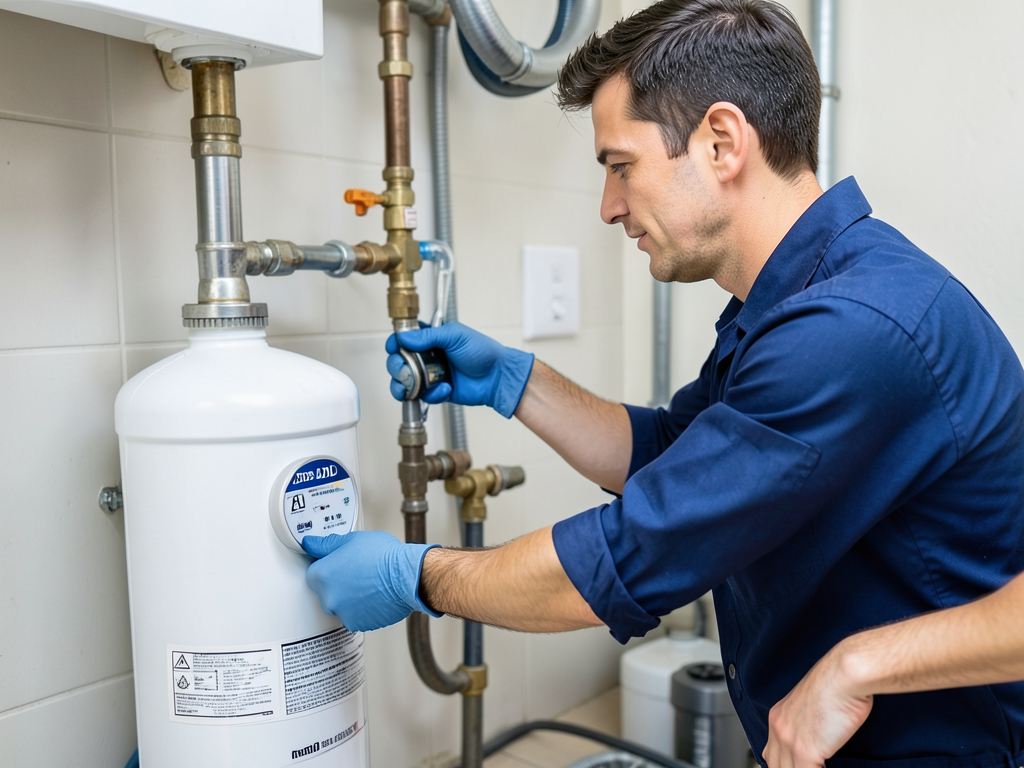
RO vs. RO/DI: Why Standard Systems Fail Reef Tanks
Standard reverse osmosis removes 95-98% of contaminants but leaves behind critical impurities. RO/DI systems add deionization resin stages that achieve 0 PPM water purity, essential for sensitive reef ecosystems.
| System Type | Contaminants Removed | Typical PPM Output | Best For |
|---|---|---|---|
| Standard RO | 95-98% TDS | 5-10 PPM | Drinking water |
| RO/DI 4-stage | 99.9% TDS + Chloramines | 0-2 PPM | Basic reef tanks |
| RO/DI 6-stage | 99.99% TDS + Silicates | 0 PPM | Advanced reef systems |
The deionization resin in stage 4 and 5 captures ions that pass through RO membranes. Without these stages, your tank water contains dissolved metals and minerals that feed nuisance algae and stress marine life.
Professional Installation Requirements for Jacksonville Homes
RO/DI systems require dedicated plumbing connections that meet Florida Building Code requirements. A licensed plumber ensures proper drain saddle installation, pressure regulation, and backflow prevention that store-bought kits cannot guarantee. The Best Drain Cleaning Companies for Clogged Pipes in San Marco.
Most Jacksonville homes have water pressure between 40-80 PSI. Systems under 40 PSI need booster pumps to maintain production rates. Homes over 80 PSI require pressure regulators to prevent membrane damage.
Under-sink installations need proper drain connections to prevent cross-contamination. Garage installations require freeze protection in Jacksonville’s occasional winter dips below freezing.
Stage Configurations: Matching System Size to Tank Needs
4-stage systems work for nano tanks under 40 gallons but struggle with larger setups. 6-stage systems with permeate pumps produce water more efficiently and include final polishing filters for zero TDS output.
High-efficiency membranes now produce 1 gallon of pure water from 2-3 gallons of waste, compared to older 1:4 ratios. This matters in Jacksonville where water conservation affects monthly JEA bills.
Automatic shutoff valves prevent tank overflows. Float valves in storage containers stop water production when reservoirs fill, protecting against costly flood damage.
Maintenance Schedules Based on Jacksonville Water Conditions
Jacksonville’s high mineral content means pre-filters need replacement every 3-4 months instead of the standard 6 months. Waiting longer reduces membrane life and increases operating costs.
DI resin changes from blue to amber as it exhausts. Testing with a TDS meter weekly prevents contaminated water from entering your tank. Replacement costs average $30-50 but save thousands in livestock losses.
Membranes last 2-3 years in Jacksonville versus 3-5 years in areas with softer water. The harder your tap water, the more frequently you’ll need replacements.
Integration with Auto Top Off Systems
RO/DI systems connect directly to ATO reservoirs, maintaining stable salinity levels automatically. This prevents the dangerous swings that occur when topping off with untreated tap water.
Electronic solenoid valves open only when water levels drop, preventing constant small drips that waste water and promote algae growth in the reservoir.
Float switches provide backup protection against overfilling. Quality systems include both electronic and mechanical shutoffs for redundancy.
Cost Analysis: Home System vs. Store-Bought Water
Initial system costs range from $300-800 depending on stages and features. Annual maintenance averages $100-200 for filters and membranes.
Store-bought RO water costs $0.50-1.00 per gallon. A 55-gallon water change every two weeks costs $150-300 annually just for water.
Home systems pay for themselves in 12-24 months while providing unlimited pure water for emergencies, drinking, and other household uses.
Common Installation Mistakes to Avoid
Improper drain connections cause backflow contamination. Missing check valves allow contaminated water to enter the pure water stream during pressure drops.
Incorrect pressure regulation either starves the system or damages membranes. Most failures result from DIY installations that ignore manufacturer specifications.
Insufficient storage capacity forces frequent production cycles that waste water. Plan 1.5x your maximum weekly water change needs.
Why Professional Installation Matters
Licensed plumbers understand Jacksonville’s specific water conditions and building codes. They provide warranties on workmanship that manufacturers do not cover.
Professional installation includes water quality testing before and after setup. This documentation proves your system produces the promised 0 PPM output.
Emergency support is available when DIY systems fail at 2 AM before a scheduled water change. Don’t risk your tank’s health on uncertain equipment.
Frequently Asked Questions
How long does RO/DI installation take?
Most installations complete in 2-4 hours depending on complexity and location. Under-sink setups take less time than garage installations requiring new plumbing runs. Plumbing Macclenny.
Can I install an RO/DI system myself?
DIY installation risks improper connections, code violations, and equipment damage. Professional installation ensures proper function and includes warranties on workmanship.
What TDS level should my RO/DI water read?
RO/DI water should read 0 PPM on a TDS meter. Readings above 1 PPM indicate exhausted filters or membrane damage requiring immediate replacement.
How much water do RO/DI systems waste?
Modern high-efficiency systems waste 2-3 gallons per gallon of pure water produced. Older systems waste 4-6 gallons per gallon of pure water.
Do I need a permit for RO/DI installation?
Most residential RO/DI installations don’t require permits, but professional plumbers ensure all work meets local building codes and manufacturer specifications.
Ready to Protect Your Reef Tank Investment?
Jacksonville’s water quality makes RO/DI filtration essential for serious reef keepers. The cost of a professional system pales compared to replacing dead corals and fish from contaminated water changes.
Professional installation ensures your system produces reliable 0 PPM water while meeting all local plumbing codes. Don’t trust your tank’s health to DIY setups or outdated equipment. Finding a Reliable Water Heater Repair Service in Mandarin Without the Wait.
Call (904) 839-7199 today to schedule your water purity test and custom RO/DI consultation. Our licensed plumbers will evaluate your specific needs and install a system that protects your investment for years to come. For more information, visit EPA drinking water standards.
{
“@context”: “https://schema.org”,
“@type”: “BlogPosting”,
“headline”: “Why Jacksonville Aquarium Enthusiasts Need a Dedicated RO System”,
“description”: “Jacksonville’s high TDS water and chloramines are toxic to reef tanks. Learn why aquarium enthusiasts need a dedicated RO/DI system installed by a professional plumber.”,
“wordCount”: 1201,
“datePublished”: “2026-05-22T15:25:00.000Z”,
“dateModified”: “2026-05-22T15:25:00.000Z”,
“inLanguage”: “en-US”,
“mainEntityOfPage”: {
“@type”: “WebPage”,
“@id”: “https://titanplumbingjacksonville.com”
},
“publisher”: {
“@type”: “LocalBusiness”,
“name”: “Titan Plumbing Jacksonville”,
“url”: “https://titanplumbingjacksonville.com”
},
“author”: {
“@type”: “Organization”,
“name”: “Titan Plumbing Jacksonville”,
“url”: “https://titanplumbingjacksonville.com”
},
“image”: {
“@type”: “ImageObject”,
“url”: “https://titanplumbingjacksonville.com/wp-content/uploads/2026/03/why-jacksonville-aquarium-enthusiasts-need-a-dedic-1.png”
}
}
{
“@context”: “https://schema.org”,
“@type”: “Plumber”,
“name”: “Titan Plumbing Jacksonville”,
“url”: “https://titanplumbingjacksonville.com”,
“address”: {
“@type”: “PostalAddress”,
“addressLocality”: “Jacksonville”
},
“areaServed”: {
“@type”: “City”,
“name”: “Jacksonville”
}
}
{
“@context”: “https://schema.org”,
“@type”: “FAQPage”,
“mainEntity”: [
{
“@type”: “Question”,
“name”: “How long does RO/DI installation take?”,
“acceptedAnswer”: {
“@type”: “Answer”,
“text”: “Most installations complete in 2-4 hours depending on complexity and location. Under-sink setups take less time than garage installations requiring new plumbing runs. Plumbing Macclenny.”
}
},
{
“@type”: “Question”,
“name”: “Can I install an RO/DI system myself?”,
“acceptedAnswer”: {
“@type”: “Answer”,
“text”: “DIY installation risks improper connections, code violations, and equipment damage. Professional installation ensures proper function and includes warranties on workmanship.”
}
},
{
“@type”: “Question”,
“name”: “What TDS level should my RO/DI water read?”,
“acceptedAnswer”: {
“@type”: “Answer”,
“text”: “RO/DI water should read 0 PPM on a TDS meter. Readings above 1 PPM indicate exhausted filters or membrane damage requiring immediate replacement.”
}
},
{
“@type”: “Question”,
“name”: “How much water do RO/DI systems waste?”,
“acceptedAnswer”: {
“@type”: “Answer”,
“text”: “Modern high-efficiency systems waste 2-3 gallons per gallon of pure water produced. Older systems waste 4-6 gallons per gallon of pure water.”
}
},
{
“@type”: “Question”,
“name”: “Do I need a permit for RO/DI installation?”,
“acceptedAnswer”: {
“@type”: “Answer”,
“text”: “Most residential RO/DI installations don’t require permits, but professional plumbers ensure all work meets local building codes and manufacturer specifications.”
}
},
{
“@type”: “Question”,
“name”: “Ready to Protect Your Reef Tank Investment?”,
“acceptedAnswer”: {
“@type”: “Answer”,
“text”: “Jacksonville’s water quality makes RO/DI filtration essential for serious reef keepers. The cost of a professional system pales compared to replacing dead corals and fish from contaminated water changes.”
}
}
]
}
{
“@context”: “https://schema.org”,
“@type”: “BreadcrumbList”,
“itemListElement”: [
{
“@type”: “ListItem”,
“position”: 1,
“name”: “Home”,
“item”: “https://titanplumbingjacksonville.com”
},
{
“@type”: “ListItem”,
“position”: 2,
“name”: “Blog”,
“item”: “https://titanplumbingjacksonville.com/blog”
},
{
“@type”: “ListItem”,
“position”: 3,
“name”: “Why Jacksonville Aquarium Enthusiasts Need a Dedicated RO System”
}
]
}
{
“@context”: “https://schema.org”,
“@type”: “Service”,
“serviceType”: “Plumbing”,
“provider”: {
“@type”: “LocalBusiness”,
“name”: “Titan Plumbing Jacksonville”,
“url”: “https://titanplumbingjacksonville.com”
},
“areaServed”: {
“@type”: “City”,
“name”: “Jacksonville”
},
“description”: “Jacksonville’s high TDS water and chloramines are toxic to reef tanks. Learn why aquarium enthusiasts need a dedicated RO/DI system installed by a professional plumber.”
}