




Menu

Wet Spots in Yard in Jacksonville – Expert Underground Leak Detection That Stops Water Waste and Foundation Damage

Using acoustic listening equipment and pressure testing technology, we pinpoint hidden pipe breaks beneath your Jacksonville lawn without destructive excavation, protecting your property value and stopping water bills from climbing.

Slider Image 1
Slider Image 2
Slider Image 3
Slider Image 4
Slider Image 5
Slider Image 7
Slider Image 8
Slider Image 9
Slider Image 10
Slider Image 11

Why Your Jacksonville Lawn Stays Saturated Even When It Hasn't Rained

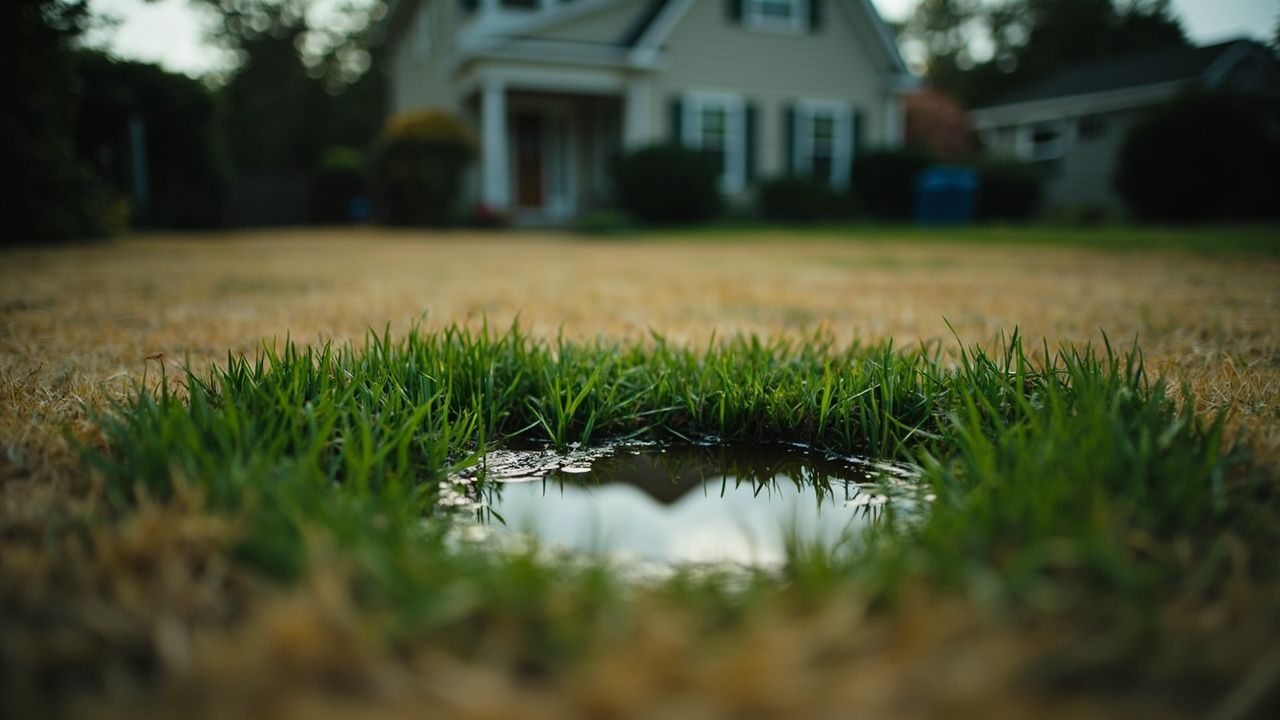
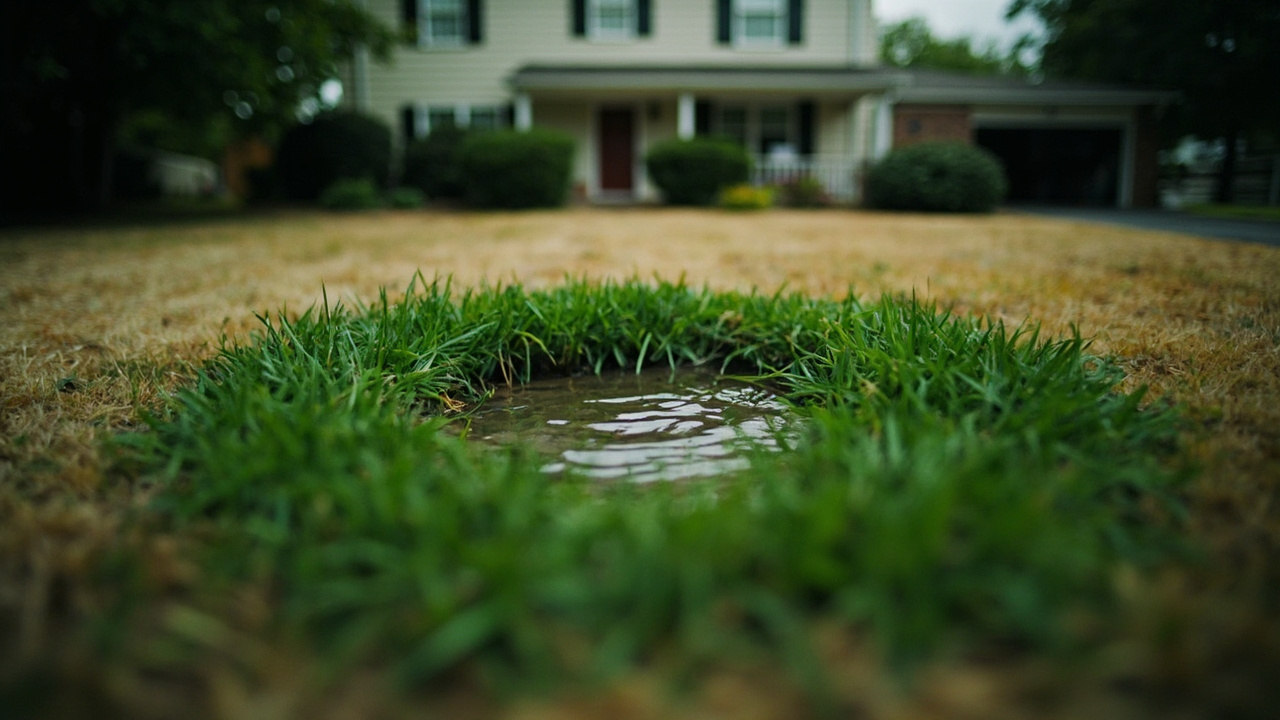
You walk across your yard and feel the squish. Soggy patches in lawn appear overnight with no explanation. Pooling water in yard creates mud pits where grass used to grow. Your water bill doubled last month, but you haven't changed your usage habits.

Jacksonville's high water table and sandy soil composition accelerate underground leak problems. When a main line or irrigation line ruptures beneath your property, the saturated areas in grass act as your first warning sign. The soil here drains quickly under normal conditions. When you see standing water that persists for days after dry weather, you are looking at a pressurized water source feeding the problem continuously.

Damp spots in lawn often appear in irregular patterns. They follow the path of buried pipes. In older Jacksonville neighborhoods like Riverside and Avondale, galvanized pipes installed decades ago corrode from the inside. The high mineral content in our municipal water supply accelerates this deterioration. In newer subdivisions, root intrusion from live oaks and magnolias penetrates PVC joints, creating pinhole leaks that expand over time.

Unexplained standing water signals more than cosmetic damage. The constant moisture destabilizes soil beneath your foundation slab. In Jacksonville's clay-sand soil mix, this creates voids and settling. Your foundation shifts. Cracks appear in walls and floors. What started as a wet spot becomes a structural problem that costs exponentially more to repair if you wait.

The longer pressurized water flows underground, the more it erodes soil channels and widens the failure point. Early detection prevents catastrophic pipe collapse and the need for full-yard excavation.

Why Your Jacksonville Lawn Stays Saturated Even When It Hasn't Rained
How Underground Leak Detection Works Without Destroying Your Landscape

How Underground Leak Detection Works Without Destroying Your Landscape

We use non-invasive diagnostics to locate the exact failure point before breaking ground. This approach protects your landscaping investment and reduces repair costs by eliminating guesswork.

First, we conduct a static pressure test on your main water line. We isolate sections of your plumbing system using shut-off valves, then monitor pressure gauges for drops that indicate active leaks. This test confirms whether the problem originates in your service line, main distribution pipes, or irrigation system.

Next, we deploy acoustic listening equipment. Underground water escaping from pressurized pipes creates a distinct frequency signature. Our ground microphones detect this sound through soil and concrete. We map the acoustic signals to triangulate the leak's precise location, often within inches. This technology works effectively in Jacksonville's soil composition because sandy substrates transmit sound waves clearly.

For deeper pipes or ambiguous results, we use tracer gas detection. We introduce a safe, inert gas mixture into your water line. The gas migrates to the surface through soil fractures created by escaping water. Our sensors detect the gas concentration at ground level, marking the exact excavation point.

We also employ thermal imaging cameras to identify temperature differentials in your yard. Water flowing from a broken pipe creates cooler zones in the soil. The thermal signature appears clearly on infrared imaging, especially effective during Jacksonville's hot months when surface temperatures contrast sharply with subsurface water.

Once we confirm the location, we perform targeted excavation. We dig only where necessary, exposing the damaged section. We then assess whether the pipe requires sectional replacement or full-line rehabilitation. Our repair methods include epoxy pipe lining for pinhole leaks and PEX repiping for corroded galvanized sections.

What Happens During Your Leak Investigation

Wet Spots in Yard in Jacksonville – Expert Underground Leak Detection That Stops Water Waste and Foundation Damage
01

Initial Water System Analysis

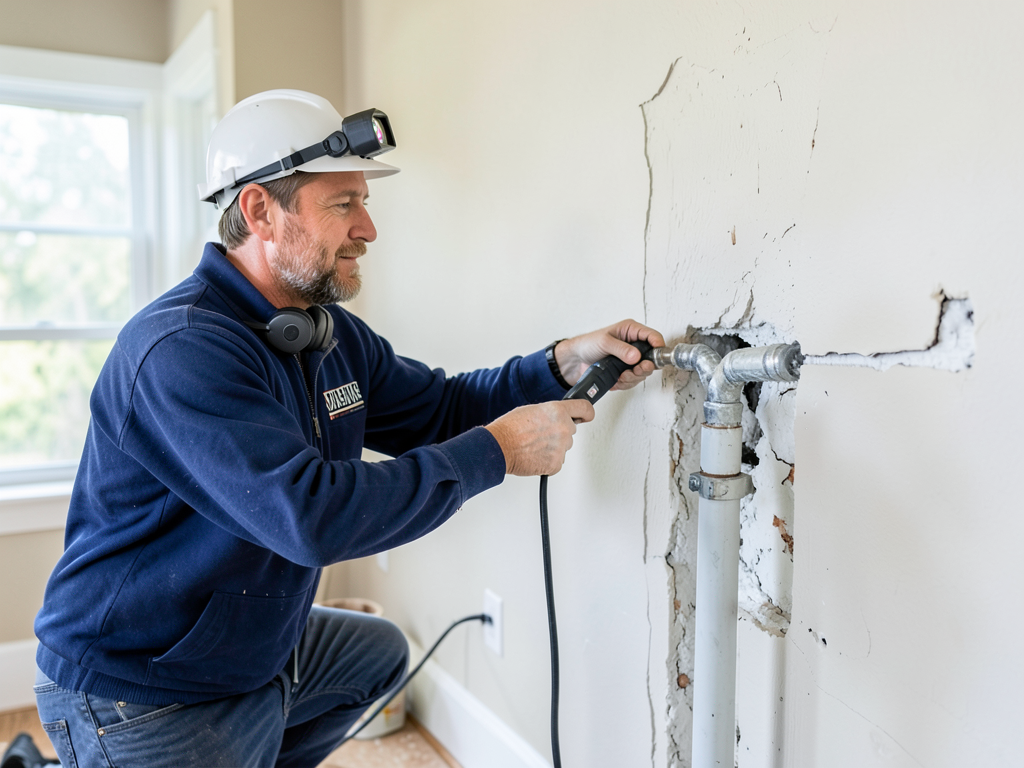
We arrive at your Jacksonville property and begin with a visual inspection of wet areas and a review of your recent water bills. We locate your main shut-off valve and water meter, then perform a meter spin test. If the meter continues registering flow with all fixtures off, we confirm an active underground leak. We map your property's plumbing layout using municipal records and surface evidence to establish a search grid for diagnostic testing.
02

Precision Leak Pinpointing

We deploy acoustic sensors and pressure monitoring equipment across the suspected leak zone. Walking your yard with ground microphones, we listen for the characteristic hissing or gurgling sounds of pressurized water escaping through compromised pipe walls. We mark positive detection points with flags, then cross-reference findings using thermal imaging to confirm subsurface temperature anomalies. This dual-method approach eliminates false positives and ensures we excavate in the correct location on the first attempt.
03

Repair and Restoration

After exposing the damaged pipe section, we evaluate the extent of corrosion or breakage. We replace the compromised section with code-compliant materials suited to Jacksonville's water conditions. We pressure-test the repair to verify integrity before backfilling. We compact soil in layers to prevent future settling, then restore the surface grade. You receive documentation of the repair with photos showing the pipe condition and the completed fix.

Why Jacksonville Properties Need Local Underground Leak Specialists

Underground plumbing failures in Jacksonville require knowledge of local soil mechanics and water table behavior. Our technicians understand how the Floridan Aquifer influences subsurface water movement in this region. This geological knowledge informs our diagnostic approach and prevents misdiagnosis.

Many Jacksonville homes were built during rapid expansion periods in the 1970s and 1980s. Builders used galvanized steel and polybutylene pipes that are now reaching end-of-life. We recognize these legacy materials on sight and know their typical failure patterns. When we find one leak in a galvanized system, we assess the entire line for imminent failures, preventing repeat service calls.

The City of Jacksonville and JEA have specific requirements for water line repairs. We pull permits when required and ensure all work meets Florida Building Code Chapter 6 for plumbing systems. We understand local inspectors' expectations and schedule inspections to keep your project moving without delays.

Jacksonville's high humidity and summer rainfall create unique challenges for excavation and repair work. We time our projects around weather patterns and use proper trench shoring techniques to prevent cave-ins in saturated soil conditions. We also coordinate with JEA for water shut-offs when main line repairs require interrupting service at the meter.

Our service area spans from the Northside to Mandarin, from the Beaches to Westside. We keep response times short because we operate from a central Jacksonville location. We stock repair materials common to this area's plumbing infrastructure, so we complete most repairs in a single visit without waiting on specialty parts.

We also provide documentation that protects you if the leak caused foundation movement. Insurance claims for foundation damage often require proof of the water source. Our diagnostic reports include photos, pressure test results, and detailed descriptions of the pipe failure.

What You Can Expect From Our Underground Leak Service

Rapid Response Scheduling

We prioritize underground leak calls because every hour of delay increases water waste and soil erosion. We offer same-day diagnostic visits for most Jacksonville locations. Our technicians arrive in fully equipped service vehicles with leak detection technology on board. You receive a call 30 minutes before arrival with an accurate time window. Most diagnostic investigations take two to four hours depending on property size and plumbing complexity. Emergency repairs for active flooding situations receive immediate dispatch regardless of time or day.

Comprehensive Diagnostic Assessment

We perform a complete water system evaluation beyond just finding the leak. We test water pressure at multiple points to identify if you have additional problems like failing pressure regulators or partially closed valves. We inspect your meter and backflow preventer for proper operation. We document the condition of visible pipes and connections. You receive a written report detailing what we found, what we recommend for immediate repair, and what requires monitoring. We explain cost factors transparently before beginning any repair work so you make informed decisions.

Quality Repair Execution

We use materials designed for Jacksonville's water chemistry and soil conditions. For main line repairs, we install Type K copper or PEX-A tubing rated for underground burial. We use brass fittings rather than plastic for critical connections. Our excavations are precise and minimally invasive. We hand-dig near existing utilities to prevent damage to electric, gas, or telecom lines. We haul away excavated soil if it is too saturated for proper compaction. We restore your yard surface to match surrounding grade and prevent drainage problems from developing at the repair site.

Post-Repair Verification and Documentation

After completing the repair, we conduct a pressure test to verify the fix holds under operating conditions. We run water through your system and inspect for any secondary leaks that may have been masked by the primary failure. We provide before and after photos showing the pipe damage and the completed repair. We explain signs to watch for that might indicate related problems in other sections of your plumbing. We offer follow-up inspections if you notice any changes in water pressure or new wet spots developing in other areas of your property.

Frequently Asked Questions

You Have Questions,
We Have Answers

Why is there a sudden wet spot in my yard? +

A sudden wet spot often signals a broken water line, leaking irrigation pipe, or sewer lateral failure underground. Jacksonville's sandy soil and clay pockets can shift during heavy rain, cracking pipes. You may also have a failing sprinkler head or valve that leaks continuously. Check your water meter. If it spins when all fixtures are off, you have an active leak. Tree roots are aggressive in this climate and frequently penetrate aging pipes. Do not ignore the problem. Standing water breeds mosquitoes and can undermine your foundation over time.

How to fix wet spots in yard? +

First, identify the source. Turn off all water and check your meter. If it moves, you have a leak requiring professional detection. For surface drainage issues, regrade the area to slope away from structures at one inch per eight feet. Install French drains or catch basins in low spots where water pools. Jacksonville's afternoon thunderstorms dump water fast, so you need proper drainage paths. For broken pipes, excavation and repair are necessary. Amend compacted soil with sand to improve permeability if the issue is purely soil-related, not plumbing.

How to fix water runoff in yard? +

Runoff problems in Jacksonville stem from heavy rainfall overwhelming flat terrain. Install a swale or shallow drainage ditch along the property line to redirect water flow. French drains with perforated pipe and gravel work well for dispersing runoff underground. Extend downspouts at least ten feet from your foundation. Create dry creek beds with river rock to channel water attractively. If water rushes toward your house, build a berm or raised landscape bed to divert flow. Proper grading is critical. The ground must slope away from all structures consistently.

How to fix a muddy spot in yard? +

Muddy spots form when water cannot percolate through compacted or clay-heavy soil. Jacksonville's seasonal rain saturates low areas quickly. First, improve drainage by adding a French drain or dry well to move water away. Aerate the soil and mix in coarse sand to break up clay. Raise the grade with topsoil if the area is naturally low. Plant water-tolerant grass like Bahia or St. Augustine that handles wet conditions. If a broken pipe causes the mud, repair the leak first. Surface fixes will not work if underground water continuously feeds the problem.

How to find a water leak without digging? +

Listen for running water or hissing sounds near exterior walls and the meter. Check your water bill for unexpected spikes. Walk your property early morning when the ground is cool. Leaking water creates warm, soft, or unusually green patches above the pipe. Use acoustic leak detection equipment, which professional plumbers employ to pinpoint underground breaks without digging. Tracer gas injection works well in Jacksonville's sandy soil. Thermal imaging cameras can also reveal temperature differences caused by leaking water. Do not guess. Professional leak detection saves money by preventing unnecessary excavation and landscape damage.

Does homeowners insurance cover main water line leak? +

Coverage depends on your policy and the cause of the leak. Most homeowners insurance covers sudden, accidental breaks but excludes gradual damage from wear, corrosion, or neglect. If your main water line ruptures due to freezing, tree roots, or ground shift, you may have coverage for repairs and resulting property damage. However, many policies exclude the pipe itself and only cover secondary water damage to your home. Jacksonville homeowners should review their policy carefully. Consider adding a service line endorsement if your water line is aging cast iron or galvanized steel.

Why is part of my lawn always wet? +

Persistent wet areas usually indicate poor drainage, a high water table, or an underground leak. Jacksonville sits close to sea level with naturally high groundwater in many neighborhoods. Heavy clay soil layers trap water near the surface. Broken irrigation lines, leaking sewer laterals, or cracked water mains can also feed constant moisture. Nearby septic drain fields sometimes saturate surrounding areas. Check if the wet zone aligns with underground utility paths. Test your sprinkler system for zone valves that fail to close. Chronic wetness damages roots, invites pests, and creates sinkholes.

How much does it cost to fix yard drainage issues? +

Costs vary widely based on the scope of work. Simple regrading and adding surface drains may run a few hundred dollars if you handle the labor. Installing French drains or catch basins typically costs between one thousand and three thousand dollars, depending on length and complexity. Repairing broken water or sewer lines requires excavation and can reach several thousand dollars. Extensive yard drainage systems with multiple components cost more. Jacksonville's sandy soil makes digging easier but requires proper pipe bedding. Get multiple quotes from licensed contractors who understand local soil conditions and drainage codes.

What is the rule of 3 in landscaping? +

The Rule of 3 suggests planting in odd-numbered groups for visual balance and natural appeal. Three plants create a triangle that draws the eye more effectively than even numbers. This principle applies to trees, shrubs, and perennials. It also extends to repeating design elements like colors, textures, or heights throughout your landscape in sets of three for cohesion. In Jacksonville's subtropical climate, grouping plants with similar water and sun needs simplifies maintenance. The rule is a guideline, not law, but it consistently produces pleasing, professional-looking results in residential landscapes.

How to fix a poorly draining yard? +

Start by identifying low spots where water collects. Regrade the yard so all areas slope away from your home at a minimum one-inch drop per eight feet. Install French drains in problem zones using perforated pipe buried in gravel trenches. Add catch basins at low points to collect and redirect water. Aerate compacted soil and mix in sand to improve infiltration. Jacksonville's clay pockets trap water, so breaking them up helps. Extend downspouts far from the foundation. For severe cases, install a dry well or connect drains to the street drainage system where permitted.

How Jacksonville's Soil and Water Table Complicate Underground Leak Detection

Jacksonville sits on a sandy coastal plain with a water table that fluctuates seasonally between two and ten feet below surface. This shallow aquifer means that any underground pipe leak quickly saturates the soil and creates pooling water in yard areas. The sandy substrate drains vertically faster than it drains laterally, so water from a broken pipe often travels sideways along clay lenses before surfacing. This creates soggy patches in lawn that appear far from the actual pipe failure. Effective leak detection here requires understanding this subsurface hydrology to avoid digging in the wrong location and missing the source entirely.

Plumbing contractors operating in Jacksonville must adapt their methods to local conditions that don't exist in drier climates. The high humidity prevents soil from ever drying completely, making visual moisture detection unreliable. Tree root intrusion is aggressive here because roots seek the moisture gradient created by leaking pipes. We see this pattern repeatedly in neighborhoods with mature landscaping. Our familiarity with Jacksonville's infrastructure age and typical pipe materials allows us to anticipate problems before they escalate. Choosing a local specialist means you benefit from this accumulated knowledge rather than paying for a learning curve.
Plumbing Services in The Jacksonville Area

We are proud to serve the entire Jacksonville community and surrounding areas, providing top-tier plumbing services wherever you are. Whether you need an emergency repair or a new installation, our team is always ready to travel to your location. View our service area on the map below and contact us to schedule your service.

Address:
Titan Plumbing Jacksonville, 830 Cassat Ave, Jacksonville, FL, 32205

Additional Services We Offer

Our news updates

Latest Articles & News from The Blogs

Can Installing Low-Flow Fixtures Really Lower Your JEA Bill in Northside? Northside homeowners face some of Jacksonville’s highest per-gallon water…

Can Installing Low-Flow Fixtures Really Lower Your JEA Bill in Northside?

Can Installing Low-Flow Fixtures Really Lower Your JEA Bill in Northside? Northside homeowners face some of Jacksonville’s highest per-gallon water…

How to Safely Thaw an Outdoor Pipe During a Rare Jacksonville Freeze

How to Safely Thaw an Outdoor Pipe During a Rare Jacksonville Freeze When Jacksonville temperatures drop below 32°F, which happens…

How to Safely Thaw an Outdoor Pipe During a Rare Jacksonville Freeze

How to Safely Thaw an Outdoor Pipe During a Rare Jacksonville Freeze When Jacksonville temperatures drop below freezing, even for…

Contact Us

Every day you wait, more water escapes and more soil erodes beneath your Jacksonville property. Call Titan Plumbing Jacksonville at (904) 839-7199 right now for same-day leak detection. We will find it, fix it, and document it so your property stays protected.