




Menu

Benefits of Water Softeners in Jacksonville – Protect Your Home from Hard Water Damage

Discover the advantages of water softening systems that extend appliance life, eliminate scale buildup, and reduce plumbing repairs in Jacksonville's mineral-rich water conditions.

Slider Image 1
Slider Image 2
Slider Image 3
Slider Image 4
Slider Image 5
Slider Image 7
Slider Image 8
Slider Image 9
Slider Image 10
Slider Image 11

How Jacksonville's Water Supply Affects Your Home

You notice the white film on your faucets. Your water heater rumbles. Your showerhead clogs. These are not random problems. Jacksonville's municipal water contains high concentrations of calcium and magnesium, minerals that create what we call hard water.

The St. Johns River basin supplies most of Jacksonville's water. The limestone aquifer beneath the city adds calcium carbonate to every gallon that flows through your pipes. This is not a theory. Test results from JEA regularly show hardness levels between 120 and 180 parts per million. That qualifies as moderately hard to hard water by industry standards.

The advantages of water softening systems become clear when you understand what hard water does. Calcium deposits accumulate inside your pipes, reducing water pressure over time. Scale builds up on heating elements in your water heater, forcing it to work harder and consume more energy. Your dishwasher leaves spots on glasses. Your soap does not lather properly. Your skin feels dry after showers.

These are not cosmetic issues. Hard water shortens the life of every water-using appliance in your home. A water heater that should last 12 years might fail at 7. A dishwasher that could run for a decade might need replacement at 6. The mineral buildup inside pipes can lead to clogs and eventual leaks, particularly in homes built before 1990 in neighborhoods like Riverside and Avondale.

The pros of water softeners directly address Jacksonville's specific water chemistry. By removing calcium and magnesium before they enter your plumbing system, you prevent the cascade of problems hard water causes. The question is not whether Jacksonville has hard water. The question is how long you want to keep replacing appliances and calling plumbers.

How Jacksonville's Water Supply Affects Your Home
How Water Softening Systems Work

How Water Softening Systems Work

A water softener is not a filter. It operates through a process called ion exchange, which replaces calcium and magnesium ions with sodium ions.

The system contains a mineral tank filled with resin beads. These beads carry a negative electrical charge. When hard water enters the tank, the positively charged calcium and magnesium ions attach to the resin beads. Sodium ions, which were holding spots on the beads, release into the water. The water that exits the mineral tank no longer contains the minerals that cause hardness.

Over time, the resin beads become saturated with calcium and magnesium. The system must regenerate. During regeneration, a brine solution from a separate salt tank flushes through the mineral tank. The high concentration of sodium in the brine solution forces the calcium and magnesium off the resin beads. The mineral-laden water drains out. Fresh sodium ions recharge the beads. The system is ready to soften water again.

Modern water softeners regenerate based on water usage, not a fixed schedule. A meter tracks how many gallons you use. When you reach a preset limit, the system regenerates, usually at night when water demand is low. This demand-initiated regeneration saves salt and water compared to older timer-based systems.

The reasons to install a water softener go beyond convenience. Soft water requires less detergent for cleaning. Appliances run more efficiently. Plumbing fixtures last longer. Water heaters heat faster because scale does not insulate the heating element. These are measurable, tangible benefits. Titan Plumbing Jacksonville installs systems sized to your household's specific water usage and hardness level, which matters more than you might think. An undersized system regenerates too often. An oversized system wastes salt and money.

What to Expect During Water Softener Installation

Benefits of Water Softeners in Jacksonville – Protect Your Home from Hard Water Damage
01

Water Testing and Sizing

We test your water hardness using a titration kit that measures total grains per gallon. Jacksonville water varies by neighborhood. San Marco might show different hardness than Mandarin. We also calculate your household's daily water usage based on occupancy and typical consumption patterns. This data determines the grain capacity your softener needs. A family of four using 300 gallons daily with 150 parts per million hardness requires a different system than a couple using 120 gallons with the same hardness level.
02

System Installation and Plumbing

We install the water softener on the main water line after the meter and pressure regulator but before the water heater. This location treats all water entering your home. We plumb a bypass loop so you can isolate the softener for maintenance without shutting off your water supply. We also install a dedicated line for exterior hose bibs. You do not need soft water for irrigation. We connect the brine tank drain line to an appropriate discharge point per Jacksonville building code. The entire installation takes 3 to 5 hours.
03

Programming and Verification

We program the control valve based on your water test results and usage calculations. We set the regeneration frequency, cycle times, and salt dose. We run a manual regeneration to verify all cycles function correctly. We test the softened water using a hardness test strip to confirm the system removes minerals effectively. We explain how to add salt, check salt levels, and recognize when the system needs service. You walk away knowing exactly how your new system operates and what maintenance it requires.

Why Jacksonville Homeowners Choose Titan Plumbing Jacksonville

You need someone who understands how Jacksonville's specific water conditions affect equipment selection. The advantages of soft water systems vary depending on whether your home has copper pipes, PEX, or older galvanized steel plumbing common in Springfield and Ortega.

We account for local factors other companies ignore. Homes near the coast in Neptune Beach and Atlantic Beach sometimes have different mineral profiles due to saltwater intrusion in the aquifer. The solution is not always a standard water softener. Sometimes you need a system that addresses both hardness and chloride content.

Jacksonville's building codes require specific air gaps and backflow prevention on water treatment systems. The Duval County Building Department enforces these rules strictly. We install to code the first time. You do not risk inspection failures or callbacks.

We size systems based on Jacksonville's actual water pressure, which averages 65 to 70 psi in most areas but can drop to 50 psi in some older neighborhoods. Water pressure affects regeneration cycle efficiency. A system designed for 80 psi might not clean resin beads properly at 55 psi.

The hard water treatment benefits you experience depend on correct installation. A water softener installed before a pressure regulator will show inaccurate flow rates. A brine tank placed in direct sunlight will grow algae. A drain line that does not maintain proper pitch will cause backups. These details matter.

We also understand Jacksonville's humidity affects salt storage. Rock salt absorbs moisture and bridges, creating air pockets that prevent proper brine formation. We recommend solar salt pellets or potassium chloride for Jacksonville's climate. These alternatives resist humidity better than rock salt.

Titan Plumbing Jacksonville has installed water softeners in Jacksonville since 2015. We know which brands handle the city's water chemistry best. We know which systems fail prematurely. We know what works.

What Happens After You Call

Response Time and Scheduling

We answer calls during business hours and return after-hours messages the next morning. Water softener installation is not an emergency service, but we understand you want the problem resolved quickly. We typically schedule consultations within 2 to 3 business days. Installation follows within a week of your approval, depending on equipment availability. Some manufacturers stock locally. Others require 3 to 5 day shipping. We give you accurate timelines upfront. We do not promise same-day installation for water softeners because proper sizing and equipment selection take time. Rushed installations lead to problems.

In-Home Water Analysis

We bring a water testing kit to your home. The test takes 10 minutes. We check hardness, iron content, pH, and total dissolved solids. We inspect your existing plumbing to identify the best installation location. We measure the space where the softener and brine tank will sit. We verify your electrical setup if the location requires a power outlet. We discuss your household's water usage patterns. Do you run multiple showers simultaneously in the morning? Do you do laundry daily? These factors affect system sizing. We provide a written quote before leaving. The quote includes equipment, installation labor, and any necessary plumbing modifications.

Installation Quality and Testing

We install to manufacturer specifications and Jacksonville building codes. We use brass fittings, not plastic, on water connections. We secure the system properly so regeneration cycles do not cause vibration noise. We test for leaks at every connection point. We verify proper drainage during the regeneration cycle. We test your water after installation to confirm hardness reduction. You should see hardness drop from 120 to 180 parts per million down to 0 to 3 parts per million. If the test shows higher numbers, we adjust the system settings until it performs correctly. We do not leave until the system works as designed.

Ongoing Maintenance and Support

Water softeners require minimal maintenance. You add salt when the brine tank runs low, usually every 4 to 8 weeks depending on water usage. You should clean the brine tank annually to remove sediment buildup. We recommend professional service every 3 to 5 years to clean the resin bed and inspect the control valve. Most manufacturers provide parts warranties ranging from 1 to 10 years depending on the component. The resin tank typically carries a 10-year warranty. The control valve usually has a 5-year warranty. We handle warranty claims directly with manufacturers. You call us, not a 1-800 number. We also stock common replacement parts for the systems we install.

Frequently Asked Questions

You Have Questions,
We Have Answers

What are the advantages of having a water softener? +

Water softeners remove calcium and magnesium that cause scale buildup in your pipes, water heater, and appliances. You will see fewer water spots on dishes and shower doors. Your soap and detergent work better, so you use less. Clothes feel softer and last longer. Your skin and hair feel smoother after showering. In Jacksonville, where hard water is common due to limestone aquifers, a softener extends the life of your plumbing system and reduces energy costs because your water heater runs more efficiently without scale coating the heating elements.

What are the downsides of water softener? +

Water softeners add sodium to your water through the ion exchange process. If you are on a low-sodium diet, this may be a concern. The system requires regular salt refills and occasional maintenance. Softened water can feel slippery on your skin, which some people dislike. The regeneration cycle uses extra water and sends brine discharge into your drain system. Installation costs range from several hundred to a few thousand dollars depending on system size. You may need a bypass for outdoor hoses since softened water is not ideal for lawns or gardens.

Are water softeners better for your health? +

Water softeners do not improve health directly. They remove minerals like calcium and magnesium, which are actually beneficial for your body. The sodium added during softening is minimal for most people but can be a concern if you have hypertension or kidney issues. Softened water may reduce skin irritation for people with eczema or sensitive skin because soap rinses away more completely. Hard water is safe to drink and provides trace minerals. If health is your primary concern, consider a reverse osmosis system at your drinking tap while softening water for household use.

What are the signs that you need a water softener? +

You will notice white chalky buildup around faucets and showerheads. Your dishes have spots even after washing. Soap does not lather well, and you need more shampoo or detergent. Your skin feels dry and itchy after showering. Clothes look dingy and feel stiff after washing. You hear popping or rumbling sounds from your water heater caused by scale buildup. Water pressure drops because mineral deposits narrow your pipes. In Jacksonville, many homes near the St. Johns River or pulling from limestone aquifers show these symptoms quickly. A water test confirms hardness levels.

Is it healthier to drink hard or soft water? +

Hard water is healthier to drink. It contains calcium and magnesium, which support bone health and cardiovascular function. Soft water has these minerals removed and sodium added. The sodium content in softened water is low, but it adds to your daily intake. For cooking and drinking, hard water is the better choice. Many homeowners soften water for household use but install a bypass line or separate tap for drinking water. Jacksonville tap water is moderately hard, providing beneficial minerals. You can soften water for your appliances and plumbing while keeping hard water at the kitchen sink.

Do water softeners make your water bill go up? +

Water softeners increase your water bill slightly. The system uses water during the regeneration cycle to flush salt through the resin tank. This happens every few days depending on your usage and hardness level. You might use 25 to 65 gallons per regeneration. However, you save money in other areas. Your water heater runs more efficiently without scale, lowering energy costs. You use less soap, shampoo, and detergent. Your appliances last longer. In Jacksonville, where hard water wears on systems quickly, the long-term savings offset the small water usage increase.

Why do people not like water softeners? +

Some people dislike the slippery feel of softened water on their skin. It takes time to adjust to how soap rinses away more completely. Others object to the sodium added to their water, even though the amount is small. Regular salt refills and maintenance feel like extra work. The upfront installation cost deters homeowners. Environmental concerns exist because brine discharge enters the wastewater system. In areas with strict water regulations, softeners face scrutiny. People who grew up with hard water may not see the problem until scale damages their plumbing or appliances.

Can you brush your teeth with softened water? +

Yes, you can brush your teeth with softened water. It is safe and poses no health risks for oral hygiene. The sodium content is too low to cause problems. Some people prefer the taste of hard water, so they may notice a difference. If taste bothers you, install a bypass tap at your bathroom sink for drinking and brushing. Softened water actually helps toothpaste lather better. In Jacksonville, where municipal water is treated and safe, softening does not change its safety. Your dentist cares more about fluoride content than hardness levels.

Why are water softeners being banned? +

Water softeners face restrictions in some areas, not outright bans. California and Texas have regulations due to environmental concerns about salt discharge into wastewater systems and aquifers. High sodium levels in treated wastewater can harm plants when used for irrigation. Some municipalities limit regeneration cycles or require high-efficiency models. Jacksonville does not ban water softeners, but regulations may apply to discharge. Alternative systems like salt-free conditioners or reverse osmosis exist where restrictions are strict. Always check local codes before installation. Most bans target older, inefficient models, not modern systems.

What are two disadvantages of soft water? +

Softened water adds sodium to your diet through the ion exchange process. While the amount is small, it matters for people on sodium-restricted diets. Second, soft water removes beneficial minerals like calcium and magnesium that support bone and heart health. You lose these trace nutrients in your drinking water. The slippery feel of softened water can be unpleasant for some people. It may also require an adjustment period for your skin and hair care routine. Installing a bypass for your kitchen tap solves the drinking water concern while keeping the plumbing benefits.

Why Jacksonville's Limestone Aquifer Makes Water Softeners Essential

The Floridan Aquifer sits beneath Jacksonville, one of the largest and most productive aquifers in the world. This limestone formation naturally dissolves into the water supply as groundwater moves through it. The result is consistently hard water across Jacksonville, from Southside to Northside, from Beaches to Westside. The advantages of water softening systems are not optional luxuries in this city. They are practical responses to geological reality. Your plumbing system battles calcium deposits daily. Your water heater accumulates scale monthly. Your appliances wear down faster than they should. Water softeners address the root cause of these problems by removing minerals before they enter your home's plumbing system.

Jacksonville's plumbing companies understand local water conditions differently than national chains. We see the same problems repeatedly in specific neighborhoods. Homes in Riverside built in the 1920s have different plumbing challenges than new construction in Nocatee. Older galvanized pipes accumulate scale faster than copper. PEX resists scale buildup better than both. Local knowledge matters when selecting and sizing water treatment equipment. Titan Plumbing Jacksonville works exclusively in the Jacksonville metro area. We install systems based on what works here, not what works in Tampa or Orlando. Water chemistry varies by region. Equipment must match local conditions.
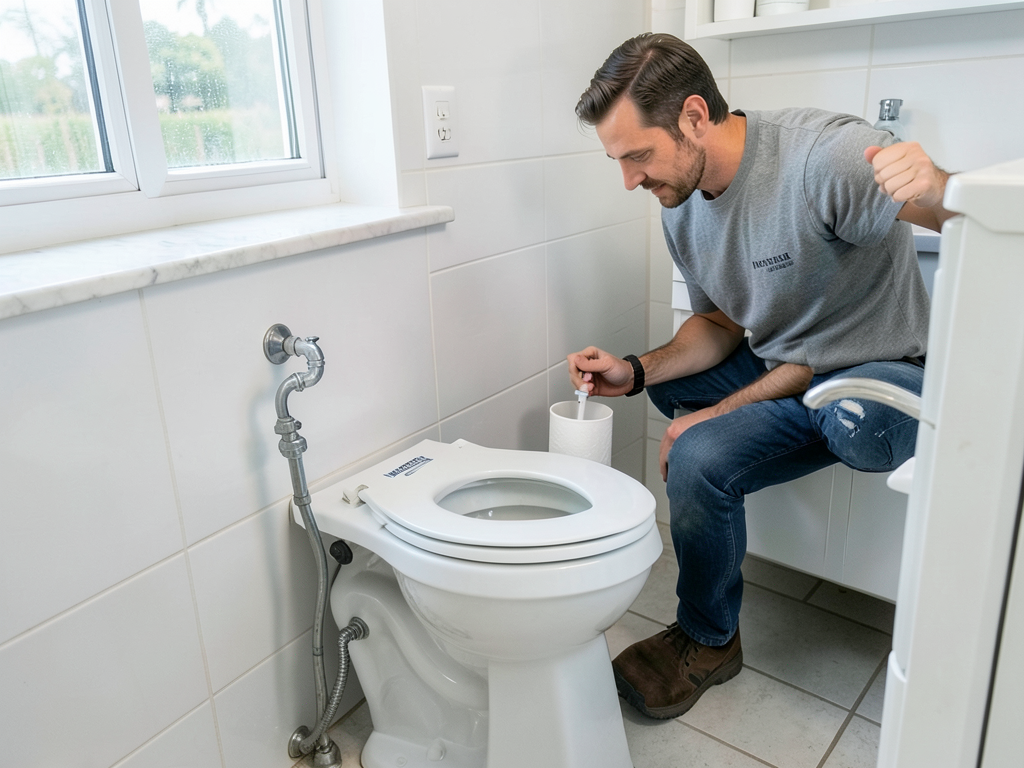
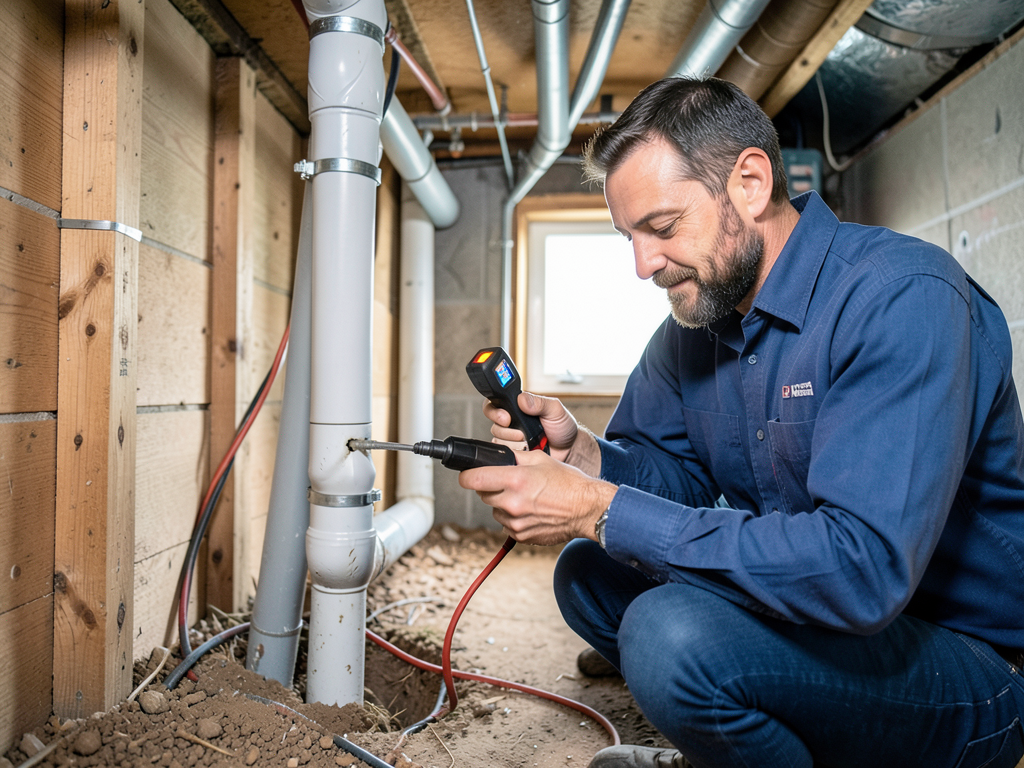
Plumbing Services in The Jacksonville Area

We are proud to serve the entire Jacksonville community and surrounding areas, providing top-tier plumbing services wherever you are. Whether you need an emergency repair or a new installation, our team is always ready to travel to your location. View our service area on the map below and contact us to schedule your service.

Address:
Titan Plumbing Jacksonville, 830 Cassat Ave, Jacksonville, FL, 32205

Additional Services We Offer

Our news updates

Latest Articles & News from The Blogs

Can Installing Low-Flow Fixtures Really Lower Your JEA Bill in Northside? Northside homeowners face some of Jacksonville’s highest per-gallon water…

Can Installing Low-Flow Fixtures Really Lower Your JEA Bill in Northside?

Can Installing Low-Flow Fixtures Really Lower Your JEA Bill in Northside? Northside homeowners face some of Jacksonville’s highest per-gallon water…

How to Safely Thaw an Outdoor Pipe During a Rare Jacksonville Freeze

How to Safely Thaw an Outdoor Pipe During a Rare Jacksonville Freeze When Jacksonville temperatures drop below 32°F, which happens…

How to Safely Thaw an Outdoor Pipe During a Rare Jacksonville Freeze

How to Safely Thaw an Outdoor Pipe During a Rare Jacksonville Freeze When Jacksonville temperatures drop below freezing, even for…

Contact Us

Call Titan Plumbing Jacksonville at (904) 839-7199 to schedule your free water analysis. We test your water, explain your options, and provide transparent pricing. Stop replacing appliances early. Stop scrubbing white deposits. Get soft water.