



Menu

High Water Bills in Jacksonville – We Find the Hidden Leak and Stop the Waste

Is your water bill out of control for no obvious reason? High water bills in Jacksonville usually mean a hidden leak somewhere in your system, and finding it fast protects your wallet and your property.

Slider Image 1
Slider Image 2
Slider Image 3
Slider Image 4
Slider Image 5
Slider Image 7
Slider Image 8
Slider Image 9
Slider Image 10
Slider Image 11

Why Your Water Bill Just Doubled and What It Means

You open your utility bill and freeze. The water charge is double, triple, maybe quadruple what it should be. You have not changed your habits. No extra showers. No lawn watering marathons. Yet the meter keeps spinning and the charges keep climbing.

A sudden spike in water bill almost always traces back to a leak you cannot see. In Jacksonville, the combination of shifting sandy soils and aging underground infrastructure creates the perfect environment for pinhole leaks in slab lines, corroded galvanized pipes under foundations, and failing toilet flappers that silently dump thousands of gallons per day. The city's aggressive water treatment chemistry accelerates corrosion in older copper and galvanized systems, especially in neighborhoods built before 1990.

An unexplained high water bill is not a billing error. It is a symptom. Somewhere in your system, water is escaping. A single running toilet can waste 200 gallons per day. A pinhole leak in a slab line can push 500 gallons into the ground before you notice the soggy spot in the yard. A faulty pressure regulator can spike line pressure and cause excessive water usage through fixtures that were never designed for 90 psi.

Jacksonville homeowners dealing with a skyrocketing water bill need to act quickly. Water damage compounds daily. What starts as wasted water turns into foundation undermining, mold growth, and structural rot. The longer you wait, the more expensive the fix. An unexpected water bill increase demands immediate leak detection and repair.

Why Your Water Bill Just Doubled and What It Means
How We Track Down the Source and Stop the Bleed

How We Track Down the Source and Stop the Bleed

Finding the leak is the hard part. Most high water bill situations involve leaks that leave no visible trace. No puddles. No drips. Just a meter that will not stop running. We use a systematic approach that eliminates guesswork.

First, we verify the leak exists. We shut off every fixture and appliance in the home, then check the meter. If the flow indicator is still spinning, water is escaping somewhere between the meter and the end of your system. We isolate zones. Outdoor irrigation. Interior fixtures. Slab lines. Hot versus cold. This narrows the search field.

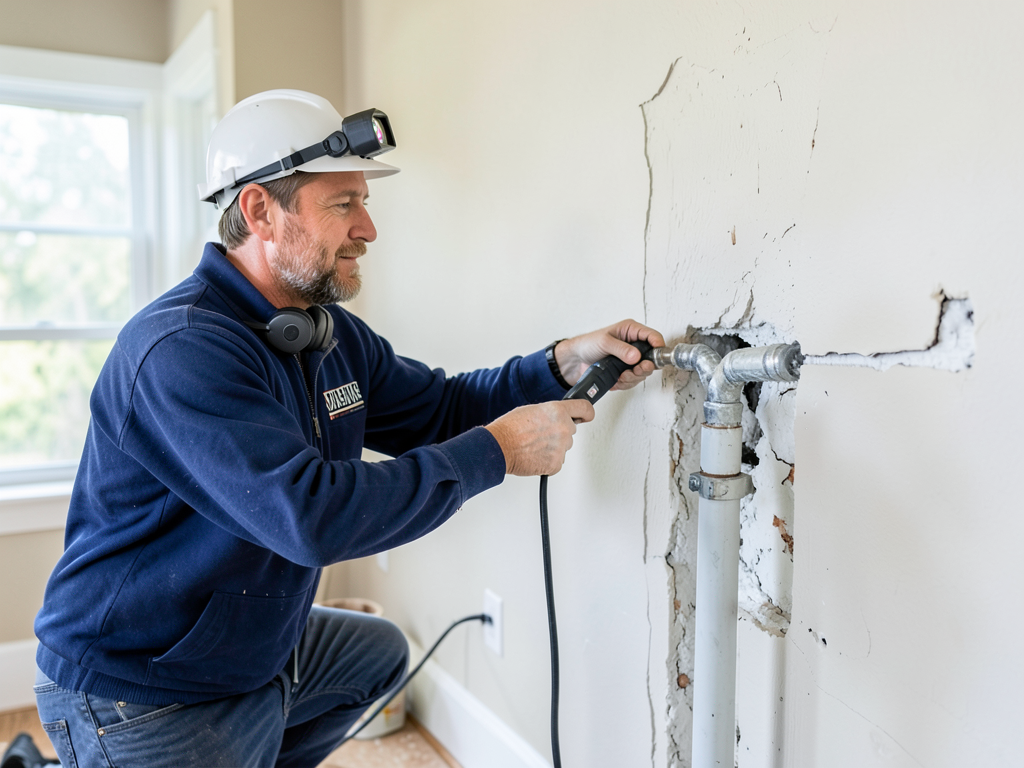
Next, we deploy acoustic leak detection equipment. High-frequency microphones pick up the sound signature of pressurized water escaping through pipe walls or fittings. On slab foundations common throughout Jacksonville's Riverside, Avondale, and Mandarin neighborhoods, we use electronic amplification to listen through concrete. The leak creates a distinct resonance. We triangulate the position and mark the exact spot.

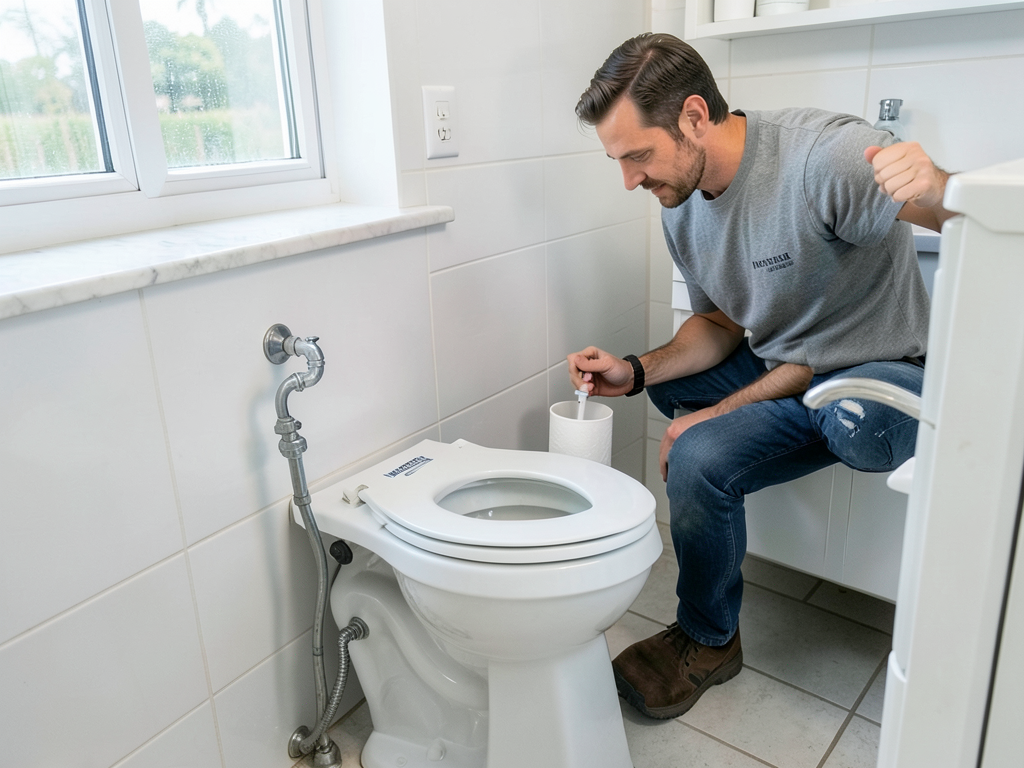
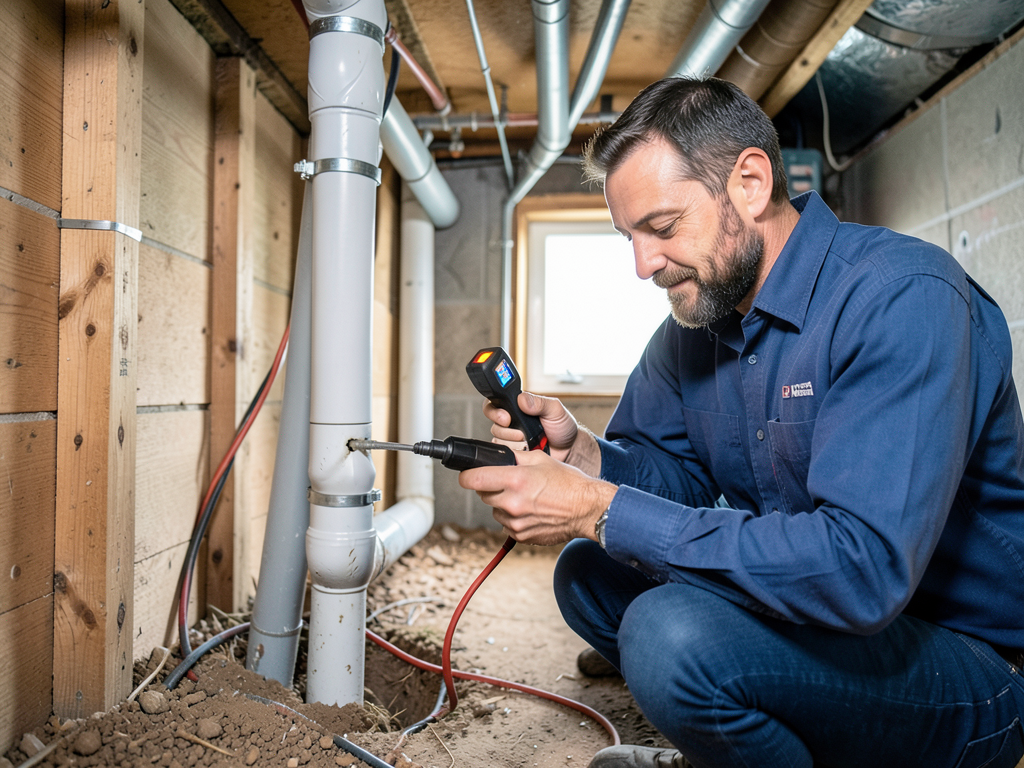
For toilet leaks, we use dye tablets. A leaking flapper will pull colored water into the bowl within 15 minutes, no flushing required. For underground service line leaks between the meter and the house, we sometimes inject tracer gas and use detection wands to follow the plume to the breach point.

Once located, we execute the repair with minimal disruption. Slab leaks get rerouted through the attic when possible, avoiding the cost and mess of foundation breaking. Toilet components get replaced with commercial-grade parts rated for high-cycle use. Pressure regulators get dialed to the correct 60-70 psi range to prevent future fixture damage.

What Happens When You Call About High Water Bills

High Water Bills in Jacksonville – We Find the Hidden Leak and Stop the Waste
01

Immediate Meter Verification

We walk you through a simple meter test over the phone. Turn off every water-using device, then check if the flow indicator on your meter is moving. If it spins with everything off, you have active water loss. This confirms the problem and justifies an emergency service call. We schedule same-day or next-day dispatch based on the severity and your meter reading rate.
02

Precision Leak Detection

Our technician arrives with acoustic detection equipment, pressure testing tools, and thermal imaging cameras. We systematically isolate each branch of your plumbing system, listening for the acoustic signature of escaping water. Slab leaks, hidden wall leaks, and underground service line failures each produce distinct sounds. We mark the exact location before any demolition or excavation occurs, minimizing damage and cost.
03

Targeted Repair and Confirmation

We repair only what needs fixing. Slab leaks get rerouted or spot-repaired depending on access and pipe condition. Fixture leaks get rebuilt with high-quality components. After the repair, we verify the fix by monitoring your meter for 20 minutes with all fixtures off. The flow indicator should be completely still. You walk away knowing the bleed has stopped and your next bill will return to normal.

Why Jacksonville Homeowners Choose Local Leak Detection Experts

High water bills require local knowledge. Plumbing systems fail in predictable patterns based on soil composition, water chemistry, and construction methods common to specific regions. Jacksonville's unique challenges require technicians who understand the local environment.

The city sits on sandy, poorly compacted soils that shift with seasonal water table fluctuations. This movement stresses rigid underground piping, especially older galvanized and cast iron lines installed before flexible PEX became standard. Homes in Ortega, San Marco, and Springfield built in the 1950s and 1960s are particularly vulnerable to slab leaks caused by soil subsidence and pipe corrosion.

Jacksonville's municipal water supply is treated with chloramines, a disinfection method that extends the chemical's reach into the distribution system. Chloramines are more stable than chlorine, but they also accelerate the breakdown of rubber gaskets, toilet flappers, and washing machine hoses. Homeowners often face mysterious leaks in fixtures that appear fine on the surface but are failing internally due to chemical degradation.

Titan Plumbing Jacksonville trains specifically on these local failure modes. We know which neighborhoods have cast iron under the slab and which have copper. We know the pressure zones where regulators fail most often. We know the tells that distinguish a slab leak from a toilet leak from a service line failure.

When you call a national chain or an out-of-area contractor, you get generic troubleshooting. When you call a local team that has worked thousands of high water bill cases across Duval County, you get targeted diagnosis and a faster fix. Time is money when your meter is running nonstop.

What to Expect When We Investigate Your High Water Bill

Rapid Response and Same-Day Service

High water bills represent active water loss, and every day you wait adds to the financial damage. We prioritize these calls. Most leak detection appointments happen within 24 hours of your call. If your meter is spinning fast and you have visible foundation cracks or soft spots in the yard, we treat it as an emergency and dispatch immediately. Our trucks carry acoustic detection equipment, so we arrive ready to diagnose, not just inspect.

Thorough System Evaluation and Testing

We do not guess. We test. Our technician starts by isolating your system into zones: indoor fixtures, outdoor irrigation, hot water lines, cold water lines. We pressurize each zone independently and monitor for drops. Acoustic equipment picks up leaks hidden behind walls, under slabs, and underground. Thermal imaging reveals temperature anomalies caused by water migrating through building materials. By the time we finish, we know exactly where your water is going.

Minimally Invasive Repairs

Once we locate the leak, we choose the least destructive repair method. Slab leaks often get rerouted through attic spaces, avoiding the cost and mess of breaking concrete. Underground service line leaks can sometimes be accessed through small excavations rather than trenching your entire yard. Fixture leaks get rebuilt with commercial-grade components that outlast the original parts. You get a permanent fix without unnecessary demolition.

Post-Repair Monitoring and Guidance

After the repair, we verify the fix by monitoring your meter with all fixtures off. The flow indicator should be completely still. We also walk you through how to check your own meter weekly, so you catch future problems early. If your bill does not drop after the repair, we come back and recheck the system at no additional diagnostic charge. You should see normal usage levels within one billing cycle.

Frequently Asked Questions

You Have Questions,
We Have Answers

What runs your water bill up the most? +

Toilets use the most water in most homes, followed by washing machines and showers. A running toilet wastes up to 200 gallons per day. In Jacksonville, irrigation systems for lawns spike bills during hot months, especially if you have outdated sprinkler timers or broken zones. Leaky faucets and hidden slab leaks also add up fast. Check your toilet flapper valve first. Drop food coloring in the tank. If it seeps into the bowl without flushing, you have a leak. Fix it immediately. Outdoor hose bibs left dripping waste hundreds of gallons monthly.

What can cause a really high water bill? +

Hidden leaks cause most spikes. A slab leak under your foundation can waste thousands of gallons before you notice. Running toilets, dripping faucets, and faulty irrigation valves are common culprits. In Jacksonville, older homes near San Marco or Riverside often have galvanized pipes that corrode and leak inside walls. Seasonal irrigation overuse during dry spells also drives bills up. Check your meter reading before bed, then again in the morning without using water. If it moves, you have a leak. Act fast to avoid damage and waste.

How can I detect hidden water leaks? +

Turn off all water inside and outside your home. Check your water meter. If the dial or flow indicator moves, you have a leak. Look for wet spots on ceilings, walls, or floors. Listen for hissing sounds near toilets or under sinks. In Jacksonville, check your irrigation system for broken sprinkler heads or valve leaks, especially after heavy rain softens clay soil and shifts pipes. Inspect your water heater for pooling water. Use a moisture meter on drywall if you suspect hidden damage. Call a plumber if you cannot locate the source.

How much should a normal water bill be per month? +

In Jacksonville, the average single-family home uses 5,000 to 7,000 gallons per month. JEA bills around 40 to 80 dollars monthly for typical households without irrigation. Add lawn watering, and bills jump to 100 to 150 dollars in summer. Your bill depends on household size, fixture efficiency, and outdoor use. Track your usage through your JEA account online. Compare month over month. A sudden spike means a leak or behavioral change. Efficient toilets, showerheads, and washing machines lower bills significantly. Fix leaks immediately to stay in normal range.

Why did my water bill go up $300? +

A 300 dollar spike signals a serious leak. Check for a running toilet, broken irrigation line, or slab leak under your foundation. In Jacksonville, underground pipe bursts happen when clay soil shifts during dry spells or heavy rain. A single slab leak wastes 10,000 gallons in days. Check your meter for movement when no water is running. Inspect your yard for soggy spots or unusually green grass patches. Review JEA usage data online to pinpoint when the spike started. Call a licensed plumber immediately to locate and repair the leak before structural damage occurs.

How do you tell if you have a water leak? +

Check your water meter. Turn off all faucets, appliances, and irrigation. Watch the meter dial or flow indicator for 15 minutes. If it moves, you have a leak. Listen for running water sounds near toilets, under sinks, or in walls. Look for wet spots, discoloration, or peeling paint on ceilings and walls. In Jacksonville, check outdoor hose bibs and irrigation valves for drips. Feel hot spots on floors, which indicate slab leaks. Smell for mildew or musty odors. If you notice any signs, call a plumber to prevent costly water damage.

What uses the most water in a house? +

Toilets use the most water, accounting for 30 percent of indoor consumption. A standard toilet uses 1.6 gallons per flush. Older models waste up to 7 gallons. Showers and washing machines follow. A 10-minute shower uses 25 gallons. Front-load washers use 15 gallons per load, while top-loaders use 40. In Jacksonville, outdoor irrigation dominates summer bills, using thousands of gallons weekly on St. Augustine grass. Upgrade to low-flow toilets and showerheads to cut usage. Fix leaks immediately. Small drips add up to hundreds of gallons monthly.

Is it cheaper to shower or bathe? +

Showers use less water if you keep them under 10 minutes. A standard showerhead flows 2.5 gallons per minute. A 10-minute shower uses 25 gallons. A full bathtub holds 35 to 50 gallons. Low-flow showerheads cut usage to 1.5 gallons per minute, saving thousands of gallons yearly. In Jacksonville, shorter showers also reduce water heater energy costs, which matter during hot, humid months when AC already strains your budget. Install a timer in your bathroom. Aim for five to seven minutes. You will see the difference on your next bill.

Does AC affect water bills? +

No. AC does not directly affect your water bill. Air conditioners use electricity, not water. However, evaporative coolers, common in dry climates, do use water. Jacksonville homes rely on refrigerant-based AC systems that produce condensate drainage, but that water is not metered. If your water bill spikes during summer, check your irrigation system, not your AC. Broken sprinkler valves or forgotten hoses running during heat waves cause high bills. Review your outdoor water use first. If you still cannot find the cause, call a plumber to inspect for hidden leaks.

Does insurance cover water leak damage? +

It depends on your policy and the cause. Homeowners insurance typically covers sudden, accidental leaks, like burst pipes or appliance failures. Gradual leaks from neglect, wear, or lack of maintenance are usually excluded. In Jacksonville, slab leaks and pipe corrosion often fall into the gray area. Insurers may cover resulting damage but not the pipe repair itself. Review your policy closely. Document all damage with photos. File claims immediately. If your insurer denies coverage, dispute it with evidence. Always fix leaks fast to prevent mold and structural damage, which complicate claims.

How Jacksonville's Water Chemistry and Soil Conditions Drive Hidden Leaks

Jacksonville's municipal water treatment relies on chloramines rather than free chlorine. Chloramines provide longer-lasting disinfection across the city's sprawling distribution network, but they degrade elastomeric seals and gaskets faster than chlorine-based systems. Toilet flappers, fill valves, and washing machine hoses break down internally, causing leaks that produce no visible drips but waste thousands of gallons per month. Combine this with the city's sandy, poorly compacted soils that shift with seasonal rainfall and water table changes, and you get frequent stress fractures in rigid underground piping. Homes built on slab foundations in the 1960s and 1970s are especially vulnerable.

Titan Plumbing Jacksonville has worked high water bill cases in every ZIP code across Duval County. We understand the specific failure patterns in neighborhoods like Riverside, where cast iron slab lines corrode from the inside out, and Mandarin, where expansive clay pockets cause differential settling that cracks copper service lines. We know which pressure zones tend to spike above 80 psi and damage fixtures. Local expertise means faster diagnosis, fewer exploratory cuts, and repairs that account for the environmental factors that caused the failure in the first place.
Plumbing Services in The Jacksonville Area

We are proud to serve the entire Jacksonville community and surrounding areas, providing top-tier plumbing services wherever you are. Whether you need an emergency repair or a new installation, our team is always ready to travel to your location. View our service area on the map below and contact us to schedule your service.

Address:
Titan Plumbing Jacksonville, 830 Cassat Ave, Jacksonville, FL, 32205

Additional Services We Offer

Our news updates

Latest Articles & News from The Blogs

Can Installing Low-Flow Fixtures Really Lower Your JEA Bill in Northside? Northside homeowners face some of Jacksonville’s highest per-gallon water…

Can Installing Low-Flow Fixtures Really Lower Your JEA Bill in Northside?

Can Installing Low-Flow Fixtures Really Lower Your JEA Bill in Northside? Northside homeowners face some of Jacksonville’s highest per-gallon water…

How to Safely Thaw an Outdoor Pipe During a Rare Jacksonville Freeze

How to Safely Thaw an Outdoor Pipe During a Rare Jacksonville Freeze When Jacksonville temperatures drop below 32°F, which happens…

How to Safely Thaw an Outdoor Pipe During a Rare Jacksonville Freeze

How to Safely Thaw an Outdoor Pipe During a Rare Jacksonville Freeze When Jacksonville temperatures drop below freezing, even for…

Contact Us

Every day you wait, your bill climbs higher. Call Titan Plumbing Jacksonville at (904) 839-7199 for same-day leak detection. We find the problem, fix it right, and verify the repair with meter testing before we leave.