




Menu

Water Conservation Tips in Jacksonville – Cut Your Water Bill in Half While Protecting Our Aquifer

Learn proven water saving techniques that work specifically for Jacksonville homes and businesses, from fixture upgrades to pressure adjustments that reduce water consumption without sacrificing performance or comfort.

Slider Image 1
Slider Image 2
Slider Image 3
Slider Image 4
Slider Image 5
Slider Image 7
Slider Image 8
Slider Image 9
Slider Image 10
Slider Image 11

Why Jacksonville Residents Face Higher Water Bills Than They Should

Jacksonville homeowners waste an average of 30 gallons of water per day without realizing it. The issue stems from our region's unique water profile and common household behaviors that drain both the Floridan Aquifer and your wallet.

Our city sits atop one of the world's most productive aquifers, but that abundance creates complacency. High humidity year-round masks indoor leaks. Older homes in neighborhoods like Riverside and Avondale still run original fixtures from the 1940s that use three times more water than modern alternatives. The sandy soil drains quickly, tempting residents to overwater lawns even during Florida's rainy season from June through September.

JEA reports that the average Jacksonville household uses 5,000 gallons monthly. Compare that to the EPA's recommended 3,000 gallons for a family of four. The gap represents pure waste, most of it preventable through simple water efficiency strategies.

Leaking toilets account for 25% of indoor water use in homes over 15 years old. A running toilet wastes up to 200 gallons daily. Showerheads installed before 1994 flow at 5 gallons per minute versus today's efficient 2 gallons per minute standard. Even minor faucet drips add up, a single dripping tap wastes 3,000 gallons yearly.

Ways to save water at home start with understanding where water goes. Kitchen and bathroom fixtures consume 70% of indoor water. Outdoor irrigation uses the remaining 30%, often inefficiently. Jacksonville's climate requires minimal lawn watering from October through May, yet sprinkler systems run on autopilot regardless of rainfall.

You can reduce water consumption immediately through targeted upgrades and behavioral changes that pay for themselves within months.

Why Jacksonville Residents Face Higher Water Bills Than They Should
How Professional Water Audits Identify Hidden Waste

How Professional Water Audits Identify Hidden Waste

Effective water saving techniques begin with measurement, not guesswork. Titan Plumbing Jacksonville performs comprehensive water audits that pinpoint exactly where your gallons disappear and what fixes deliver the highest return.

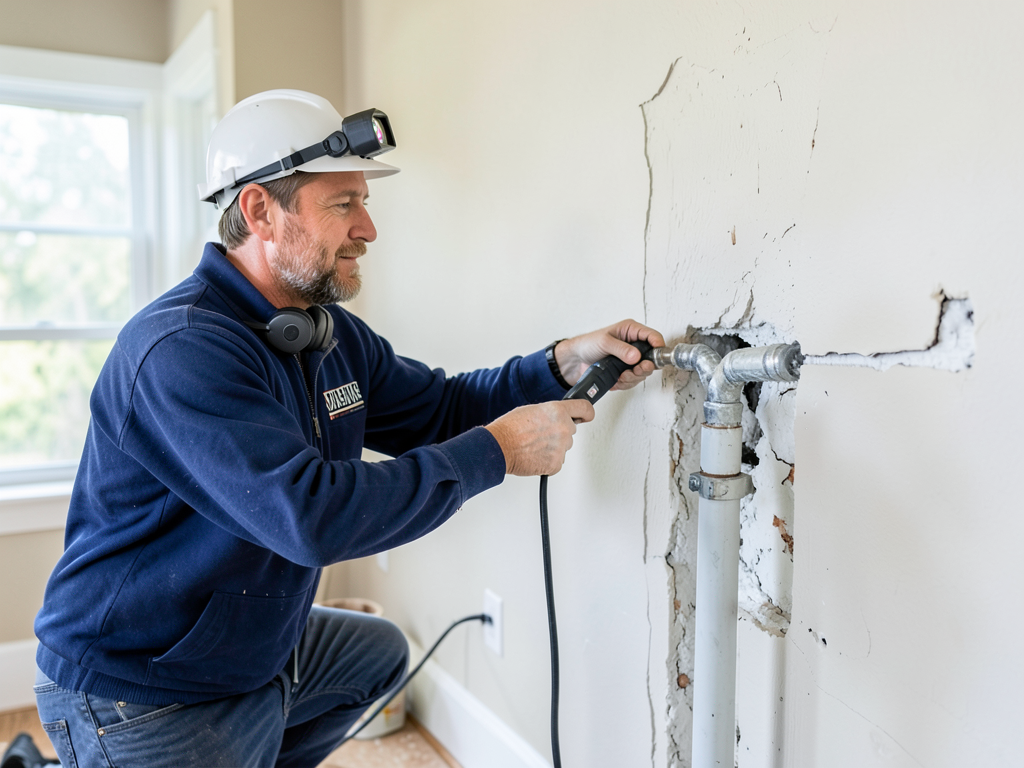
We start by reading your water meter, then shut off all fixtures and appliances. If the meter still moves, you have a leak somewhere in the system. This baseline test catches hidden slab leaks or underground line breaks that can waste thousands of gallons before you notice.

Next, we test static pressure at multiple points throughout your home. Jacksonville's municipal water pressure ranges from 50 to 80 PSI, but many homes run at 90 to 100 PSI because previous owners installed booster pumps or the supply line sits close to a pumping station. High pressure forces more water through fixtures than necessary and accelerates wear on gaskets, valve seats, and supply lines. Installing a pressure reducing valve brings pressure down to the optimal 50 to 60 PSI range, extending fixture life while cutting flow rates by 30%.

We inspect every fixture for flow rate and condition. Aerators clog with sediment from Jacksonville's limestone aquifer, reducing efficiency and causing uneven spray patterns. Toilet flappers deteriorate in Florida's heat, creating silent leaks that go unnoticed for months. Faucet cartridges wear out, preventing complete shutoff.

The outdoor inspection checks irrigation controllers, sprinkler heads, and hose bibs. Most systems run on timers set years ago and never adjusted for seasonal rainfall. Broken sprinkler heads shoot water onto driveways instead of grass. Hose bibs lack vacuum breakers and backflow prevention, creating code violations and contamination risks.

We compile findings into a prioritized action plan. High-impact fixes come first, like replacing a leaking water heater or fixing a running toilet. Lower-cost upgrades follow, such as swapping aerators or adjusting pressure. You get a roadmap showing projected savings for each improvement.

Your Water Conservation Upgrade Process

Water Conservation Tips in Jacksonville – Cut Your Water Bill in Half While Protecting Our Aquifer
01

Initial Assessment

We test your water meter for baseline consumption and measure static pressure at the main supply and key fixtures. This diagnostic phase identifies active leaks, pressure issues, and fixture inefficiencies specific to your property. You receive a detailed report showing current water use patterns and which areas waste the most gallons. The assessment takes 60 to 90 minutes and provides the data needed to prioritize upgrades based on your budget and savings goals.
02

Fixture Upgrades

We replace outdated fixtures with WaterSense certified alternatives that meet EPA efficiency standards without compromising performance. Toilets drop from 3.5 gallons per flush to 1.28 gallons. Showerheads reduce flow from 5 gallons per minute to 2 gallons while maintaining pressure through aerator technology. Faucet aerators cut kitchen and bathroom sink flow by 30%. We install pressure reducing valves if your home runs above 60 PSI. Each upgrade gets tested to verify proper operation and flow rates before we finish.
03

Ongoing Monitoring

You receive a water tracking sheet to monitor monthly consumption against your baseline. We recommend checking your meter monthly and watching for unexpected spikes that indicate new leaks. Seasonal adjustments to irrigation controllers prevent overwatering during Jacksonville's rainy months. Annual maintenance catches small issues before they become water-wasting problems. Most clients see 40% to 60% reductions in consumption within the first billing cycle, with savings continuing as efficient habits become routine.

Why Jacksonville Property Owners Choose Local Water Conservation Experts

Effective water efficiency strategies require understanding Jacksonville's specific water infrastructure and climate patterns. Titan Plumbing Jacksonville knows how JEA's tiered billing structure works, where rate increases hit hardest, and which conservation measures deliver immediate bill reductions.

We understand local soil conditions. Sandy soil in Southside and Beaches neighborhoods drains fast, requiring different irrigation approaches than clay-heavy areas in Northside. We know that St. Johns River water levels fluctuate seasonally, affecting well users differently than municipal customers. Our recommendations account for whether you draw from the Floridan Aquifer through a private well or receive treated surface water from JEA.

Building codes matter for compliance and resale value. Florida Plumbing Code requires backflow prevention on irrigation systems and hose bibs. Properties built before 2000 often lack these devices. We bring systems up to current code during conservation upgrades, protecting your water supply from contamination and avoiding citation during home sales.

We source fixtures that withstand Florida's water chemistry. Jacksonville's water contains dissolved limestone that creates scale buildup in aerators and valve seats. The fixtures we install use materials resistant to mineral deposits and include removable components for easy cleaning. We avoid chrome finishes that pit in high humidity and opt for corrosion-resistant alternatives.

Our pricing reflects realistic labor for Jacksonville conditions. Homes on pier and beam foundations require crawlspace work. Concrete slab homes need specialized leak detection equipment. We account for these factors upfront rather than surprising you with change orders.

You work with technicians who live in Mandarin, Nocatee, and Arlington. We respond to the same water quality issues you face. When algae blooms affect river intake or aquifer levels drop during dry springs, we adjust recommendations based on current conditions rather than generic national guidelines.

What Water Conservation Services Include

Same-Day Assessments

We schedule water audits within 24 hours of your call. The assessment takes 60 to 90 minutes depending on property size and complexity. You receive a written report before we leave showing current consumption, identified leaks, and prioritized upgrade recommendations. Most fixture replacements happen the same day if you approve the work and we stock the components. Larger projects like pressure reducing valve installations or irrigation controller upgrades get scheduled within the week. We work around your schedule, offering early morning and weekend appointments for minimal disruption.

Comprehensive Water Analysis

The initial evaluation covers every water-using fixture and appliance. We test toilets with dye tablets to reveal silent flapper leaks. We measure shower and faucet flow rates with calibrated gauges. We inspect water heater TPR valves and drain assemblies for drips. We check washing machine supply hoses for bulges and cracks. Outside, we run each irrigation zone and inspect every sprinkler head for proper coverage and broken components. We test hose bibs for backflow devices and check pool autofill valves. You get a complete picture of where water goes and where it gets wasted.

Measurable Results

Conservation upgrades deliver quantifiable savings you can track on your JEA bill. Replacing a running toilet saves 200 gallons daily, roughly 6,000 gallons monthly. Upgrading five outdated faucet aerators cuts sink consumption by 1,500 gallons monthly. Installing a low-flow showerhead saves 2,500 gallons monthly for a family of four. A pressure reducing valve decreases total household consumption by 20% to 30%. We provide projected savings for each upgrade so you can calculate payback periods. Most clients recover their investment within 6 to 18 months through lower water and sewer charges, then enjoy ongoing savings for years.

Maintenance Plans

Water efficiency requires ongoing attention as fixtures age and components wear. We offer annual maintenance agreements that include leak detection checks, aerator cleaning, flapper inspection, and irrigation system adjustment. Spring visits optimize outdoor watering before summer heat arrives. Fall visits dial back irrigation as rainfall increases and temperatures drop. We catch small problems like dripping supply lines or clogged aerators before they escalate into water waste or damage. Maintenance customers get priority scheduling and discounted service rates. The annual checkup pays for itself by preventing the consumption creep that gradually pushes bills back up over time.

Frequently Asked Questions

You Have Questions,
We Have Answers

What are 10 ways to conserve water? +

Start by fixing leaks immediately. A dripping faucet wastes gallons daily in Jacksonville's high-humidity climate. Install low-flow showerheads and faucet aerators. Run dishwashers and washing machines only when full. Turn off taps while brushing teeth or scrubbing dishes. Water your lawn early morning to reduce evaporation in Florida heat. Collect rainwater for plants during Jacksonville's rainy season. Upgrade to WaterSense toilets. Insulate hot water pipes to reduce wait time for warm water. Mulch around plants to retain soil moisture in sandy Jacksonville soil. Monitor your JEA water bill for unusual spikes that signal hidden leaks.

What are the 5 R's of water conservation? +

The 5 R's of water conservation are Reduce, Reuse, Recycle, Replenish, and Rethink. Reduce consumption by shortening showers and fixing leaks. Reuse greywater from sinks for outdoor plants, which thrives in Jacksonville's humid climate. Recycle water by collecting rain during summer storms for irrigation. Replenish aquifers by minimizing runoff and allowing water to soak into the ground, which is critical for Jacksonville's St. Johns River watershed health. Rethink habits like leaving taps running or watering during midday heat. These principles help Jacksonville residents protect local water resources while lowering utility costs.

What are 7 ways to conserve water? +

Fix all dripping faucets and leaking toilets immediately. Install low-flow showerheads to cut usage without sacrificing pressure. Run full loads in dishwashers and washing machines only. Water lawns before 8 a.m. to minimize evaporation in Jacksonville's heat. Turn off taps while brushing teeth or washing dishes. Use mulch around garden beds to retain moisture in sandy Florida soil. Take shorter showers, aiming for five minutes or less. These practical steps reduce water waste and lower your monthly JEA bill, which matters during Jacksonville's hot, dry spring months when outdoor irrigation spikes consumption.

What are 20 ways to save water? +

Install low-flow fixtures throughout your home. Fix leaks in faucets, toilets, and pipes. Run appliances only when full. Take shorter showers. Turn off water while brushing teeth. Water plants early morning. Use rain barrels during Jacksonville's rainy season. Mulch garden beds. Sweep driveways instead of hosing. Wash vehicles with buckets. Install drip irrigation for landscaping. Check for hidden leaks monthly. Insulate pipes. Use dishwashers over hand-washing. Collect shower warm-up water for plants. Install WaterSense toilets. Avoid ornamental water features. Use native Florida plants that need less irrigation. Adjust sprinkler heads to avoid watering pavement. Monitor your water bill for spikes.

What are 100 ways to save water? +

We cannot provide 100 distinct conservation methods in this space, but the core strategies remain consistent. Focus on fixing leaks, upgrading to efficient fixtures, reducing outdoor irrigation, reusing greywater, and monitoring consumption through your JEA account. Jacksonville residents benefit most from addressing irrigation, which accounts for nearly half of household water use during dry months. Install rain sensors on sprinkler systems. Use native landscaping that tolerates Florida's sandy soil and heat. Collect AC condensate for plants. The key is not memorizing 100 tips but implementing the most impactful habits that fit Jacksonville's climate and your household routines.

What are 8 ways to conserve water? +

Fix leaking faucets and running toilets, which waste thousands of gallons yearly. Install low-flow showerheads and WaterSense toilets. Run dishwashers and washing machines only with full loads. Water lawns before 8 a.m. to reduce evaporation in Jacksonville heat. Turn off taps while brushing teeth or soaping dishes. Mulch garden beds to retain moisture in sandy soil. Add rain barrels to collect summer storm runoff for irrigation. Check your JEA water bill monthly for unusual increases that signal hidden leaks. These eight actions deliver measurable savings for Jacksonville households without requiring major lifestyle changes.

How to conserve water in 5 lines? +

Fix all household leaks immediately to prevent water waste. Install low-flow fixtures on showerheads, faucets, and toilets throughout your home. Water outdoor plants early morning to minimize evaporation during Jacksonville's heat. Run dishwashers and washing machines only when completely full. Turn off taps while brushing teeth, washing hands, or scrubbing dishes. These five actions reduce consumption, lower your JEA utility bill, and protect Jacksonville's aquifer and St. Johns River watershed. Small daily changes create significant water savings over time, which matters during Florida's dry spring months when irrigation demand peaks across residential neighborhoods.

How can we reduce and reuse water? +

Reduce water use by fixing leaks, installing efficient fixtures, and cutting shower times. Reuse greywater from sinks, showers, and washing machines for outdoor irrigation, which works well in Jacksonville's plant-friendly climate. Collect AC condensate in buckets for watering plants. Use rainwater harvesting systems during summer storms. Divert rinse water from vegetable washing to garden beds. Install a greywater system that channels laundry water to landscape zones. Avoid pouring usable water down drains. Jacksonville's sandy soil drains quickly, so reusing household water for irrigation reduces reliance on sprinkler systems and lowers your monthly JEA bill while supporting healthy plant growth.

What are 5 ways you can conserve water at home? +

Fix leaking faucets and running toilets, which waste significant water daily. Install low-flow showerheads to reduce consumption without losing pressure. Run dishwashers and washing machines only when full. Water outdoor plants early morning to minimize evaporation in Jacksonville heat. Turn off taps while brushing teeth or washing dishes. These five steps are easy to implement and deliver immediate results. Jacksonville residents can track savings through monthly JEA bills. Addressing indoor leaks and outdoor irrigation habits creates the biggest impact because Florida's climate drives higher water use compared to northern states. Start with these basics before pursuing complex conservation upgrades.

How to save water 30 ways? +

While listing 30 distinct methods exceeds this format, focus on high-impact categories. Indoor: fix leaks, install efficient fixtures, take shorter showers, run full appliance loads, turn off taps when not actively using water. Outdoor: water early morning, use rain barrels, install drip irrigation, mulch beds, choose native Florida plants, adjust sprinkler coverage. Habits: monitor your JEA bill, check for hidden leaks quarterly, insulate pipes, collect AC condensate, sweep instead of hosing. Jacksonville's climate demands special attention to irrigation, which consumes half of household water during dry months. Prioritize actions that address your specific usage patterns.

How Jacksonville's Aquifer Dependence Makes Conservation Critical

Jacksonville draws 100% of its drinking water from the Floridan Aquifer, one of the most productive groundwater sources in North America. This limestone formation supplies 10 million people across Florida, Georgia, South Carolina, and Alabama. JEA pumps 120 million gallons daily from wellfields in Northside and near the St. Johns River. Unlike cities that blend surface water and groundwater, we rely entirely on aquifer sustainability. Recent droughts have dropped water tables and increased saltwater intrusion along the coast. Spring flows at Silver Springs and other natural features have declined as demand outpaces recharge. Every gallon you save at home directly reduces pressure on this shared resource. Water saving techniques benefit not just your household budget but the long-term viability of Jacksonville's water supply.

Local plumbers understand regional water chemistry and infrastructure better than national chains. Jacksonville's aquifer water contains dissolved limestone that creates hardness levels between 120 and 250 parts per million. This mineral content affects which fixtures perform best and how often components need maintenance. We know that homes in Beaches communities face different pressure conditions than properties in suburban Westside. We understand JEA's tiered rate structure where consumption above 6,000 gallons monthly triggers higher per-gallon charges. We work with local inspectors who enforce Florida Plumbing Code requirements specific to backflow prevention and cross-connection control. Choosing a Jacksonville-based plumbing company means working with professionals who navigate these local factors daily.
Plumbing Services in The Jacksonville Area

We are proud to serve the entire Jacksonville community and surrounding areas, providing top-tier plumbing services wherever you are. Whether you need an emergency repair or a new installation, our team is always ready to travel to your location. View our service area on the map below and contact us to schedule your service.

Address:
Titan Plumbing Jacksonville, 830 Cassat Ave, Jacksonville, FL, 32205

Additional Services We Offer

Our news updates

Latest Articles & News from The Blogs

How a Second Water Meter Can Lower Your JEA Bill in Mandarin Living in Mandarin means dealing with Florida’s intense…

How a Second Water Meter Can Lower Your JEA Bill in Mandarin

How a Second Water Meter Can Lower Your JEA Bill in Mandarin Living in Mandarin means dealing with Florida’s intense…

Is a Luxury Steam Shower Right for Your Deerwood Master Bath Remodel?

Is a Luxury Steam Shower Right for Your Deerwood Master Bath Remodel? Installing a luxury steam shower in your Deerwood…

Designing a Dog Wash Station for Your Nocatee Mudroom or Laundry Room

Designing a Dog Wash Station for Your Nocatee Mudroom or Laundry Room Installing a dog wash station in your Nocatee…

Contact Us

Schedule your water conservation audit today and see exactly where your money drains away. Call Titan Plumbing Jacksonville at (904) 839-7199 for same-day assessment and immediate upgrades that slash consumption and protect our aquifer.