




Menu

Gas Leak Detection & Repair in Jacksonville – Certified Technicians Arrive Within 60 Minutes

When you smell gas or suspect a leak, every minute counts. Our gas leak plumbers dispatch immediately to Jacksonville homes and businesses, arriving equipped with electronic detection equipment and the parts to fix gas leaks on the spot, 24/7.

Slider Image 1
Slider Image 2
Slider Image 3
Slider Image 4
Slider Image 5
Slider Image 7
Slider Image 8
Slider Image 9
Slider Image 10
Slider Image 11

Gas Leaks in Jacksonville Don't Wait for Business Hours

You smell rotten eggs. Your gas detector is beeping. Your stomach drops.

Natural gas leaks demand immediate action. In Jacksonville's older neighborhoods like Riverside and Springfield, aging cast iron gas lines corrode faster in our humid coastal climate. Salt air accelerates rust. Underground clay soil shifts during heavy rain events, putting stress on gas pipe connections. A small leak today becomes a dangerous buildup tomorrow.

Gas is lighter than air. It rises into attics and second floors. It pools in crawl spaces. A single spark from a light switch or appliance ignition can trigger an explosion. Carbon monoxide from incomplete combustion is odorless and deadly.

You did the right thing by recognizing the warning signs. Sulfur smell near appliances. Dead vegetation over buried lines. Hissing sounds near your meter or water heater. Higher than normal gas bills.

Now you need emergency gas line repair from a qualified gas leak plumber who understands Jacksonville's infrastructure. Our technicians carry electronic gas detectors calibrated to detect concentrations as low as 5 parts per million. We pressure test every section of line. We know the difference between black iron pipe, CSST flexible lines, and copper tubing, and we stock all three.

Time matters. Gas leak detection is not a DIY project. Even small concentrations can displace oxygen in enclosed spaces. Our gas line repair services operate around the clock because gas emergencies ignore the calendar.

Gas Leaks in Jacksonville Don't Wait for Business Hours
How We Locate and Fix Gas Leaks Fast

How We Locate and Fix Gas Leaks Fast

Speed without precision is dangerous. Our gas pipe leak detection process starts the moment you call.

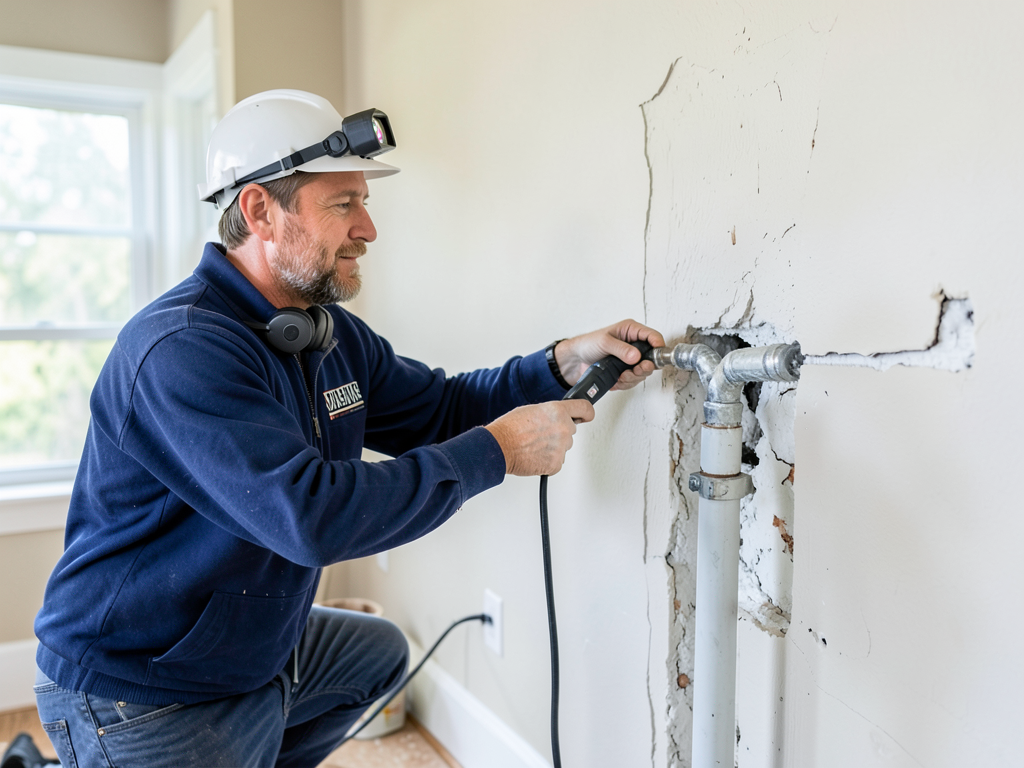
First, we isolate the problem. If you smell gas indoors, we tell you to evacuate, leave doors open, and shut off the gas at the meter if safe to do so. We arrive with combustible gas detectors and electronic sniffers that pinpoint leaks to the inch.

We test every connection. Gas leaks happen at joints, fittings, and union points where threaded connections loosen over time. We spray soapy water on suspected areas and watch for bubbles. We use ultrasonic detectors to find leaks inside walls without demolition.

We pressure test the entire system. After isolating the leak, we pressurize the line with air or nitrogen to verify no additional weak points exist. A line that holds pressure is a safe line. A line that drops pressure gets replaced.

Jacksonville's building codes require specific materials for gas line repair services depending on location and application. We use Schedule 40 black iron pipe for buried exterior runs. We use corrugated stainless steel tubing (CSST) for interior retrofits where flexibility matters. We apply pipe dope and Teflon tape in the correct sequence to prevent future leaks at threaded joints.

We replace, not patch. If corrosion has eaten through a pipe wall, the adjacent sections are compromised. We cut out the damaged section and install new pipe with proper supports and anchoring. We test again before restoring service.

You get documentation. We provide a written report of what failed, what we fixed, and what you should monitor going forward.

What Happens When You Call for Gas Leak Emergency Service

Gas Leak Detection & Repair in Jacksonville – Certified Technicians Arrive Within 60 Minutes
01

Immediate Safety Assessment

The dispatcher asks targeted questions about odor location, recent work on gas lines, and whether you've shut off the meter. If the situation is critical, we advise evacuation and contact emergency services while dispatching our nearest truck. Our average response time to Jacksonville addresses is under one hour. You receive a text with technician name, photo, and estimated arrival time.
02

Detection and Diagnosis

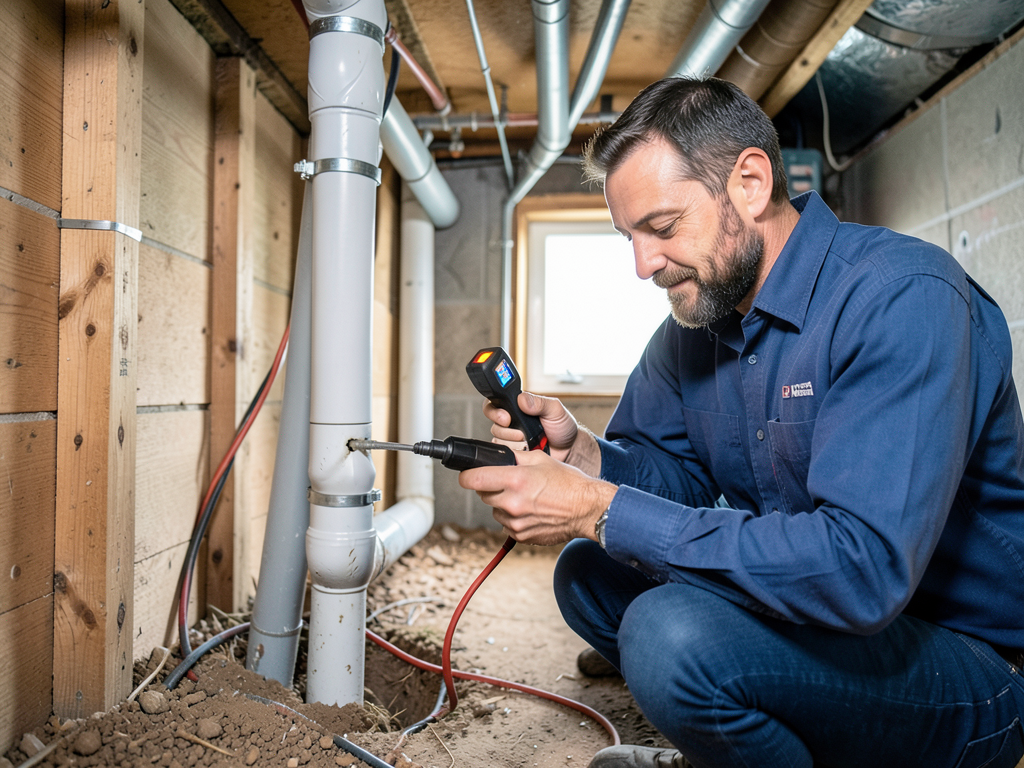
Our technician arrives with a multi-gas detector, electronic sniffer, manometer, and pressure testing equipment. We trace the gas line from the meter through the structure, testing every appliance connection, valve, and fitting. We identify the leak source, assess corrosion or damage, and determine whether repair or replacement is required. We explain findings in plain language before starting work.
03

Repair and Verification

We complete the fix using code-compliant materials and methods. Every repaired joint gets leak-tested with soapy solution and electronic detection. We pressurize the system and monitor for drops. Once verified safe, we restore gas service, relight pilot lights, and test appliance operation. You receive written documentation of all work performed, materials used, and pressure test results before we leave.

Why Jacksonville Residents Call Titan Plumbing Jacksonville for Gas Leaks

Gas work requires more than a pipe wrench and good intentions. Florida law mandates that anyone working on gas systems holds the proper licensing. Our technicians carry both plumbing and gas certifications. We pull permits when required. We know Jacksonville's local amendments to the Florida Building Code.

We understand this area's specific challenges. Homes built before 1970 in neighborhoods like Avondale and Murray Hill often have outdated gas systems installed when codes were less stringent. Those systems used materials that corrode in coastal humidity. We've repiped hundreds of these older homes.

We know the soil conditions. Jacksonville sits on layers of sand, clay, and limestone. Shifting soil creates stress points on buried gas lines. We've responded to leaks caused by sinkholes, root intrusion, and settling foundations. We understand proper burial depth, backfill requirements, and when to use tracer wire for future detection.

We stock commercial-grade parts. When you need a high-capacity regulator for a commercial kitchen or a specialized fitting for a tankless water heater, we have it on the truck. We don't make multiple trips or tell you to wait for parts to arrive.

We work with insurance companies. Gas leak damage often involves mitigation costs, temporary housing, and structural repairs. We document everything in a format adjusters understand. We provide detailed estimates that help you maximize your claim.

We stay until the job is done right. A gas leak is not fixed until every test passes and you feel safe. We don't rush. We don't cut corners. We don't leave until your home is secure.

What to Expect During Emergency Gas Line Repair

Rapid Response Time

Gas emergencies get priority dispatch. When you call our 24/7 line, you reach a live person who immediately assigns the nearest available technician. Most Jacksonville calls receive service within 60 minutes. We operate multiple trucks throughout Duval County to minimize travel time. You receive real-time tracking once the technician is en route. If we anticipate any delay, we communicate immediately. Night, weekend, and holiday calls receive the same fast response as weekday requests.

Thorough Safety Inspection

We don't just fix the obvious leak and leave. Our gas pipe leak detection process includes testing every appliance connection, inspecting exposed pipe for corrosion, checking regulator function, and verifying proper ventilation. We use calibrated electronic detectors, not just our noses. We measure gas pressure at the meter and at each appliance to confirm proper delivery. If we find additional issues that pose safety risks, we explain them clearly with photos and documentation. You get a complete picture of your gas system's condition.

Safe, Code-Compliant Repairs

Every repair meets Florida Building Code and Jacksonville's local requirements. We use approved materials rated for gas service. Black iron pipe gets proper threading and joint compound. CSST gets bonded and grounded to prevent lightning damage. Copper tubing (where allowed) gets brazed joints, not soldered. We install seismic shut-off valves when required. Buried lines get proper depth and protection. You receive a detailed invoice listing all materials and methods used. Work requiring permits gets inspected by the city before we consider the job complete.

Post-Repair Monitoring Guidance

After completing emergency gas line repair, we provide clear instructions for monitoring your system. We explain warning signs that require immediate callback. We recommend annual gas system inspections for older homes. If we replaced a section of line, we schedule a follow-up pressure test after 30 days to confirm all joints remain tight. For commercial properties, we offer maintenance agreements that include quarterly leak detection sweeps. You leave with our direct line for any questions or concerns. Gas safety doesn't end when we drive away.

Frequently Asked Questions

You Have Questions,
We Have Answers

Do gas leak detectors actually work? +

Yes, gas leak detectors work when installed and maintained correctly. Electronic detectors sense natural gas and propane concentrations in the air and trigger alarms before levels become dangerous. In Jacksonville's humid climate, sensors can degrade faster, so test your detector monthly and replace batteries twice a year. Place detectors near gas appliances, water heaters, and furnaces. These devices provide critical early warning, but they cannot replace professional inspection. If your detector alarms, evacuate immediately, call 911 from outside, and contact a licensed plumber. Never ignore an alarm or attempt repairs yourself.

Is it free to get a gas leak checked? +

Some gas companies in Jacksonville offer free leak checks on their equipment up to the meter, but you pay for inspections beyond that point. If you smell gas, evacuate and call 911. The fire department will confirm a leak for free. However, locating the exact source inside your home and repairing it requires a licensed plumber, which costs money. Most plumbers charge a diagnostic fee that applies toward repair costs if you proceed. During an emergency, focus on safety first. Get your family out, shut off the gas at the meter if safe, and let professionals handle detection and repair.

Whose responsibility is it to fix a gas leak? +

Responsibility depends on where the leak occurs. The gas utility company owns and maintains lines from the street to your meter. You own everything past the meter, including interior piping, appliance connections, and fixtures. In Jacksonville, if you suspect a leak before the meter, call your gas provider immediately. They respond 24/7 at no charge. If the leak is past the meter or inside your home, you must hire a licensed plumber for repairs. Landlords are responsible for rental property gas lines. Never attempt gas line repairs yourself. Florida law requires licensed professionals for all gas work.

Can I check for a gas leak myself? +

You can perform basic checks, but never attempt repairs. Mix dish soap with water and brush it on exposed pipes and connections. Bubbles indicate escaping gas. Listen for hissing sounds near appliances or the meter. Smell for the distinctive rotten egg odor added to natural gas. However, these DIY methods are limited and dangerous. You cannot access buried lines, wall cavities, or areas requiring specialized equipment. In Jacksonville's older neighborhoods, corroded pipes hide inside walls. If you suspect any leak, evacuate immediately and call a licensed plumber. Professional detection uses pressure testing and electronic sniffers to pinpoint leaks safely.

How much does gas leak detection cost? +

Gas leak detection in Jacksonville typically costs between the service call fee and several hundred dollars depending on complexity. A basic inspection for accessible lines runs lower than detecting leaks in buried yard lines or behind walls. Plumbers use pressure testing, electronic detectors, and infrared cameras to locate leaks without destructive exploration. Emergency after-hours detection costs more but prevents catastrophic damage. The detection fee usually applies toward repair costs if you proceed with the same company. Never skip professional detection to save money. Undetected gas leaks cause explosions, carbon monoxide poisoning, and fire damage costing thousands.

What are the first signs of a gas leak? +

The rotten egg smell is the most obvious sign. Gas companies add mercaptan so you detect leaks quickly. You may also hear hissing or whistling near pipes, appliances, or the meter. Dead vegetation over buried gas lines signals a leak killing plants from below. Physical symptoms include headaches, dizziness, nausea, and fatigue when indoors. In Jacksonville's tight, air-conditioned homes, gas accumulates faster. Pilot lights that frequently blow out or yellow instead of blue flames indicate incomplete combustion from gas pressure problems. If you notice any sign, evacuate immediately and call 911 from outside.

Does homeowners insurance cover gas line repair? +

Coverage depends on your specific policy and the cause. Most Jacksonville homeowners insurance covers sudden, accidental gas line damage from events like tree roots, vehicle impact, or construction accidents. Policies typically exclude damage from neglect, corrosion, or lack of maintenance. Interior line leaks from age or wear usually are not covered. Explosion or fire damage resulting from a gas leak is generally covered. Review your policy declarations and call your agent before repairs to verify coverage. Document everything with photos. Even without coverage, repair gas leaks immediately. The risk of explosion outweighs any cost concerns.

What smells can be mistaken for gas? +

Several smells mimic natural gas odor and cause false alarms. Sewer gas from dry P-traps smells sulfuric and similar. Rotting food in garbage disposals produces strong odors. Skunk spray near your home smells like mercaptan. In Jacksonville, decaying vegetation in crawl spaces or dead animals in walls create foul smells. Chemicals like paint thinner, acetone, or cleaning products may trigger confusion. Some people cannot smell gas due to medical conditions or COVID-19 effects. Never assume a smell is harmless. If uncertain, evacuate and call professionals. False alarms are better than ignoring real leaks.

Can I fix a gas leak myself? +

No. Never attempt gas leak repairs yourself. Florida law requires licensed plumbers for all gas line work. Gas is explosive and repairs demand specialized tools, materials, and knowledge. Improper repairs cause explosions, fires, and carbon monoxide poisoning. You cannot legally obtain proper permits for gas work without a license. Insurance denies claims for unlicensed repairs. Even small leaks at appliance connections require proper techniques and approved materials. In Jacksonville, humidity accelerates corrosion, making DIY repairs fail faster. If you detect a leak, shut off gas at the meter, evacuate, and call a licensed plumber immediately.

How much does it cost to get your gas leak fixed? +

Gas leak repair costs in Jacksonville vary widely based on location and severity. Simple appliance connector replacement runs lower than repiping buried yard lines or rerouting corroded interior pipes. Emergency repairs cost more but prevent catastrophic damage. Excavation for underground leaks increases costs significantly. Most repairs fall within a moderate range, but extensive repiping can reach thousands. Get written estimates from licensed plumbers before proceeding unless it is an emergency. Focus on safety over cost. Delaying repairs risks explosion, fire, and carbon monoxide exposure. Many plumbers offer financing for major gas line replacement projects.

How Jacksonville's Coastal Climate Accelerates Gas Line Corrosion

Jacksonville's location five miles from the Atlantic Ocean creates a corrosive environment for buried gas lines. Salt-laden humidity penetrates soil and attacks black iron pipe. Homes east of the St. Johns River face even faster deterioration. Underground gas lines installed in the 1960s and 1970s lack the protective coatings used today. The combination of salt air, high water tables, and acidic soil from decomposing vegetation creates the perfect conditions for rust. We respond to more gas pipe leak calls in Riverside, San Marco, and the Beaches than anywhere else in Duval County. Gas leak detection becomes critical in these older neighborhoods where infrastructure is aging faster than expected.

Jacksonville gas line repair services must account for local code requirements that differ from the state standard. The city requires specific inspection protocols for gas work in historic districts. Permits are mandatory for any gas line replacement, even emergency repairs. Our technicians maintain active relationships with city inspectors and understand exactly what documentation each job requires. We've worked on everything from bungalows in Springfield to high-rise condos downtown. That local knowledge means your repair gets done right the first time, passes inspection without delays, and protects your property value. Choosing a gas leak plumber who understands Jacksonville's specific requirements isn't optional. It's the difference between a safe repair and a liability.
Plumbing Services in The Jacksonville Area

We are proud to serve the entire Jacksonville community and surrounding areas, providing top-tier plumbing services wherever you are. Whether you need an emergency repair or a new installation, our team is always ready to travel to your location. View our service area on the map below and contact us to schedule your service.

Address:
Titan Plumbing Jacksonville, 830 Cassat Ave, Jacksonville, FL, 32205

Additional Services We Offer

Our news updates

Latest Articles & News from The Blogs

Can Installing Low-Flow Fixtures Really Lower Your JEA Bill in Northside? Northside homeowners face some of Jacksonville’s highest per-gallon water…

Can Installing Low-Flow Fixtures Really Lower Your JEA Bill in Northside?

Can Installing Low-Flow Fixtures Really Lower Your JEA Bill in Northside? Northside homeowners face some of Jacksonville’s highest per-gallon water…

How to Safely Thaw an Outdoor Pipe During a Rare Jacksonville Freeze

How to Safely Thaw an Outdoor Pipe During a Rare Jacksonville Freeze When Jacksonville temperatures drop below 32°F, which happens…

How to Safely Thaw an Outdoor Pipe During a Rare Jacksonville Freeze

How to Safely Thaw an Outdoor Pipe During a Rare Jacksonville Freeze When Jacksonville temperatures drop below freezing, even for…

Contact Us

Gas leaks get worse, not better. Every minute increases risk. Our emergency line is staffed 24/7 with technicians ready to respond. Call (904) 839-7199 now for immediate dispatch to your Jacksonville location. We arrive equipped to fix the problem today, not schedule you for next week.