



Menu

Apartment Complex Plumbing in Jacksonville – Minimizing Downtime for Multi-Family Properties

Commercial plumbing for apartments designed to keep your Jacksonville multi-family property operational. We dispatch crews equipped to handle simultaneous unit repairs, centralized system failures, and building code compliance without disrupting tenant workflows.

Slider Image 1
Slider Image 2
Slider Image 3
Slider Image 4
Slider Image 5
Slider Image 7
Slider Image 8
Slider Image 9
Slider Image 10
Slider Image 11

Why Jacksonville Apartment Buildings Face Unique Plumbing Strain

Jacksonville's combination of humid subtropical climate and high water table creates constant pressure on multi-family plumbing systems. Groundwater seepage corrodes cast iron waste lines faster than in drier climates. The city's low elevation means many apartment complexes sit in former wetlands where soil shifting damages underground supply lines. Buildings constructed during Jacksonville's 1970s-1990s growth boom now face aging galvanized piping that restricts flow and breeds contamination.

High-density occupancy multiplies these problems. A single slab leak can affect 12 units before you detect it. Shared water heaters serving 40 apartments fail without warning when sediment accumulation reaches critical mass. During Jacksonville's rainy season from June through September, storm surge overwhelms older drainage systems not designed for current occupancy loads.

You cannot afford 48-hour repair windows. Every hour of downtime costs you in emergency hotel placements, angry tenant calls, and reputation damage on apartment review sites. Commercial plumbing for apartments requires crews who understand riser diagrams, can isolate problem zones without building-wide shutdowns, and stock parts for the Kohler and American Standard fixtures common to Jacksonville's apartment inventory.

Multi-unit residential plumbing demands different logistics than single-family work. You need technicians who coordinate with property managers, communicate directly with tenants when necessary, and document everything for your insurance carrier. The complexity scales with building age and occupancy density.

Why Jacksonville Apartment Buildings Face Unique Plumbing Strain
How We Handle Multi-Family Plumbing Emergencies

How We Handle Multi-Family Plumbing Emergencies

We dispatch two-technician crews for apartment building plumbing to ensure one person coordinates with your management team while the other executes repairs. This prevents the communication breakdowns that extend downtime. Our trucks carry zone valve assemblies, pressure reducing valves, and commercial-grade backflow preventers sized for properties with 20 to 200 units.

We map your building's plumbing infrastructure during the first service call. This includes documenting shutoff locations, identifying riser configurations, and photographing your mechanical room setup. When you call us at 2 AM because building three lost hot water, we already know you have two 80-gallon power-vented heaters in a series configuration and which breaker controls them.

For chronic issues like recurring drain backups in second-floor units, we use mainline cameras to identify the actual problem. Jacksonville's clay soil causes root intrusion in older terracotta lines. We document the footage, provide you a repair quote that includes concrete cutting and landscape restoration, and explain why hydro-jetting alone will not solve it.

Our apartment complex plumbing maintenance programs include quarterly inspections of pressure regulators, annual backflow testing to maintain city compliance, and biannual water heater flushing. This prevents the catastrophic failures that force you to relocate tenants. We track service history in our dispatch system so every technician who visits your property knows what we replaced last year.

For renovation projects, we coordinate with your general contractor to rough in plumbing for kitchen and bath upgrades while minimizing disruption to occupied units. We understand Jacksonville's permitting process and handle the inspection scheduling.

What Happens During a Multi-Family Service Call

Apartment Complex Plumbing in Jacksonville – Minimizing Downtime for Multi-Family Properties
01

Initial Assessment and Isolation

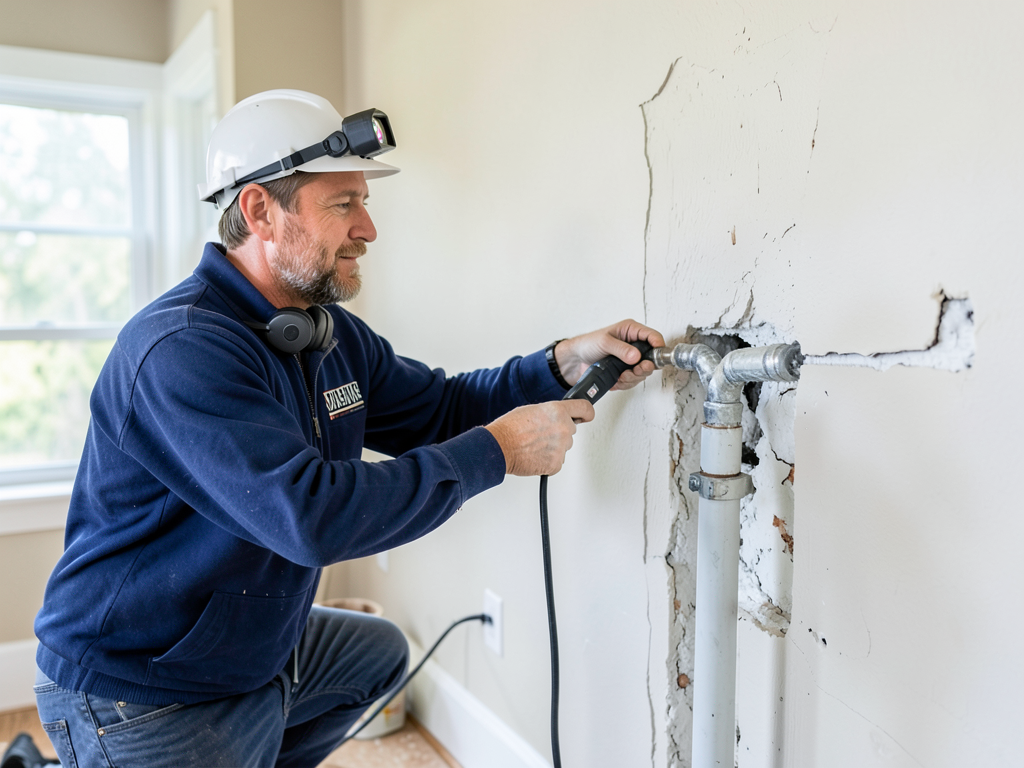
We identify the scope of the problem and immediately isolate affected zones to minimize tenant impact. This includes checking pressure at multiple fixtures, reviewing your building plans if available, and determining whether the issue stems from supply lines, waste systems, or fixture failure. We photograph conditions for your records and brief your property manager before starting invasive work.
02

Coordinated Repair Execution

Our crews execute repairs using commercial-grade materials rated for multi-family applications. This means copper or PEX supply lines, ABS or PVC waste systems, and fixture components designed for high-cycle use. We coordinate access with tenants, use drop cloths and boot covers in occupied units, and complete work during agreed-upon timeframes. All debris leaves your property the same day.
03

Testing and Documentation

We pressure-test all repairs, verify proper drainage, and confirm fixture operation before calling the job complete. You receive detailed invoices with photos, part specifications, and our assessment of related systems that may need attention soon. This documentation supports your capital planning and gives your ownership group visibility into property conditions. We follow up within 48 hours to confirm tenant satisfaction.

Why Property Managers Choose Titan Plumbing Jacksonville

We understand the difference between residential service and multi-family plumbing services. Your tenants are not our customers. You are. That means we coordinate through your management office, not by knocking on doors. We provide arrival time windows that let you notify affected residents in advance. Our invoices break down labor and materials in the format your accounting department needs.

Jacksonville's apartment market includes everything from 1960s garden-style complexes along Beach Boulevard to new luxury mid-rises in Riverside. We have worked on properties with antiquated two-handle shower valves and buildings with smart-home plumbing controls. This range of experience means we solve problems efficiently because we have seen your specific configuration before.

We know Jacksonville's inspection requirements for backflow prevention devices, understand the city's requirements for fixture replacement in units built before 1994, and maintain the licensing to pull permits for major renovations. When you need documentation for compliance audits or insurance renewals, we provide it.

Our pricing structure for apartment complex plumbing maintenance uses flat monthly rates based on unit count and building age. This eliminates invoice surprises and helps you budget accurately. Emergency calls receive priority dispatch, but we do not charge premium rates to existing maintenance clients.

We staff enough technicians to handle multiple simultaneous calls at large properties. If building A needs a water heater replacement while building C has a mainline backup, we send separate crews. This prevents the delays that frustrate your tenants and generate negative reviews.

What to Expect from Our Service Model

Response Time and Availability

Emergency calls receive response within two hours during business days and four hours after hours. This includes weekends and holidays. For maintenance clients, we schedule routine service during management office hours and coordinate with you before accessing occupied units. Our dispatch system tracks your property's service history so we bring the right parts and equipment on the first trip. You get a direct line to our commercial dispatcher, not a call center.

Property Assessment Process

Initial consultations include a walkthrough of your mechanical rooms, inspection of accessible plumbing infrastructure, and review of your maintenance records if available. We identify immediate safety concerns, explain deferred maintenance issues that will escalate, and provide a prioritized repair roadmap. For properties with recurring problems, we perform diagnostic camera inspections of mainlines and pressure testing of supply systems. You receive written findings with photos and repair recommendations broken into immediate, short-term, and long-term categories.

Quality of Completed Work

All repairs use materials meeting or exceeding International Plumbing Code standards. We install commercial-grade components designed for multi-family applications, not residential parts that fail under high use. This includes heavy-duty shut-off valves, reinforced supply lines, and fixture assemblies rated for 100,000 cycles. Our technicians clean work areas, remove all debris, and test repairs under normal operating conditions before leaving. You receive itemized documentation of all work performed, parts installed, and systems tested.

Maintenance Program Structure

Preventive maintenance contracts include scheduled inspections of water heaters, pressure regulators, and backflow devices. We track replacement cycles for components with known service lives and alert you before failures occur. This includes anode rod replacement in water heaters, PRV diaphragm inspection, and mainline camera sweeps in properties with mature landscaping. Our system generates compliance reports for backflow testing and provides maintenance records that support insurance renewals and property valuations. Plans are customized based on building age, occupancy density, and your capital budget constraints.

Frequently Asked Questions

You Have Questions,
We Have Answers

How does plumbing in an apartment complex work? +

Apartment complex plumbing operates through a centralized system where main water lines feed individual units via branch lines. The municipal supply connects to a master meter, then distributes through risers that run vertically through the building. Each unit has its own shutoff valves for maintenance isolation. Drain waste vent systems collect wastewater from all units and route it to the municipal sewer or septic system. In Jacksonville's high-water-table environment, proper drainage design prevents backflow issues during heavy rain events. Complex systems require professional maintenance to prevent cascading failures that affect multiple tenants and create liability exposure.

Are tenants responsible for plumbing repairs? +

No. Florida law requires landlords to maintain all plumbing systems in habitable condition. Tenants are responsible only for damage they directly cause through negligence or misuse. Normal wear, age-related failures, and system defects fall under landlord responsibility. Property managers must address leaks, clogs in main lines, and fixture malfunctions promptly. If tenant abuse causes damage (flushing foreign objects, improper disposal), the tenant pays. Document everything. Jacksonville property managers should maintain clear lease language defining responsibility boundaries and require professional assessments to determine fault before charging tenants for repairs.

What is the 135 rule for plumbing? +

The 135-degree rule refers to the maximum safe temperature for domestic hot water distribution in multi-family buildings. Water heaters may operate hotter for Legionella control, but mixing valves must reduce outlet temperatures to 135 degrees Fahrenheit or lower at fixtures. This prevents scalding injuries while maintaining sufficient heat for sanitation. In Jacksonville apartment complexes, this becomes critical for liability protection. Commercial properties face stricter regulations than single-family homes. Install thermostatic mixing valves at water heater outlets and test regularly. Failure to maintain proper temperatures creates tenant injury risk and potential legal exposure.

What would make you fail an apartment inspection? +

Visible leaks, non-functional fixtures, inadequate water pressure, drainage problems, exposed or corroded pipes, missing cleanout access, cross-connections between potable and non-potable water, lack of backflow prevention devices, improper venting, and code violations will fail inspections. In Jacksonville, inspectors focus on hurricane preparedness, proper elevation of mechanical systems in flood-prone areas, and compliance with Florida Building Code plumbing standards. Failed wax seals, dripping faucets, slow drains, and water heater defects are common culprits. Missing or damaged shutoff valves also trigger failures. Address maintenance backlogs before scheduled inspections to avoid occupancy delays.

Do I need to drip my faucets in an apartment complex? +

Only during rare hard freeze warnings, which Jacksonville experiences infrequently. When temperatures drop below 28 degrees for extended periods, dripping faucets prevents pipe freezing in exterior walls or unheated areas. Property managers should communicate freeze protocols to tenants before cold snaps. Most Jacksonville complexes have adequate insulation, but older buildings with exposed piping in crawl spaces or attics remain vulnerable. The cost of running water during brief freezes is negligible compared to burst pipe damage affecting multiple units. Establish clear communication channels and consider building-wide measures like heat trace cable on vulnerable lines.

What is the most common plumbing issue? +

Drain clogs dominate apartment plumbing calls. Kitchen sinks accumulate grease, food debris, and soap buildup. Bathroom drains collect hair, soap scum, and hygiene products. Toilet clogs result from excessive paper or foreign objects. In Jacksonville's older complexes, cast iron drain lines corrode internally, creating rough surfaces that snag debris. Tree root intrusion into sewer laterals also causes recurring blockages in properties near mature oaks. Preventive maintenance programs with regular hydro-jetting and camera inspections reduce emergency calls. Educate tenants on proper disposal practices and install drain screens to minimize maintenance costs.

Who pays for damage caused by tenants? +

Tenants pay for damage they cause through negligence or lease violations. Landlords cannot arbitrarily charge tenants without proof of causation. Document the damage with photos, obtain professional assessments, and provide itemized repair costs. In Jacksonville, small claims court handles disputes under $8,000. If a tenant overflows a toilet through carelessness, they pay. If aging pipes fail under normal use, the landlord pays. Grey areas require professional plumber reports to establish fault. Charge only actual costs, not inflated estimates. Security deposits can cover documented damages, but follow Florida's strict refund timeline requirements.

Does renter insurance cover plumbing issues? +

Renter insurance typically covers tenant belongings damaged by plumbing failures, not the plumbing repairs themselves. If a pipe bursts and ruins furniture, the tenant's policy may reimburse possessions. The landlord's commercial property insurance covers structural repairs and building systems. Personal liability coverage within renter policies may apply if tenant negligence caused water damage to neighboring units. Jacksonville property managers should require all tenants to carry renter insurance and provide certificates of coverage. This protects both parties and reduces disputes when water damage affects multiple units. Review policy exclusions carefully.

What is a reasonable time for a landlord to carry out repairs? +

Florida law requires landlords to begin repairs within seven days of written notice for non-emergency issues. Emergency repairs affecting habitability (no water, sewage backup, major leaks) require immediate response, typically within 24 hours. Jacksonville property managers should establish faster response protocols to protect property value and tenant retention. Document all repair requests with timestamps. Failure to repair within reasonable timeframes allows tenants to withhold rent, repair and deduct, or terminate leases. For complex plumbing issues requiring parts or permitting, communicate realistic timelines in writing. Proactive communication prevents legal disputes and maintains professional relationships.

What is the 1.41 rule in plumbing? +

The 1.41 rule calculates pipe offset dimensions for 45-degree fittings. Multiply the offset distance by 1.41 to determine the travel length along the pipe. This geometric principle helps plumbers plan installations in tight spaces common to apartment mechanical rooms. For example, a 10-inch offset requires 14.1 inches of pipe travel. In Jacksonville's multi-story complexes, accurate calculations prevent interference with structural elements and other utilities. This technical knowledge separates professional installations from amateur work. Proper planning reduces material waste and ensures code-compliant installations. Commercial plumbers use these calculations daily for efficient, professional results.

How Jacksonville's Water Chemistry Accelerates Apartment Plumbing Failures

Jacksonville's municipal water supply contains dissolved minerals that create scale buildup in apartment building plumbing systems faster than in most Florida cities. The Floridan Aquifer water source means elevated calcium and magnesium levels that precipitate onto heating elements, narrow supply lines, and clog aerators. In multi-family properties, this accelerated mineral accumulation affects dozens of fixtures simultaneously. Water heaters serving multiple units accumulate sediment that reduces capacity and efficiency within 18 months without preventive flushing. Properties near the St. Johns River face additional challenges from groundwater with higher sulfate content that corrodes copper fittings and creates the distinctive rotten egg smell in hot water systems.

Jacksonville's Building Inspection Division enforces specific requirements for multi-family plumbing that exceed single-family standards. This includes mandatory backflow prevention on irrigation systems, annual testing of double-check valves, and upgraded venting requirements for buildings over three stories. Properties built before Jacksonville's 2004 code updates often need retrofit work to maintain compliance during renovations. We maintain current knowledge of these local requirements and coordinate inspection scheduling directly with the city. Our documentation meets the standards insurance carriers require for liability coverage on multi-family properties.
Plumbing Services in The Jacksonville Area

We are proud to serve the entire Jacksonville community and surrounding areas, providing top-tier plumbing services wherever you are. Whether you need an emergency repair or a new installation, our team is always ready to travel to your location. View our service area on the map below and contact us to schedule your service.

Address:
Titan Plumbing Jacksonville, 830 Cassat Ave, Jacksonville, FL, 32205

Additional Services We Offer

Our news updates

Latest Articles & News from The Blogs

Can Installing Low-Flow Fixtures Really Lower Your JEA Bill in Northside? Northside homeowners face some of Jacksonville’s highest per-gallon water…

Can Installing Low-Flow Fixtures Really Lower Your JEA Bill in Northside?

Can Installing Low-Flow Fixtures Really Lower Your JEA Bill in Northside? Northside homeowners face some of Jacksonville’s highest per-gallon water…

How to Safely Thaw an Outdoor Pipe During a Rare Jacksonville Freeze

How to Safely Thaw an Outdoor Pipe During a Rare Jacksonville Freeze When Jacksonville temperatures drop below 32°F, which happens…

How to Safely Thaw an Outdoor Pipe During a Rare Jacksonville Freeze

How to Safely Thaw an Outdoor Pipe During a Rare Jacksonville Freeze When Jacksonville temperatures drop below freezing, even for…

Contact Us

Call Titan Plumbing Jacksonville at (904) 839-7199 to schedule a property assessment or request emergency dispatch. We provide flat-rate quotes for defined scopes and transparent pricing for diagnostic work. Our commercial team responds to apartment complexes throughout Jacksonville and surrounding areas.