




Menu

Slow Draining Sinks & Showers in Jacksonville – Expert Diagnosis Solves the Real Problem

When water pools in your shower or your sink empties slower each week, you need more than a quick fix. Our diagnostic approach identifies the hidden cause behind slow running drains and blocked bathtub drains, delivering lasting solutions for Jacksonville homes.

Slider Image 1
Slider Image 2
Slider Image 3
Slider Image 4
Slider Image 5
Slider Image 7
Slider Image 8
Slider Image 9
Slider Image 10
Slider Image 11

Why Jacksonville Homes Battle Stubborn Drainage Issues

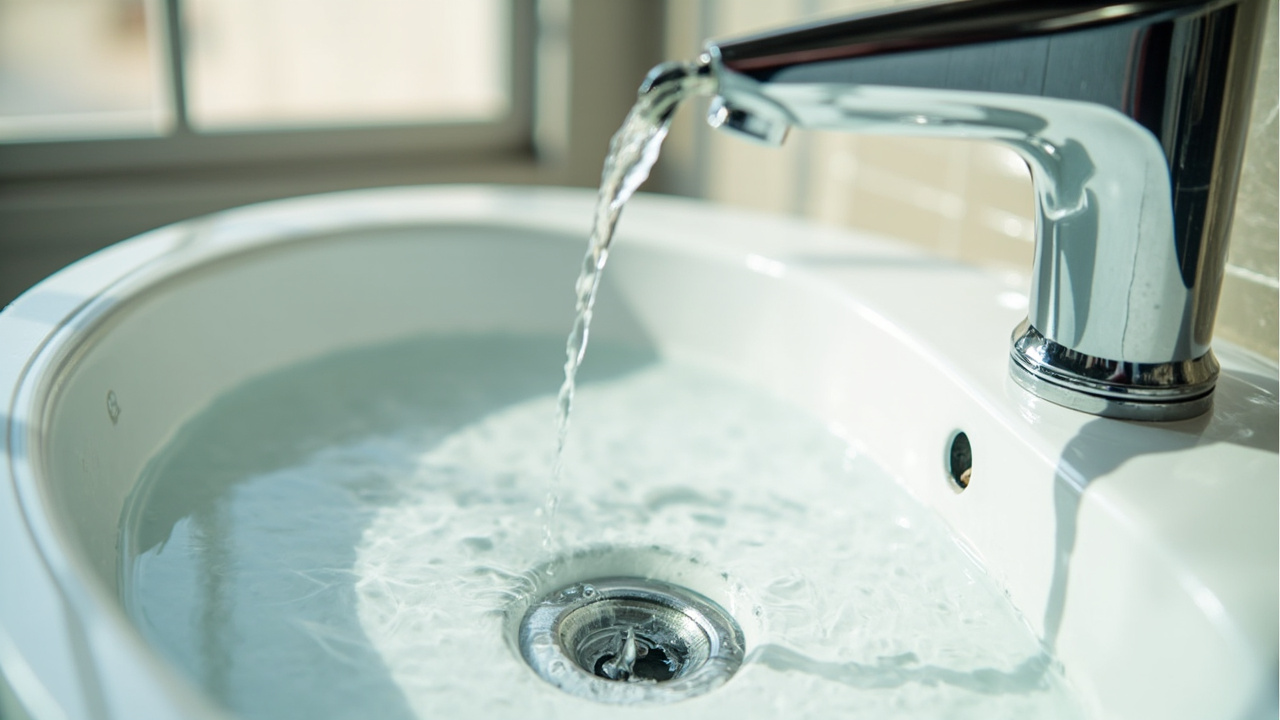
You turn off the faucet and watch water sit in the basin for 30 seconds. You step out of the shower and notice standing water in the shower that takes minutes to disappear. These are not just annoyances. They are symptoms of a building problem that worsens each day.

Jacksonville's unique conditions make drainage problems more common and more stubborn than in other regions. The area sits on layers of limestone and sandy soil that shift with seasonal rainfall. This movement creates stress on underground drain lines, causing subtle separations where roots infiltrate. Once roots breach a pipe, they form a net that catches soap scum, hair, and debris.

The high humidity accelerates biofilm growth inside pipes. This slimy bacterial layer coats the interior walls of drain lines, narrowing the passage and creating friction that slows water flow. What starts as sluggish sink drainage becomes a clogged shower drain within weeks.

Older homes near Riverside and Avondale often have cast iron drain lines installed in the 1940s and 1950s. These pipes corrode from the inside, creating rough surfaces that grab onto anything passing through. You may notice the water drains fine one day, then poorly the next. That inconsistency signals scale buildup or partial blockages that shift position.

Many homeowners try liquid drain cleaners. These chemicals create heat that can damage older pipe joints and rarely dissolve the root cause. Hair clogs near the drain opening might clear temporarily, but the main line obstruction remains untouched. The slow running drains return within days because the real problem sits 15 feet downstream where you cannot reach it with a bottle of chemicals.

Why Jacksonville Homes Battle Stubborn Drainage Issues
How We Identify and Clear the Actual Blockage

How We Identify and Clear the Actual Blockage

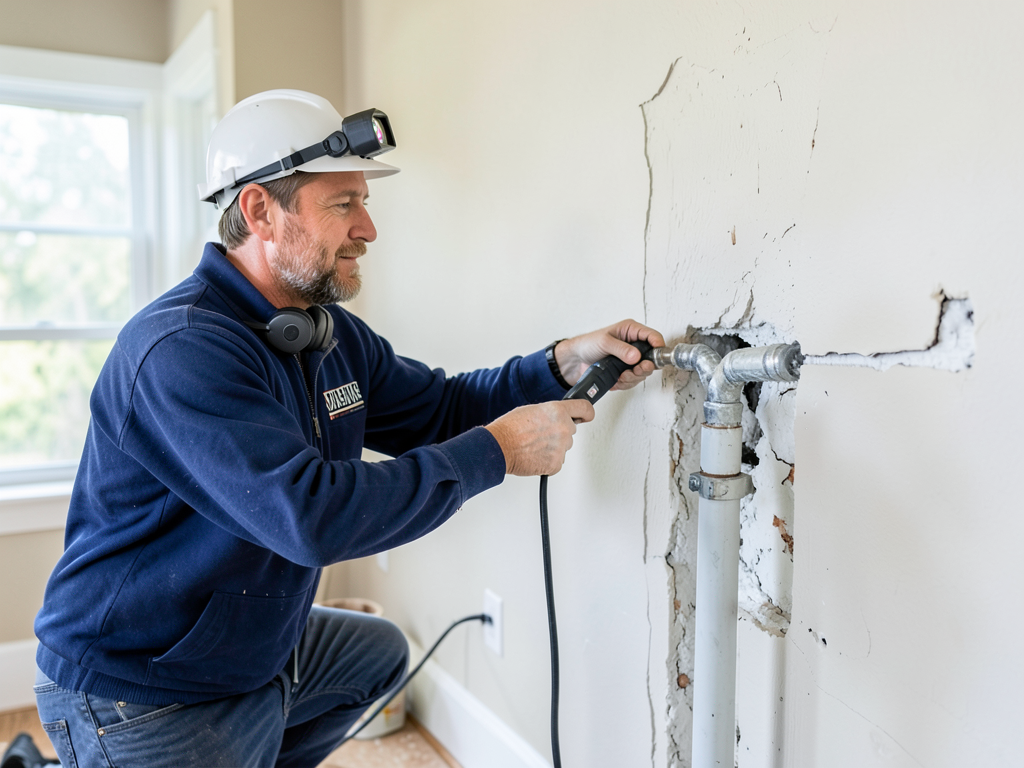
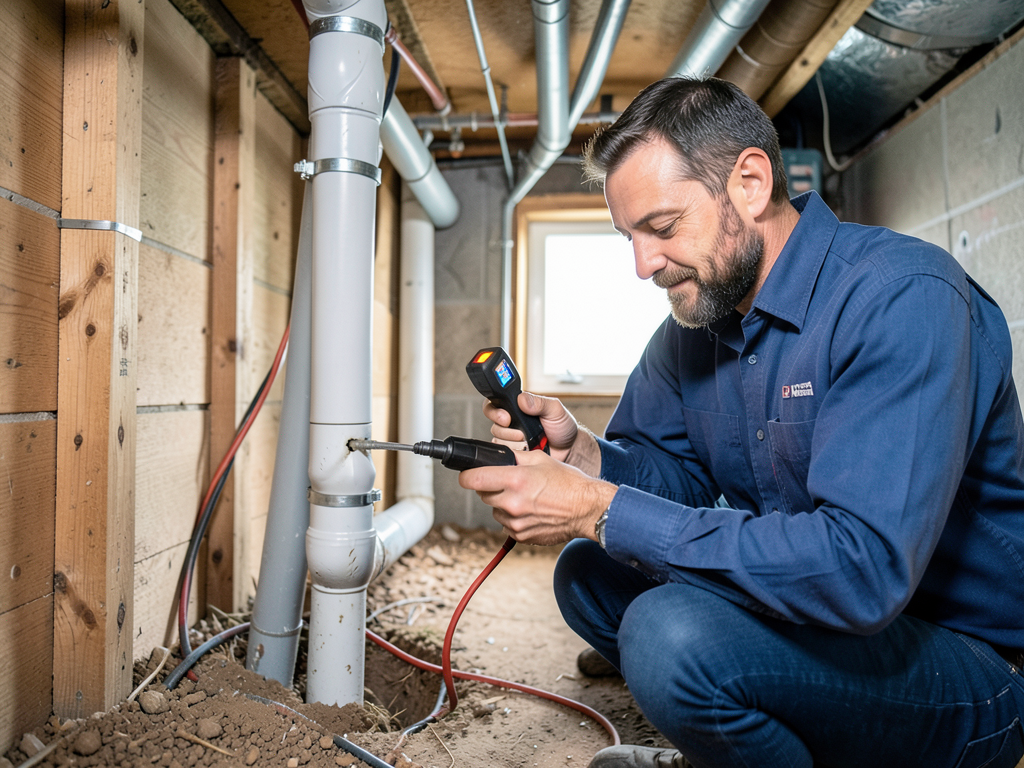
We do not guess. We inspect with a waterproof camera system that travels through your drain lines and transmits real-time video. This lets us see the exact location and nature of the obstruction. We can differentiate between a hair clog at the P-trap, a grease accumulation in the branch line, or root intrusion in the main sewer lateral.

Once we identify the problem, we select the appropriate clearing method. For soft blockages like hair and soap buildup, we use a sectional drain machine with a retrieving auger head. This tool pulls the clog back rather than pushing it deeper into the system. For hardened scale or roots, we deploy a high-torque drum machine with a cutting blade designed for that specific material.

In cases where we find bellied pipes or significant root infiltration, we hydro-jet the line. This process uses high-pressure water streams at 3,000 to 4,000 PSI to scour the pipe walls clean. The water flows at multiple gallons per minute, removing years of buildup and restoring the pipe to near-original diameter. We angle the nozzle to direct debris downstream toward the municipal connection rather than pushing it back into your home's plumbing.

After clearing, we run the camera through again to confirm complete removal and check for pipe damage. If we spot cracks, separations, or collapsed sections, we document the location with the camera's distance counter. This gives you precise information about the pipe's condition and allows you to make informed decisions about spot repairs or replacement before a catastrophic failure occurs.

Jacksonville's clay soil can shift during heavy rains, creating low spots in underground drain lines. These bellies collect water and sediment, forming recurring clogs. We note these structural issues during our inspection so you understand why the blockage may return if the underlying pipe geometry is not corrected.

What Happens During Your Drain Clearing Service

Slow Draining Sinks & Showers in Jacksonville – Expert Diagnosis Solves the Real Problem
01

Initial Drain Inspection

We start by asking you which fixtures drain slowly and how long the problem has existed. This helps us narrow down where to focus our inspection. We remove the drain cover and check the visible trap for obvious obstructions. If the clog is not immediately accessible, we insert a drain camera to map the line and locate the blockage. You watch the video feed with us so you see exactly what we are dealing with before we begin clearing.
02

Mechanical Line Clearing

Using the camera findings, we select the correct auger cable and cutting head for your specific blockage type. We feed the cable through the drain line, rotating it as it advances to break up or retrieve the obstruction. For bathtub drains with hair clogs, we use a barbed retriever that snags the mass. For kitchen sink lines with grease buildup, we use a blade that cuts through the hardened fats and pushes them into the larger diameter main line where they flush away.
03

Verification and Cleanup

After clearing the line, we run water through the fixture to test drainage speed and check for proper vortex flow. We reinsert the camera to verify complete blockage removal and inspect the pipe walls for damage or remaining debris. We clean up any water or material that came out during the process, then explain what we found and whether any follow-up work is needed to prevent recurrence. You get a clear drain and a complete understanding of your system's condition.

Why Jacksonville Residents Choose Titan Plumbing Jacksonville for Drainage Problems

Drainage issues require more than a snake and hope. You need a plumber who understands how Jacksonville's soil conditions, humidity, and aging infrastructure create unique challenges for residential plumbing systems.

We have cleared thousands of drain lines in homes throughout Riverside, San Marco, Mandarin, and Ortega. We know which neighborhoods have cast iron stacks that corrode from the inside and which areas have shallow sewer laterals vulnerable to root intrusion from water oaks and magnolias. This local knowledge lets us anticipate problems before we even start the inspection.

Our camera equipment is not a cheap borescope purchased online. We use commercial-grade systems with self-leveling heads and distance counters that provide accurate measurements. When we tell you the clog is 23 feet from the cleanout, we can locate that spot in your yard if excavation becomes necessary. This precision saves you money by avoiding exploratory digging.

We also understand Jacksonville's plumbing code requirements for drain line repairs and replacements. If your inspection reveals that a section of pipe needs replacement, we know the permit requirements, the approved materials, and the inspection process. We handle the paperwork and coordinate with the city so you do not spend hours navigating bureaucracy.

Many plumbers will clear your drain and leave. We take the extra step of explaining what caused the blockage and what you can do to prevent it. If we find that your bathtub drain clogs monthly because of long hair, we recommend a TubShroom-style strainer. If we see grease buildup in your kitchen line, we explain proper disposal methods. This education helps you avoid emergency calls and extends the life of your plumbing system.

We also respond quickly. A clogged shower drain is frustrating. A backed-up sink disrupts your daily routine. We prioritize drainage calls because we know you cannot wait three days for service. Most calls get same-day or next-day appointments.

What to Expect When You Call Titan Plumbing Jacksonville

Fast Response Times

We understand that sluggish sink drainage turns into complete blockages fast. When you call about slow running drains, we schedule service within 24 hours for most situations. Our trucks carry camera equipment and a full range of drain machines, so we handle most issues in a single visit. You do not wait days for a diagnosis and then more days for equipment to arrive. We show up prepared to inspect, clear, and verify the repair the same day.

Comprehensive Drain Inspection

Before we start clearing, we run a camera inspection to see exactly what is blocking your drain. You watch the video feed with us and see the clog in real time. We explain what type of obstruction it is, where it sits in relation to your home's layout, and what method we will use to remove it. This transparency eliminates surprises and helps you understand whether this is a one-time fix or a sign of a larger pipe condition that needs attention.

Complete Blockage Removal

We do not stop when water starts draining. We continue working until the line is fully clear and water flows at the proper speed. After mechanical clearing, we test the drain with running water to confirm proper function. We then run the camera through again to verify complete removal and check for any pipe damage that could cause future problems. You get proof that the job is done right, not just a plumber's word that it should be fine now.

Clear Next Steps

After clearing your drain, we explain what we found and what it means for your plumbing system. If the blockage was simple buildup with no pipe damage, we give you maintenance tips to prevent recurrence. If we spotted cracks, root intrusion, or structural issues, we provide a detailed explanation with video evidence and discuss repair options. We do not pressure you into unnecessary work. We give you the facts and let you decide how to proceed.

Frequently Asked Questions

You Have Questions,
We Have Answers

What do plumbers recommend for slow drains? +

Plumbers recommend professional hydro-jetting or mechanical snaking for persistent slow drains. Avoid chemical drain cleaners, which corrode pipes and cause long-term damage. For minor clogs, hot water flushes or enzyme-based cleaners can help break down organic buildup. In Jacksonville, high humidity accelerates soap scum and mold accumulation in drains, making regular maintenance critical. A plumber will inspect your drain line with a camera to identify the exact blockage location, whether it's hair, grease, or root intrusion. Preventive measures include using drain screens and scheduling annual drain cleaning to avoid emergency backups during Florida's heavy rain season.

Why does my bathroom sink and shower water drain slowly? +

Slow drainage in both your bathroom sink and shower points to a shared drain line clog. Hair, soap residue, and body oils combine to form stubborn blockages in the trap or branch line. Jacksonville's hard water exacerbates mineral buildup, narrowing pipe diameter over time. The P-trap beneath your sink often collects debris, while shower drains accumulate hair and soap scum. If both fixtures drain slowly simultaneously, the blockage sits downstream where the lines converge. High humidity in Northeast Florida also promotes biofilm growth inside pipes, creating a sticky surface that traps debris and worsens clogs.

Why is my bathroom sink drain slow but not clogged? +

A partial obstruction allows some water through while restricting full flow. Biofilm, a slimy bacterial layer that thrives in Jacksonville's humid climate, coats pipe walls and slows drainage without fully blocking the line. Soap scum and mineral deposits from hard water also narrow the pipe opening gradually. Hair wrapped around the drain stopper or stuck just below the visible drain can create drag without forming a complete blockage. The vent stack may also be partially blocked, preventing proper air exchange and slowing drainage. A plumber can camera-inspect the line to identify the exact restriction point.

How to tell if a P-trap is clogged? +

Water pooling around floor drains, persistent foul odors, or gurgling sounds indicate a clogged P-trap. Remove the cleanout plug beneath your sink and check for standing water mixed with debris. Hair, grease, and soap residue collect in the trap's curved section, creating blockages. If water drains slowly from multiple fixtures, the clog may sit beyond the P-trap in the branch line. Jacksonville's humidity accelerates organic decay inside traps, producing sulfur smells. You can remove and manually clean the P-trap using a bucket and wrench, but persistent clogs require professional snaking to clear downstream obstructions.

Why pour salt down the drain every night? +

Salt acts as a mild abrasive and can help scour grease buildup in kitchen drains when combined with hot water. It also inhibits bacterial growth that causes odors. However, salt does not dissolve hair or soap scum, the primary culprits in bathroom drains. In Jacksonville, where humidity fuels drain bacteria, salt offers temporary odor control but does not address structural clogs. Overuse can corrode metal pipes and harm septic systems. For effective prevention, use enzyme-based cleaners monthly and install drain screens. Professional hydro-jetting removes buildup more thoroughly than any home remedy.

Is a slow drain covered by home insurance? +

Home insurance typically excludes slow drains caused by normal wear, lack of maintenance, or gradual deterioration. Policies cover sudden, accidental water damage from pipe bursts but not clogs from hair or grease accumulation. If a sewer backup results from tree root invasion on your property, you are responsible for repairs. However, if the blockage occurs in the municipal main line, the city may cover it. Jacksonville homeowners should check their policy for optional sewer backup coverage, which protects against overflow damage. Document any sudden flooding with photos and contact your insurer immediately to determine coverage eligibility.

Why should you never use baking soda and vinegar to unclog a drain? +

Baking soda and vinegar create a fizzy reaction that looks impressive but lacks the pressure to dislodge serious clogs. The reaction produces carbon dioxide gas and water, which dissipate quickly without breaking down hair, grease, or mineral deposits. In Jacksonville's PVC and older cast iron plumbing, this mixture can leave residue that hardens over time. The alkaline-acid reaction neutralizes both substances, rendering them ineffective. Chemical drain cleaners offer more dissolving power but corrode pipes. Professional plumbers use mechanical snakes or hydro-jetting, which physically remove blockages without damaging your plumbing system or introducing harmful chemicals into Jacksonville's water table.

What are the signs of a serious clog? +

Multiple slow fixtures, gurgling sounds from drains or toilets, sewage odors, and water backing up in lower-level fixtures signal a serious clog in your main drain line. Wet spots in your yard above the sewer line indicate a blockage causing underground leakage. Persistent clogs that return after snaking point to root intrusion or pipe collapse, common in Jacksonville's clay soil, which shifts and cracks aging sewer lines. Slow drainage combined with sewage backup requires immediate professional attention to prevent water damage and health hazards. Tree roots from oaks and palms aggressively invade sewer lines seeking moisture in Northeast Florida's humid environment.

Will pouring boiling water down a shower drain unclog it? +

Boiling water can melt soap scum and grease clogs in metal pipes but risks cracking PVC, common in Jacksonville homes. Pour water in stages rather than all at once to avoid thermal shock. Boiling water does not dissolve hair, the primary shower drain clog culprit. For minor soap buildup, hot tap water often works without the risk. In Jacksonville's humid climate, biofilm accumulates faster in shower drains, requiring mechanical removal rather than heat. If boiling water fails after two attempts, the clog is beyond the P-trap and needs professional snaking. Never use boiling water in toilets, which can crack porcelain.

How do plumbers unclog the main sewer line? +

Plumbers use motorized drain augers or hydro-jetting to clear main sewer lines. A camera inspection identifies the blockage type and location, whether roots, grease, or collapsed pipe. Hydro-jetting shoots high-pressure water streams that scour pipe walls clean, removing years of buildup and cutting through tree roots. In Jacksonville, aggressive root systems from live oaks and magnolias frequently invade clay or cast iron sewer lines. For severe damage, pipe bursting or trenchless lining replaces sections without extensive excavation. The process typically takes several hours, and plumbers often apply root-killing foam to prevent regrowth in Northeast Florida's moisture-rich soil conditions.

How Jacksonville's Limestone and High Water Table Affect Your Drain Lines

Jacksonville sits on a foundation of porous limestone covered by layers of sand and clay. This geological makeup allows groundwater to fluctuate seasonally, rising during summer rains and dropping in drier months. These shifts create pressure changes around buried drain lines, which can cause joints to separate or pipes to settle into low spots. Once a separation occurs, tree roots detect the moisture and force their way into the line. Water oaks and Southern magnolias are especially aggressive, sending fine roots through the smallest cracks. These roots expand inside the pipe, creating a net that traps hair, soap scum, and other debris. What starts as sluggish sink drainage becomes a complete blockage within weeks as the root mass grows.

Jacksonville's plumbing infrastructure varies dramatically by neighborhood age. Homes in Riverside and Avondale often have cast iron drain lines installed 70 to 80 years ago. These pipes corrode from the inside, creating rough surfaces that catch debris. Newer developments in Nocatee and Julington Creek use PVC, which resists corrosion but can still develop problems if installed with improper slope. Local plumbers who understand these neighborhood-specific differences can diagnose problems faster and recommend solutions that make sense for your home's age and construction. Choosing a Jacksonville-based service means working with technicians who know the difference between a Southside home built in 1995 and a Springfield bungalow from 1925.
Plumbing Services in The Jacksonville Area

We are proud to serve the entire Jacksonville community and surrounding areas, providing top-tier plumbing services wherever you are. Whether you need an emergency repair or a new installation, our team is always ready to travel to your location. View our service area on the map below and contact us to schedule your service.

Address:
Titan Plumbing Jacksonville, 830 Cassat Ave, Jacksonville, FL, 32205

Additional Services We Offer

Our news updates

Latest Articles & News from The Blogs

Can Installing Low-Flow Fixtures Really Lower Your JEA Bill in Northside? Northside homeowners face some of Jacksonville’s highest per-gallon water…

Can Installing Low-Flow Fixtures Really Lower Your JEA Bill in Northside?

Can Installing Low-Flow Fixtures Really Lower Your JEA Bill in Northside? Northside homeowners face some of Jacksonville’s highest per-gallon water…

How to Safely Thaw an Outdoor Pipe During a Rare Jacksonville Freeze

How to Safely Thaw an Outdoor Pipe During a Rare Jacksonville Freeze When Jacksonville temperatures drop below 32°F, which happens…

How to Safely Thaw an Outdoor Pipe During a Rare Jacksonville Freeze

How to Safely Thaw an Outdoor Pipe During a Rare Jacksonville Freeze When Jacksonville temperatures drop below freezing, even for…

Contact Us

Stop watching water pool in your sink. Call Titan Plumbing Jacksonville at (904) 839-7199 for expert drain clearing that identifies and fixes the real problem. We provide same-day service throughout the Jacksonville area with camera inspections and complete blockage removal.