




Menu

Sediment Buildup in Pipes in Jacksonville | Expert Diagnosis and Permanent Flow Restoration

Jacksonville homeowners battling low water pressure, discolored water, and uneven hot water temperatures need more than a quick flush. We diagnose the root cause of sediment buildup in pipes using camera inspection and hydro-jetting technology to restore full flow and water quality.

Slider Image 1
Slider Image 2
Slider Image 3
Slider Image 4
Slider Image 5
Slider Image 7
Slider Image 8
Slider Image 9
Slider Image 10
Slider Image 11

Why Jacksonville Water Creates Mineral Deposits and Sediment Problems

You turn on the faucet and the water pressure is weak. The shower head sputters. The water heater groans. You might assume it is just an old house, but the real culprit is often sediment buildup in pipes.

Jacksonville sits on the Floridan Aquifer, which delivers hard water loaded with calcium, magnesium, and iron. Over time, these mineral deposits in water pipes accumulate along the interior walls of galvanized steel and copper supply lines. The result is restricted flow, discolored water, and premature failure of fixtures and appliances.

Hard water pipe scaling accelerates in homes built before 1990 when galvanized steel was the standard. The rough interior surface of these pipes attracts calcium buildup in water lines faster than smooth copper or PEX. If you live in older neighborhoods near Riverside, Avondale, or Springfield, you are dealing with decades of limescale accumulation in plumbing systems that were never designed to handle Jacksonville's mineral-heavy water.

The problem compounds during summer when water heaters work overtime. Sediment settles at the bottom of the tank, creating hot spots that damage the heating element. You hear popping or rumbling sounds. Hot water runs out faster. Energy bills climb. Pipe calcification problems do not just slow your morning shower. They cost you money every month and reduce the lifespan of your entire plumbing system.

You need a diagnostic approach, not a quick drain flush.

Why Jacksonville Water Creates Mineral Deposits and Sediment Problems
How We Remove Sediment and Restore Full Water Flow

How We Remove Sediment and Restore Full Water Flow

Sediment buildup in pipes requires more than a chemical treatment or a simple flush. Titan Plumbing Jacksonville uses a three-phase diagnostic and remediation process designed for Jacksonville's specific water chemistry.

First, we run a camera inspection through your supply lines and drain system. This reveals the exact location and severity of calcium buildup in water lines. We measure the interior diameter at multiple points to quantify flow restriction. If you have galvanized pipes with significant corrosion and scaling, we document the condition and recommend targeted replacement or full repiping depending on the age and material.

Next, we deploy hydro-jetting equipment to remove limescale accumulation in plumbing. Hydro-jetting uses high-pressure water streams up to 4,000 PSI to scour the interior walls of pipes without damaging the pipe itself. This method is effective for copper, PEX, and newer galvanized lines. For older galvanized steel where pipe calcification problems have caused structural weakness, we avoid hydro-jetting and move directly to section replacement to prevent pipe rupture.

For water heaters, we drain and flush the tank to remove sediment at the bottom. We inspect the anode rod, which sacrifices itself to prevent tank corrosion. If the rod is depleted, we replace it. If the sediment layer is more than two inches thick, we recommend a full replacement because the damage to the heating element and tank lining is often irreversible.

We also test your water hardness and recommend point-of-entry softening systems to prevent future mineral deposits in water pipes. Prevention is cheaper than replacement.

What Happens During a Sediment Removal Service Call

Sediment Buildup in Pipes in Jacksonville | Expert Diagnosis and Permanent Flow Restoration
01

Diagnostic Camera Inspection

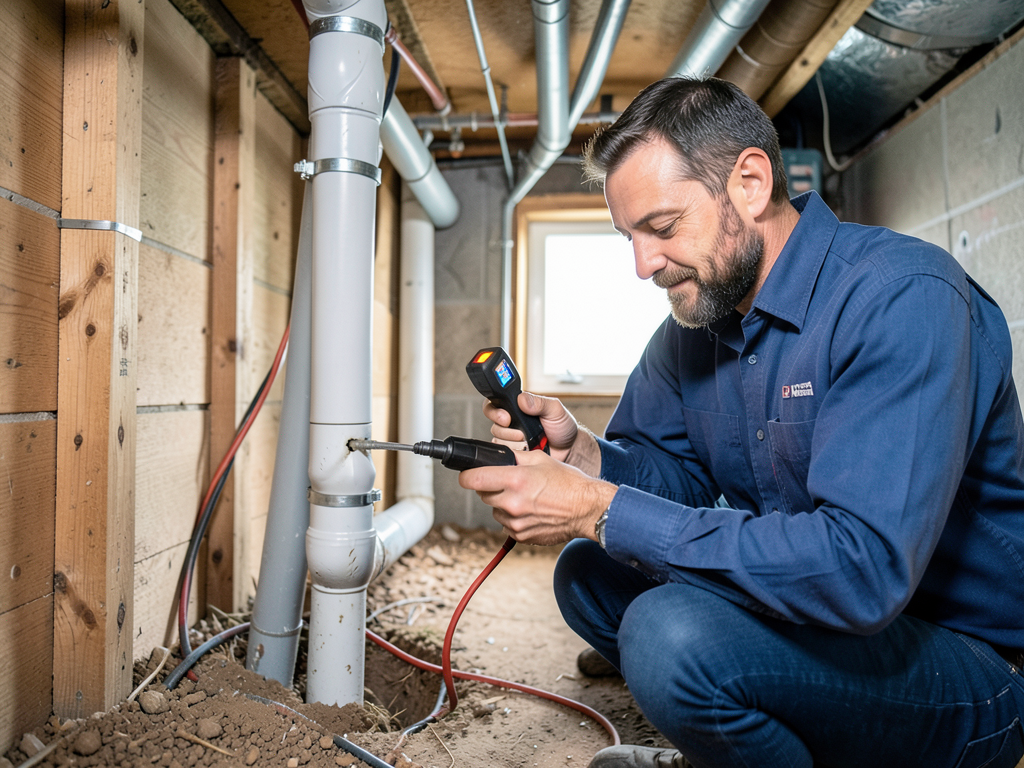
We start by running a waterproof camera through your supply lines and drain pipes to pinpoint the location and thickness of calcium buildup in water lines. This visual inspection shows us the interior condition of your pipes, identifies corrosion zones, and measures the remaining flow diameter. You see the same footage we see, so there is no guessing about the severity of sediment buildup in pipes.
02

Hydro-Jetting or Section Replacement

If the pipes are structurally sound, we use hydro-jetting to blast away limescale accumulation in plumbing and restore full flow. If the camera inspection reveals advanced pipe calcification problems or corrosion in galvanized steel lines, we recommend section replacement using PEX or copper to prevent future scaling. We isolate the damaged sections and complete the replacement without disrupting your entire plumbing system.
03

Water Quality Testing and Prevention

After clearing the mineral deposits in water pipes, we test your water hardness using a titration kit. If your water exceeds 7 grains per gallon, we recommend a whole-house water softener to prevent future hard water pipe scaling. We also flush your water heater, inspect the anode rod, and provide a maintenance schedule to extend the life of your plumbing system and appliances.

Why Jacksonville Homeowners Choose Titan Plumbing for Sediment Problems

You need a plumber who understands Jacksonville's water chemistry and the plumbing challenges specific to older neighborhoods in Duval County. Titan Plumbing Jacksonville has spent years working in homes with galvanized steel supply lines, cast iron drains, and water heaters burdened by sediment buildup in pipes.

We do not sell you a service you do not need. If your pipes can be cleaned and restored, we clean them. If they are corroded beyond repair, we tell you exactly which sections need replacement and why. Our camera inspections provide visual proof, so you make informed decisions based on evidence, not sales pressure.

Jacksonville's building codes require permits for repiping work, and we handle the permitting process for you. We coordinate inspections with the city, ensure all work meets current plumbing code standards, and provide documentation for your records. If you are selling your home, this documentation adds value and prevents buyer objections during inspections.

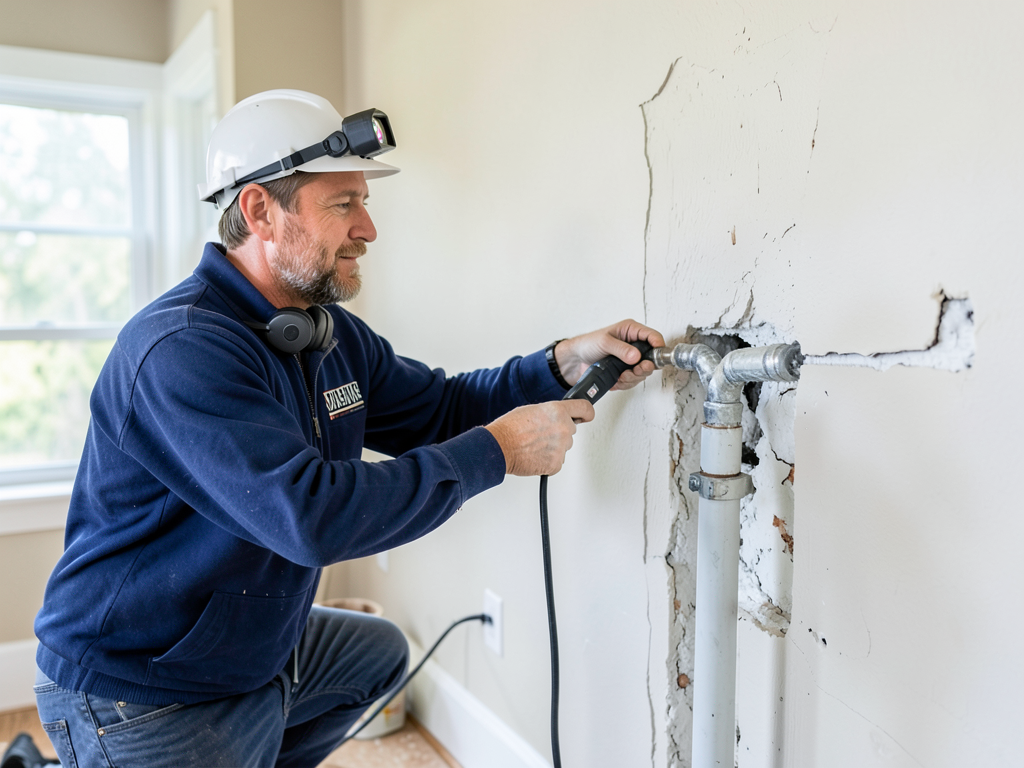
We also understand the unique challenges of working in historic districts like Riverside and Avondale, where homes have plaster walls, tight crawlspaces, and limited attic access. Our technicians route new supply lines with minimal wall damage and restore finishes to match the original construction. We respect your home and leave the job site cleaner than we found it.

Most importantly, we test your water hardness and recommend prevention strategies that stop future calcium buildup in water lines. A water softener costs less than replacing your water heater, dishwasher, and washing machine every five years due to hard water damage. We give you the full picture, not just a quick fix.

What to Expect When You Call Titan Plumbing for Sediment Removal

Same-Day Diagnostic Availability

We schedule diagnostic camera inspections within 24 hours of your call. If you are experiencing severe water pressure loss or no hot water, we prioritize your appointment and dispatch a technician the same day. Most diagnostic inspections take 60 to 90 minutes depending on the size of your home and the complexity of your plumbing system. You receive a written report with photos from the camera inspection and a detailed estimate for any recommended repairs or replacements.

Transparent Camera Inspection Process

Our technician explains the camera inspection process before starting and shows you the live feed as we navigate your supply lines and drains. You see the sediment buildup in pipes, the thickness of calcium deposits, and any corrosion or damage to the pipe walls. We measure the remaining interior diameter and explain how much flow capacity you have lost. This visual evidence eliminates guesswork and helps you understand the scope of the problem before we recommend any solution.

Restored Flow and Water Quality

After hydro-jetting or section replacement, you notice immediate improvements in water pressure, hot water recovery time, and water clarity. Showers run stronger. Faucets deliver consistent flow. Your water heater heats water faster and holds temperature longer. We test the system under full load to ensure every fixture receives adequate pressure. If we install a water softener, you also notice softer skin, cleaner dishes, and longer appliance life.

Annual Maintenance and Prevention Plans

We offer annual maintenance plans that include water heater flushing, anode rod inspection, water hardness testing, and drain line camera checks. Regular maintenance prevents sediment from accumulating to the point of total flow restriction. Our maintenance customers avoid emergency repairs, extend the life of their plumbing systems, and receive priority scheduling for any service calls. We send reminders when your annual service is due, so you never miss a critical maintenance window.

Frequently Asked Questions

You Have Questions,
We Have Answers

How much to flush pipes in a house? +

Flushing pipes in a Jacksonville home typically costs between $150 and $400, depending on your home's size and the severity of sediment buildup. Older homes in Riverside or Springfield with original galvanized pipes often need more extensive flushing. The process involves opening access points and forcing water through at high pressure to dislodge accumulated minerals and rust. Jacksonville's hard water accelerates sediment accumulation, so homes on well water or older municipal connections see this issue more frequently. A licensed plumber will assess your specific situation before providing an accurate quote.

What causes sediment in water pipes? +

Sediment in water pipes comes from mineral deposits, corroded pipe interiors, and particulates in the water supply. Jacksonville's water contains calcium, magnesium, and iron that attach to pipe walls over time. Older homes with galvanized steel pipes experience rust flaking that adds to buildup. The city's humid climate accelerates corrosion. If you're on a private well in areas like Julington Creek or Mandarin, sand and soil particles can enter your system. Water heaters also generate sediment as minerals settle and harden at the bottom of the tank.

How long does it take to run water to get sediment out? +

Running water to clear sediment takes 15 to 30 minutes per fixture after flushing your water heater or main line. Start with the fixture farthest from your water source and work toward the closest. In Jacksonville homes, this means identifying your water meter location first. You'll see discolored, cloudy water initially, then gradual clearing. For whole-house sediment issues, expect to run multiple faucets simultaneously. If water doesn't clear after 30 minutes, you likely have pipe corrosion or mineral deposits that need professional hydro jetting or pipe replacement.

How to remove build up in water pipes? +

Removing buildup requires professional hydro jetting or mechanical cleaning. Plumbers insert specialized equipment into your pipes and blast high-pressure water to break apart sediment and mineral scale. For Jacksonville homes with severe calcium deposits from hard water, descaling solutions may be necessary. Water heaters need annual draining to prevent sediment accumulation. Whole-house water softeners help prevent future buildup by removing minerals before they enter your plumbing system. Never use chemical drain cleaners for sediment, they don't work on mineral deposits and damage pipes. Professional assessment determines the right approach for your situation.

How much does a plumber charge to flush pipes? +

Plumbers in Jacksonville charge $150 to $500 to flush pipes, depending on complexity and access points. A simple water heater flush runs $100 to $200. Whole-house pipe flushing with hydro jetting costs $300 to $500 for average homes. Older properties in Historic Districts like San Marco may cost more due to outdated plumbing configurations. Multi-story homes require additional labor. The price includes equipment setup, water usage, and disposal of sediment. Emergency or after-hours service increases costs. Get a written estimate before work begins, as unexpected pipe damage during flushing can add expenses.

How do plumbers descale pipes? +

Plumbers descale pipes using hydro jetting equipment that shoots water at 3,000 to 4,000 PSI through your lines. This pressure breaks apart calcium, lime, and rust deposits clinging to pipe walls. For severe scaling common in Jacksonville's hard water areas, plumbers may use specialized descaling chemicals that dissolve mineral buildup without damaging pipes. They insert a rotating nozzle through cleanout access points, systematically cleaning each section. Video camera inspection confirms thorough cleaning. Galvanized pipes in older Jacksonville neighborhoods may need replacement instead, as aggressive descaling can compromise already weakened metal.

What dissolves sediment in pipes? +

White vinegar dissolves light mineral sediment, but only in small, accessible areas like faucet aerators. For pipes, professional-grade descaling solutions containing phosphoric or citric acid work better. Jacksonville's calcium and lime deposits require stronger treatment than DIY methods provide. Hydrochloric acid-based products exist but damage certain pipe materials. Chemical drain cleaners don't dissolve sediment, they target organic clogs. The safest approach is professional hydro jetting, which physically removes buildup without chemicals. Attempting to dissolve extensive sediment yourself risks pipe damage and incomplete removal, leading to recurring problems and potentially costly repairs.

How much does it cost for a plumber to unblock a pipe? +

Unclogging a pipe in Jacksonville costs $150 to $400 for standard blockages. Simple drain snaking runs $100 to $250. Hydro jetting for stubborn clogs costs $350 to $600. Main sewer line blockages range from $300 to $800, depending on access and severity. Clay pipes common in older Jacksonville neighborhoods may need camera inspection, adding $200 to $300. Tree root intrusion from Jacksonville's oak and magnolia trees increases costs if excavation becomes necessary. Emergency service after hours adds premium charges. Get multiple quotes and confirm the plumber includes camera inspection to identify the exact problem location.

Why do plumbers say not to use drain cleaner? +

Plumbers warn against drain cleaners because they corrode pipes, create toxic fumes, and rarely solve the actual problem. Chemical cleaners generate heat that can melt PVC joints and weaken older metal pipes common in Jacksonville homes. They don't clear sediment or mineral buildup, only organic material. Sulfuric acid-based products damage septic systems prevalent in rural Duval County areas. The chemicals sit in your pipes, continuing to eat away at the interior after the clog. They also make professional repair dangerous if a plumber later opens the line. Mechanical clearing is safer and more effective.

How do plumbers unclog the main sewer line? +

Plumbers unclog main sewer lines using hydro jetting or mechanical augers inserted through cleanout access points. They first run a video camera inspection to locate the blockage and identify the cause, whether tree roots, collapsed pipes, or sediment accumulation. In Jacksonville, oak and palm roots frequently invade clay sewer lines in older neighborhoods. Hydro jetting blasts water at high pressure to clear roots and debris. Severe blockages may require excavation and pipe repair. The plumber accesses your main line through the cleanout near your foundation or at the property line where it connects to city sewer.

Why Jacksonville's Aquifer Water Accelerates Sediment Buildup in Pipes

Jacksonville draws its municipal water from the Floridan Aquifer, a limestone formation that naturally dissolves calcium, magnesium, and trace minerals into the water supply. This creates hard water with mineral concentrations that exceed 10 grains per gallon in some neighborhoods. When this water heats up in your water heater or flows through narrow supply lines, the minerals precipitate out and form calcium buildup in water lines. Homes in older neighborhoods with galvanized steel pipes experience faster scaling because the rough interior surface attracts mineral deposits. The combination of hard water and aging infrastructure makes sediment buildup in pipes a chronic problem across Duval County.

Titan Plumbing Jacksonville understands the specific challenges of working in historic neighborhoods where plumbing systems were installed before PEX and modern copper became standard. We know which sections of Jacksonville have the hardest water, which neighborhoods have galvanized supply lines, and which homes are at highest risk for pipe calcification problems. Our technicians are trained to work within Jacksonville's permitting requirements and coordinate with city inspectors to ensure all repiping work meets current code standards. We are not a national franchise. We are a local team that knows Jacksonville's water, homes, and plumbing history.
Plumbing Services in The Jacksonville Area

We are proud to serve the entire Jacksonville community and surrounding areas, providing top-tier plumbing services wherever you are. Whether you need an emergency repair or a new installation, our team is always ready to travel to your location. View our service area on the map below and contact us to schedule your service.

Address:
Titan Plumbing Jacksonville, 830 Cassat Ave, Jacksonville, FL, 32205

Additional Services We Offer

Our news updates

Latest Articles & News from The Blogs

Can Installing Low-Flow Fixtures Really Lower Your JEA Bill in Northside? Northside homeowners face some of Jacksonville’s highest per-gallon water…

Can Installing Low-Flow Fixtures Really Lower Your JEA Bill in Northside?

Can Installing Low-Flow Fixtures Really Lower Your JEA Bill in Northside? Northside homeowners face some of Jacksonville’s highest per-gallon water…

How to Safely Thaw an Outdoor Pipe During a Rare Jacksonville Freeze

How to Safely Thaw an Outdoor Pipe During a Rare Jacksonville Freeze When Jacksonville temperatures drop below 32°F, which happens…

How to Safely Thaw an Outdoor Pipe During a Rare Jacksonville Freeze

How to Safely Thaw an Outdoor Pipe During a Rare Jacksonville Freeze When Jacksonville temperatures drop below freezing, even for…

Contact Us

If your water pressure is weak, your water heater is struggling, or you see discolored water, you need a diagnostic camera inspection. Call Titan Plumbing Jacksonville at (904) 839-7199 to schedule your same-day inspection and get a clear answer about the condition of your pipes.