



Menu

How to Prevent Frozen Pipes in Jacksonville – Expert Winterization Strategies to Protect Your Home Before the Next Cold Snap

Learn proven methods for stopping pipes from freezing during Jacksonville's unpredictable winter weather, from insulation techniques to emergency shut-off procedures that protect your property investment.

Slider Image 1
Slider Image 2
Slider Image 3
Slider Image 4
Slider Image 5
Slider Image 7
Slider Image 8
Slider Image 9
Slider Image 10
Slider Image 11

Why Jacksonville Homeowners Face Unexpected Freeze Damage

Jacksonville's mild coastal climate creates a dangerous complacency. You experience weeks of 60-degree winter days, then a sudden Arctic blast drops temperatures into the teens overnight. Your plumbing system was never designed for sustained freezing conditions.

Most Jacksonville homes lack the insulation found in northern climates. Crawl spaces sit exposed to wind chill. Exterior hose bibs remain connected year-round. Attic pipes run through unconditioned space. When temperatures plummet, these vulnerabilities turn into burst pipes and thousands in water damage.

The 2022 Christmas freeze caught thousands of Jacksonville residents unprepared. Emergency plumbers fielded hundreds of calls for ruptured supply lines, flooded crawl spaces, and destroyed water heaters. Insurance claims spiked across Duval County.

Protecting pipes from freezing requires understanding how cold air penetrates your home's envelope. The threat zone includes any pipe in unconditioned space: exterior walls, attics, garages, and crawl spaces. Older homes in Riverside, Springfield, and San Marco face higher risk due to minimal insulation and outdated construction methods.

Keeping water pipes from freezing is not about reacting to weather alerts. It is about winterizing plumbing pipes before the threat arrives. Once temperatures drop below 32 degrees, your window for prevention closes. Frozen pipe prevention tips focus on three principles: insulation, circulation, and heat.

The difference between a protected system and a catastrophic failure often comes down to simple preparation you can complete in a weekend.

Why Jacksonville Homeowners Face Unexpected Freeze Damage
The Three-Layer Defense Against Pipe Freezing

The Three-Layer Defense Against Pipe Freezing

Stopping pipes from freezing requires a layered approach. Single methods fail when temperatures stay below freezing for extended periods.

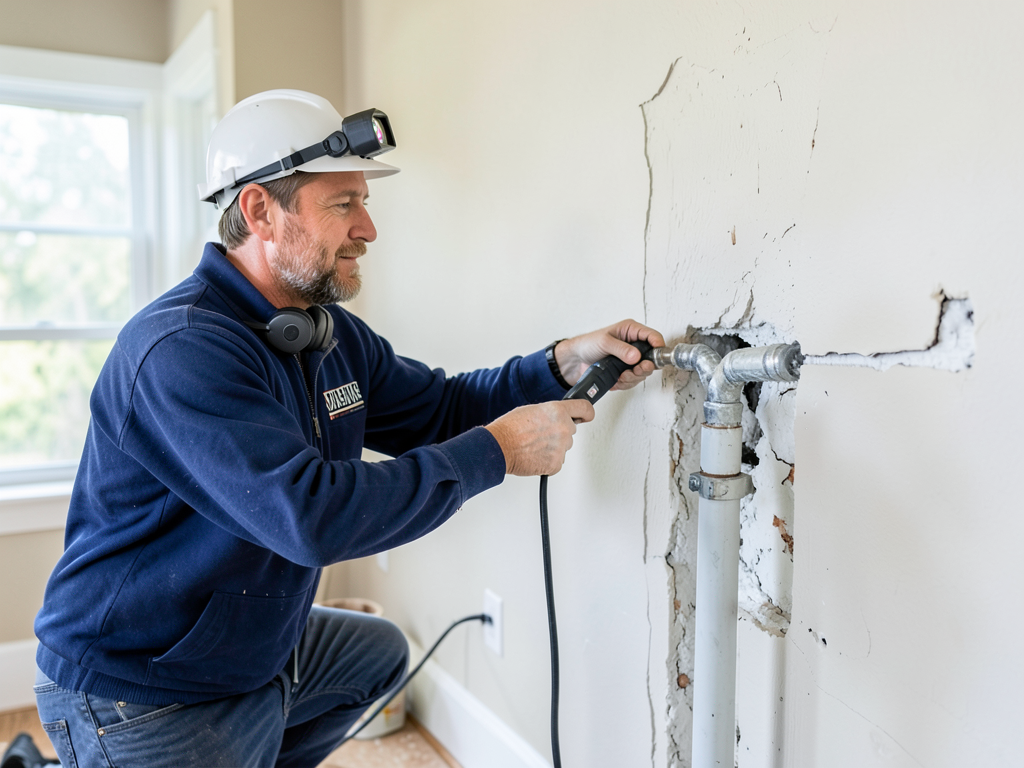
Layer one addresses insulation. Foam pipe sleeves provide basic protection for exposed supply lines in crawl spaces and attics. These sleeves work for brief cold snaps but fail during sustained freezes. Better protection comes from heat tape wrapped beneath insulation, creating both a thermal barrier and active warming. Focus on the first six feet of pipe near exterior penetrations where cold air infiltrates most aggressively.

Layer two maintains water movement. Stagnant water freezes faster than flowing water. Opening cabinet doors under sinks allows conditioned air to circulate around supply lines. Letting faucets drip creates constant flow that resists ice formation. The drip needs to be steady, not a trickle. You want visible movement, roughly five drips per second. This small water loss costs pennies compared to repair expenses.

Layer three adds supplemental heat. Space heaters in crawl spaces raise ambient temperature above freezing. Heat lamps directed at exposed pipes provide targeted warming. These methods work for extreme cold events when insulation alone cannot maintain safe temperatures.

You must also address your exterior hose bibs. Disconnect garden hoses and drain the lines completely. Install foam faucet covers. Better yet, shut off interior shut-off valves feeding exterior spigots and drain the remaining water from the line. This single step prevents the most common freeze failure in Jacksonville homes.

Titan Plumbing Jacksonville inspects vulnerable areas homeowners miss: irrigation backflow preventers, pool equipment lines, and outdoor shower connections. These exposed fixtures freeze first and cause the most damage.

Your Winterization Checklist for Jacksonville Homes

How to Prevent Frozen Pipes in Jacksonville – Expert Winterization Strategies to Protect Your Home Before the Next Cold Snap
01

Identify Vulnerable Zones

Walk your property before cold weather arrives. Check crawl spaces, attics, garages, and exterior walls for exposed copper or PEX supply lines. Look for pipes within three feet of vents, windows, or uninsulated walls. Document these locations with photos. Prioritize pipes that already show signs of previous freezing like split insulation or rust staining. Map your main water shut-off location and test that you can operate the valve easily.
02

Install Physical Barriers

Apply foam pipe insulation to all exposed supply lines in unconditioned spaces. Seal gaps where pipes penetrate exterior walls using spray foam or caulk. Install insulated faucet covers on all exterior hose bibs. For high-risk areas like irrigation backflow devices, build protective enclosures using foam board insulation. Wrap heat tape on pipes that experienced freezing in past winters, following manufacturer spacing requirements. These barriers create the first line of defense against cold air contact.
03

Activate During Freeze Events

When temperatures drop below 28 degrees, implement your active protection plan. Open cabinet doors under sinks. Set faucets to drip at the furthest point from your water heater. Disconnect and drain exterior hoses. Keep your thermostat at 55 degrees minimum, even when away. Run ceiling fans on low in reverse to push warm air down. Check crawl spaces for adequate heat circulation. Monitor weather forecasts and act before nightfall when temperatures drop fastest.

Why Local Expertise Matters for Jacksonville Freeze Protection

National plumbing guides offer generic advice written for Minneapolis, not Jacksonville. You need strategies calibrated to coastal North Florida's specific freeze patterns.

Jacksonville freezes happen fast and end fast. You might see 18 degrees overnight, then 50 degrees by noon. This temperature swing creates unique challenges. Pipes begin thawing from the outside while ice cores remain frozen inside. Pressure builds. Ruptures occur during the thaw, not the freeze. This phenomenon catches homeowners off guard.

Titan Plumbing Jacksonville understands your home's construction methods. We know that most Jacksonville homes built before 1990 have minimal crawl space insulation. We recognize that your HVAC system likely does not condition these spaces. We account for the fact that your water heater probably sits in the garage where ambient temperature matches outdoor conditions during cold snaps.

We also understand Jacksonville's building patterns. Homes in Mandarin and Julington Creek often have complex plumbing layouts serving multiple stories and outdoor entertainment areas. These systems have more exposure points than compact northern homes. Proper freeze protection requires mapping your entire distribution system, not just checking the pipes under your kitchen sink.

Local building codes in Jacksonville do not mandate the freeze protection measures required in colder climates. You carry more responsibility for protecting your investment. We help you identify code-minimum installations that leave you vulnerable.

Our experience with Jacksonville's 2018 and 2022 freeze events taught us which protection methods actually work and which fail when tested. We saw foam pipe insulation split by ice expansion. We saw heat tape installations that created fire hazards. We saw dripping faucets that still froze because homeowners chose the wrong fixture.

Trust matters when implementing freeze protection. You need advice from professionals who have managed hundreds of Jacksonville freeze emergencies, not generic internet guidance.

What Proper Freeze Protection Delivers

Timing and Preparation

Complete winterization takes four to six hours for an average Jacksonville home. Schedule this work in November before freeze threats arrive. Emergency winterization is possible when weather forecasts show incoming Arctic fronts, but you face limited material availability when everyone rushes to hardware stores simultaneously. Early preparation means you have supplies staged and ready. You can activate protection measures confidently instead of scrambling at midnight when temperatures drop unexpectedly. Proper timing transforms freeze protection from a crisis response into a routine maintenance task you control completely.

Professional Assessment Value

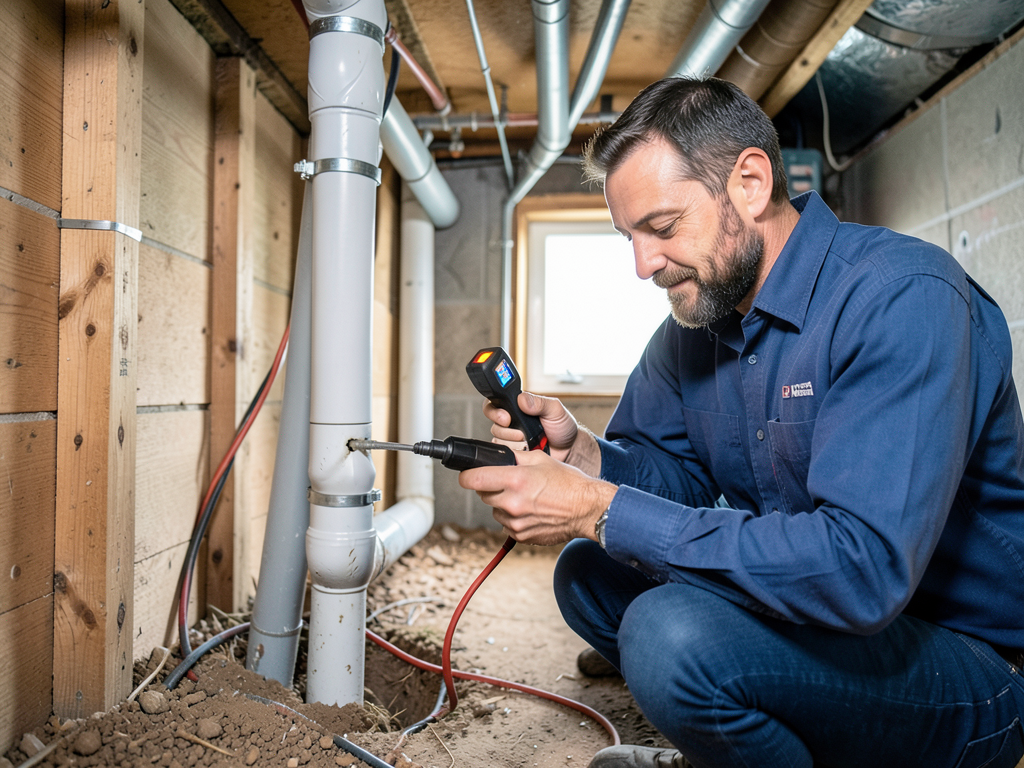
A professional freeze vulnerability assessment identifies risks you cannot see. Plumbers access crawl spaces, attics, and wall cavities to inspect pipe routing. We use thermal imaging to locate inadequate insulation and air leaks. We test shut-off valves to confirm they operate correctly during emergencies. The assessment includes your irrigation system, pool plumbing, and outdoor fixtures. You receive a prioritized action plan with specific material recommendations. This service costs a fraction of repairing even minor freeze damage and provides documentation for insurance purposes if failures occur despite proper precautions.

System Performance Results

Properly winterized plumbing systems survive Jacksonville's worst cold snaps without damage. You avoid the panic of discovering burst pipes and flooding. You eliminate the stress of waiting days for emergency repairs during peak demand periods when every plumber in town is booked solid. Your water service continues uninterrupted. Your property stays dry. Most importantly, you avoid the secondary damage that burst pipes cause: ruined flooring, destroyed drywall, mold growth, and displaced families. The small investment in prevention delivers massive returns in avoided disaster expenses and maintained quality of life.

Seasonal Maintenance Plans

Annual freeze protection service ensures your system stays ready for unexpected cold. We inspect and replace degraded pipe insulation. We test heat tape functionality. We verify that exterior hose bibs drain completely and that shut-off valves operate smoothly. We update your winterization plan based on any plumbing modifications made during the year. Maintenance plans include priority emergency service if freeze damage occurs despite precautions. You receive reminder calls when freeze warnings are issued for Jacksonville, prompting you to activate protection measures. This ongoing relationship transforms freeze protection from a one-time project into a managed risk reduction system.

Frequently Asked Questions

You Have Questions,
We Have Answers

How do I stop my pipes from freezing? +

Insulate exposed pipes in crawl spaces, attics, and exterior walls using foam pipe sleeves. Seal cracks and gaps in walls where cold air enters. Disconnect and drain outdoor hoses before a freeze. Keep cabinet doors open under sinks to let warm air circulate around plumbing. Set your thermostat to at least 55 degrees when you leave town. In Jacksonville, focus on pipes in unheated garages or north-facing exterior walls. These areas get coldest during rare hard freezes. Install heat tape on vulnerable sections if you have a history of freezing problems.

Do all faucets need to drip to prevent freezing? +

No. You only need to drip faucets that connect to exposed or vulnerable pipes. Focus on fixtures along exterior walls, in unheated spaces, or in areas that froze before. In Jacksonville homes, kitchen and bathroom sinks on outside walls are common trouble spots. Attic supply lines and pipes running through crawl spaces also need attention. Interior plumbing surrounded by conditioned space stays warm enough without dripping. Target your efforts where cold air reaches the pipes directly. This saves water and keeps your bill reasonable during a freeze event.

How much water should I run to keep pipes from freezing? +

A slow, steady drip is enough. You want about five drips per minute or a pencil-lead-thin stream. The goal is to keep water moving through the pipe, not to waste gallons. Moving water resists freezing better than standing water. In Jacksonville, you rarely need a heavy flow because hard freezes are brief and temperatures bounce back quickly. Open both hot and cold taps slightly if a single-handle faucet connects to at-risk pipes. This protects both supply lines. The small water cost beats a burst pipe repair bill every time.

At what temperature do pipes freeze? +

Pipes typically freeze when temperatures drop to 20 degrees Fahrenheit or below for several hours. The exact threshold depends on insulation, wind exposure, and how long the cold lasts. In Jacksonville, you see freezing risk when overnight lows hit the upper 20s with wind chill. Pipes in unheated crawl spaces or outside walls freeze faster than interior plumbing. Clay soil common in North Florida does not insulate underground lines well. Watch the forecast when a hard freeze warning appears. Temperatures in the low 30s with high winds can also cause problems in exposed areas.

At what temperature should you let your faucets drip? +

Start dripping faucets when the forecast predicts temperatures at or below 28 degrees Fahrenheit. In Jacksonville, this happens during cold snaps between December and February. Begin dripping before sunset when the temperature starts dropping. Keep the drip going through the coldest hours, usually from midnight to sunrise. You can stop once temperatures rise above freezing and stay there for a few hours. If a hard freeze lasts multiple days, maintain the drip until the cold spell ends. This simple step prevents costly damage during the brief but intense freezes Jacksonville experiences.

Will WD-40 keep my doors from freezing shut? +

WD-40 can help lubricate door hinges and locks, but it does not prevent freezing. The product displaces water temporarily but does not lower the freezing point enough to matter. For doors, remove moisture from weatherstripping and apply a silicone-based lubricant to hinges and locks. This question often comes up during freeze prep, but your focus should stay on plumbing. Frozen doors are an inconvenience. Burst pipes cause thousands in damage. In Jacksonville, prioritize pipe protection over door maintenance when a hard freeze warning appears. Use your prep time where it matters most.

Should you drip faucets all day or just at night? +

Drip faucets only during the coldest hours, typically overnight. In Jacksonville, start dripping before sunset when a freeze warning is active and stop once morning temperatures rise above freezing. You do not need to drip all day. Daytime temperatures in Jacksonville usually climb above the danger zone, even during cold snaps. Dripping around the clock wastes water without adding protection. Focus your efforts from late evening through early morning when temperatures bottom out. Check the hourly forecast to time it right. This approach balances freeze protection with water conservation and keeps your utility bill reasonable.

Is it better to put your outside faucets on a drip or to wrap them and cover them with a foam cover? +

Do both for maximum protection. Disconnect the hose, drain the faucet completely, then wrap it with insulation and cover it with a foam faucet protector. In Jacksonville, outdoor faucets freeze because they have minimal wall insulation and face north or east. A dripping outdoor faucet does not help much because the exposed section still freezes. The insulation and cover block wind and trap ambient heat. Make sure the cover fits snugly against the house. This combination works better than either method alone. Take five minutes to prep each outdoor faucet before a freeze and avoid a cracked valve body.

Will leaving water running prevent freezing? +

Yes, but only if you target vulnerable pipes. Running water resists freezing because it stays in motion and releases friction heat. A slow drip keeps pressure low and allows the pipe to expand slightly without bursting if ice does form. In Jacksonville, this strategy works because hard freezes are short. You can drip faucets for a night without major water waste. Leaving water running through at-risk pipes is cheaper than repairing burst pipe damage, which can cost thousands once you factor in water damage, mold, and drywall replacement. Identify your vulnerable fixtures and protect them.

How many faucets should you let drip? +

Drip faucets connected to exposed or vulnerable pipes only. In most Jacksonville homes, this means one to three faucets. Focus on sinks along exterior walls, fixtures in unheated garages, and any location that froze before. You do not need to drip every faucet in your house. Interior plumbing stays warm enough during brief freezes. Walk through your home and identify at-risk areas. If you are unsure which pipes are vulnerable, open cabinet doors and feel for cold air near the plumbing. Target those fixtures. This focused approach protects your home without wasting water or money.

How Jacksonville's Coastal Climate Creates Unique Pipe Freezing Risks

Jacksonville sits in USDA hardiness zone 9a, where winter lows typically stay above 20 degrees. This mild climate means builders historically used minimal insulation and installed plumbing in locations that would never pass code in northern states. Your crawl spaces feature open foundation vents that channel Arctic wind directly onto exposed pipes. Attic insulation meets minimum standards for air conditioning efficiency but provides poor protection against cold air infiltration. The St. Johns River and coastal proximity create high humidity that accelerates heat loss through convection. When polar vortex events push temperatures into the teens, your plumbing infrastructure faces conditions it was never engineered to handle. This design mismatch explains why Jacksonville experiences catastrophic freeze damage during cold snaps that northern cities would consider merely inconvenient.

Duval County does not require the freeze protection measures mandated in colder jurisdictions. You cannot rely on code compliance alone to protect your home. Local plumbers who understand Jacksonville's specific construction patterns and climate vulnerabilities provide critical guidance that generic resources miss. We have relationships with insurance adjusters who process freeze damage claims across Northeast Florida. We know which protection methods satisfy underwriters and which leave you exposed to claim denials. Our work throughout Riverside, Avondale, Mandarin, and the Beaches has taught us how different construction eras and architectural styles affect freeze vulnerability. Choosing local expertise means partnering with professionals who have managed hundreds of Jacksonville freeze events and understand exactly how your specific home will respond to Arctic outbreaks.
Plumbing Services in The Jacksonville Area

We are proud to serve the entire Jacksonville community and surrounding areas, providing top-tier plumbing services wherever you are. Whether you need an emergency repair or a new installation, our team is always ready to travel to your location. View our service area on the map below and contact us to schedule your service.

Address:
Titan Plumbing Jacksonville, 830 Cassat Ave, Jacksonville, FL, 32205

Additional Services We Offer

Our news updates

Latest Articles & News from The Blogs

Can Installing Low-Flow Fixtures Really Lower Your JEA Bill in Northside? Northside homeowners face some of Jacksonville’s highest per-gallon water…

Can Installing Low-Flow Fixtures Really Lower Your JEA Bill in Northside?

Can Installing Low-Flow Fixtures Really Lower Your JEA Bill in Northside? Northside homeowners face some of Jacksonville’s highest per-gallon water…

How to Safely Thaw an Outdoor Pipe During a Rare Jacksonville Freeze

How to Safely Thaw an Outdoor Pipe During a Rare Jacksonville Freeze When Jacksonville temperatures drop below 32°F, which happens…

How to Safely Thaw an Outdoor Pipe During a Rare Jacksonville Freeze

How to Safely Thaw an Outdoor Pipe During a Rare Jacksonville Freeze When Jacksonville temperatures drop below freezing, even for…

Contact Us

Do not wait for weather alerts to protect your plumbing. Schedule a freeze vulnerability assessment today. Call Titan Plumbing Jacksonville at (904) 839-7199 to winterize your pipes before the next cold snap hits.