
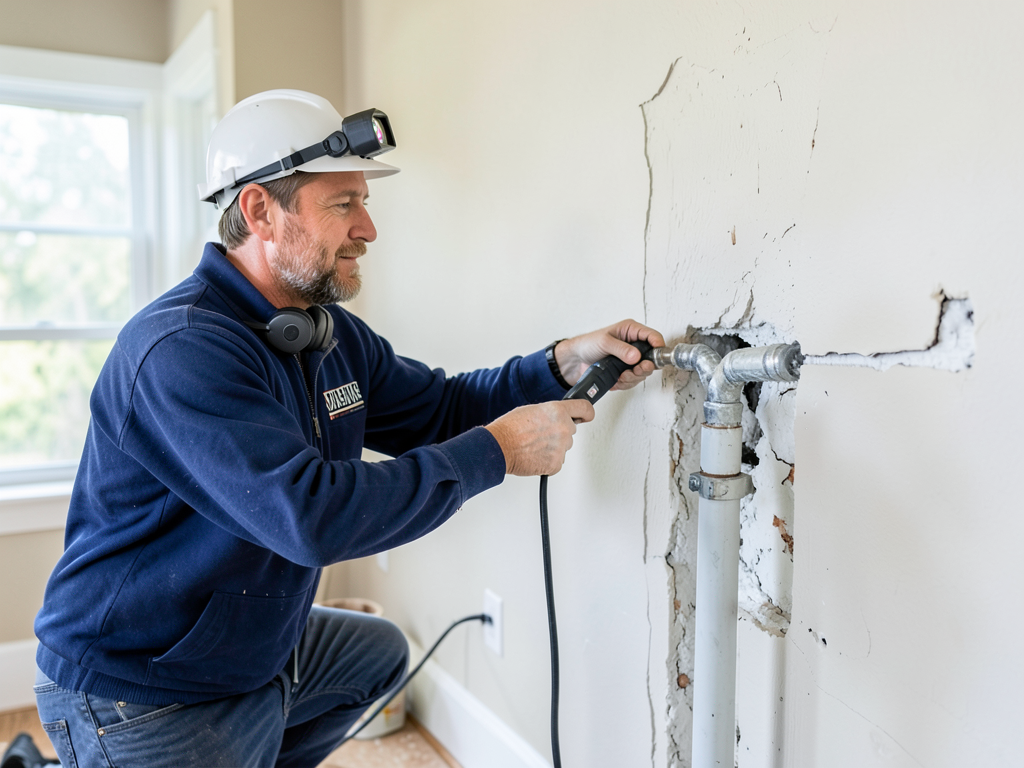
How to Safely Thaw an Outdoor Pipe During a Rare Jacksonville Freeze
When Jacksonville temperatures drop below freezing, even for a few hours, outdoor pipes can freeze and burst. This guide walks you through safe thawing methods, how to spot a frozen pipe, and when to call a professional plumber before serious damage occurs.
Immediate Steps: What to Do the Moment You Suspect a Frozen Pipe
Turn off the main water supply valve immediately. This prevents flooding if the pipe has already cracked. Most Jacksonville homes have the main valve near the water meter or in a front yard box. Open the affected faucet to relieve pressure and allow water to escape once thawing begins. How to Get Your Tankless Water Heater Installed at Jacksonville Beach.
Check for visible frost on the pipe or areas where no water flows when you turn on a faucet. If you hear gurgling or see bulging in the pipe, the freeze is likely severe. At this point, time matters—frozen water expands and can split copper or PEX lines within hours. Get Rid of Hard Water for Good with a Water Softener Installation in Ponte Vedra.
Safety First: Methods You Should NEVER Use
Never use an open flame, propane torch, or kerosene heater to thaw a pipe. These create fire hazards and can damage the pipe material, especially in older Jacksonville homes with galvanized steel or copper lines. Avoid pouring boiling water directly on the pipe—this can cause rapid expansion and cracking.
Also steer clear of electrical appliances near standing water. If you suspect a leak or burst, keep power off in that area until a professional inspects it. Safety always comes before speed.
4 Safe Ways to Thaw Your Pipes
Start with a hair dryer on its highest setting. Move it slowly along the frozen section, keeping it at least six inches away from the pipe. Work from the faucet toward the coldest part of the pipe. This method works well for accessible outdoor spigots common in Jacksonville patios and gardens.
Heat lamps or portable space heaters can warm enclosed areas like crawlspaces or outdoor utility closets. Position them safely away from flammable materials and leave them running for 20-30 minutes at a time. For stubborn freezes, wrap the pipe in towels soaked in hot (not boiling) water and replace them every five minutes. Running Toilet Repair.
Heat tape designed for outdoor use provides a controlled thaw for hard-to-reach pipes. Plug it in and wrap it along the pipe according to the manufacturer’s directions. This method works especially well for pipes in Northside and Arlington neighborhoods where homes often have exposed plumbing in utility sheds.
How to Identify the Exact Location of the Freeze
Feel along the pipe for the coldest spot—this often marks the freeze point. In Jacksonville, freezes usually occur in uninsulated sections near outdoor hose bibs, in attics, or along exterior walls facing north or west. These areas lose heat fastest during cold snaps.
Check for condensation or frost buildup. If the pipe is inside a wall, use a non-contact infrared thermometer to scan for temperature drops. A sudden 15-20 degree difference often pinpoints the frozen section. In Mandarin and Riverside historic homes, pay extra attention to crawlspaces and pier foundations where cold air pools.
When to Call a Professional Jacksonville Plumber
If you see water pooling, hear hissing, or notice a drop in water pressure after starting to thaw, the pipe may have burst. Turn off the main valve and call immediately. Also call if the pipe remains frozen after 30-60 minutes of safe thawing attempts.
Pipes running through concrete slabs or behind finished walls often require specialized equipment to locate and repair. A licensed plumber can use thermal imaging to find hidden freezes and replace damaged sections without tearing out entire walls. In Jacksonville’s humid climate, quick action prevents mold growth in damp materials. Quick Slab Leak Detection and Repair for Homeowners in Southside.
Call (904) 839-7199 today if you suspect a burst pipe or need emergency help. We serve Jacksonville, Orange Park, and Macclenny with 24/7 response.
Prevention: How to Stop Pipes from Freezing During a North Florida Cold Snap
Disconnect and drain garden hoses before a freeze. Shut off the indoor valve to outdoor faucets and open the spigot to let any remaining water drain out. In Jacksonville, even a few hours below 32°F can cause damage if water sits in the line. The Best Drain Cleaning Companies for Clogged Pipes in San Marco.
Install foam pipe insulation or heat tape on exposed pipes in attics, crawlspaces, and outdoor utility areas. Jacksonville hardware stores stock pre-slit foam sleeves that slip over pipes easily. For added protection, place an insulated cover over outdoor hose bibs—these cost under $5 and prevent 90% of freeze-related calls we see in Avondale and San Marco.
During extreme cold, let indoor faucets drip slowly. Moving water resists freezing. Keep cabinet doors open under sinks on exterior walls to allow warm air circulation. In older Mandarin homes with pier foundations, close foundation vents to block cold drafts.
Understanding Jacksonville’s Unique Freeze Risk
Jacksonville’s rare freezes catch many homeowners off guard. Unlike northern states, local homes rarely have freeze-resistant plumbing designs. Pipes often run through uninsulated attics or near outdoor walls because sustained cold rarely justifies the added cost of freeze-proofing.
According to the Florida Building Code (FBC) Chapter 4, Section 403.4, plumbing systems must be protected from freezing where frost penetration is a concern. However, Jacksonville’s climate historically exempted most areas from these requirements. That means many homes built before 2010 lack even basic freeze protection. Florida Division of Emergency Management.
During the January 2018 freeze, Jacksonville plumbers responded to over 500 burst pipe calls in a single night. Most damage occurred in neighborhoods with pier-and-beam foundations or homes with outdoor plumbing fixtures. Knowing your home’s construction type helps you prepare before the next cold snap hits.
Post-Thaw Inspection: What to Check After the Ice Melts
Once water flows freely again, inspect the pipe for cracks or splits. Look for damp spots on walls, ceilings, or floors near the thawed area. Even hairline cracks can leak once pressure returns. In Jacksonville’s high-humidity environment, even small leaks can cause mold within 24-48 hours.
Check your water meter after thawing. If the dial continues moving when all fixtures are off, you likely have a hidden leak. Listen for hissing sounds near pipes or notice drops in water pressure—both indicate damage that needs immediate repair.
Consider having a plumber pressure-test your system after any freeze event. This test can reveal weaknesses before they become emergencies. In older Riverside bungalows with galvanized pipes, freezing often accelerates corrosion that was already present.
Local Resources for Freeze Preparation
The City of Jacksonville’s JEA provides winterization tips on its website, including how to locate your main shut-off valve and when to report water main breaks. The Florida Division of Emergency Management also offers freeze preparedness guides specific to North Florida’s climate. City of Jacksonville Emergency Preparedness.
Local hardware stores like Ace Hardware in Orange Park and Home Depot in Mandarin stock freeze protection supplies year-round. Staff can recommend pipe insulation R-values suitable for Jacksonville’s brief but intense cold snaps.
For commercial properties, the Jacksonville Building Inspection Division requires freeze protection for outdoor plumbing in certain zoning districts. Check your property’s compliance status before winter weather hits.
Frequently Asked Questions
How long does it take for pipes to freeze in Jacksonville?
Pipes can freeze in as little as 3-6 hours when temperatures stay below 32°F, especially if they’re exposed or in unheated spaces. Jacksonville’s humid air can accelerate freezing in some cases.
Can I use a heat gun to thaw my pipes?
Heat guns get too hot and can damage pipe materials or start fires. Use a hair dryer on medium heat instead, keeping it moving along the pipe.
What temperature should I worry about for my outdoor pipes?
Temperatures at or below 32°F pose a risk. Jacksonville’s rare freezes often drop to the mid-20s, which can cause rapid freezing in unprotected pipes.
How do I know if my pipe burst but I can’t see water?
Check your water meter for movement when all fixtures are off. Listen for hissing sounds near pipes. Look for damp spots on walls or ceilings. A sudden drop in water pressure also indicates a possible burst.
Should I turn off my water main if I suspect a frozen pipe?
Yes. Turning off the main valve prevents flooding if the pipe has already cracked. It’s the first step in protecting your home from water damage.
Pick up the phone and call (904) 839-7199 before the next storm hits. Our licensed plumbers serve Jacksonville, Orange Park, and Macclenny with 24/7 emergency response for frozen and burst pipes.
{
“@context”: “https://schema.org”,
“@type”: “BlogPosting”,
“headline”: “How to Safely Thaw an Outdoor Pipe During a Rare Jacksonville Freeze”,
“description”: “Learn how to safely thaw frozen pipes during Jacksonville’s rare cold snaps with expert tips from a local plumber. Avoid costly damage and know when to call for emergency help.”,
“wordCount”: 1466,
“datePublished”: “2026-06-11T12:25:00.000Z”,
“dateModified”: “2026-06-11T12:25:00.000Z”,
“inLanguage”: “en-US”,
“mainEntityOfPage”: {
“@type”: “WebPage”,
“@id”: “https://titanplumbingjacksonville.com”
},
“publisher”: {
“@type”: “LocalBusiness”,
“name”: “Titan Plumbing Jacksonville”,
“url”: “https://titanplumbingjacksonville.com”
},
“author”: {
“@type”: “Organization”,
“name”: “Titan Plumbing Jacksonville”,
“url”: “https://titanplumbingjacksonville.com”
},
“image”: {
“@type”: “ImageObject”,
“url”: “https://titanplumbingjacksonville.com/wp-content/uploads/2026/03/how-to-safely-thaw-an-outdoor-pipe-during-a-rare-j-1.png”
}
}
{
“@context”: “https://schema.org”,
“@type”: “Plumber”,
“name”: “Titan Plumbing Jacksonville”,
“url”: “https://titanplumbingjacksonville.com”,
“address”: {
“@type”: “PostalAddress”,
“addressLocality”: “Jacksonville”
},
“areaServed”: {
“@type”: “City”,
“name”: “Jacksonville”
}
}
{
“@context”: “https://schema.org”,
“@type”: “FAQPage”,
“mainEntity”: [
{
“@type”: “Question”,
“name”: “How long does it take for pipes to freeze in Jacksonville?”,
“acceptedAnswer”: {
“@type”: “Answer”,
“text”: “Pipes can freeze in as little as 3-6 hours when temperatures stay below 32°F, especially if they’re exposed or in unheated spaces. Jacksonville’s humid air can accelerate freezing in some cases.”
}
},
{
“@type”: “Question”,
“name”: “Can I use a heat gun to thaw my pipes?”,
“acceptedAnswer”: {
“@type”: “Answer”,
“text”: “Heat guns get too hot and can damage pipe materials or start fires. Use a hair dryer on medium heat instead, keeping it moving along the pipe.”
}
},
{
“@type”: “Question”,
“name”: “What temperature should I worry about for my outdoor pipes?”,
“acceptedAnswer”: {
“@type”: “Answer”,
“text”: “Temperatures at or below 32°F pose a risk. Jacksonville’s rare freezes often drop to the mid-20s, which can cause rapid freezing in unprotected pipes.”
}
},
{
“@type”: “Question”,
“name”: “How do I know if my pipe burst but I can’t see water?”,
“acceptedAnswer”: {
“@type”: “Answer”,
“text”: “Check your water meter for movement when all fixtures are off. Listen for hissing sounds near pipes. Look for damp spots on walls or ceilings. A sudden drop in water pressure also indicates a possible burst.”
}
},
{
“@type”: “Question”,
“name”: “Should I turn off my water main if I suspect a frozen pipe?”,
“acceptedAnswer”: {
“@type”: “Answer”,
“text”: “Yes. Turning off the main valve prevents flooding if the pipe has already cracked. It’s the first step in protecting your home from water damage.”
}
}
]
}
{
“@context”: “https://schema.org”,
“@type”: “BreadcrumbList”,
“itemListElement”: [
{
“@type”: “ListItem”,
“position”: 1,
“name”: “Home”,
“item”: “https://titanplumbingjacksonville.com”
},
{
“@type”: “ListItem”,
“position”: 2,
“name”: “Blog”,
“item”: “https://titanplumbingjacksonville.com/blog”
},
{
“@type”: “ListItem”,
“position”: 3,
“name”: “How to Safely Thaw an Outdoor Pipe During a Rare Jacksonville Freeze”
}
]
}
{
“@context”: “https://schema.org”,
“@type”: “Service”,
“serviceType”: “Plumbing”,
“provider”: {
“@type”: “LocalBusiness”,
“name”: “Titan Plumbing Jacksonville”,
“url”: “https://titanplumbingjacksonville.com”
},
“areaServed”: {
“@type”: “City”,
“name”: “Jacksonville”
},
“description”: “Learn how to safely thaw frozen pipes during Jacksonville’s rare cold snaps with expert tips from a local plumber. Avoid costly damage and know when to call for emergency help.”
}