
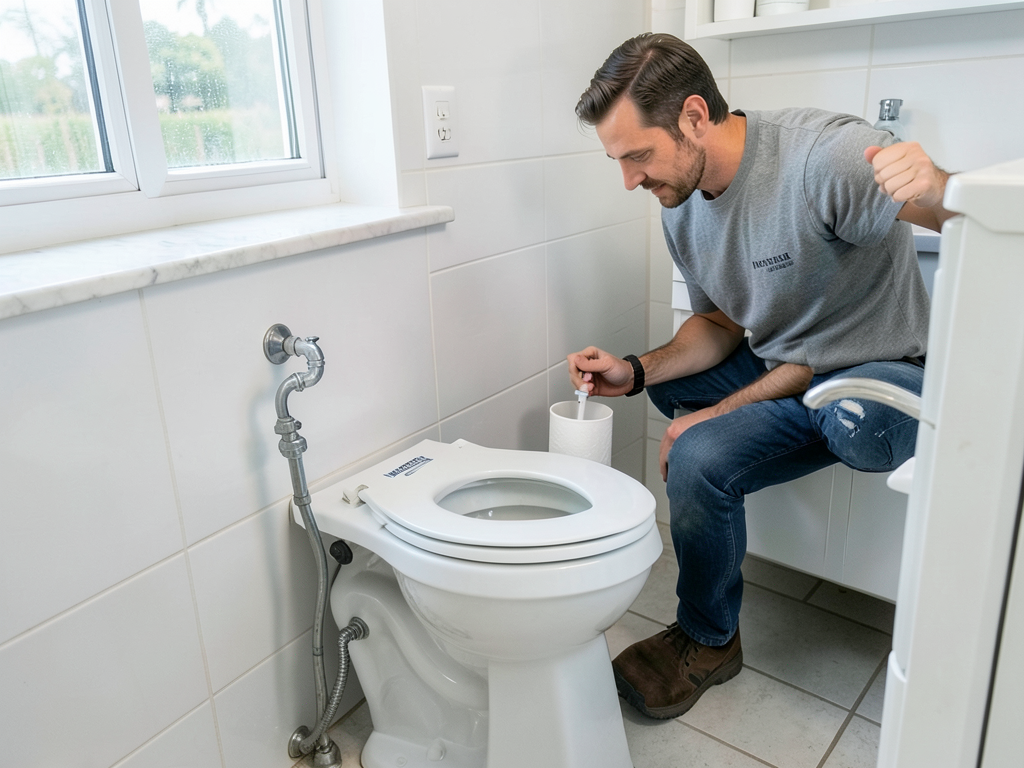
Can Installing Low-Flow Fixtures Really Lower Your JEA Bill in Northside?
Northside homeowners face some of Jacksonville’s highest per-gallon water costs thanks to JEA’s tiered rate structure and combined water-sewer billing. A family of four using standard fixtures can easily run 12,000+ gallons monthly, pushing them into the second or third rate tier where every gallon costs more. Installing WaterSense-labeled low-flow fixtures can cut that usage by 20-60% without sacrificing performance, directly lowering both water and sewer charges on your monthly JEA bill. The savings are real, measurable, and start the moment the fixtures are installed. JEA water rates and rebates.
What Makes a Fixture “Low-Flow” in Jacksonville?
Low-flow fixtures meet strict efficiency standards set by the EPA’s WaterSense program. Toilets must use 1.28 gallons per flush or less compared to older models using 3.5+ gallons. Showerheads are capped at 1.5 gallons per minute versus the old 2.5 GPM standard. Faucet aerators reduce flow to 1.0 GPM or lower. These numbers matter because JEA bills water and sewer based on actual consumption. Using less water means paying less for both services. EPA WaterSense program.
Golden Nugget #1: Jacksonville’s hard water (TDS often 200-400 ppm) causes mineral buildup that can clog low-flow nozzles within 18-24 months, reducing efficiency. Professional cleaning or replacement of aerators every two years maintains the promised flow rates.
Types of Low-Flow Fixtures We Install in Northside Homes
Ultra-High-Efficiency Toilets
Modern UHET toilets use advanced bowl designs and pressure-assisted flush technology to clear waste with just 1.0-1.28 gallons. Dual-flush models offer a 0.8 GPF option for liquid waste. These fixtures eliminate the double-flushing problem common with first-generation low-flow toilets. Running Toilet Repair.
Low-Flow Showerheads That Don’t Feel Weak
Air-injection and laminar-flow technologies mix water with air or create individual water streams to maintain pressure while reducing volume. A 1.5 GPM showerhead with these features feels identical to a 2.5 GPM model but saves 40% of the water. How to Get Your Tankless Water Heater Installed at Jacksonville Beach.
High-Efficiency Faucet Aerators
Swivel aerators with 1.0 GPM flow rates cut sink water use by 45% while maintaining adequate pressure for handwashing and dish rinsing. Some models include pause buttons to stop flow during soaping, saving even more. Get Rid of Hard Water for Good with a Water Softener Installation in Ponte Vedra.
Golden Nugget #2: The Florida Building Code (2020) Section 13 requires all new residential plumbing fixtures to meet WaterSense standards, but many Northside homes built before 2010 still have pre-standard fixtures that waste thousands of gallons annually.
The Jacksonville Benefit: Why Low-Flow Makes Sense Locally
JEA’s current residential water rate starts at $4.19 per 3,000 gallons, then jumps to $5.80 for the next tier, and $7.95 for higher usage. Sewer charges are based on water consumption, so every gallon saved cuts two bills. Northside’s older infrastructure also means more pressure fluctuations that waste water through leaks and inefficient fixtures.
JEA offers the WaterWise Irrigation and Indoor Retrofit Rebate Program, providing up to $50 per toilet and $25 per showerhead when replacing older fixtures with WaterSense models. These rebates can cover 30-50% of installation costs for qualifying homes.. Read more about Why Your High-Efficiency Toilet Keeps Clogging and How to Fix It.
Golden Nugget #3: St. Johns River Water Management District data shows Duval County’s average household uses 9,000-12,000 gallons monthly, but homes with all WaterSense fixtures typically drop to 5,000-7,000 gallons, saving $25-45 monthly on combined bills.
Installation vs. DIY: Why Professional Calibration Matters
Northside homes often have pressure issues from aging supply lines or partially closed valves. Installing low-flow fixtures without addressing these problems can cause poor performance or even damage. Professional plumbers test water pressure (ideally 45-65 psi), check for leaks, and ensure proper venting before installation.
The process includes removing old fixtures, testing drain flow rates to prevent slow drainage, and calibrating thermostatic mixing valves for consistent shower temperatures. DIY installations frequently miss these steps, leading to callbacks and voided warranties. The Best Drain Cleaning Companies for Clogged Pipes in San Marco.
Diagnostic Language: We use a pressure gauge to test static and dynamic water pressure at multiple fixtures. A reading above 80 psi indicates the need for a pressure-reducing valve before installing low-flow fixtures, or they’ll deliver weak, inconsistent flow.
Estimated ROI for Northside Homeowners
| Fixture Type | Average Cost (Installed) | Monthly Water Savings | Monthly Bill Reduction | Payback Period |
|---|---|---|---|---|
| Standard Toilet | $350 | 1,500 gallons | $12 | 2.2 years |
| Standard Showerhead | $150 | 600 gallons | $5 | 2.5 years |
| Standard Faucet Aerator | $50 | 200 gallons | $2 | 2.1 years |
| All Three Combined | $550 | 2,300 gallons | $19 | 2.4 years |
These calculations assume JEA’s current rates and typical Northside household usage patterns. Actual savings vary based on household size, fixture age, and water pressure conditions.
Maintenance and Longevity Considerations
Low-flow fixtures require different maintenance than standard models. Aerators need quarterly cleaning to prevent mineral buildup, especially in Jacksonville’s hard water areas. Toilet fill valves may need adjustment as water pressure fluctuates seasonally.
Quality fixtures from established brands typically last 10-15 years with proper maintenance. Cheaper models often fail within 3-5 years, negating any water savings through replacement costs.
Diagnostic Language: We inspect the mineral deposits on aerators using a magnifying glass. White, crusty buildup indicates calcium carbonate from hard water. Green or blue deposits suggest copper corrosion, requiring different treatment than simple cleaning.
Common Myths About Low-Flow Fixtures
Myth: Low-flow means weak pressure. Reality: Modern fixtures use pressure-compensating technology to maintain feel while reducing volume.
Myth: They don’t work with well water. Reality: Most WaterSense fixtures handle typical well water pressures and mineral content without issues.
Myth: Installation is too expensive. Reality: Combined with JEA rebates and monthly savings, most upgrades pay for themselves in under three years.
Environmental Impact Beyond Your Bill
Reducing water consumption helps Jacksonville’s aquifer recharge rates and decreases energy needed for water treatment and pumping. Every million gallons saved prevents approximately 1.5 tons of CO2 emissions from treatment plants.
Northside’s proximity to the St. Johns River means local water conservation directly supports river health by reducing withdrawal demands during low-flow periods.
Getting Started with Low-Flow Upgrades
The process begins with a water audit to identify the biggest usage sources and any existing pressure or leak issues. We then recommend specific fixtures based on your household’s needs and budget.
Installation typically takes 4-6 hours for a complete bathroom upgrade. Most homeowners see immediate savings on their next JEA bill, with full ROI achieved within 24-36 months depending on usage patterns.
Frequently Asked Questions
Do low-flow fixtures really work as well as standard ones?
Yes. Modern WaterSense fixtures use advanced engineering to maintain performance while using less water. Most people cannot tell the difference in flow or pressure.
Will I need to replace my entire plumbing system?
No. Low-flow fixtures install into existing plumbing connections. The main requirement is adequate water pressure, which we test before recommending any upgrades. Plumbing Macclenny.
How long does installation take?
Most bathroom fixture replacements take 2-3 hours per bathroom. A whole-house upgrade typically completes in one day.
Are there rebates available in Jacksonville?
Yes. JEA offers rebates through their WaterWise program for qualifying fixtures. We handle the rebate paperwork as part of our service.
What if I have hard water?
Hard water affects all fixtures over time. We recommend specific models with corrosion-resistant components and provide maintenance guidance for your specific water conditions.
Ready to Lower Your JEA Bill?
Installing low-flow fixtures is one of the smartest home investments you can make in Northside. The combination of immediate monthly savings, JEA rebates, and environmental benefits creates a win-win situation for your wallet and our community.
Call (904) 839-7199 today to schedule your free water audit and learn exactly how much you could save on your next JEA bill. Our Northside plumbing experts will evaluate your current fixtures, test your water pressure, and provide a customized upgrade plan with exact ROI projections.
Don’t wait for the next high bill to take action. Pick up the phone and call (904) 839-7199 before your next JEA statement arrives. Your wallet and the environment will thank you.
Golden Nugget #4: The EPA’s WaterSense specification 2.0, effective January 2026, requires all certified fixtures to maintain minimum flow rates even at 20 psi, addressing the low-pressure complaints that plagued early low-flow models in areas like Northside with aging infrastructure.
{
“@context”: “https://schema.org”,
“@type”: “BlogPosting”,
“headline”: “Can Installing Low-Flow Fixtures Really Lower Your JEA Bill in Northside?”,
“description”: “Discover how low-flow fixtures cut JEA water bills in Northside. Learn about WaterSense standards, rebates, and ROI based on Jacksonville’s actual water rates and plumbing codes.”,
“wordCount”: 1374,
“datePublished”: “2026-06-12T15:20:00.000Z”,
“dateModified”: “2026-06-12T15:20:00.000Z”,
“inLanguage”: “en-US”,
“mainEntityOfPage”: {
“@type”: “WebPage”,
“@id”: “https://titanplumbingjacksonville.com”
},
“publisher”: {
“@type”: “LocalBusiness”,
“name”: “Titan Plumbing Jacksonville”,
“url”: “https://titanplumbingjacksonville.com”
},
“author”: {
“@type”: “Organization”,
“name”: “Titan Plumbing Jacksonville”,
“url”: “https://titanplumbingjacksonville.com”
},
“image”: {
“@type”: “ImageObject”,
“url”: “https://titanplumbingjacksonville.com/wp-content/uploads/2026/03/can-installing-low-flow-fixtures-really-lower-your-1.png”
}
}
{
“@context”: “https://schema.org”,
“@type”: “Plumber”,
“name”: “Titan Plumbing Jacksonville”,
“url”: “https://titanplumbingjacksonville.com”,
“address”: {
“@type”: “PostalAddress”,
“addressLocality”: “Jacksonville”
},
“areaServed”: {
“@type”: “City”,
“name”: “Jacksonville”
}
}
{
“@context”: “https://schema.org”,
“@type”: “FAQPage”,
“mainEntity”: [
{
“@type”: “Question”,
“name”: “What Makes a Fixture \”Low-Flow\” in Jacksonville?”,
“acceptedAnswer”: {
“@type”: “Answer”,
“text”: “Low-flow fixtures meet strict efficiency standards set by the EPA’s WaterSense program. Toilets must use 1.28 gallons per flush or less compared to older models using 3.5+ gallons. Showerheads are capped at 1.5 gallons per minute versus the old 2.5 GPM standard. Faucet aerators reduce flow to 1.0 GPM or lower. These numbers matter because JEA bills water and sewer based on actual consumption. Using less water means paying less for both services. EPA WaterSense program.”
}
},
{
“@type”: “Question”,
“name”: “Do low-flow fixtures really work as well as standard ones?”,
“acceptedAnswer”: {
“@type”: “Answer”,
“text”: “Yes. Modern WaterSense fixtures use advanced engineering to maintain performance while using less water. Most people cannot tell the difference in flow or pressure.”
}
},
{
“@type”: “Question”,
“name”: “Will I need to replace my entire plumbing system?”,
“acceptedAnswer”: {
“@type”: “Answer”,
“text”: “No. Low-flow fixtures install into existing plumbing connections. The main requirement is adequate water pressure, which we test before recommending any upgrades. Plumbing Macclenny.”
}
},
{
“@type”: “Question”,
“name”: “How long does installation take?”,
“acceptedAnswer”: {
“@type”: “Answer”,
“text”: “Most bathroom fixture replacements take 2-3 hours per bathroom. A whole-house upgrade typically completes in one day.”
}
},
{
“@type”: “Question”,
“name”: “Are there rebates available in Jacksonville?”,
“acceptedAnswer”: {
“@type”: “Answer”,
“text”: “Yes. JEA offers rebates through their WaterWise program for qualifying fixtures. We handle the rebate paperwork as part of our service.”
}
},
{
“@type”: “Question”,
“name”: “What if I have hard water?”,
“acceptedAnswer”: {
“@type”: “Answer”,
“text”: “Hard water affects all fixtures over time. We recommend specific models with corrosion-resistant components and provide maintenance guidance for your specific water conditions.”
}
},
{
“@type”: “Question”,
“name”: “Ready to Lower Your JEA Bill?”,
“acceptedAnswer”: {
“@type”: “Answer”,
“text”: “Installing low-flow fixtures is one of the smartest home investments you can make in Northside. The combination of immediate monthly savings, JEA rebates, and environmental benefits creates a win-win situation for your wallet and our community.”
}
}
]
}
{
“@context”: “https://schema.org”,
“@type”: “BreadcrumbList”,
“itemListElement”: [
{
“@type”: “ListItem”,
“position”: 1,
“name”: “Home”,
“item”: “https://titanplumbingjacksonville.com”
},
{
“@type”: “ListItem”,
“position”: 2,
“name”: “Blog”,
“item”: “https://titanplumbingjacksonville.com/blog”
},
{
“@type”: “ListItem”,
“position”: 3,
“name”: “Can Installing Low-Flow Fixtures Really Lower Your JEA Bill in Northside?”
}
]
}
{
“@context”: “https://schema.org”,
“@type”: “Service”,
“serviceType”: “Plumbing”,
“provider”: {
“@type”: “LocalBusiness”,
“name”: “Titan Plumbing Jacksonville”,
“url”: “https://titanplumbingjacksonville.com”
},
“areaServed”: {
“@type”: “City”,
“name”: “Jacksonville”
},
“description”: “Discover how low-flow fixtures cut JEA water bills in Northside. Learn about WaterSense standards, rebates, and ROI based on Jacksonville’s actual water rates and plumbing codes.”
}