


Menu

Plumbing Inspection Checklist for Jacksonville Homes – Catch Small Problems Before They Become Costly Disasters

A comprehensive plumbing inspection checklist helps Jacksonville homeowners identify hidden leaks, corroded pipes, and drainage issues before they lead to water damage, foundation problems, or emergency repairs that cost thousands.

Slider Image 1
Slider Image 2
Slider Image 3
Slider Image 4
Slider Image 5
Slider Image 7
Slider Image 8
Slider Image 9
Slider Image 10
Slider Image 11

Why Jacksonville Homes Need Regular Plumbing System Inspections

Jacksonville's combination of high humidity, aging infrastructure, and aggressive groundwater chemistry creates a perfect storm for plumbing deterioration. The coastal environment accelerates corrosion in galvanized pipes, while the region's flat topography and high water table put constant pressure on underground sewer lines. Homes in Riverside, San Marco, and other historic neighborhoods often feature plumbing systems installed 50 to 100 years ago, with cast iron drain lines that corrode from the inside out.

A proper home plumbing inspection list addresses these location-specific challenges. Without regular inspection, small issues hide behind walls and under slabs until they create catastrophic failures. A pinhole leak in a supply line can dump hundreds of gallons into your crawlspace before you notice moisture stains on the ceiling. Tree roots seeking moisture penetrate aging clay sewer pipes, causing backups that flood your yard with raw sewage.

Your residential plumbing checkup list should cover every system component twice annually. This frequency accounts for Jacksonville's year-round humidity and the stress placed on fixtures during peak summer usage when irrigation systems, air conditioning condensate lines, and increased shower frequency all demand more from your plumbing infrastructure.

A preventative plumbing maintenance checklist saves money by catching deterioration early. Replacing a corroded angle stop costs $150. Repairing the water damage after that angle stop fails during a vacation costs $8,000. The math is simple. Regular inspection transforms your plumbing from a liability into a predictable maintenance item you control instead of an emergency that controls you.

Why Jacksonville Homes Need Regular Plumbing System Inspections
The Complete Plumbing System Inspection Guide

The Complete Plumbing System Inspection Guide

A thorough plumbing maintenance checklist examines both visible components and hidden infrastructure. Start with supply lines. Check every angle stop under sinks and toilets for corrosion, calcium buildup, and smooth operation. A valve that has not been exercised in five years will likely break when you need it during an emergency. Turn each valve a quarter turn, then back, to maintain operability.

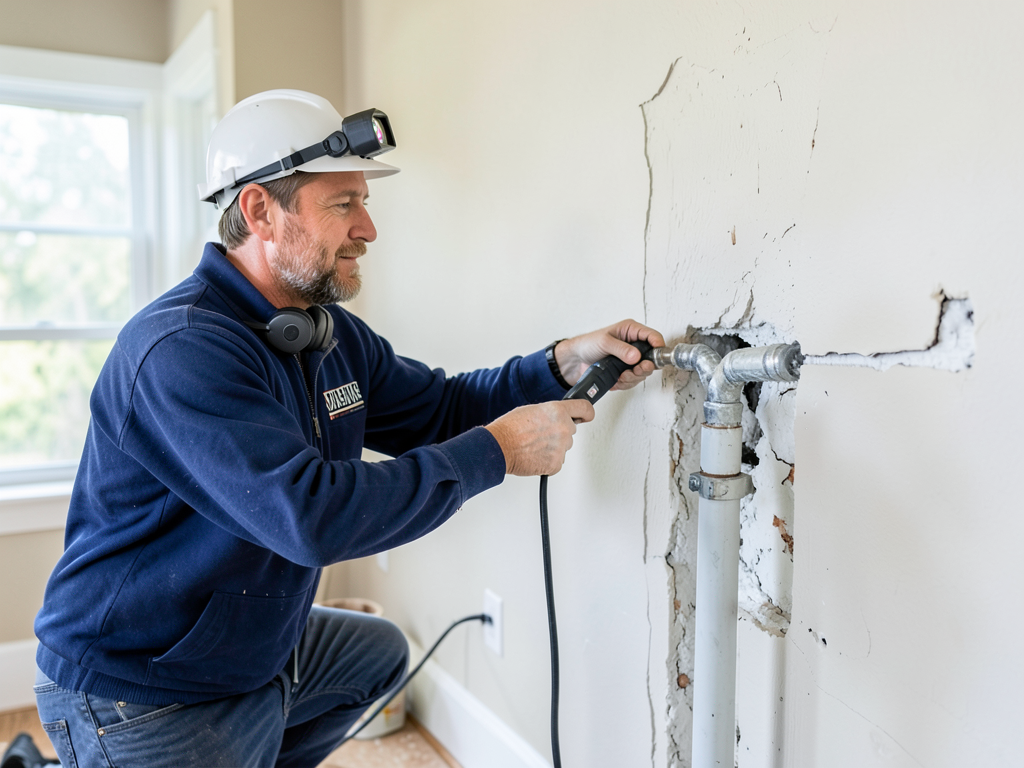
Inspect drain lines for slow drainage, gurgling sounds, and odors. These symptoms indicate partial blockages or venting problems. In Jacksonville homes with cast iron drains, interior corrosion creates rough surfaces that catch debris and accelerate clog formation. A camera inspection reveals the true condition of these hidden lines before they collapse.

Examine water heater components systematically. Check the TPR valve discharge pipe for proper termination. Inspect the anode rod annually in areas with aggressive water chemistry like Jacksonville. The rod sacrifices itself to protect the tank, but once depleted, the tank corrodes rapidly. Flush sediment that accumulates at the tank bottom, reducing efficiency and creating hotspots that weaken the steel.

Your plumbing inspection checklist must include outdoor components. Hose bibs and irrigation backflow preventers face Jacksonville's temperature swings and UV exposure. Inspect lawn sprinkler valves for leaks that waste hundreds of gallons daily. Check the main water meter during a period of zero usage. If the dial moves, you have a hidden leak somewhere in the system.

Sewer line inspection belongs on every preventative plumbing maintenance checklist. Video inspection identifies root intrusion, bellied sections where waste accumulates, and joint separation before you experience a backup. This proactive approach prevents the nightmare scenario of sewage flooding your home during a holiday weekend.

How Your Plumbing Inspection Works

Plumbing Inspection Checklist for Jacksonville Homes – Catch Small Problems Before They Become Costly Disasters
01

Initial System Assessment

We begin by documenting your home's age, plumbing material types, and any previous issues or repairs. This background helps identify high-risk components common to your home's vintage and construction. We test static water pressure at multiple fixtures to establish baseline performance and identify pressure irregularities that indicate supply line restrictions or failing pressure regulators.
02

Component-by-Component Inspection

Each fixture, valve, and appliance connection receives individual attention. We check for active leaks, corrosion, proper venting, and code compliance. Supply line inspection includes checking for polybutylene or other problematic materials that insurance companies flag. Drain testing identifies slow flow patterns that predict future clogs. Water heater inspection covers all safety devices, proper combustion if gas-fired, and signs of pending tank failure.
03

Documentation and Priority Report

You receive a detailed report categorizing findings by urgency. Immediate concerns like active leaks or safety hazards appear first. Near-term issues like corroded angle stops come next. Long-term considerations like aging water heaters round out the report. This prioritization helps you budget repairs strategically instead of facing surprise emergencies. The report becomes a maintenance roadmap for the coming year.

Why Jacksonville Homeowners Trust Local Plumbing Expertise

Generic inspection checklists miss location-specific problems that plague Jacksonville plumbing systems. National franchise inspectors follow cookie-cutter protocols that overlook regional issues like aggressive groundwater chemistry attacking copper supply lines or high water tables causing chronic slab leak problems in Southside neighborhoods.

Titan Plumbing Jacksonville knows the difference between cosmetic corrosion and structural failure in the specific pipe materials used throughout Duval County's development history. We recognize the symptoms of clay sewer pipe failure common in pre-1970s construction. We understand how Jacksonville's sandy soil shifts differently than clay-based soils in other regions, creating unique stress patterns on underground plumbing.

Local building code knowledge matters during inspection. Jacksonville adopted specific provisions addressing corrosion resistance in coastal environments. A proper inspection verifies compliance with these local amendments, not just generic plumbing codes. This expertise becomes critical if you plan to sell your home. Buyers increasingly request detailed plumbing inspections, and deficiencies become negotiation points that affect your selling price.

Experience with Jacksonville's municipal water system informs our inspection priorities. We know which neighborhoods receive particularly aggressive water treatment that accelerates fixture deterioration. We understand seasonal pressure variations in different service zones and how they stress your plumbing differently than homes in other areas.

Insurance companies increasingly require documentation of plumbing system condition, especially for older homes. Our inspection reports satisfy these requirements while identifying problems that could void coverage if left unaddressed. A documented leak that you ignore becomes an excluded claim. An inspection that catches it before damage occurs protects both your home and your insurance protection.

What Your Plumbing Inspection Includes

Inspection Timing and Duration

A comprehensive plumbing inspection takes two to three hours for an average home, longer for larger properties or homes with multiple water heaters and complex irrigation systems. We schedule inspections at your convenience, including evenings and weekends. Same-week appointments are typically available. The inspection occurs while you occupy the home, so there is no need to vacate or make special arrangements. We examine accessible components without destructive investigation unless you authorize specific exploratory work based on preliminary findings.

Testing and Diagnostic Methods

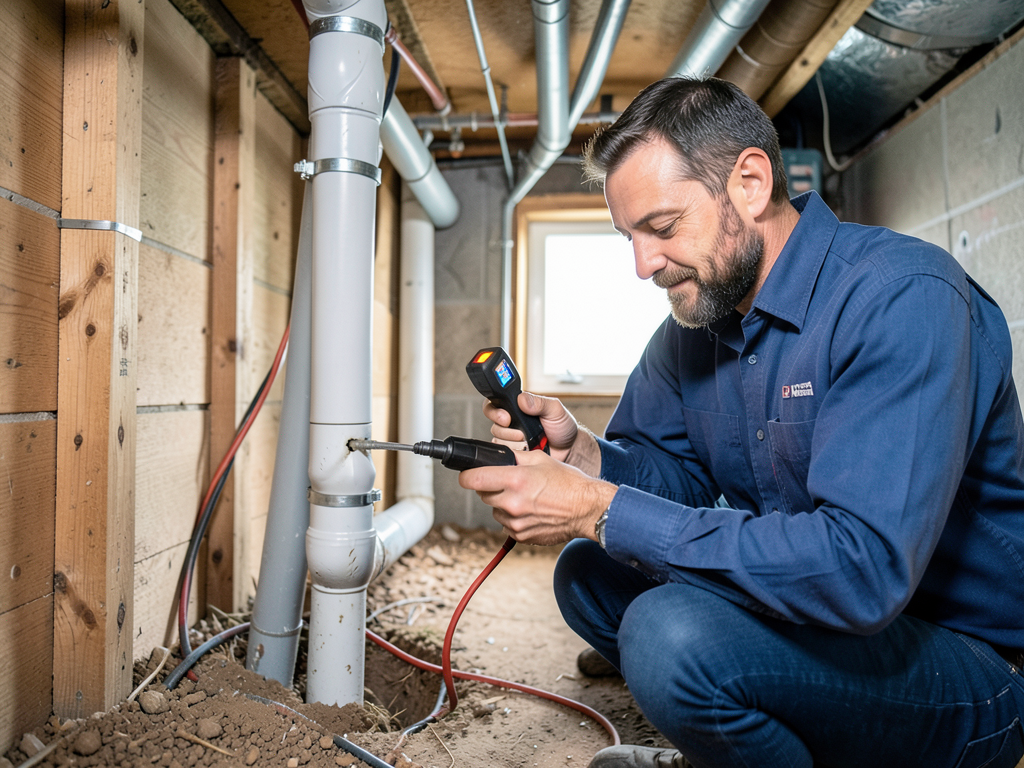
We use multiple diagnostic tools to evaluate system condition. Pressure testing identifies weak points in supply lines. Thermal imaging detects hidden leaks behind walls and under slabs. Video camera inspection examines drain line interiors without excavation. Water quality testing measures pH and mineral content that affect fixture lifespan. Flow testing at multiple fixtures simultaneously reveals whether your system meets current demand and has capacity for future additions like a second bathroom or outdoor kitchen.

Detailed Reporting and Photography

Your inspection report includes photographs of every deficiency and component of concern. You see exactly what we see, with clear explanations of the problem, its implications, and recommended solutions. We provide both immediate priorities and long-term planning items. The report format works for insurance documentation, real estate transactions, or personal maintenance planning. You receive both digital and printed copies. Video footage from drain camera inspection is included when performed, giving you permanent documentation of underground line condition.

Follow-Up and Maintenance Planning

After inspection, we provide a customized maintenance schedule based on your home's specific components and conditions. This schedule tells you when to flush your water heater, exercise shutoff valves, clean aerators, and inspect visible supply lines. We offer annual re-inspection services to track component aging and catch new problems early. If you choose to address repairs identified during inspection, we provide detailed estimates with multiple options at different price points, helping you make informed decisions about your home's plumbing infrastructure.

Frequently Asked Questions

You Have Questions,
We Have Answers

What is included in a plumbing inspection? +

A plumbing inspection covers your water supply lines, drain and waste pipes, water heater, fixtures like sinks and toilets, and visible pipe connections. The inspector checks for leaks, corrosion, water pressure issues, and drainage performance. In Jacksonville, inspectors pay extra attention to humidity-related pipe corrosion and galvanized pipe degradation common in older homes near the St. Johns River. They also examine your main sewer line for root intrusion from Southern live oaks and test shut-off valves. The goal is identifying problems before they become emergencies or failed closings.

What are the 7 steps of the inspection process? +

The inspection process starts with visual assessment of exposed pipes and fixtures. Step two involves testing water pressure at multiple points. Third, the inspector runs all faucets and drains to check flow and drainage speed. Fourth, they examine the water heater for age, sediment buildup, and proper venting. Fifth, they check toilets for leaks and proper flushing. Sixth, they inspect under sinks for moisture or active leaks. Finally, they document findings with photos and notes. Jacksonville inspectors often add sewer camera inspection to spot hidden issues in older clay pipes.

What things are big red flags in a home inspection? +

Major red flags include active water leaks, rust stains on ceilings or walls, low water pressure throughout the home, slow drains in multiple locations, and visible pipe corrosion. Water heaters older than 12 years raise concerns. Foundation cracks paired with plumbing issues suggest slab leaks. In Jacksonville homes, polybutylene pipes installed in the 1980s and 1990s are immediate red flags due to failure rates. Sewage odors point to venting problems or broken drain lines. Galvanized pipes in pre-1960s homes near coastal areas often show severe interior corrosion from our high mineral content water.

What are the 5 main items you should inspect for at a drain detail? +

At drain details, you must inspect the trap configuration for proper P-trap installation and venting. Check pipe slope to ensure gravity flow meets code requirements. Look for signs of leaking at joints and connections. Examine pipe material condition for cracks, corrosion, or deterioration. Finally, assess cleanout access points for future maintenance. Jacksonville's clay soil can shift and create negative slope in drain lines over time. Homes in Riverside and Avondale with original cast iron drains need careful inspection for internal rust buildup that reduces flow capacity and causes frequent backups.

How much should a plumbing inspection cost? +

Plumbing inspections in Jacksonville range from basic walk-throughs to comprehensive evaluations. A standard pre-purchase inspection runs between two and four hundred dollars. Adding sewer camera inspection increases the cost but reveals hidden problems in underground lines. Older homes in historic neighborhoods like Springfield warrant more thorough inspections. Investment properties need commercial-grade evaluations. Price depends on home size, age, and scope of inspection. Get written estimates before scheduling. The cost is minimal compared to repairing undiscovered slab leaks or replacing entire sewer lines after closing on your Jacksonville home.

What is the 135 rule for plumbing? +

The 135 rule refers to pitch requirements for horizontal drain pipes. For every foot of horizontal run, the pipe must slope downward one-quarter inch. This translates to approximately 135 degrees when measured from horizontal. Proper slope ensures waste flows by gravity without backing up or leaving residue that causes clogs. Jacksonville's flat terrain makes achieving correct pitch challenging during installation. Homes built on filled lots near the Intracoastal often have settling issues that alter original pipe slope over time. Inspectors check pitch with levels to verify compliance with Florida Building Code requirements.

What should be included in an inspection checklist? +

Your inspection checklist should document water supply line condition and material type. Include all visible pipe connections and joints. List every fixture with notes on performance and leaks. Document water heater age, capacity, and condition. Record drain performance at each fixture. Note water pressure readings. Include shut-off valve locations and functionality. For Jacksonville homes, add sewer line material identification and condition assessment. Document any visible corrosion or rust. Include photos of problem areas. Note the presence of outdated materials like polybutylene or galvanized pipes. Record any code violations or safety hazards requiring immediate attention.

What are the 4 types of inspections? +

The four main plumbing inspection types are pre-purchase home inspections before buying property, maintenance inspections for preventive care, final inspections after new construction or remodeling work, and emergency diagnostic inspections when problems occur. Pre-purchase inspections protect buyers from inheriting expensive repairs. Maintenance inspections catch small issues before they escalate. Final inspections verify work meets Jacksonville building codes and permit requirements. Diagnostic inspections pinpoint the source of leaks, low pressure, or drainage problems. Each type serves a different purpose but all follow systematic evaluation methods to assess your plumbing system comprehensively.

What's needed to pass an inspection? +

Passing inspection requires all plumbing work to meet Florida Building Code and Jacksonville standards. Pipes must be properly sized, supported, and pitched correctly. All connections need secure joints without leaks. Water pressure must fall between 40 and 80 psi. Drain and vent pipes need correct configuration and sizing. Fixtures must be properly installed and functional. Shut-off valves need accessibility. Water heaters require proper venting and temperature-pressure relief valves. In Jacksonville, inspectors verify backflow prevention devices where required. All work must match permitted plans. Failed inspections require corrections before approval.

What will make you fail a home inspection? +

You fail home inspection when inspectors find active leaks, severely corroded pipes, non-functional fixtures, or dangerous conditions like gas leaks. Improperly vented water heaters create carbon monoxide risks. Missing or broken shut-off valves fail inspection. Polybutylene pipes often trigger repair negotiations or failed deals. In Jacksonville, collapsed sewer lines or extensive root intrusion cause failures. Major water pressure problems indicate supply line issues. Foundation cracks with plumbing damage suggest costly slab leaks. Cross-connections without backflow prevention fail code compliance. Outdated electrical on water heaters raises red flags. Any life-safety issue stops the transaction.

How Jacksonville's Coastal Environment Affects Your Plumbing Inspection Priorities

Jacksonville's location at the confluence of the St. Johns River and the Atlantic Ocean creates unique challenges for residential plumbing systems. The high water table in areas like Beaches communities and Arlington puts constant hydrostatic pressure on foundation plumbing and sewer lines. Groundwater chemistry in coastal zones contains elevated chloride levels that accelerate copper pipe corrosion, particularly at soldered joints where dissimilar metals meet. A home plumbing inspection list must account for these location-specific failure patterns. Homes within two miles of the coast face accelerated exterior fixture deterioration from salt air exposure. Your plumbing system inspection guide should prioritize these vulnerable components based on your specific neighborhood's proximity to saltwater and elevation relative to the water table.

Jacksonville's development patterns created distinct plumbing profiles by neighborhood and construction era. Riverside and Avondale feature early 20th-century homes with galvanized supply lines and cast iron drains now reaching end-of-life. Mandarin and Julington Creek homes from the 1980s often contain polybutylene supply lines that insurance companies view as high-risk. Beach Boulevard corridor construction from the 1960s and 1970s frequently used materials and installation methods that do not meet current standards. A preventative plumbing maintenance checklist must reflect these neighborhood-specific considerations. Local expertise identifies which problems to expect based on when and where your home was built, focusing inspection efforts on the components most likely to fail in your specific property.
Plumbing Services in The Jacksonville Area

We are proud to serve the entire Jacksonville community and surrounding areas, providing top-tier plumbing services wherever you are. Whether you need an emergency repair or a new installation, our team is always ready to travel to your location. View our service area on the map below and contact us to schedule your service.

Address:
Titan Plumbing Jacksonville, 830 Cassat Ave, Jacksonville, FL, 32205

Additional Services We Offer

Our news updates

Latest Articles & News from The Blogs

Can Installing Low-Flow Fixtures Really Lower Your JEA Bill in Northside? Northside homeowners face some of Jacksonville’s highest per-gallon water…

Can Installing Low-Flow Fixtures Really Lower Your JEA Bill in Northside?

Can Installing Low-Flow Fixtures Really Lower Your JEA Bill in Northside? Northside homeowners face some of Jacksonville’s highest per-gallon water…

How to Safely Thaw an Outdoor Pipe During a Rare Jacksonville Freeze

How to Safely Thaw an Outdoor Pipe During a Rare Jacksonville Freeze When Jacksonville temperatures drop below 32°F, which happens…

How to Safely Thaw an Outdoor Pipe During a Rare Jacksonville Freeze

How to Safely Thaw an Outdoor Pipe During a Rare Jacksonville Freeze When Jacksonville temperatures drop below freezing, even for…

Contact Us

Prevent expensive emergencies with a thorough plumbing system inspection. Call Titan Plumbing Jacksonville at (904) 839-7199 to schedule your inspection this week. We identify problems before they cause damage, saving you thousands in avoided repairs.