




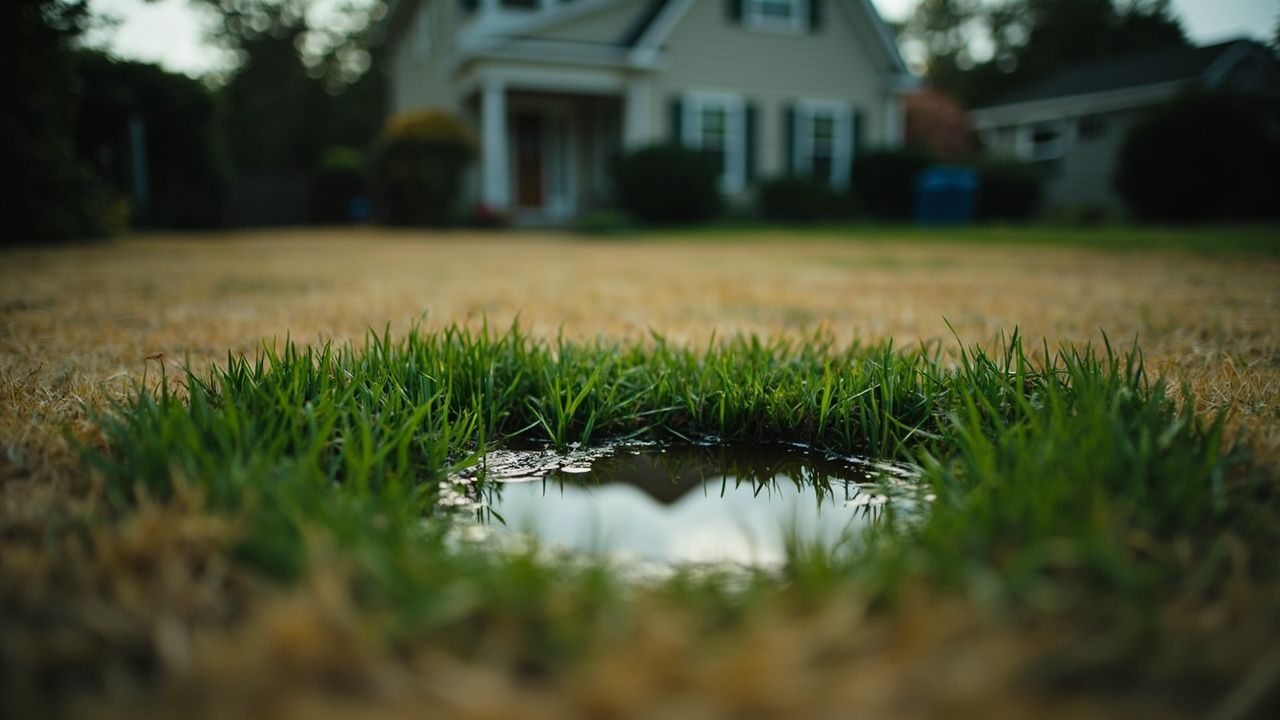
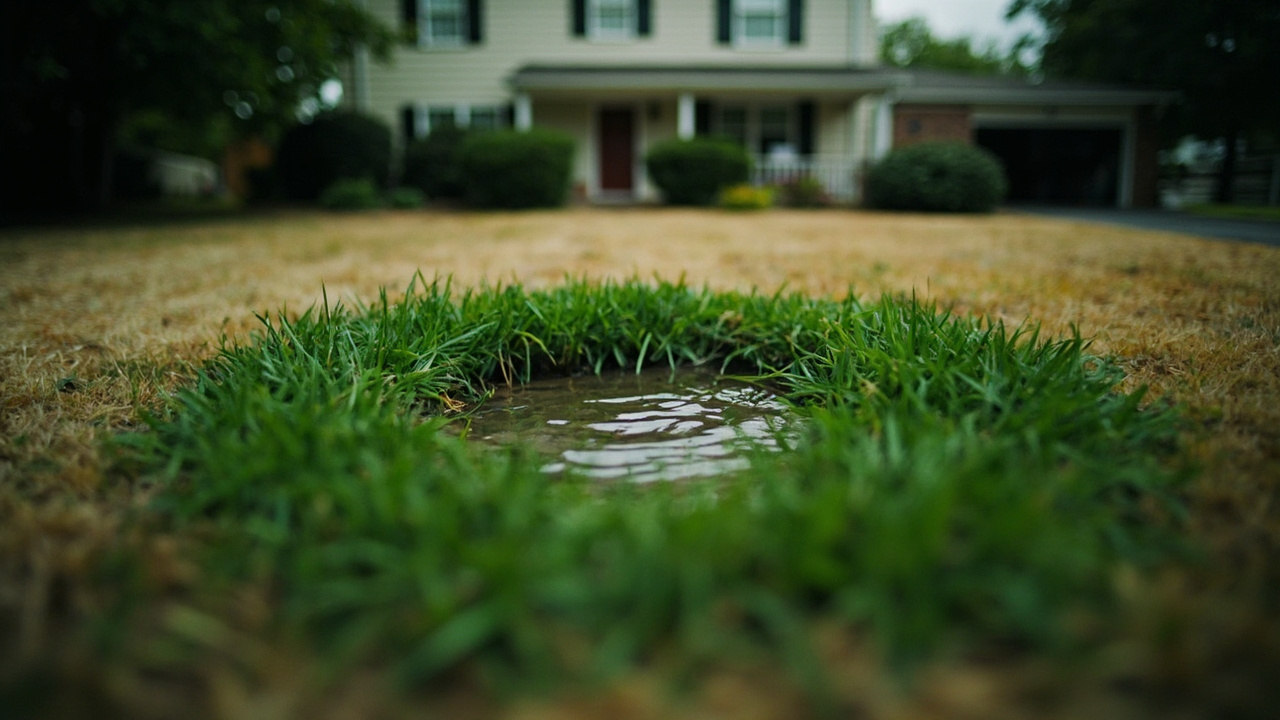

Jacksonville sits on a sandy coastal plain with a water table that fluctuates seasonally between two and ten feet below surface. This shallow aquifer means that any underground pipe leak quickly saturates the soil and creates pooling water in yard areas. The sandy substrate drains vertically faster than it drains laterally, so water from a broken pipe often travels sideways along clay lenses before surfacing. This creates soggy patches in lawn that appear far from the actual pipe failure. Effective leak detection here requires understanding this subsurface hydrology to avoid digging in the wrong location and missing the source entirely.
Plumbing contractors operating in Jacksonville must adapt their methods to local conditions that don't exist in drier climates. The high humidity prevents soil from ever drying completely, making visual moisture detection unreliable. Tree root intrusion is aggressive here because roots seek the moisture gradient created by leaking pipes. We see this pattern repeatedly in neighborhoods with mature landscaping. Our familiarity with Jacksonville's infrastructure age and typical pipe materials allows us to anticipate problems before they escalate. Choosing a local specialist means you benefit from this accumulated knowledge rather than paying for a learning curve.