
Why Your Brand New Shower Has Weak Pressure and How a Professional Can Fix It
Installing a new shower head should mean better pressure and a more enjoyable shower experience. But many Jacksonville homeowners find themselves standing under a disappointing trickle instead. The good news is that weak pressure in a new shower head is usually caused by simple issues that can be fixed quickly by a professional plumber. Quick Slab Leak Detection and Repair for Homeowners in Southside.
Before you return that expensive new fixture or start tearing into your plumbing, understanding the common causes can save you time and frustration. Most problems stem from either the shower head design itself or installation issues that are easy to correct. Plumbing Macclenny.
The #1 Reason New Shower Heads Have Low Pressure: The Flow Restrictor
The most common culprit behind weak pressure in new shower heads is the flow restrictor. Federal regulations require all shower heads to limit water flow to 2.5 gallons per minute (GPM) to conserve water. Many modern shower heads, especially those labeled as “eco-friendly” or “water-saving,” have even more restrictive flow rates of 1.8 GPM or lower. How to Get Your Tankless Water Heater Installed at Jacksonville Beach.
These flow restrictors are small plastic or metal pieces with tiny holes that limit water volume. While they help save water and reduce utility bills, they can make your shower feel weak, especially if you have low water pressure to begin with. In Jacksonville, where the average home water pressure ranges from 40 to 60 PSI, these restrictors can be particularly noticeable. Get Rid of Hard Water for Good with a Water Softener Installation in Ponte Vedra.
Removing or adjusting the flow restrictor can often restore the pressure you expect. However, this should be done carefully to maintain water efficiency and comply with local regulations. A professional plumber can assess whether removing the restrictor is appropriate for your specific situation and water pressure levels.. Read more about Traditional Tank or Tankless Water Heaters – Which One Actually Saves You More Money in Orange Park?.
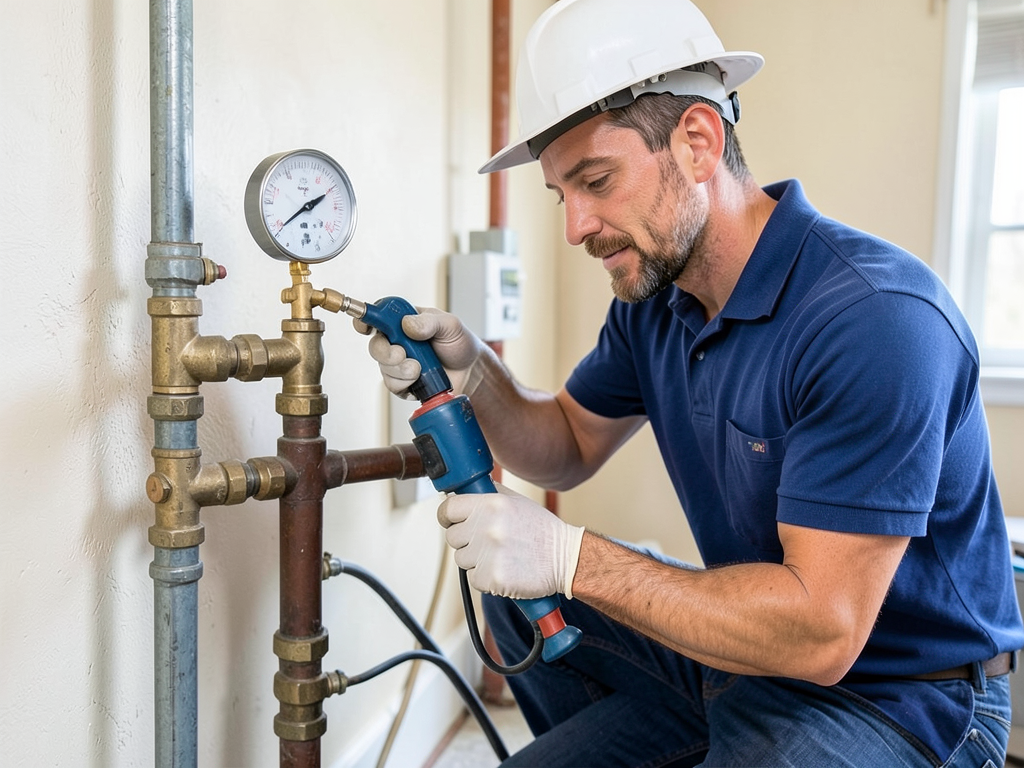
Diagram showing the internal components of a typical shower head with the flow restrictor highlighted and labeled.
Quick Troubleshooting Steps You Can Do Yourself
Before calling a professional, there are several simple checks you can perform to identify the source of your pressure problem. These steps can help you determine whether the issue is with the shower head itself or your home’s plumbing system.
- Check the Water Supply Valve
Locate the shut-off valve behind your shower wall or in an access panel. Ensure it is fully open by turning it counterclockwise until it stops. Partially closed valves are a common cause of weak pressure.
- Remove and Inspect the Shower Head
Unscrew the shower head from the shower arm and check for debris or mineral buildup. Hard water in Jacksonville can cause calcium deposits to form quickly, even in new fixtures.. Read more about Fast Faucet and Fixture Upgrades for Your Bathroom in Deerwood.
- Test Without the Shower Head
Turn on the water with the shower head removed to see if you have good pressure from the shower arm. If pressure is strong without the head, the problem is in the shower head itself.. Read more about Why Flushing Your Water Heater Once a Year Is Non-Negotiable in Jacksonville.
- Check for Kinks or Damage
Examine the shower hose if you have a handheld shower. Look for kinks, twists, or visible damage that could restrict water flow.
If these steps don’t resolve your pressure issues, the problem likely lies deeper in your plumbing system or requires professional tools and expertise to diagnose properly.
Jacksonville-Specific Water Issues: Hard Water and Sediment Buildup
Jacksonville’s water supply comes from the Floridan Aquifer, which contains high levels of dissolved minerals, particularly calcium and magnesium. This “hard water” is a significant factor in shower head performance issues, even with brand new fixtures.
Hard water can cause mineral scale to form on the internal components of your shower head within days or weeks of installation. This scale buildup narrows water passages and reduces flow, creating the weak pressure you’re experiencing. The problem is especially pronounced in older Jacksonville neighborhoods like Riverside and San Marco, where homes may have galvanized steel pipes that are prone to internal corrosion and scale accumulation.
According to the U.S. Geological Survey, water hardness in Duval County typically ranges from 180 to 300 parts per million (ppm), which falls into the “very hard” category. This level of hardness means that even new fixtures can develop performance issues quickly without proper maintenance or water treatment.
Professional plumbers in Jacksonville often recommend installing water softeners or using specific cleaning solutions to prevent mineral buildup. They can also assess whether your home’s plumbing system is contributing to pressure problems through corrosion or inadequate pipe sizing. The Best Drain Cleaning Companies for Clogged Pipes in San Marco.
When the Problem Isn’t the Shower Head (Whole-Home Pressure Issues)
Sometimes the issue extends beyond the shower head to your entire home’s water system. Several factors can affect water pressure throughout your house, and identifying these can help determine if you need more comprehensive plumbing work.
The Pressure Reducing Valve (PRV) is a critical component that controls water pressure entering your home. If your PRV is set too low or malfunctioning, you’ll experience weak pressure at every fixture, not just your new shower head. Most homes in Jacksonville have PRVs set between 40 and 60 PSI, but older units may need adjustment or replacement.. Read more about The Major Differences Between Well Water and City Water in Clay County and Fruit Cove.
Another common issue is sediment displacement during installation. When you remove an old shower head, it can dislodge mineral deposits and debris that have accumulated in your pipes over years. This sediment can travel to your new shower head and clog the flow restrictor or spray nozzles, causing immediate pressure problems.
Pipe diameter also plays a crucial role in water pressure. Older homes, particularly those built before the 1970s, may have 1/2-inch supply lines that can’t deliver adequate flow to modern fixtures. Upgrading to 3/4-inch pipes can significantly improve pressure throughout your home, though this requires professional installation.
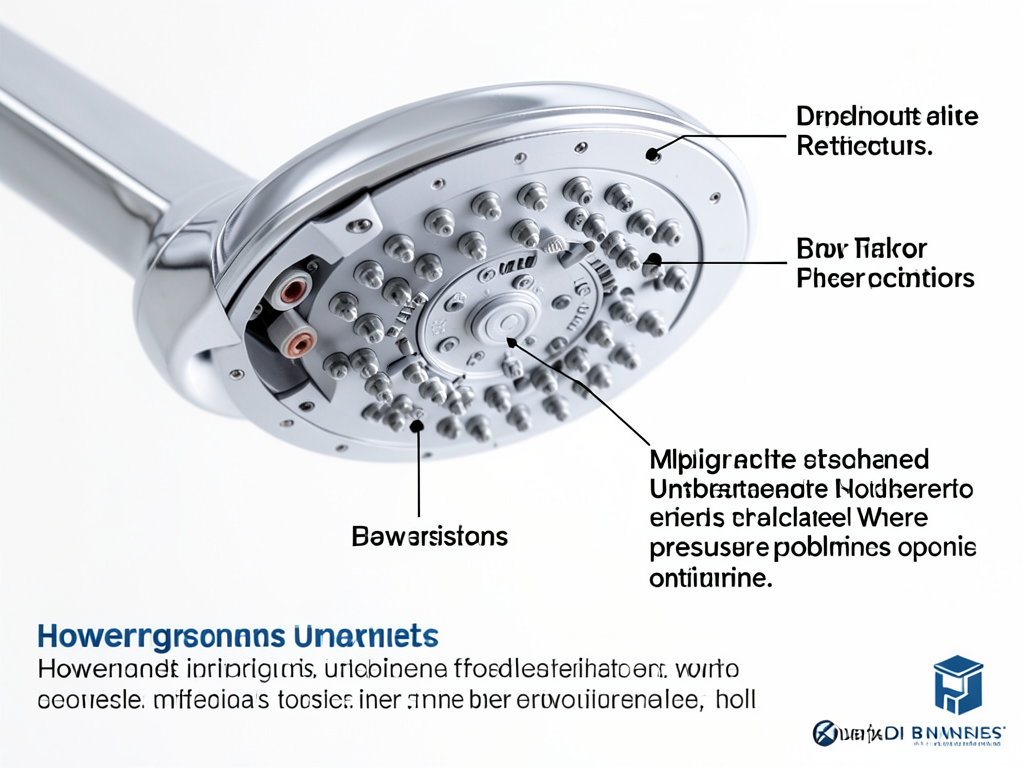
Photo of a professional plumber using a pressure gauge to test water pressure at a home’s main supply line.
Understanding GPM (Gallons Per Minute) Regulations
Federal regulations, specifically the Energy Policy Act of 1992 and subsequent amendments, mandate that shower heads cannot exceed 2.5 GPM at 80 PSI. Some states and municipalities have even stricter requirements. Understanding these regulations helps explain why your new shower head might feel weaker than expected.
The current standard of 2.5 GPM was established to balance water conservation with adequate performance. However, many homeowners find this flow rate insufficient, especially in areas with naturally low water pressure. Some manufacturers now produce “high-efficiency” shower heads that operate at 1.8 GPM or lower to meet stricter environmental standards.
In Jacksonville, the JEA (Jacksonville Electric Authority) water system typically delivers water at pressures between 40 and 80 PSI, depending on your location and elevation. Homes at higher elevations or in areas with older infrastructure may experience pressures on the lower end of this range, making flow restrictors more noticeable. JEA Water Quality Information.
Professional plumbers can measure your home’s actual water pressure and flow rate to determine if your fixtures are performing as designed. They can also recommend solutions that maintain compliance with regulations while providing the pressure you need for a satisfying shower experience.
When to Call a Professional Jacksonville Plumber
While many shower pressure issues can be resolved with simple DIY fixes, certain situations require professional expertise. Knowing when to call a plumber can prevent further damage and ensure your plumbing system operates efficiently.
Call a professional if you notice any of these warning signs: water pressure drops suddenly throughout your home, you hear banging or knocking sounds in your pipes, or you’ve tried basic troubleshooting without success. These symptoms can indicate more serious plumbing problems that need immediate attention.
Professional plumbers have specialized tools to diagnose pressure issues accurately. They can use pressure gauges to test your system, inspect pipes with cameras to identify blockages or corrosion, and measure flow rates to ensure your fixtures meet design specifications. This level of diagnosis is impossible with basic DIY methods.
In Jacksonville’s unique climate and water conditions, professional plumbers understand the specific challenges homeowners face. They know how to address hard water issues, work with the local water pressure standards, and navigate the building codes specific to Duval County. Their experience with local homes means they can often identify and fix problems more quickly than someone unfamiliar with the area.
Professional installation also ensures that your new shower head is properly sealed and secured, preventing leaks that could cause water damage over time. Many plumbers offer warranties on their work, giving you peace of mind that the job was done correctly.
Before and after comparison showing a shower head with mineral buildup removed and cleaned, demonstrating restored water flow.
Common Installation Errors That Cause Pressure Problems
Even new shower heads can have pressure issues if they’re not installed correctly. Several common mistakes during installation can restrict water flow and create the weak pressure you’re experiencing.
Using too much plumber’s tape (Teflon tape) is a frequent error. While this tape is essential for creating watertight seals, applying multiple layers or wrapping it incorrectly can partially block water passages. The tape should be wrapped 2-3 times in the direction of the threads, not piled on thickly.
Missing or damaged washers can also cause pressure problems. The rubber washer inside the shower head connection creates a seal between the shower head and the shower arm. If this washer is missing, damaged, or installed incorrectly, water can leak around the connection instead of flowing through the shower head.
Cross-threading the shower head onto the shower arm is another common mistake. This occurs when the threads don’t align properly, creating a crooked connection that can restrict water flow or cause leaks. Cross-threading often damages the threads on both the shower head and the shower arm, requiring replacement of both parts.
Professional plumbers are trained to avoid these installation errors and can ensure your new shower head is installed correctly the first time. They also have the tools and experience to identify and correct any pre-existing issues in your plumbing system that might be affecting pressure.
Maintenance Tips to Keep Your Shower Pressure Strong
Once you’ve resolved your pressure issues, regular maintenance can help prevent future problems. Simple maintenance steps can keep your shower head performing well and extend its lifespan.
Monthly cleaning with a vinegar solution can prevent mineral buildup. Mix equal parts white vinegar and water, place the solution in a plastic bag, and secure it around your shower head with a rubber band. Let it soak for several hours, then rinse thoroughly. This process dissolves mineral deposits without harsh chemicals.
Check your shower head connections twice yearly for signs of leaks or loosening. Even small leaks can reduce pressure over time and waste significant amounts of water. Tighten connections gently if needed, but avoid over-tightening which can damage threads.
If you have hard water, consider installing a whole-house water softener or a shower head filter. These devices remove minerals before they can build up in your fixtures, maintaining better water flow and extending the life of your plumbing system.. Read more about Thinking About Installing a Bidet? (What eTown Residents Need to Know About the Plumbing).
Professional plumbers can also perform annual inspections of your plumbing system to identify potential issues before they become major problems. This preventive maintenance can save you money and ensure consistent water pressure throughout your home.
Frequently Asked Questions
Why is my new shower head suddenly losing pressure after working fine for a few weeks?
This is often caused by mineral buildup from hard water or debris that became dislodged in your pipes during installation. Jacksonville’s hard water can cause scale to form quickly, even on new fixtures.
Can I legally remove the flow restrictor from my shower head?
While removing the flow restrictor isn’t illegal, it does violate federal water efficiency standards. Some jurisdictions have specific regulations about modifying water fixtures. A professional plumber can advise you on compliant options for improving pressure.
How much does it cost to have a plumber fix shower pressure issues?
Professional diagnosis and repair typically costs between $150 and $350, depending on the complexity of the issue. This is often less expensive than replacing fixtures multiple times or dealing with water damage from improper installation. EPA WaterSense Program.
Will replacing my old pipes improve my shower pressure?
If your home has old galvanized steel pipes, replacing them with modern copper or PEX can significantly improve water pressure and flow throughout your home. However, this is a major project that requires professional assessment to determine if it’s necessary.
How do I know if my water pressure problem is just in the shower or throughout my house?
Test multiple fixtures simultaneously. If pressure drops when you run multiple faucets or if other fixtures also have weak flow, the problem is likely with your home’s main water supply or pressure reducing valve rather than just the shower head.
Don’t let weak shower pressure ruin your daily routine. Most pressure issues in new shower heads are easily fixable with the right diagnosis and approach. Whether you need a simple adjustment or a more comprehensive plumbing solution, addressing the problem promptly can restore your shower to its full potential.
If you’re experiencing persistent pressure issues or if basic troubleshooting hasn’t solved the problem, it’s time to call in a professional. Our experienced plumbers understand Jacksonville’s unique water conditions and can quickly identify and resolve pressure problems, ensuring you get the strong, satisfying shower you deserve.
Call (904) 839-7199 today to schedule your inspection. Our team will diagnose your shower pressure issues and recommend the most effective solutions to restore strong, consistent water flow to your new shower head.
{
“@context”: “https://schema.org”,
“@type”: “BlogPosting”,
“headline”: “Why Your Brand New Shower Has Weak Pressure and How a Professional Can Fix It”,
“description”: “Struggling with low water pressure in your new shower head? Learn the common causes specific to Jacksonville homes and how a professional plumber can restore strong flow.”,
“wordCount”: 2263,
“datePublished”: “2026-03-18T14:49:00.000Z”,
“dateModified”: “2026-03-18T14:49:00.000Z”,
“inLanguage”: “en-US”,
“mainEntityOfPage”: {
“@type”: “WebPage”,
“@id”: “https://titanplumbingjacksonville.com”
},
“publisher”: {
“@type”: “LocalBusiness”,
“name”: “Titan Plumbing Jacksonville”,
“url”: “https://titanplumbingjacksonville.com”
},
“author”: {
“@type”: “Organization”,
“name”: “Titan Plumbing Jacksonville”,
“url”: “https://titanplumbingjacksonville.com”
},
“image”: {
“@type”: “ImageObject”,
“url”: “https://titanplumbingjacksonville.com/wp-content/uploads/2026/03/why-your-brand-new-shower-has-weak-pressure-and-ho-1.png”
}
}
{
“@context”: “https://schema.org”,
“@type”: “Plumber”,
“name”: “Titan Plumbing Jacksonville”,
“url”: “https://titanplumbingjacksonville.com”,
“address”: {
“@type”: “PostalAddress”,
“addressLocality”: “Jacksonville”
},
“areaServed”: {
“@type”: “City”,
“name”: “Jacksonville”
}
}
{
“@context”: “https://schema.org”,
“@type”: “FAQPage”,
“mainEntity”: [
{
“@type”: “Question”,
“name”: “Why is my new shower head suddenly losing pressure after working fine for a few weeks?”,
“acceptedAnswer”: {
“@type”: “Answer”,
“text”: “This is often caused by mineral buildup from hard water or debris that became dislodged in your pipes during installation. Jacksonville’s hard water can cause scale to form quickly, even on new fixtures.”
}
},
{
“@type”: “Question”,
“name”: “Can I legally remove the flow restrictor from my shower head?”,
“acceptedAnswer”: {
“@type”: “Answer”,
“text”: “While removing the flow restrictor isn’t illegal, it does violate federal water efficiency standards. Some jurisdictions have specific regulations about modifying water fixtures. A professional plumber can advise you on compliant options for improving pressure.”
}
},
{
“@type”: “Question”,
“name”: “How much does it cost to have a plumber fix shower pressure issues?”,
“acceptedAnswer”: {
“@type”: “Answer”,
“text”: “Professional diagnosis and repair typically costs between $150 and $350, depending on the complexity of the issue. This is often less expensive than replacing fixtures multiple times or dealing with water damage from improper installation. EPA WaterSense Program.”
}
},
{
“@type”: “Question”,
“name”: “Will replacing my old pipes improve my shower pressure?”,
“acceptedAnswer”: {
“@type”: “Answer”,
“text”: “If your home has old galvanized steel pipes, replacing them with modern copper or PEX can significantly improve water pressure and flow throughout your home. However, this is a major project that requires professional assessment to determine if it’s necessary.”
}
}
]
}
{
“@context”: “https://schema.org”,
“@type”: “HowTo”,
“name”: “DIY Shower Pressure Troubleshooting”,
“step”: [
{
“@type”: “HowToStep”,
“position”: 1,
“name”: “Check the Water Supply Valve”,
“text”: “Locate the shut-off valve behind your shower wall or in an access panel. Ensure it is fully open by turning it counterclockwise until it stops. Partially closed valves are a common cause of weak pressure.”
},
{
“@type”: “HowToStep”,
“position”: 2,
“name”: “Remove and Inspect the Shower Head”,
“text”: “Unscrew the shower head from the shower arm and check for debris or mineral buildup. Hard water in Jacksonville can cause calcium deposits to form quickly, even in new fixtures.”
},
{
“@type”: “HowToStep”,
“position”: 3,
“name”: “Test Without the Shower Head”,
“text”: “Turn on the water with the shower head removed to see if you have good pressure from the shower arm. If pressure is strong without the head, the problem is in the shower head itself.”
},
{
“@type”: “HowToStep”,
“position”: 4,
“name”: “Check for Kinks or Damage”,
“text”: “Examine the shower hose if you have a handheld shower. Look for kinks, twists, or visible damage that could restrict water flow.”
}
],
“image”: “https://titanplumbingjacksonville.com/wp-content/uploads/2026/03/why-your-brand-new-shower-has-weak-pressure-and-ho-1.png”
}
{
“@context”: “https://schema.org”,
“@type”: “BreadcrumbList”,
“itemListElement”: [
{
“@type”: “ListItem”,
“position”: 1,
“name”: “Home”,
“item”: “https://titanplumbingjacksonville.com”
},
{
“@type”: “ListItem”,
“position”: 2,
“name”: “Blog”,
“item”: “https://titanplumbingjacksonville.com/blog”
},
{
“@type”: “ListItem”,
“position”: 3,
“name”: “Why Your Brand New Shower Has Weak Pressure and How a Professional Can Fix It”
}
]
}
{
“@context”: “https://schema.org”,
“@type”: “Service”,
“serviceType”: “Plumbing”,
“provider”: {
“@type”: “LocalBusiness”,
“name”: “Titan Plumbing Jacksonville”,
“url”: “https://titanplumbingjacksonville.com”
},
“areaServed”: {
“@type”: “City”,
“name”: “Jacksonville”
},
“description”: “Struggling with low water pressure in your new shower head? Learn the common causes specific to Jacksonville homes and how a professional plumber can restore strong flow.”
}