
Traditional Tank or Tankless Water Heaters – Which One Actually Saves You More Money in Orange Park?
Choosing between a traditional tank and a tankless water heater in Orange Park comes down to more than just hot water. It is a decision that affects your monthly utility bills, home comfort, and long-term maintenance costs. With Florida’s warm groundwater and JEA’s specific energy rates, the financial outcome looks different here than in northern states. This guide breaks down the real numbers so you can make the right choice for your home and budget. ENERGY STAR tankless water heater efficiency data.
Upfront Costs: Purchase Price and Installation in Northeast Florida
The first major difference between the two systems is the initial investment. A standard 40-50 gallon traditional tank water heater in Orange Park typically costs between $900 and $2,500 installed. This includes the unit, basic labor, and disposal of the old heater. Tankless systems, on the other hand, range from $2,500 to $5,500 installed. The higher cost comes from the unit itself, potential gas line or electrical upgrades, and more complex venting requirements. How to Get Your Tankless Water Heater Installed at Jacksonville Beach.
In Orange Park, many homes built before 2000 have existing gas lines that may need resizing to support a tankless unit’s higher BTU demand. Homes with electric-only service often require a 200-amp service upgrade, which can add $1,000 to $2,000 to the project. These regional factors make the upfront gap even wider in some cases.
Comparison Table: Initial Purchase and Installation Costs
| System Type | Unit Cost | Installation Range | Typical Orange Park Retrofit Upgrade |
|---|---|---|---|
| Traditional Tank | $400 – $1,200 | $500 – $1,300 | None required |
| Tankless Gas | $800 – $2,000 | $1,700 – $3,500 | Gas line resize ($500 – $1,500) |
| Tankless Electric | $500 – $1,500 | $2,000 – $4,000 | 200A service upgrade ($1,000 – $2,000) |
Long-Term Savings: Energy Bills and Lifespan ROI
Where tankless systems start to pull ahead is in monthly operating costs. Traditional tanks keep 40 to 50 gallons of water hot 24/7, even when no one is home. Tankless units heat water only when you need it, which can reduce energy use by 24 to 34 percent according to ENERGY STAR data. In Orange Park, where JEA’s average electricity rate is about 12.5 cents per kWh, that difference can mean $15 to $25 per month in savings for a family of four. JEA water heater rebates.
Lifespan also plays a major role in the total cost of ownership. A traditional tank in Florida’s humid environment typically lasts 10 to 12 years. Tankless units often run 20 years or more with proper care. That means you could buy and install two tank heaters in the time it takes to run one tankless system. Florida Building Code requirements.
Comparison Table: Annual Operating Costs and Lifespan
| System Type | Annual Energy Cost* | Expected Lifespan | 20-Year Energy Cost |
|---|---|---|---|
| Traditional Tank | $450 – $600 | 10-12 years | $9,000 – $12,000 |
| Tankless Gas | $300 – $400 | 20+ years | $6,000 – $8,000 |
| Tankless Electric | $350 – $450 | 20+ years | $7,000 – $9,000 |
*Based on average JEA rates and a family of four using 60-80 gallons per day.
Key Differences: Performance and Maintenance Requirements
Traditional tanks deliver a steady supply of hot water until the tank runs out, then require a recovery period. Tankless units provide endless hot water but are limited by flow rate. In a typical Orange Park three-bath home, a gas tankless unit rated at 8-10 GPM can run two showers and a dishwasher simultaneously without a drop in temperature. Electric models often max out around 4-5 GPM, which may not meet the needs of larger households. Get Rid of Hard Water for Good with a Water Softener Installation in Ponte Vedra.
Maintenance also differs. Tanks need an annual flush and anode rod inspection to prevent sediment buildup from Florida’s hard water. Tankless units require descaling every 12 to 24 months to remove mineral deposits that can clog heat exchangers. Skipping this step can reduce efficiency by up to 30 percent and void the manufacturer’s warranty. Sediment Buildup in Pipes.
Step-by-Step Maintenance Checklist
- Traditional Tank: Drain and flush tank annually. Check anode rod every two years.
- Tankless: Flush with food-grade descaler every 12-24 months. Clean inlet filter quarterly.
- Both: Test temperature and pressure relief valve annually.
Orange Park Specific Factors: Hard Water and Local Utility Rebates
Orange Park’s water comes from the Floridan Aquifer and carries high mineral content. That means both systems face scale buildup, but tankless units are more vulnerable because scale forms directly on the heat exchanger. Without regular descaling, efficiency drops and the risk of premature failure increases. Many local plumbers recommend a whole-house water softener if you choose tankless, adding $1,200 to $2,500 to the project cost.
JEA offers rebates for high-efficiency electric water heaters that meet ENERGY STAR criteria. As of 2026, the rebate is $125 for a qualifying unit. Gas customers may qualify for federal tax credits up to $300 when installing an ENERGY STAR tankless gas model. These incentives can offset a portion of the higher upfront cost but rarely close the entire gap.
Comparison Table: Hard Water Impact and Rebate Availability
| System Type | Hard Water Vulnerability | Recommended Maintenance | Local Rebate Potential |
|---|---|---|---|
| Traditional Tank | Moderate (sediment bottom) | Annual flush, 2-year anode check | $125 JEA electric rebate |
| Tankless Gas | High (heat exchanger scale) | Annual descale, quarterly filter clean | $125 JEA + $300 federal tax credit |
| Tankless Electric | High (element scale) | Annual descale, quarterly filter clean | $125 JEA + $300 federal tax credit |
Conclusion: Which System Saves You More?
If your priority is the lowest upfront cost and you plan to move within the next 10 years, a traditional tank is the safer financial choice in Orange Park. If you want the lowest long-term operating cost, endless hot water, and you plan to stay in your home for 15 years or more, a tankless system will likely save you more money over time. The deciding factor often comes down to household size, water hardness, and whether you can handle the higher initial investment for future savings.
Still unsure which system fits your home? Call (904) 839-7199 today to schedule a free in-home consultation. Our licensed plumbers will assess your household needs, water quality, and existing plumbing to recommend the most cost-effective solution. Plumbing Macclenny.
Frequently Asked Questions
How long does it take to recoup the extra cost of a tankless water heater?
Most Orange Park homeowners break even in 6 to 10 years when factoring in energy savings, rebates, and longer lifespan. The exact payback period depends on household hot water usage and local utility rates.
Can I install a tankless water heater myself?
Florida building code requires a licensed plumber to install any water heater. Improper venting or gas line work can create carbon monoxide hazards or void the unit’s warranty.
Will a tankless system work during a power outage?
Gas tankless units still need electricity for the control board and ignition, so they will not work in a blackout. Traditional tanks can supply hot water until the tank cools, typically 12 to 24 hours.
Does hard water really affect performance that much?
Yes. In Orange Park’s mineral-rich water, scale can reduce a tankless unit’s efficiency by up to 30 percent within two years if not descaled. Traditional tanks also lose efficiency but at a slower rate.
What size tankless unit do I need for a three-bath home?
A gas tankless unit rated at 8-10 GPM is usually sufficient for three full baths and a kitchen. Electric models often max out around 4-5 GPM, which may not meet simultaneous demand.
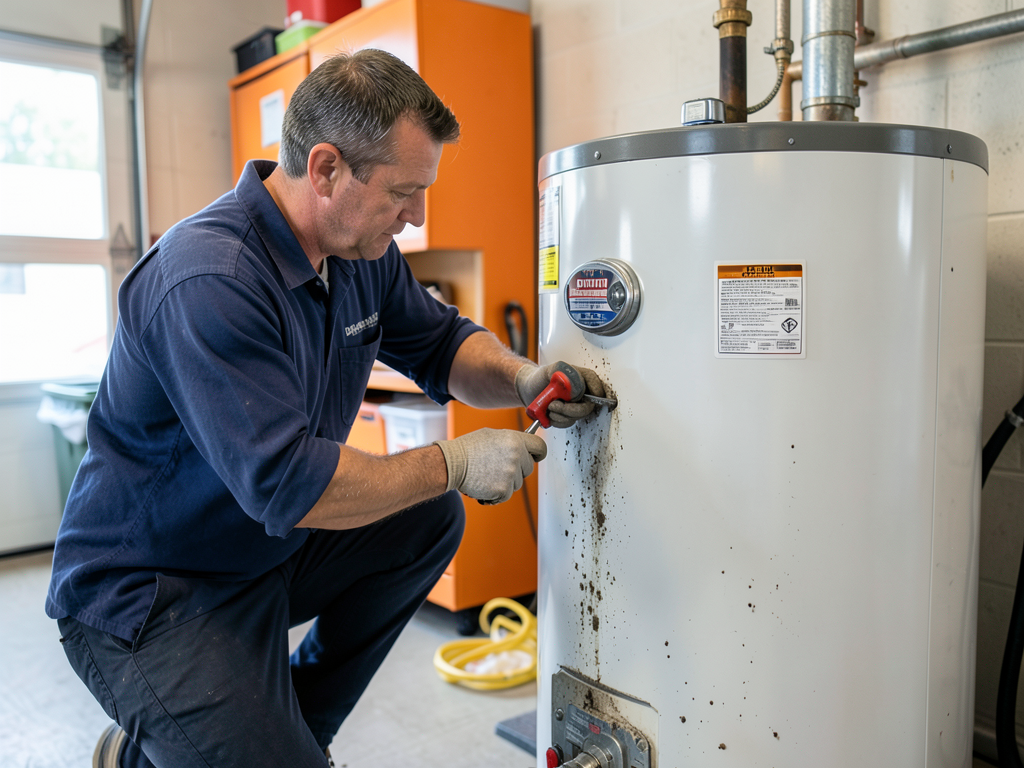
Diagram showing side-by-side cutaway of traditional tank and tankless water heater with labeled components and flow paths.
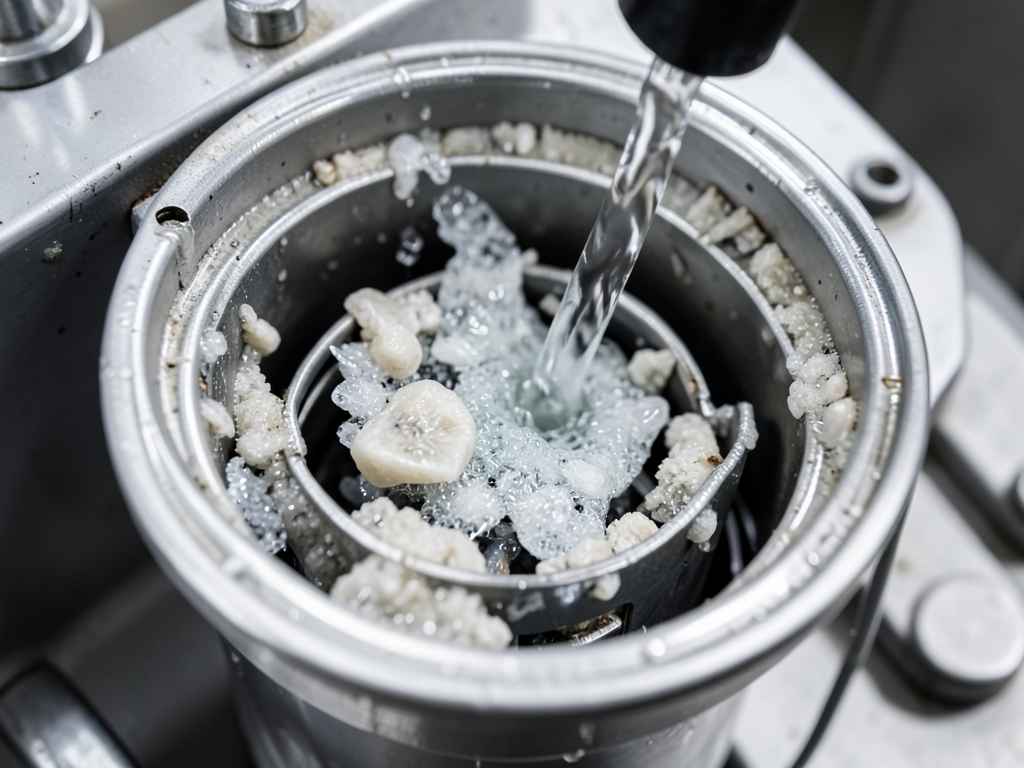
Photo of a licensed plumber flushing a tankless heat exchanger with descaling solution in an Orange Park home.
Before-and-after installation shot of a traditional tank replacement with new venting and gas line in a slab home.
You may also find this helpful. The Major Differences Between Well Water and City Water in Clay County and Fruit Cove.
{
“@context”: “https://schema.org”,
“@type”: “BlogPosting”,
“headline”: “Traditional Tank or Tankless Water Heaters – Which One Actually Saves You More Money in Orange Park?”,
“description”: “Compare traditional tank vs tankless water heaters in Orange Park. See real costs, energy savings, and local rebates to choose the best system for your home.”,
“wordCount”: 1321,
“datePublished”: “2026-03-04T08:09:00.000Z”,
“dateModified”: “2026-03-04T08:09:00.000Z”,
“inLanguage”: “en-US”,
“mainEntityOfPage”: {
“@type”: “WebPage”,
“@id”: “https://titanplumbingjacksonville.com”
},
“publisher”: {
“@type”: “LocalBusiness”,
“name”: “Titan Plumbing Jacksonville”,
“url”: “https://titanplumbingjacksonville.com”
},
“author”: {
“@type”: “Organization”,
“name”: “Titan Plumbing Jacksonville”,
“url”: “https://titanplumbingjacksonville.com”
},
“image”: {
“@type”: “ImageObject”,
“url”: “https://titanplumbingjacksonville.com/wp-content/uploads/2026/03/traditional-tank-or-tankless-water-heaters-which-o-1.png”
}
}
{
“@context”: “https://schema.org”,
“@type”: “Plumber”,
“name”: “Titan Plumbing Jacksonville”,
“url”: “https://titanplumbingjacksonville.com”,
“address”: {
“@type”: “PostalAddress”,
“addressLocality”: “Jacksonville”
},
“areaServed”: {
“@type”: “City”,
“name”: “Jacksonville”
}
}
{
“@context”: “https://schema.org”,
“@type”: “FAQPage”,
“mainEntity”: [
{
“@type”: “Question”,
“name”: “Conclusion: Which System Saves You More?”,
“acceptedAnswer”: {
“@type”: “Answer”,
“text”: “If your priority is the lowest upfront cost and you plan to move within the next 10 years, a traditional tank is the safer financial choice in Orange Park. If you want the lowest long-term operating cost, endless hot water, and you plan to stay in your home for 15 years or more, a tankless system will likely save you more money over time. The deciding factor often comes down to household size, water hardness, and whether you can handle the higher initial investment for future savings.”
}
},
{
“@type”: “Question”,
“name”: “How long does it take to recoup the extra cost of a tankless water heater?”,
“acceptedAnswer”: {
“@type”: “Answer”,
“text”: “Most Orange Park homeowners break even in 6 to 10 years when factoring in energy savings, rebates, and longer lifespan. The exact payback period depends on household hot water usage and local utility rates.”
}
},
{
“@type”: “Question”,
“name”: “Can I install a tankless water heater myself?”,
“acceptedAnswer”: {
“@type”: “Answer”,
“text”: “Florida building code requires a licensed plumber to install any water heater. Improper venting or gas line work can create carbon monoxide hazards or void the unit’s warranty.”
}
},
{
“@type”: “Question”,
“name”: “Will a tankless system work during a power outage?”,
“acceptedAnswer”: {
“@type”: “Answer”,
“text”: “Gas tankless units still need electricity for the control board and ignition, so they will not work in a blackout. Traditional tanks can supply hot water until the tank cools, typically 12 to 24 hours.”
}
},
{
“@type”: “Question”,
“name”: “Does hard water really affect performance that much?”,
“acceptedAnswer”: {
“@type”: “Answer”,
“text”: “Yes. In Orange Park’s mineral-rich water, scale can reduce a tankless unit’s efficiency by up to 30 percent within two years if not descaled. Traditional tanks also lose efficiency but at a slower rate.”
}
},
{
“@type”: “Question”,
“name”: “What size tankless unit do I need for a three-bath home?”,
“acceptedAnswer”: {
“@type”: “Answer”,
“text”: “A gas tankless unit rated at 8-10 GPM is usually sufficient for three full baths and a kitchen. Electric models often max out around 4-5 GPM, which may not meet simultaneous demand.”
}
}
]
}
{
“@context”: “https://schema.org”,
“@type”: “BreadcrumbList”,
“itemListElement”: [
{
“@type”: “ListItem”,
“position”: 1,
“name”: “Home”,
“item”: “https://titanplumbingjacksonville.com”
},
{
“@type”: “ListItem”,
“position”: 2,
“name”: “Blog”,
“item”: “https://titanplumbingjacksonville.com/blog”
},
{
“@type”: “ListItem”,
“position”: 3,
“name”: “Traditional Tank or Tankless Water Heaters – Which One Actually Saves You More Money in Orange Park?”
}
]
}
{
“@context”: “https://schema.org”,
“@type”: “Service”,
“serviceType”: “Plumbing”,
“provider”: {
“@type”: “LocalBusiness”,
“name”: “Titan Plumbing Jacksonville”,
“url”: “https://titanplumbingjacksonville.com”
},
“areaServed”: {
“@type”: “City”,
“name”: “Jacksonville”
},
“description”: “Compare traditional tank vs tankless water heaters in Orange Park. See real costs, energy savings, and local rebates to choose the best system for your home.”
}