
Why You Should Never Use Flushable Wipes in Jacksonville’s Older Sewer Systems
Flushable wipes are a major culprit behind sewer backups across Jacksonville. These products do not break down like toilet paper and can cause costly blockages in both your home’s plumbing and the city’s sewer infrastructure. If you live in an older Jacksonville neighborhood with clay or cast-iron pipes, the risk is even higher. Wipes accumulate in pipes, snag on roots, and create stubborn clogs that require professional hydro-jetting to remove. Jacksonville Electric Authority (JEA).
The problem is so severe that Jacksonville Electric Authority (JEA) has issued warnings about wipes causing lift station failures and sewer overflows. Unlike toilet paper, which disintegrates within minutes, wipes retain their strength for weeks. This means every wipe you flush could be sitting in your lateral line or the main sewer, waiting to trap debris and create a backup. Running Toilet Repair.
Common signs of a wipe-related clog include slow drains, gurgling toilets, and sewage odors near floor drains or in your yard. If you notice these symptoms, stop using your plumbing immediately and call a professional. Continuing to flush will only push the blockage farther down the line, making it more expensive to clear. The Best Drain Cleaning Companies for Clogged Pipes in San Marco.
The financial cost of a wipe clog can be significant. A main line cleaning in Jacksonville typically ranges from $350 to $800 depending on the severity and location of the blockage. If the clog causes a sewer backup into your home, water damage restoration can add thousands more to your bill. In some cases, the city may charge you for cleaning up a blockage in the municipal line if they determine it was caused by improper flushing. How to Get Your Tankless Water Heater Installed at Jacksonville Beach.
Instead of wipes, consider safer alternatives like a bidet attachment, specialized flushable toilet paper, or simply using a small trash can with a liner next to the toilet. These options protect your plumbing without sacrificing hygiene. If you’re already dealing with a clog, Titan Plumbing offers 24/7 emergency service throughout Jacksonville, including Arlington, Mandarin, and Riverside.. Read more about Essential Plumbing Red Flags to Look for When Buying a Home in Murray Hill.
Call (904) 839-7199 today to schedule your inspection and avoid the headache of a sewer backup. Don’t wait until it’s too late—protect your home and your wallet by keeping wipes out of your pipes.
The Science of ‘Flushable’ vs. ‘Dispersible’
Many people assume that if a product is labeled “flushable,” it must be safe for plumbing. This is a dangerous misconception. Flushable wipes are made from non-woven fabrics held together by chemical and heat treatments. These materials are designed for durability, not dissolvability. In contrast, toilet paper is engineered to break apart quickly when wet. Quick Slab Leak Detection and Repair for Homeowners in Southside.
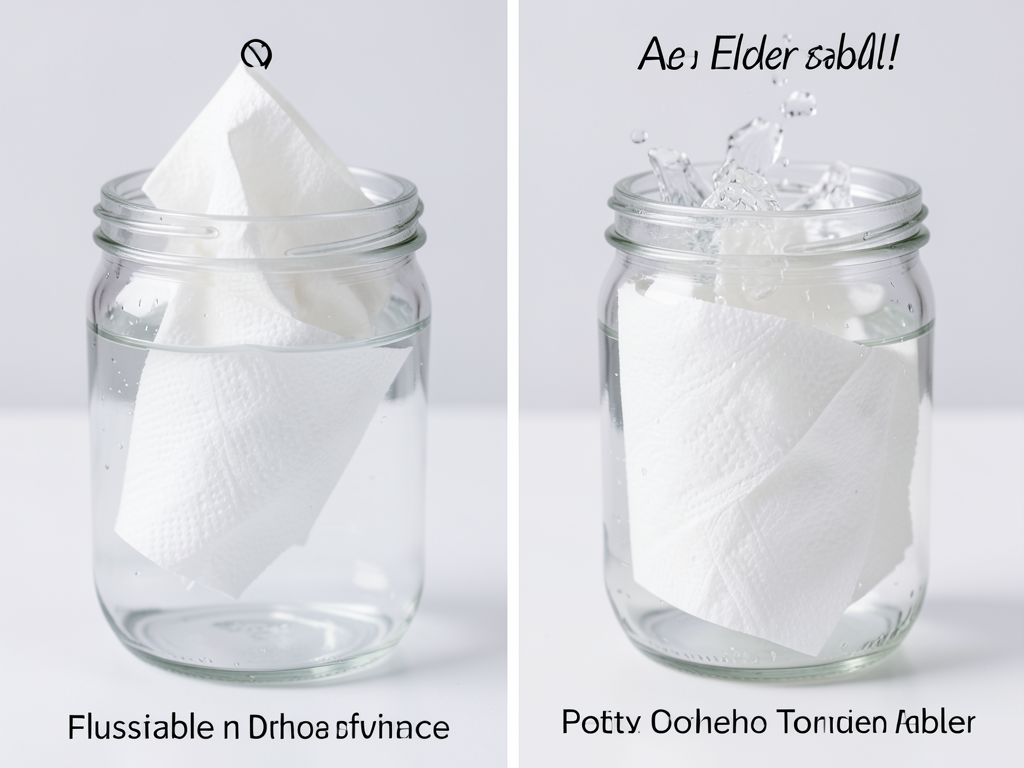
The difference becomes clear in a simple test. Place a wipe and a sheet of toilet paper in separate jars of water. Shake both jars for 30 seconds. The toilet paper will disintegrate into small fibers, while the wipe will remain intact. This durability is exactly what makes wipes so problematic in your pipes. EPA Septic Smart.
Jacksonville’s high water table and sandy soil can exacerbate the problem. Water moves slowly through the ground in many areas, giving wipes more time to snag on roots or accumulate in low spots. In older neighborhoods like Riverside and San Marco, where clay pipes are common, the rough interior surface of the pipes provides even more places for wipes to catch. Get Rid of Hard Water for Good with a Water Softener Installation in Ponte Vedra.
According to JEA’s 2024 infrastructure report, wipes are the leading cause of preventable sewer blockages in Duval County. The utility spends over $500,000 annually on equipment and labor to clear wipe-related clogs from the system. That cost ultimately gets passed on to ratepayers through higher utility fees.. Read more about Why Tree Roots Love Your Older Sewer Lines in Ortega and San Marco.
If you’re not convinced, consider this: a single wipe can take months to break down, and most people use multiple wipes per bathroom visit. Over time, even a few wipes per week can create a significant blockage. The only truly “flushable” items are the three Ps: pee, poop, and toilet paper.. Read more about Why Your High-Efficiency Toilet Keeps Clogging and How to Fix It.
What Happens to Wipes in Jacksonville’s Sewer System?
When you flush a wipe, it travels through your home’s plumbing and into the city’s sewer main. Along the way, it can catch on any obstruction—tree roots, debris, or the joints between pipe sections. Once a wipe gets stuck, it acts like a net, trapping other materials and forming a larger blockage.
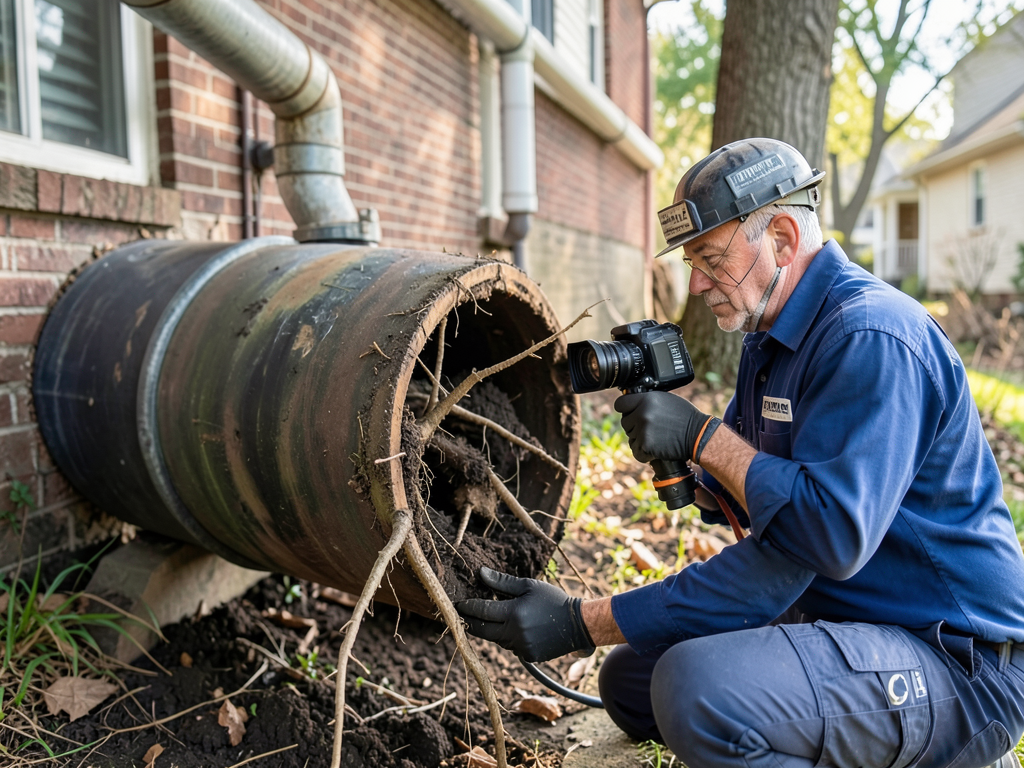
In Jacksonville’s older neighborhoods, many sewer lines are made of vitrified clay or cast iron. These materials are durable but have rough interiors that are perfect for snagging wipes. The problem is compounded by the city’s mature tree canopy. Tree roots are naturally drawn to the moisture and nutrients in sewer lines, and they can enter through tiny cracks or loose joints.. Read more about What Every Jacksonville Condo Owner Should Know About Shared Plumbing Stacks.
Once inside, roots create a tangled web that wipes and other debris get caught in. Over time, this can form a solid mass that completely blocks the pipe. When that happens, sewage has nowhere to go but back up into your home. The first sign is often a gurgling toilet or slow-draining tub, but it can quickly escalate to a full backup.. Read more about Why Your Bathtub is Draining So Slowly (And It Isn’t Just a Hair Clog).
JEA operates over 100 lift stations throughout Jacksonville to move sewage from low-lying areas to treatment plants. Wipes are notorious for clogging the pumps and filters in these stations. When a lift station fails, it can cause a sewage spill that affects multiple homes and businesses. In 2023, JEA reported 47 lift station failures attributed to wipes and other non-dispersible materials.
The environmental impact is also significant. When wipes make it past the treatment plant, they can end up in the St. Johns River, where they pose a threat to wildlife. Unlike organic matter, wipes do not biodegrade in water. They persist for years, breaking down into microplastics that enter the food chain.
Signs Your ‘Flushable’ Wipes Are Causing a Clog
Recognizing the early warning signs of a wipe-related clog can save you thousands in repair costs. The most common symptom is slow drainage. If your sink, tub, or toilet is draining more slowly than usual, it could indicate a partial blockage in your sewer line. This is especially true if the problem affects multiple fixtures at once.
Gurgling sounds from your toilet or drains are another red flag. These noises occur when air is trapped in the pipes by a blockage. As water tries to flow past the clog, it creates bubbles that escape through the nearest opening, often producing a gurgling sound. If you hear this after flushing, it’s time to call a plumber.
Sewer odors in your yard or near floor drains are a serious warning sign. These smells indicate that sewage is not moving through the pipes as it should. In some cases, you might even see sewage bubbling up from a floor drain or cleanout. This is a clear sign of a major blockage that requires immediate attention.
Another indicator is water backing up into other fixtures. For example, if you flush the toilet and water comes up in the bathtub, it means the main sewer line is blocked. This happens because the water has nowhere to go but back up the path of least resistance.
If you’re experiencing any of these symptoms, don’t wait. Continuing to use your plumbing will only make the problem worse. Titan Plumbing offers video camera inspections that can pinpoint the exact location and cause of the blockage. This allows for targeted repairs that minimize disruption and cost.
The Financial Cost: Homeowner vs. City Responsibility
Understanding who is responsible for clearing a sewer blockage can be confusing. In Jacksonville, the homeowner is responsible for the sewer lateral—the pipe that runs from your home to the city’s main sewer line. This means if the blockage is in your lateral, you’ll need to pay for its removal.
The cost of clearing a main line blockage varies depending on the severity and location of the clog. A basic snaking service typically costs between $150 and $300. However, if the blockage is deep in the line or requires hydro-jetting, the price can jump to $500 or more. In some cases, if roots are involved, the plumber may need to use a cutter blade, which adds to the cost.
If the blockage causes a backup into your home, the financial impact can be much higher. Water damage restoration for a sewage backup can cost anywhere from $2,000 to $10,000 depending on the extent of the damage. This often includes removing contaminated materials, disinfecting the area, and repairing any structural damage.
In rare cases, if the blockage is in the city’s main sewer line, JEA will handle the repair. However, they will only do this if they determine the blockage was not caused by improper flushing. If wipes or other non-dispersible materials are found to be the cause, you could be held financially responsible for the repair and any resulting damage.
To protect yourself, consider having your sewer line inspected regularly, especially if you live in an older home. A video inspection can reveal potential problems before they become emergencies. Titan Plumbing offers this service for a flat fee, giving you peace of mind and potentially saving you thousands in future repairs.
Safer Alternatives for Your Bathroom Routine
Protecting your plumbing doesn’t mean sacrificing hygiene. There are several effective alternatives to flushable wipes that are safe for your pipes and the environment. One of the best options is a bidet attachment. These devices attach to your existing toilet and use a stream of water for cleaning. They’re inexpensive, easy to install, and eliminate the need for wipes entirely.
If a bidet isn’t for you, consider using specialized flushable toilet paper. Unlike wipes, this toilet paper is designed to break down quickly in water. It’s available at most grocery stores and is a good compromise if you’re not ready to give up the convenience of a disposable cleaning product.
For those who prefer wipes, the safest option is to use a small trash can with a liner next to the toilet. This allows you to dispose of wipes without risking your plumbing. Be sure to use a can with a lid to contain odors, and empty it regularly to maintain hygiene.
Another option is reusable cloth wipes. These are washed after each use, eliminating waste and protecting your plumbing. While this option requires more effort, it’s the most environmentally friendly choice and can save you money over time.
Regardless of which option you choose, the key is to keep non-dispersible materials out of your pipes. Even one wipe can start a chain reaction that leads to a major clog. By making a small change in your bathroom routine, you can avoid the hassle and expense of a sewer backup.
If you’re not sure whether your plumbing is at risk, Titan Plumbing offers free consultations. Our experienced technicians can assess your system and recommend the best solutions for your home. Call (904) 839-7199 to schedule your appointment today.
Frequently Asked Questions
Are flushable wipes safe for septic systems?
No. Flushable wipes do not break down in septic tanks and can cause expensive repairs. They accumulate in the tank and can clog the drain field, leading to system failure.
How long do flushable wipes take to decompose?
Unlike toilet paper, which breaks down in minutes, flushable wipes can take months or even years to decompose. In water, they retain their strength and do not disintegrate.
Can I flush just one wipe?
Even a single wipe can start a blockage, especially in older pipes with rough interiors or existing root intrusions. It’s best to avoid flushing any non-dispersible materials.
What should I do if I already flushed wipes?
If you’ve been flushing wipes, stop immediately and watch for signs of a clog. If you notice slow drains or gurgling, call a plumber for a camera inspection before the problem worsens.
Does homeowner’s insurance cover sewer backups?
Most standard policies do not cover sewer backups caused by blockages. You may need to add a specific rider to your policy for this coverage. Check with your insurance provider for details.
How can I prevent future clogs?
Stick to flushing only the three Ps: pee, poop, and toilet paper. Use a bidet or trash can for wipes and other non-dispersible items. Regular maintenance and inspections can also help catch problems early.
Call Titan Plumbing for Expert Help
Don’t let flushable wipes ruin your plumbing. If you’re experiencing slow drains, gurgling toilets, or sewer odors, it’s time to call the experts. Titan Plumbing has been serving Jacksonville for over 15 years, handling everything from minor clogs to major sewer line repairs.
Our team uses state-of-the-art equipment, including video camera inspections and hydro-jetting, to quickly and effectively clear blockages. We understand the unique challenges of Jacksonville’s older sewer systems and can provide solutions tailored to your home’s needs.
Whether you’re in Arlington, Mandarin, Riverside, or anywhere else in the greater Jacksonville area, we’re here to help. Our 24/7 emergency service means you never have to wait for relief from a plumbing crisis.
Protect your home and your wallet by keeping wipes out of your pipes. If you’re not sure about the condition of your sewer line, schedule a free consultation with Titan Plumbing today. Call (904) 839-7199 or visit our website to book your appointment online.
Remember, when it comes to your plumbing, an ounce of prevention is worth a pound of cure. Don’t wait until a small problem becomes a major disaster. Contact Titan Plumbing now and enjoy the peace of mind that comes with knowing your pipes are in good hands.
{
“@context”: “https://schema.org”,
“@type”: “BlogPosting”,
“headline”: “Why You Should Never Use Flushable Wipes in Jacksonville’s Older Sewer Systems”,
“description”: “Flushable wipes cause major clogs in Jacksonville’s aging sewer lines. Learn the science behind the problem and protect your plumbing with expert advice from Titan Plumbing.”,
“wordCount”: 2292,
“datePublished”: “2026-06-02T14:06:00.000Z”,
“dateModified”: “2026-06-02T14:06:00.000Z”,
“inLanguage”: “en-US”,
“mainEntityOfPage”: {
“@type”: “WebPage”,
“@id”: “https://titanplumbingjacksonville.com”
},
“publisher”: {
“@type”: “LocalBusiness”,
“name”: “Titan Plumbing Jacksonville”,
“url”: “https://titanplumbingjacksonville.com”
},
“author”: {
“@type”: “Organization”,
“name”: “Titan Plumbing Jacksonville”,
“url”: “https://titanplumbingjacksonville.com”
},
“image”: {
“@type”: “ImageObject”,
“url”: “https://titanplumbingjacksonville.com/wp-content/uploads/2026/03/why-you-should-never-use-flushable-wipes-in-jackso-1.png”
}
}
{
“@context”: “https://schema.org”,
“@type”: “Plumber”,
“name”: “Titan Plumbing Jacksonville”,
“url”: “https://titanplumbingjacksonville.com”,
“address”: {
“@type”: “PostalAddress”,
“addressLocality”: “Jacksonville”
},
“areaServed”: {
“@type”: “City”,
“name”: “Jacksonville”
}
}
{
“@context”: “https://schema.org”,
“@type”: “FAQPage”,
“mainEntity”: [
{
“@type”: “Question”,
“name”: “What Happens to Wipes in Jacksonville’s Sewer System?”,
“acceptedAnswer”: {
“@type”: “Answer”,
“text”: “When you flush a wipe, it travels through your home’s plumbing and into the city’s sewer main. Along the way, it can catch on any obstruction—tree roots, debris, or the joints between pipe sections. Once a wipe gets stuck, it acts like a net, trapping other materials and forming a larger blockage.”
}
},
{
“@type”: “Question”,
“name”: “Are flushable wipes safe for septic systems?”,
“acceptedAnswer”: {
“@type”: “Answer”,
“text”: “No. Flushable wipes do not break down in septic tanks and can cause expensive repairs. They accumulate in the tank and can clog the drain field, leading to system failure.”
}
},
{
“@type”: “Question”,
“name”: “How long do flushable wipes take to decompose?”,
“acceptedAnswer”: {
“@type”: “Answer”,
“text”: “Unlike toilet paper, which breaks down in minutes, flushable wipes can take months or even years to decompose. In water, they retain their strength and do not disintegrate.”
}
},
{
“@type”: “Question”,
“name”: “Can I flush just one wipe?”,
“acceptedAnswer”: {
“@type”: “Answer”,
“text”: “Even a single wipe can start a blockage, especially in older pipes with rough interiors or existing root intrusions. It’s best to avoid flushing any non-dispersible materials.”
}
},
{
“@type”: “Question”,
“name”: “What should I do if I already flushed wipes?”,
“acceptedAnswer”: {
“@type”: “Answer”,
“text”: “If you’ve been flushing wipes, stop immediately and watch for signs of a clog. If you notice slow drains or gurgling, call a plumber for a camera inspection before the problem worsens.”
}
},
{
“@type”: “Question”,
“name”: “Does homeowner’s insurance cover sewer backups?”,
“acceptedAnswer”: {
“@type”: “Answer”,
“text”: “Most standard policies do not cover sewer backups caused by blockages. You may need to add a specific rider to your policy for this coverage. Check with your insurance provider for details.”
}
},
{
“@type”: “Question”,
“name”: “How can I prevent future clogs?”,
“acceptedAnswer”: {
“@type”: “Answer”,
“text”: “Stick to flushing only the three Ps: pee, poop, and toilet paper. Use a bidet or trash can for wipes and other non-dispersible items. Regular maintenance and inspections can also help catch problems early.”
}
}
]
}
{
“@context”: “https://schema.org”,
“@type”: “BreadcrumbList”,
“itemListElement”: [
{
“@type”: “ListItem”,
“position”: 1,
“name”: “Home”,
“item”: “https://titanplumbingjacksonville.com”
},
{
“@type”: “ListItem”,
“position”: 2,
“name”: “Blog”,
“item”: “https://titanplumbingjacksonville.com/blog”
},
{
“@type”: “ListItem”,
“position”: 3,
“name”: “Why You Should Never Use Flushable Wipes in Jacksonville’s Older Sewer Systems”
}
]
}
{
“@context”: “https://schema.org”,
“@type”: “Service”,
“serviceType”: “Plumbing”,
“provider”: {
“@type”: “LocalBusiness”,
“name”: “Titan Plumbing Jacksonville”,
“url”: “https://titanplumbingjacksonville.com”
},
“areaServed”: {
“@type”: “City”,
“name”: “Jacksonville”
},
“description”: “Flushable wipes cause major clogs in Jacksonville’s aging sewer lines. Learn the science behind the problem and protect your plumbing with expert advice from Titan Plumbing.”
}