
What Every Jacksonville Condo Owner Should Know About Shared Plumbing Stacks
Living in a Jacksonville condo means sharing more than just walls. When a plumbing problem hits, figuring out who pays can feel like navigating a legal maze. Florida Statute 718.111 creates a “drywall-to-drywall” rule that determines whether your condo association or you are responsible for repairs. This guide breaks down how shared plumbing stacks work, what the law says, and what to do when a leak strikes. Florida Statute 718.111.
Shared plumbing stacks are the vertical pipes that carry waste and water through your building. In a multi-story condo, one stack might serve several units. When something goes wrong with that stack, the question of responsibility depends on where the problem occurs and what your condo documents say. Understanding this before an emergency hits can save you thousands in repair costs and legal headaches. How to Get Your Tankless Water Heater Installed at Jacksonville Beach.
Understanding the Drywall Rule in Florida Condos
Florida Statute 718.111 is the foundation of condo plumbing responsibility. The law generally defines the association’s responsibility as everything from the exterior walls inward, including the main plumbing stacks. Your responsibility typically starts at the interior surface of your walls, floors, and ceilings. This “drywall rule” means the association maintains the shared infrastructure while you maintain what’s inside your unit. Florida Building Code.
However, your specific condo documents can override this general rule. Some associations define “unit boundaries” differently, making certain pipes your responsibility even if they’re inside the wall. Always check your Declaration of Condominium before assuming who pays for what. This document is the final authority on maintenance responsibilities.
Common elements like main stacks, roof drains, and sewer laterals typically fall under association responsibility. Limited common elements might include pipes that serve only your unit but run through common areas. The distinction matters because it determines who calls the plumber and who cuts the check when problems arise. The Best Drain Cleaning Companies for Clogged Pipes in San Marco.
Common Elements vs. Limited Common Elements Explained
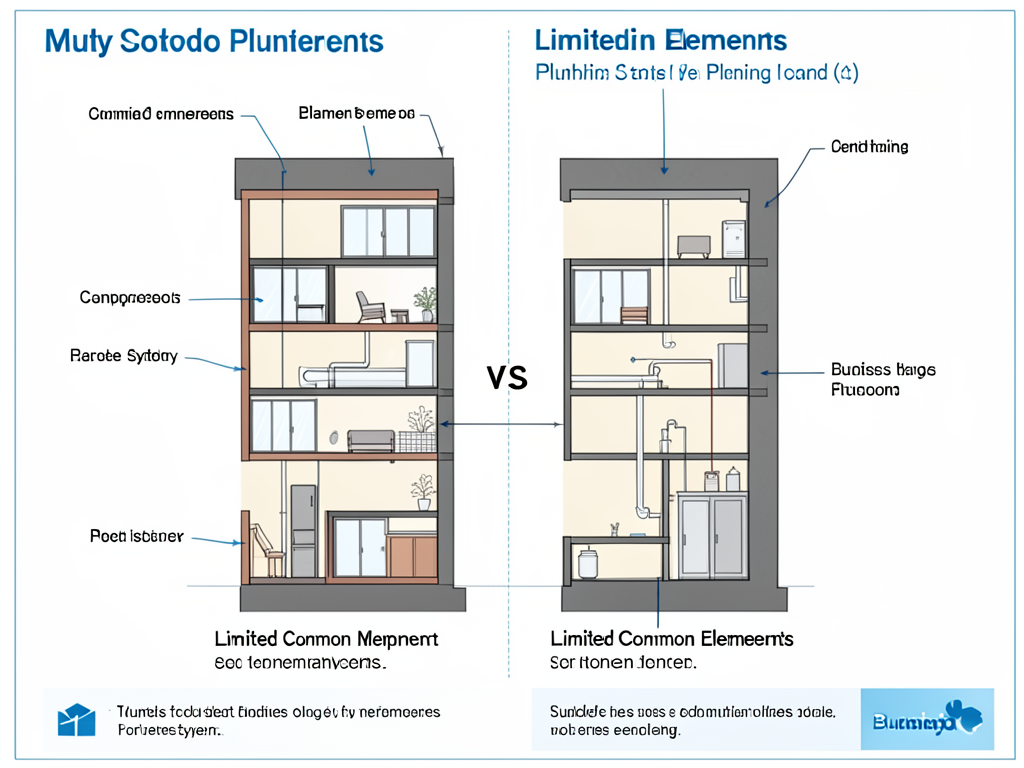
Understanding the difference between common and limited common elements is crucial for condo owners. Common elements are shared by all owners and maintained by the association. These include main plumbing stacks, roof drains, sewer mains, and water supply lines that feed multiple units. The association handles repairs to these systems. Get Rid of Hard Water for Good with a Water Softener Installation in Ponte Vedra.
Limited common elements are portions of the common elements reserved for use by specific units. A pipe that runs vertically through your unit to serve only your bathroom might be a limited common element. Even though it’s inside your space, it could still be the association’s responsibility to maintain.
Unit property typically includes everything inside your unit’s boundaries. This usually means fixtures, appliances, and plumbing lines that exclusively serve your unit. If a pipe bursts inside your wall and only affects your unit, you’re likely responsible for repairs. The location and function of the pipe determine responsibility more than its physical location.
Common Plumbing Scenarios in Jacksonville Condos
Jacksonville’s humid climate and aging condo buildings create unique plumbing challenges. Here are scenarios you might face and who typically pays:
Leak from the Unit Above
When water drips from your ceiling, the first question is whether the leak originates from a common element or a unit’s plumbing. If the upstairs neighbor’s shower valve fails and water travels through the shared stack, the association might be responsible since the stack is a common element. However, if the leak comes from the upstairs unit’s internal pipes, that owner bears responsibility.
Document everything immediately. Take photos, note the time, and notify both your upstairs neighbor and the association. Quick documentation helps determine responsibility and supports insurance claims. Water damage spreads fast, so immediate action protects your property and your wallet. Quick Slab Leak Detection and Repair for Homeowners in Southside.
Slab Leaks in Ground-Floor Units
Many Jacksonville condos built in the 1970s and 1980s have slab foundations. When a pipe under your concrete slab leaks, determining responsibility gets tricky. If the leak is in a supply line that only serves your unit, you likely pay for repairs. If it’s in a main line that serves multiple units, the association covers it.
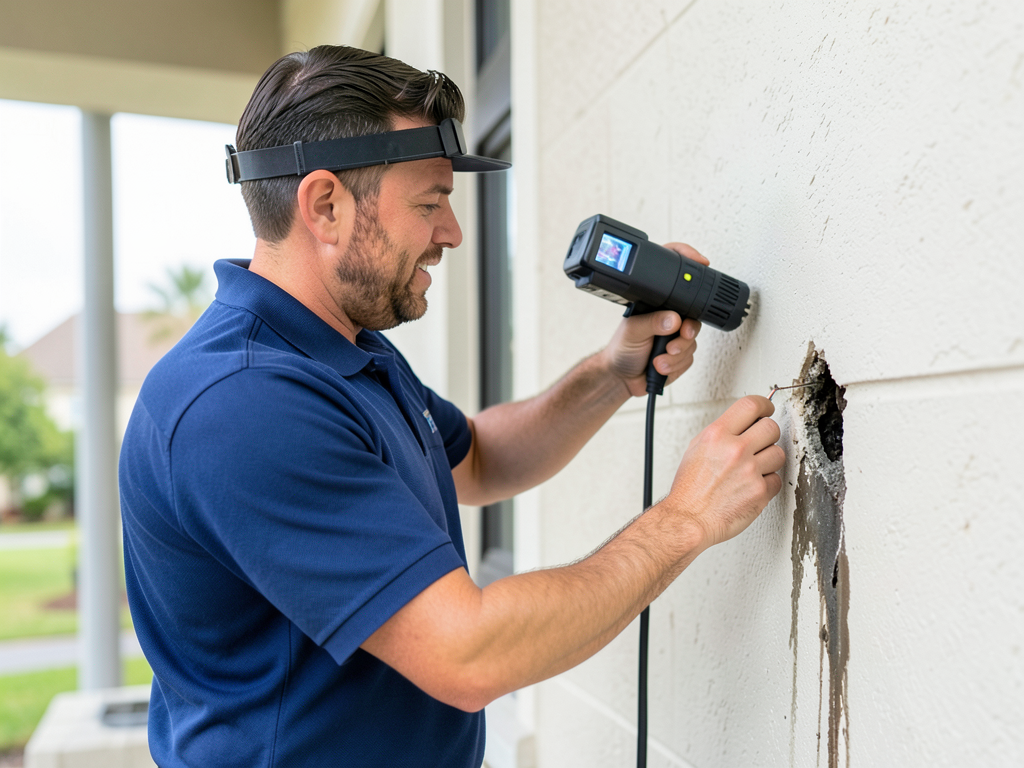
Slab leaks often show as warm spots on floors, unexplained water bill increases, or the sound of running water when all fixtures are off. Professional leak detection using acoustic equipment or thermal imaging can pinpoint the source without destructive demolition. This technology proves invaluable for determining responsibility.
Backups in Shared Vertical Stacks
When sewage backs up through multiple units’ drains, the problem likely lies in the shared stack. Tree roots invading old clay pipes, grease buildup, or collapsed sections of the stack can cause widespread backups. Since the stack is a common element, the association handles these repairs.
However, if the backup results from something you flushed that shouldn’t have been, you might share responsibility. Some associations charge unit owners for damage caused by negligence. Always use drain screens and avoid flushing anything except human waste and toilet paper to prevent these situations.
Water Heater Failures
Water heaters in condos present an interesting responsibility question. If your unit has its own water heater, you’re responsible for it and any damage it causes. If the association provides central water heating, they maintain that system. Check your condo documents to see which applies to your situation.
Water heater leaks can cause extensive damage to lower units. If your heater fails and damages the unit below, your insurance might need to cover that damage. Having adequate condo insurance (HO-6 policy) protects you from these liability scenarios.
The Role of Your Condo Association’s Governing Documents
Your condo association’s Declaration of Condominium is the most important document for understanding plumbing responsibilities. This legal document defines unit boundaries, common elements, and maintenance obligations. It can expand or contract the association’s responsibilities beyond what Florida Statute 718 requires.
Many Jacksonville condo associations have amended their documents to clarify plumbing responsibilities. Some define unit boundaries as “from the midpoint of the wall” rather than “interior surface,” changing who pays for certain repairs. Others specifically address plumbing fixtures, water heaters, and drainage systems.
Review your Declaration, Bylaws, and any recent amendments. These documents might specify that owners maintain all pipes inside their units regardless of whether they’re common or limited common elements. Understanding these details before a problem occurs prevents disputes and unexpected expenses.
Steps to Take When You Discover a Leak
Finding water where it shouldn’t be triggers immediate stress. Follow these steps to protect your property and determine responsibility: Finding a Reliable Water Heater Repair Service in Mandarin Without the Wait.
- Stop the Water Flow
Locate your unit’s main shut-off valve immediately. In most condos, this is near your water heater or in a utility closet. Turning off the water prevents further damage while you determine the source.
- Document the Damage
Take clear photos and videos of all affected areas. Note the time, date, and any observations about the leak’s origin. This documentation proves invaluable for insurance claims and responsibility disputes.
- Notify Your Association
Report the issue to your condo association’s management company or board. Provide your documentation and ask them to inspect the common elements. They have professionals who can determine if the problem lies in shared infrastructure.
- Contact Your Insurance Company
Notify your HO-6 insurance provider about the incident. They can guide you through the claims process and determine if your policy covers the damage. Some policies include water damage from plumbing failures.
- Get Professional Assessment
If the association determines the issue is in your unit’s plumbing, call a licensed plumber for diagnosis. Professional assessment using leak detection equipment can pinpoint problems without unnecessary demolition.
Time matters in plumbing emergencies. Water damage worsens by the minute, potentially affecting neighboring units and common areas. Quick action protects your investment and prevents disputes about who should pay for repairs.
Insurance Navigation: HO-6 Policies and Condo Master Policies
Understanding how insurance works in condo situations prevents financial surprises. Your condo association carries a master policy that covers common elements and the building structure. Your HO-6 policy covers your personal property, improvements to your unit, and liability for damage you cause to others.
When a plumbing failure causes damage, insurance companies may engage in subrogation to determine who ultimately pays. If the association’s master policy covers the damaged common elements, they might pay first, then seek reimbursement from the responsible party’s insurance.
Many Jacksonville condo owners discover too late that their HO-6 policy doesn’t cover certain types of water damage or has high deductibles for plumbing-related claims. Review your policy annually and ask your insurance agent about coverage gaps specific to condo living.
Jacksonville Building Codes for Multi-Family Plumbing
Jacksonville follows the Florida Building Code, which incorporates the Uniform Plumbing Code with local amendments. Multi-family buildings must comply with specific requirements for shared plumbing systems, including stack sizing, venting requirements, and backflow prevention.
Section 305 of the Florida Building Code addresses vertical stacks in multi-story buildings. These stacks must be properly sized based on the number of units served and must include cleanouts at strategic locations for maintenance. Improperly sized or installed stacks can cause pressure issues and backups.
Backflow preventers are required on water supply lines to prevent contamination of the public water system. In condos, these devices protect all residents from potential cross-contamination. Regular testing of these devices is mandatory under Jacksonville code, typically every year.
Emergency Shut-off Valve Locations in Condos
Knowing where to shut off your water can prevent thousands in damage. In Jacksonville condos, shut-off valve locations vary by building age and design. Here’s what to look for:
Older buildings (pre-1980s) often have individual unit shut-offs in utility closets or near water heaters. Some older buildings lack individual shut-offs, requiring you to shut off the entire building’s water supply. This design flaw makes quick response difficult during emergencies.
Newer constructions typically include individual unit shut-offs accessible without special tools. These might be quarter-turn ball valves that anyone can operate. Some modern buildings even include electronic shut-off systems that can be activated remotely by building management during emergencies.
Find your shut-off valve during move-in and verify it works. Rusty or seized valves fail when you need them most. Consider having a plumber inspect and service your valve annually as part of routine maintenance.
Hard Water Impact on Condo Plumbing Systems
Jacksonville’s water contains high mineral content, particularly calcium and magnesium. This hard water affects condo plumbing systems differently than single-family homes. In shared stacks and supply lines, mineral buildup reduces pipe diameter over time, decreasing water pressure and flow.
Hard water scale accumulates inside pipes, water heaters, and fixtures. In shared systems, this buildup affects multiple units simultaneously. You might notice reduced shower pressure or longer times for water to heat up. These symptoms often indicate system-wide scale problems requiring professional descaling.
Water softeners can protect your personal plumbing but won’t help the building’s shared systems. Some associations install whole-building water treatment systems to address this issue. If your building has hard water problems, discuss solutions with your association’s board.
Preventing Plumbing Problems in Your Condo
Prevention costs far less than emergency repairs. Here are practical steps to protect your condo’s plumbing:
- Install drain screens in all sinks and showers to catch hair and debris
- Never pour grease down drains, even with hot water
- Flush your water heater annually to remove sediment buildup
- Check for toilet leaks using food coloring in the tank
- Inspect visible pipes under sinks for corrosion or moisture
- Know what shouldn’t be flushed: wipes, paper towels, feminine products
Regular maintenance prevents most plumbing emergencies. Consider scheduling annual plumbing inspections, especially for older buildings. A professional can identify potential problems before they cause damage.
When to Call a Professional Plumber
Not every plumbing issue requires immediate professional help, but certain signs indicate you need expert assistance:
Multiple slow drains across your unit often indicate a main line problem rather than isolated clogs. If plunging doesn’t resolve the issue, the problem might be in the shared stack or sewer line.
Unexplained increases in your water bill suggest hidden leaks. These might be in your unit’s plumbing or in the building’s supply lines. Professional leak detection can find problems without destructive searching.
Strange noises from pipes, such as banging or whistling, indicate pressure problems or loose components. These issues can worsen over time, potentially causing pipe failures.
If you’re unsure about responsibility or if the problem affects multiple units, contact both your association and a licensed plumber. Professional assessment provides clarity and documentation for insurance purposes.
Understanding Your Rights as a Condo Owner
Florida law provides specific protections for condo owners dealing with plumbing issues. If the association fails to maintain common elements properly, you have the right to demand repairs. Persistent neglect can lead to legal action under Florida Statute 718.
You also have the right to access information about the building’s plumbing systems. Request maintenance records, inspection reports, and any plans showing the plumbing layout. This information helps you understand your building’s specific vulnerabilities.
If disputes arise about responsibility, mediation or arbitration might be required before legal action. Many condo documents specify these alternative dispute resolution methods. Understanding your rights and the proper procedures saves time and money.
Future-Proofing Your Condo’s Plumbing
As buildings age, plumbing systems deteriorate. Proactive replacement of old pipes, fixtures, and valves prevents emergencies. Some associations are replacing galvanized steel pipes with PEX or copper to improve reliability and water quality.
Smart water monitoring systems can detect leaks early and automatically shut off water when problems occur. These systems protect your unit and neighboring units from damage. Some newer condos include these features, but older buildings can be retrofitted.
Consider joining your association’s maintenance committee if you’re concerned about plumbing issues. Active participation helps ensure proper maintenance and can influence decisions about system upgrades.
[IMAGE_PLACEHOVER_3]
Frequently Asked Questions
Who pays for a leak if it’s in the wall between my unit and my neighbor’s?
The responsibility depends on your condo documents and where the leak originates. If it’s in a common element pipe serving both units, the association typically pays. If it’s in a pipe that exclusively serves one unit, that owner pays. Professional assessment determines the source.
Can I shut off the water to my entire unit if there’s a leak?
Yes, you should shut off your unit’s water immediately when you discover a leak. Most condos have individual shut-off valves. If you can’t find yours, contact your association for assistance. Quick shut-off prevents extensive water damage.
What if my upstairs neighbor’s leak damages my ceiling?
First, document the damage. If the leak came from a common element or the upstairs unit’s negligence, their insurance or the association’s insurance might cover repairs. Your HO-6 policy may also cover damage to your personal property. Professional assessment determines responsibility.
How often should condo plumbing be inspected?
Annual inspections are recommended for condo plumbing systems. More frequent inspections may be needed for older buildings or those with known issues. Regular maintenance prevents emergencies and extends system life.
Does my condo association have to fix all plumbing problems?
No. Associations typically maintain common elements and limited common elements. Pipes exclusively serving your unit and located inside your unit boundaries are usually your responsibility. Check your Declaration of Condominium for specific responsibilities.
Understanding your condo’s plumbing responsibilities protects you from unexpected expenses and ensures quick resolution when problems occur. Florida’s specific laws, combined with your association’s governing documents, determine who pays for what. When in doubt, professional assessment provides clarity and documentation.
Don’t wait for a plumbing emergency to learn about your responsibilities. Review your condo documents today and locate your shut-off valve. Being prepared makes all the difference when water starts where it shouldn’t.
Call (904) 839-7199 today to schedule your inspection or emergency service. Our licensed plumbers understand Jacksonville condo systems and can help you navigate responsibility questions while fixing the problem quickly.
{
“@context”: “https://schema.org”,
“@type”: “BlogPosting”,
“headline”: “What Every Jacksonville Condo Owner Should Know About Shared Plumbing Stacks”,
“description”: “Learn Florida condo plumbing responsibilities, shared stack systems, and who pays for leaks under Florida Statute 718. Call (904) 839-7199 for emergency help.”,
“wordCount”: 2673,
“datePublished”: “2026-05-28T13:50:00.000Z”,
“dateModified”: “2026-05-28T13:50:00.000Z”,
“inLanguage”: “en-US”,
“mainEntityOfPage”: {
“@type”: “WebPage”,
“@id”: “https://titanplumbingjacksonville.com”
},
“publisher”: {
“@type”: “LocalBusiness”,
“name”: “Titan Plumbing Jacksonville”,
“url”: “https://titanplumbingjacksonville.com”
},
“author”: {
“@type”: “Organization”,
“name”: “Titan Plumbing Jacksonville”,
“url”: “https://titanplumbingjacksonville.com”
},
“image”: {
“@type”: “ImageObject”,
“url”: “https://titanplumbingjacksonville.com/wp-content/uploads/2026/03/what-every-jacksonville-condo-owner-should-know-ab-1.png”
}
}
{
“@context”: “https://schema.org”,
“@type”: “Plumber”,
“name”: “Titan Plumbing Jacksonville”,
“url”: “https://titanplumbingjacksonville.com”,
“address”: {
“@type”: “PostalAddress”,
“addressLocality”: “Jacksonville”
},
“areaServed”: {
“@type”: “City”,
“name”: “Jacksonville”
}
}
{
“@context”: “https://schema.org”,
“@type”: “FAQPage”,
“mainEntity”: [
{
“@type”: “Question”,
“name”: “Who pays for a leak if it’s in the wall between my unit and my neighbor’s?”,
“acceptedAnswer”: {
“@type”: “Answer”,
“text”: “The responsibility depends on your condo documents and where the leak originates. If it’s in a common element pipe serving both units, the association typically pays. If it’s in a pipe that exclusively serves one unit, that owner pays. Professional assessment determines the source.”
}
},
{
“@type”: “Question”,
“name”: “Can I shut off the water to my entire unit if there’s a leak?”,
“acceptedAnswer”: {
“@type”: “Answer”,
“text”: “Yes, you should shut off your unit’s water immediately when you discover a leak. Most condos have individual shut-off valves. If you can’t find yours, contact your association for assistance. Quick shut-off prevents extensive water damage.”
}
},
{
“@type”: “Question”,
“name”: “What if my upstairs neighbor’s leak damages my ceiling?”,
“acceptedAnswer”: {
“@type”: “Answer”,
“text”: “First, document the damage. If the leak came from a common element or the upstairs unit’s negligence, their insurance or the association’s insurance might cover repairs. Your HO-6 policy may also cover damage to your personal property. Professional assessment determines responsibility.”
}
},
{
“@type”: “Question”,
“name”: “How often should condo plumbing be inspected?”,
“acceptedAnswer”: {
“@type”: “Answer”,
“text”: “Annual inspections are recommended for condo plumbing systems. More frequent inspections may be needed for older buildings or those with known issues. Regular maintenance prevents emergencies and extends system life.”
}
},
{
“@type”: “Question”,
“name”: “Does my condo association have to fix all plumbing problems?”,
“acceptedAnswer”: {
“@type”: “Answer”,
“text”: “No. Associations typically maintain common elements and limited common elements. Pipes exclusively serving your unit and located inside your unit boundaries are usually your responsibility. Check your Declaration of Condominium for specific responsibilities.”
}
}
]
}
{
“@context”: “https://schema.org”,
“@type”: “HowTo”,
“name”: “How to Handle a Condo Plumbing Emergency”,
“step”: [
{
“@type”: “HowToStep”,
“position”: 1,
“name”: “Stop the Water Flow”,
“text”: “Locate your unit’s main shut-off valve immediately. In most condos, this is near your water heater or in a utility closet. Turning off the water prevents further damage while you determine the source.”
},
{
“@type”: “HowToStep”,
“position”: 2,
“name”: “Document the Damage”,
“text”: “Take clear photos and videos of all affected areas. Note the time, date, and any observations about the leak’s origin. This documentation proves invaluable for insurance claims and responsibility disputes.”
},
{
“@type”: “HowToStep”,
“position”: 3,
“name”: “Notify Your Association”,
“text”: “Report the issue to your condo association’s management company or board. Provide your documentation and ask them to inspect the common elements. They have professionals who can determine if the problem lies in shared infrastructure.”
},
{
“@type”: “HowToStep”,
“position”: 4,
“name”: “Contact Your Insurance Company”,
“text”: “Notify your HO-6 insurance provider about the incident. They can guide you through the claims process and determine if your policy covers the damage. Some policies include water damage from plumbing failures.”
},
{
“@type”: “HowToStep”,
“position”: 5,
“name”: “Get Professional Assessment”,
“text”: “If the association determines the issue is in your unit’s plumbing, call a licensed plumber for diagnosis. Professional assessment using leak detection equipment can pinpoint problems without unnecessary demolition.”
}
],
“image”: “https://titanplumbingjacksonville.com/wp-content/uploads/2026/03/what-every-jacksonville-condo-owner-should-know-ab-1.png”
}
{
“@context”: “https://schema.org”,
“@type”: “BreadcrumbList”,
“itemListElement”: [
{
“@type”: “ListItem”,
“position”: 1,
“name”: “Home”,
“item”: “https://titanplumbingjacksonville.com”
},
{
“@type”: “ListItem”,
“position”: 2,
“name”: “Blog”,
“item”: “https://titanplumbingjacksonville.com/blog”
},
{
“@type”: “ListItem”,
“position”: 3,
“name”: “What Every Jacksonville Condo Owner Should Know About Shared Plumbing Stacks”
}
]
}
{
“@context”: “https://schema.org”,
“@type”: “Service”,
“serviceType”: “Plumbing”,
“provider”: {
“@type”: “LocalBusiness”,
“name”: “Titan Plumbing Jacksonville”,
“url”: “https://titanplumbingjacksonville.com”
},
“areaServed”: {
“@type”: “City”,
“name”: “Jacksonville”
},
“description”: “Learn Florida condo plumbing responsibilities, shared stack systems, and who pays for leaks under Florida Statute 718. Call (904) 839-7199 for emergency help.”
}