
If your Riverside home was built before 1986, there’s a good chance you’re living with lead pipes and you might not even know it. Lead was commonly used in plumbing systems until it was banned for new construction, but many of Jacksonville’s historic neighborhoods still have these hidden hazards in their walls and under their yards. This guide will help you identify lead pipes, understand the health risks, and explore your options for safe removal.
How to Identify Lead Pipes in Your Riverside Home
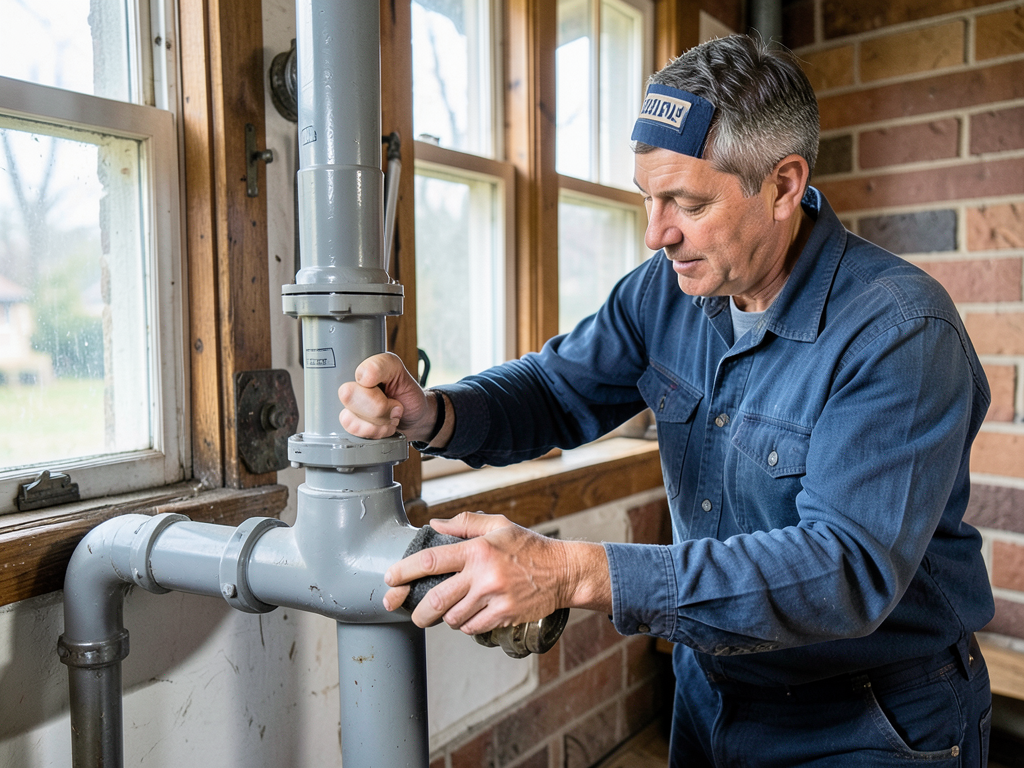
Lead pipes are often mistaken for other materials, but there are several reliable ways to identify them. The scratch test is the most straightforward method – use a coin to scratch the pipe’s surface. If it reveals a dull gray color that turns shiny silver when scratched, you likely have lead. Lead pipes are also very soft and can be easily dented with a screwdriver. Finding a Reliable Water Heater Repair Service in Mandarin Without the Wait.
Another telltale sign is the magnet test. Lead is non-magnetic, so if a magnet doesn’t stick to your pipe, that’s another indicator. You might also notice that lead pipes have a distinctive gray color that doesn’t match galvanized steel or copper. Many Riverside homes built between the 1920s and 1960s have lead service lines connecting the water main to the house, even if the interior plumbing has been updated. How to Get Your Tankless Water Heater Installed at Jacksonville Beach.
Lead solder is another concern. Even if your pipes are copper, lead-based solder was used to join pipes until the mid-1980s. You can often spot this as a silver-gray substance at pipe joints. The Florida Department of Environmental Protection recommends testing any home built before 1986 for lead plumbing materials. EPA information about lead in drinking water.
Why Jacksonville Homeowners Should Be Concerned
Lead exposure through drinking water is particularly dangerous for children under six and pregnant women. According to the EPA’s Lead and Copper Rule, there is no safe level of lead exposure. Even low levels can cause developmental delays, learning difficulties, and behavioral problems in children. Adults can experience kidney problems, high blood pressure, and reproductive issues from chronic lead exposure. Get Rid of Hard Water for Good with a Water Softener Installation in Ponte Vedra.
Jacksonville’s Riverside and Avondale historic districts contain some of the oldest housing stock in the city, with many homes dating back to the early 1900s. These neighborhoods were built during the peak period when lead pipes were standard in American homes. The St. Johns River’s water chemistry can actually accelerate lead leaching from pipes, especially during periods of low rainfall when water sits in pipes longer.
The CDC reports that lead in drinking water contributes to about 20% of total lead exposure for the average American. In older homes with lead plumbing, this percentage can be much higher. Children absorb lead more easily than adults, making them particularly vulnerable to the neurological effects of lead poisoning.
Lead and the JEA Water Supply
The Jacksonville Electric Authority (JEA) is responsible for water quality up to the point where the service line connects to your home. Under the EPA’s Lead and Copper Rule, JEA must maintain specific water chemistry to minimize lead leaching from pipes. This includes controlling the water’s pH and adding corrosion inhibitors to create a protective coating inside pipes. JEA Water Quality Reports.
However, JEA’s responsibility ends at the water meter. The service line from the meter to your home and all interior plumbing are the homeowner’s responsibility. Many Riverside homes have lead service lines that JEA cannot replace without homeowner permission and cost-sharing. JEA provides free lead testing kits to concerned residents and publishes annual water quality reports that detail lead levels in the distribution system.
During water main replacements, JEA sometimes encounters lead service lines and will notify homeowners about replacement options. The utility also offers a lead service line replacement program that can help offset costs for qualifying low-income residents. You can request a free water quality test kit by calling JEA’s customer service line or visiting their website.
Solutions for Lead Pipe Remediation
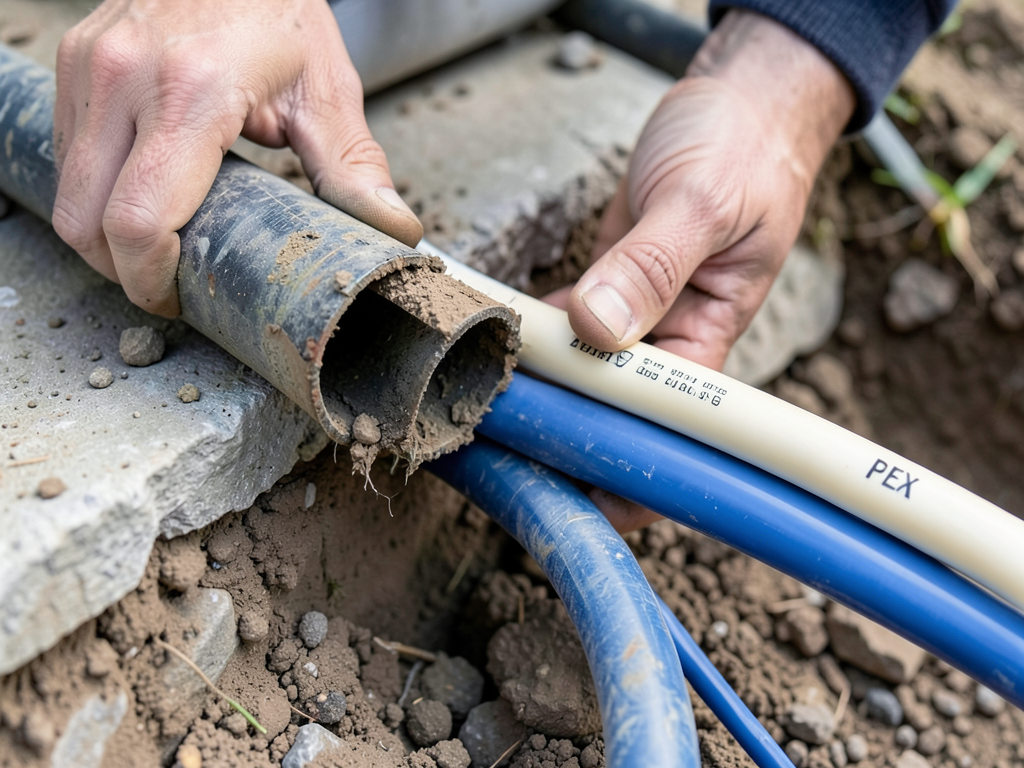
Replacing lead pipes is the only permanent solution to eliminate lead exposure. The process typically involves replacing both the service line and any interior lead pipes. PEX (cross-linked polyethylene) has become the most popular replacement material due to its flexibility, resistance to corrosion, and lower installation costs compared to copper. Copper remains an excellent option for those preferring metal pipes, though it costs significantly more.
For homeowners who cannot immediately replace lead pipes, point-of-use filtration systems certified to NSF/ANSI Standard 53 for lead removal can provide temporary protection. These filters must be properly maintained and replaced according to manufacturer specifications. However, filtration is not a substitute for pipe replacement, as it only addresses water at specific outlets rather than the entire plumbing system.
Temporary measures include flushing your pipes before using water for drinking or cooking. Lead accumulates in standing water, so running cold water for 30-60 seconds after periods of non-use can reduce lead levels. Never use hot water from the tap for drinking or cooking, as hot water leaches more lead from pipes than cold water. Running Toilet Repair.
Cost of Lead Pipe Replacement in Jacksonville
The cost of lead pipe replacement in Jacksonville varies widely depending on the extent of the work required. Service line replacement typically costs between $3,000 and $8,000, while whole-home repiping can range from $8,000 to $20,000 or more. Factors affecting cost include the length of pipe to be replaced, accessibility, whether walls need to be opened, and the chosen replacement material.
Duval County requires permits for major plumbing work, including lead pipe replacement. A licensed plumber must pull these permits and ensure all work meets Florida Building Code requirements. The permitting process includes inspections to verify proper installation and materials. Some homeowners insurance policies may cover part of the replacement cost, particularly if lead levels are found to exceed EPA action levels.
Financial assistance may be available through various programs. JEA offers a lead service line replacement program for qualified low-income residents. Some federal grants and local initiatives also help offset costs for lead remediation in older neighborhoods. A professional inspection by a lead-safe certified plumber can provide a detailed cost estimate and identify all lead-containing materials in your plumbing system.
Choosing a Lead-Safe Certified Plumber
When selecting a plumber for lead pipe replacement, look for lead-safe certification from the EPA. This certification ensures the contractor follows specific practices to minimize lead dust and contamination during removal. Ask potential contractors about their experience with historic Riverside homes and their familiarity with JEA’s requirements and procedures.
A qualified plumber should provide a written plan detailing the scope of work, timeline, and safety measures. This should include containment procedures to prevent lead dust from spreading throughout your home, proper disposal of lead materials according to EPA regulations, and post-replacement cleaning protocols. The contractor should also provide documentation of all permits and inspections. The Best Drain Cleaning Companies for Clogged Pipes in San Marco.
Ask about warranties on both materials and workmanship. Many reputable plumbers offer 10-25 year warranties on repiping work. Check online reviews and ask for references from other Riverside homeowners who have had similar work done. The right contractor will be transparent about costs, timeline, and potential challenges specific to your home’s construction.
Protecting Your Family During the Replacement Process
Lead pipe replacement requires careful planning to protect your family’s health. The work area should be sealed off with plastic sheeting, and contractors should use HEPA-filtered vacuums to control dust. Children and pregnant women should stay elsewhere during active demolition and removal phases. The work area should be thoroughly cleaned with wet methods to prevent lead dust from becoming airborne.
After replacement, all surfaces should be cleaned with detergent and disposable cloths. Regular household vacuums can spread lead dust, so professional cleaning may be necessary. Consider having your home tested for lead dust after the work is complete, especially if you have young children. Many lead-safe certified contractors include post-work cleaning and testing as part of their service.
During the replacement process, you’ll need alternative water arrangements. Most reputable contractors provide temporary water connections to ensure you have running water throughout the project. The entire process typically takes 3-7 days for service line replacement and 1-2 weeks for whole-home repiping, depending on the complexity and size of your home.
Frequently Asked Questions
How do I know if my home has lead pipes?
Look for dull gray pipes that are soft enough to scratch with a coin, showing a shiny silver color underneath. Lead pipes are also non-magnetic and can be easily dented with a screwdriver. Homes built before 1986, especially in historic districts like Riverside, are most likely to have lead components.
Is lead in drinking water really dangerous?
Yes, lead exposure is extremely dangerous, particularly for children and pregnant women. It can cause developmental delays, learning difficulties, and behavioral problems in children, even at low levels. The EPA has established that no level of lead exposure is considered safe.
Can I replace just part of my lead pipes?
While partial replacement is possible, it’s not recommended as the most effective solution. Disturbing lead pipes can actually increase lead levels temporarily. Complete replacement of all lead-containing materials provides the safest and most permanent solution to the problem.
Does homeowners insurance cover lead pipe replacement?
Coverage varies by policy, but many standard homeowners insurance policies do not cover lead pipe replacement as it’s considered a maintenance issue rather than sudden damage. However, some policies may provide coverage if lead levels are found to exceed EPA action levels or if there’s related water damage.
How long does lead pipe replacement take?
Service line replacement typically takes 2-3 days, while whole-home repiping usually requires 1-2 weeks. The timeline depends on the size of your home, the extent of lead piping, and whether walls need to be opened for access. Your plumber should provide a detailed timeline before starting work.
Next Steps for Riverside Homeowners
If you suspect your Riverside home has lead pipes, the first step is professional testing. A licensed plumber can inspect your system and identify all lead-containing materials. This inspection typically costs $200-$500 but provides crucial information for making informed decisions about remediation.
Even if testing shows lead levels below EPA action levels, consider replacement if you have young children or are planning to stay in your home long-term. The peace of mind and health protection are worth the investment. Many Riverside homeowners find that repiping also improves water pressure and quality while eliminating other aging pipe issues.
Don’t wait for a plumbing emergency to discover lead in your pipes. Proactive replacement protects your family’s health and can prevent costly emergency repairs. The unique character of Riverside’s historic homes deserves modern, safe plumbing systems that will serve families for generations to come.
Ready to protect your family from lead exposure? Call (904) 839-7199 today to schedule your professional lead pipe inspection. Our lead-safe certified plumbers have extensive experience with Riverside’s historic homes and can provide you with a clear path forward for safe, reliable plumbing.
{
“@context”: “https://schema.org”,
“@type”: “BlogPosting”,
“headline”: “Why Your Historic Riverside Home Might Still Have Lead Pipes”,
“description”: “Learn how to identify lead pipes in your Riverside home, understand the health risks, and explore safe replacement options. Call (904) 839-7199 for a professional inspection.”,
“wordCount”: 1867,
“datePublished”: “2026-05-25T12:25:00.000Z”,
“dateModified”: “2026-05-25T12:25:00.000Z”,
“inLanguage”: “en-US”,
“mainEntityOfPage”: {
“@type”: “WebPage”,
“@id”: “https://titanplumbingjacksonville.com”
},
“publisher”: {
“@type”: “LocalBusiness”,
“name”: “Titan Plumbing Jacksonville”,
“url”: “https://titanplumbingjacksonville.com”
},
“author”: {
“@type”: “Organization”,
“name”: “Titan Plumbing Jacksonville”,
“url”: “https://titanplumbingjacksonville.com”
},
“image”: {
“@type”: “ImageObject”,
“url”: “https://titanplumbingjacksonville.com/wp-content/uploads/2026/03/why-your-historic-riverside-home-might-still-have-1.png”
}
}
{
“@context”: “https://schema.org”,
“@type”: “Plumber”,
“name”: “Titan Plumbing Jacksonville”,
“url”: “https://titanplumbingjacksonville.com”,
“address”: {
“@type”: “PostalAddress”,
“addressLocality”: “Jacksonville”
},
“areaServed”: {
“@type”: “City”,
“name”: “Jacksonville”
}
}
{
“@context”: “https://schema.org”,
“@type”: “FAQPage”,
“mainEntity”: [
{
“@type”: “Question”,
“name”: “How do I know if my home has lead pipes?”,
“acceptedAnswer”: {
“@type”: “Answer”,
“text”: “Look for dull gray pipes that are soft enough to scratch with a coin, showing a shiny silver color underneath. Lead pipes are also non-magnetic and can be easily dented with a screwdriver. Homes built before 1986, especially in historic districts like Riverside, are most likely to have lead components.”
}
},
{
“@type”: “Question”,
“name”: “Is lead in drinking water really dangerous?”,
“acceptedAnswer”: {
“@type”: “Answer”,
“text”: “Yes, lead exposure is extremely dangerous, particularly for children and pregnant women. It can cause developmental delays, learning difficulties, and behavioral problems in children, even at low levels. The EPA has established that no level of lead exposure is considered safe.”
}
},
{
“@type”: “Question”,
“name”: “Can I replace just part of my lead pipes?”,
“acceptedAnswer”: {
“@type”: “Answer”,
“text”: “While partial replacement is possible, it’s not recommended as the most effective solution. Disturbing lead pipes can actually increase lead levels temporarily. Complete replacement of all lead-containing materials provides the safest and most permanent solution to the problem.”
}
},
{
“@type”: “Question”,
“name”: “Does homeowners insurance cover lead pipe replacement?”,
“acceptedAnswer”: {
“@type”: “Answer”,
“text”: “Coverage varies by policy, but many standard homeowners insurance policies do not cover lead pipe replacement as it’s considered a maintenance issue rather than sudden damage. However, some policies may provide coverage if lead levels are found to exceed EPA action levels or if there’s related water damage.”
}
},
{
“@type”: “Question”,
“name”: “How long does lead pipe replacement take?”,
“acceptedAnswer”: {
“@type”: “Answer”,
“text”: “Service line replacement typically takes 2-3 days, while whole-home repiping usually requires 1-2 weeks. The timeline depends on the size of your home, the extent of lead piping, and whether walls need to be opened for access. Your plumber should provide a detailed timeline before starting work.”
}
}
]
}
{
“@context”: “https://schema.org”,
“@type”: “BreadcrumbList”,
“itemListElement”: [
{
“@type”: “ListItem”,
“position”: 1,
“name”: “Home”,
“item”: “https://titanplumbingjacksonville.com”
},
{
“@type”: “ListItem”,
“position”: 2,
“name”: “Blog”,
“item”: “https://titanplumbingjacksonville.com/blog”
},
{
“@type”: “ListItem”,
“position”: 3,
“name”: “Why Your Historic Riverside Home Might Still Have Lead Pipes”
}
]
}
{
“@context”: “https://schema.org”,
“@type”: “Service”,
“serviceType”: “Plumbing”,
“provider”: {
“@type”: “LocalBusiness”,
“name”: “Titan Plumbing Jacksonville”,
“url”: “https://titanplumbingjacksonville.com”
},
“areaServed”: {
“@type”: “City”,
“name”: “Jacksonville”
},
“description”: “Learn how to identify lead pipes in your Riverside home, understand the health risks, and explore safe replacement options. Call (904) 839-7199 for a professional inspection.”
}