
Why Your High-Efficiency Toilet Keeps Clogging and How to Fix It
If your high-efficiency toilet is clogging more than it should, you are not alone. Many Jacksonville homeowners face this exact problem after upgrading to water-saving models. The good news is that most clogs are fixable, and understanding the root causes can save you from repeated frustration and expensive repairs. How to Get Your Tankless Water Heater Installed at Jacksonville Beach.
The Hidden Problem with Low-Flow Toilets in Jacksonville
High-efficiency toilets use just 1.2 to 1.6 gallons per flush, compared to older models that used 3.5 to 5 gallons. While this saves thousands of gallons of water annually, the reduced water volume can create problems in certain plumbing systems. Jacksonville’s aging sewer infrastructure and hard water conditions make these issues more common here than in other parts of the country. Get Rid of Hard Water for Good with a Water Softener Installation in Ponte Vedra.
The main problem is that low-flow toilets rely on a precise balance of water velocity and trapway design to move waste through your pipes. When this balance is off, waste can accumulate, leading to frequent clogs. In Jacksonville, hard water mineral deposits can narrow trapways over time, making the problem worse. Running Toilet Repair.
Common Causes of High-Efficiency Toilet Clogs
Understanding why your toilet keeps clogging is the first step to fixing it. Here are the most frequent culprits we see in Jacksonville homes:
- Insufficient flush volume for your home’s plumbing layout
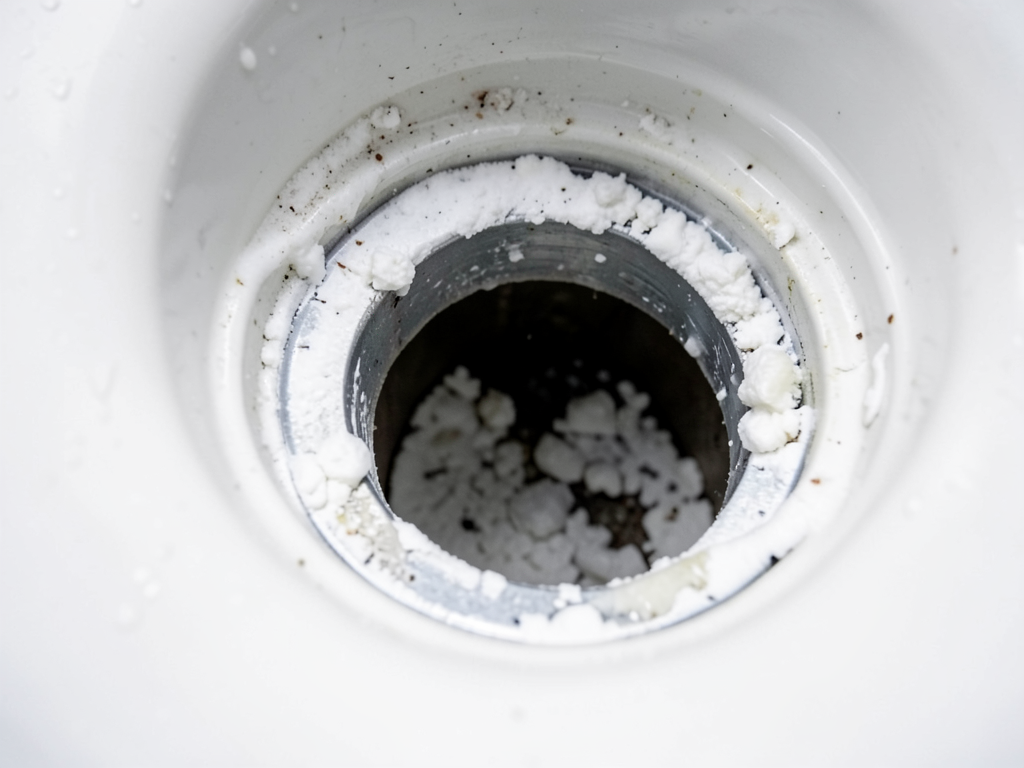
- Mineral buildup from Jacksonville’s hard water restricting trapway flow
- Improper toilet paper usage with low-flow systems
- Sewer line issues like bellies or improper slope
- Flapper or fill valve malfunctions reducing flush power
How Jacksonville’s Water Quality Affects Your Toilet
Jacksonville’s water comes from the Floridan Aquifer and contains high levels of calcium and magnesium. These minerals form scale deposits inside your toilet’s trapway and rim jets, reducing the effective flush volume over time. A toilet that worked perfectly when new may struggle after just a few years of Jacksonville’s hard water exposure. Florida Building Code Chapter 4.
According to JEA water quality reports, our area’s water hardness averages between 7 to 11 grains per gallon. This level of hardness is considered moderately hard to hard, and it affects all plumbing fixtures, especially those with small water passages like low-flow toilets. JEA water quality reports.
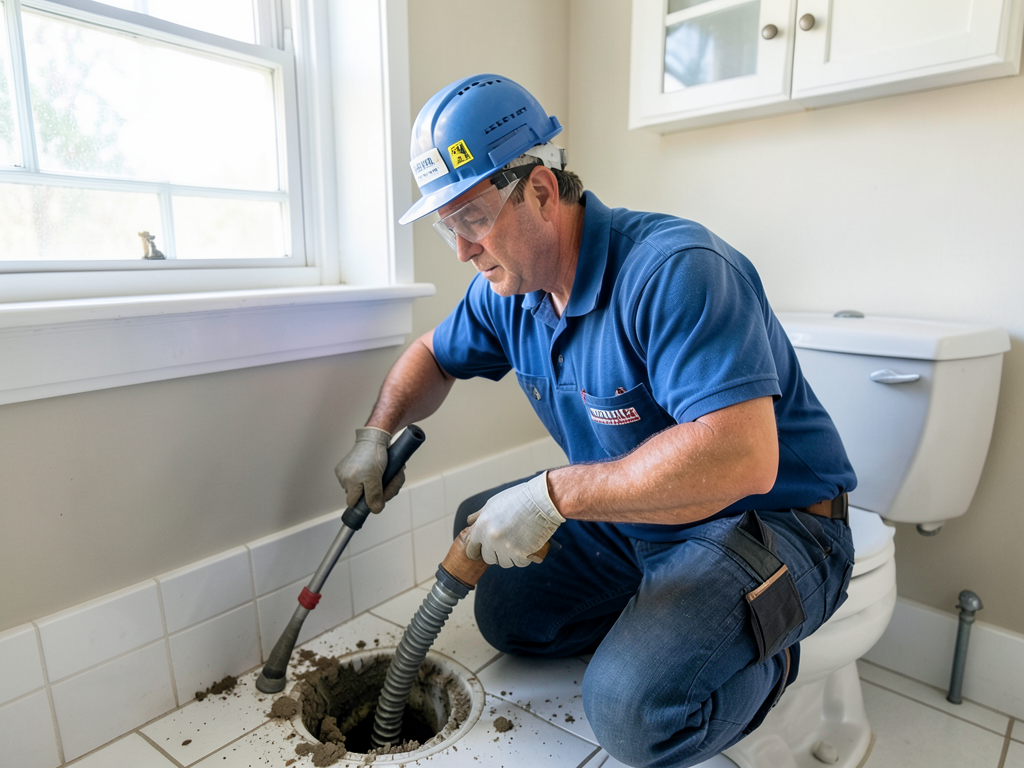
Diagnosing Your Toilet’s Clog Problem
Before calling a plumber, you can perform some simple diagnostics to understand your toilet’s specific issue:
- Check the Flush Power
Observe whether the bowl empties completely on the first flush. Weak or incomplete flushes often indicate mineral buildup or mechanical issues.
- Inspect the Trapway
Look for visible mineral deposits around the rim holes and trapway entrance. White, chalky buildup indicates hard water scale.
- Test with Different Paper
Try flushing with minimal toilet paper to see if excessive paper is the culprit.
- Listen to the Flush Sound
A healthy flush should sound powerful and complete. Gurgling or weak sounds suggest problems.
Five Proven Solutions to Prevent Toilet Clogs
Once you identify the likely cause, try these solutions before considering toilet replacement:
- Clean the Rim Jets and Trapway
Use a calcium, lime, and rust remover to dissolve mineral deposits. Pour the solution into the overflow tube and let it sit overnight, then flush multiple times.
- Adjust the Flapper Chain
Ensure the flapper lifts fully during each flush. A chain that’s too short prevents complete opening.
- Switch to 1-Ply Toilet Paper
Single-ply paper dissolves faster and is less likely to cause clogs in low-flow systems.. Read more about Can Installing Low-Flow Fixtures Really Lower Your JEA Bill in Northside?.
- Install a Dual-Flush Converter
Add a dual-flush mechanism to your existing toilet, giving you the option of a full flush when needed.
- Check and Adjust Water Level
Ensure the tank fills to the proper level. Low water levels reduce flush effectiveness.
When to Consider Toilet Replacement
Sometimes repairs are not enough, especially if your toilet is over 10 years old or has severe mineral buildup. Consider replacement if:
- You’ve tried multiple fixes without success
- The toilet requires multiple flushes for basic waste
- You notice visible cracks or damage to the porcelain
- Your home has a history of plumbing issues
Pressure-Assisted vs. Gravity-Fed Toilets for Jacksonville Homes
If replacement becomes necessary, understanding your options is crucial. Here’s how the two main types compare for Jacksonville conditions:
| Feature | Pressure-Assisted | Gravity-Fed |
|---|---|---|
| Flush Power | Very Strong | Moderate |
| Water Usage | 1.28-1.6 GPF | 1.28-1.6 GPF |
| Hard Water Resistance | Excellent | Moderate |
| Noise Level | Loud | Quiet |
| Maintenance Needs | Higher | Lower |
| Best For | Problematic plumbing | Standard conditions |
Professional Solutions for Stubborn Toilet Problems
When DIY fixes fail, professional intervention can solve the underlying issues. A licensed plumber can:
- Perform a camera inspection of your sewer lines to identify bellies or blockages
- Remove severe mineral buildup using professional-grade descaling equipment
- Install pressure-assisted toilets designed for challenging plumbing conditions
- Recommend and install toilets with larger trapways specifically engineered for low-flow efficiency
Preventing Future Clogs: Maintenance Tips
Regular maintenance can extend your toilet’s life and prevent most clogs:
- Monthly Cleaning
Clean rim jets and trapway monthly with a calcium, lime, and rust remover.
- Annual Inspection
Have a plumber inspect your toilet’s internal components annually.
- Monitor Water Quality
Consider a whole-house water softener if hard water is severe.
- Proper Usage
Educate household members about appropriate toilet paper usage.
The Cost Factor: Repair vs. Replace
Understanding the cost implications helps you make informed decisions. Simple repairs like flapper replacement or cleaning typically cost between $75 to $150. More extensive repairs or professional cleaning might range from $200 to $400. Complete toilet replacement, including installation, averages $350 to $800 depending on the model and features. The Best Drain Cleaning Companies for Clogged Pipes in San Marco.
Consider the age and condition of your current toilet when making this decision. If your toilet is over 10 years old and experiencing frequent issues, replacement often provides better long-term value.
Local Building Code Considerations
Duval County follows Florida Building Code Chapter 4, which requires all new and replacement toilets to meet WaterSense efficiency standards. This means a maximum of 1.28 gallons per flush for residential installations. If you’re replacing your toilet, ensure your new model is WaterSense certified to comply with local regulations.
Additionally, the Florida Plumbing Code Section 405.4 requires proper venting for all toilet installations. Poor venting can contribute to flushing problems and should be evaluated during any major toilet work.
Frequently Asked Questions
Why does my new high-efficiency toilet clog more than my old one?
New low-flow toilets use less water, which can be insufficient for older plumbing systems with inadequate slope or diameter. Additionally, mineral buildup from Jacksonville’s hard water can restrict flow in newer toilets more quickly than in older models. Quick Slab Leak Detection and Repair for Homeowners in Southside.
Can I increase my toilet’s flush power without replacing it?
Yes. You can adjust the fill valve to increase tank water level, clean mineral deposits from the trapway and rim jets, or install a dual-flush converter. However, these modifications have limits and may not solve underlying plumbing issues.
How often should I clean my toilet’s internal components?
For Jacksonville homes with hard water, monthly cleaning of rim jets and trapway is recommended. Professional inspection and cleaning should be done annually to prevent severe mineral buildup.
Take Action Before Your Next Clog
Don’t let toilet problems disrupt your daily life. If you’re experiencing frequent clogs, call (904) 839-7199 today to schedule a professional inspection. Our experienced technicians can diagnose the exact cause and recommend the most cost-effective solution, whether that’s a simple repair or a complete toilet upgrade.
Pick up the phone and call (904) 839-7199 before the next storm hits. Jacksonville’s humid climate and hard water conditions make prompt attention essential for preventing more serious plumbing issues.
Call (904) 839-7199 today to schedule your inspection and get your toilet working like new again.
{
“@context”: “https://schema.org”,
“@type”: “BlogPosting”,
“headline”: “Why Your High-Efficiency Toilet Keeps Clogging and How to Fix It”,
“description”: “Is your high-efficiency toilet clogging constantly? Learn why Jacksonville’s hard water and low-flow designs cause problems and how to fix them. Call (904) 839-7199.”,
“wordCount”: 1306,
“datePublished”: “2026-06-05T12:01:00.000Z”,
“dateModified”: “2026-06-05T12:01:00.000Z”,
“inLanguage”: “en-US”,
“mainEntityOfPage”: {
“@type”: “WebPage”,
“@id”: “https://titanplumbingjacksonville.com”
},
“publisher”: {
“@type”: “LocalBusiness”,
“name”: “Titan Plumbing Jacksonville”,
“url”: “https://titanplumbingjacksonville.com”
},
“author”: {
“@type”: “Organization”,
“name”: “Titan Plumbing Jacksonville”,
“url”: “https://titanplumbingjacksonville.com”
},
“image”: {
“@type”: “ImageObject”,
“url”: “https://titanplumbingjacksonville.com/wp-content/uploads/2026/03/why-your-high-efficiency-toilet-keeps-clogging-and-1.png”
}
}
{
“@context”: “https://schema.org”,
“@type”: “Plumber”,
“name”: “Titan Plumbing Jacksonville”,
“url”: “https://titanplumbingjacksonville.com”,
“address”: {
“@type”: “PostalAddress”,
“addressLocality”: “Jacksonville”
},
“areaServed”: {
“@type”: “City”,
“name”: “Jacksonville”
}
}
{
“@context”: “https://schema.org”,
“@type”: “FAQPage”,
“mainEntity”: [
{
“@type”: “Question”,
“name”: “Why does my new high-efficiency toilet clog more than my old one?”,
“acceptedAnswer”: {
“@type”: “Answer”,
“text”: “New low-flow toilets use less water, which can be insufficient for older plumbing systems with inadequate slope or diameter. Additionally, mineral buildup from Jacksonville’s hard water can restrict flow in newer toilets more quickly than in older models. Quick Slab Leak Detection and Repair for Homeowners in Southside.”
}
},
{
“@type”: “Question”,
“name”: “Can I increase my toilet’s flush power without replacing it?”,
“acceptedAnswer”: {
“@type”: “Answer”,
“text”: “Yes. You can adjust the fill valve to increase tank water level, clean mineral deposits from the trapway and rim jets, or install a dual-flush converter. However, these modifications have limits and may not solve underlying plumbing issues.”
}
},
{
“@type”: “Question”,
“name”: “How often should I clean my toilet’s internal components?”,
“acceptedAnswer”: {
“@type”: “Answer”,
“text”: “For Jacksonville homes with hard water, monthly cleaning of rim jets and trapway is recommended. Professional inspection and cleaning should be done annually to prevent severe mineral buildup.”
}
}
]
}
{
“@context”: “https://schema.org”,
“@type”: “HowTo”,
“name”: “How to Diagnose Toilet Clogs”,
“step”: [
{
“@type”: “HowToStep”,
“position”: 1,
“name”: “Check the Flush Power”,
“text”: “Observe whether the bowl empties completely on the first flush. Weak or incomplete flushes often indicate mineral buildup or mechanical issues.”
},
{
“@type”: “HowToStep”,
“position”: 2,
“name”: “Inspect the Trapway”,
“text”: “Look for visible mineral deposits around the rim holes and trapway entrance. White, chalky buildup indicates hard water scale.”
},
{
“@type”: “HowToStep”,
“position”: 3,
“name”: “Test with Different Paper”,
“text”: “Try flushing with minimal toilet paper to see if excessive paper is the culprit.”
},
{
“@type”: “HowToStep”,
“position”: 4,
“name”: “Listen to the Flush Sound”,
“text”: “A healthy flush should sound powerful and complete. Gurgling or weak sounds suggest problems.”
}
],
“image”: “https://titanplumbingjacksonville.com/wp-content/uploads/2026/03/why-your-high-efficiency-toilet-keeps-clogging-and-1.png”
}
{
“@context”: “https://schema.org”,
“@type”: “BreadcrumbList”,
“itemListElement”: [
{
“@type”: “ListItem”,
“position”: 1,
“name”: “Home”,
“item”: “https://titanplumbingjacksonville.com”
},
{
“@type”: “ListItem”,
“position”: 2,
“name”: “Blog”,
“item”: “https://titanplumbingjacksonville.com/blog”
},
{
“@type”: “ListItem”,
“position”: 3,
“name”: “Why Your High-Efficiency Toilet Keeps Clogging and How to Fix It”
}
]
}
{
“@context”: “https://schema.org”,
“@type”: “Service”,
“serviceType”: “Plumbing”,
“provider”: {
“@type”: “LocalBusiness”,
“name”: “Titan Plumbing Jacksonville”,
“url”: “https://titanplumbingjacksonville.com”
},
“areaServed”: {
“@type”: “City”,
“name”: “Jacksonville”
},
“description”: “Is your high-efficiency toilet clogging constantly? Learn why Jacksonville’s hard water and low-flow designs cause problems and how to fix them. Call (904) 839-7199.”
}