
Why Your High-Efficiency Toilet Keeps Clogging and How to Fix It
Does your toilet clog more often than it should? You’re not alone. Many Jacksonville homeowners face this frustrating issue with their high-efficiency toilets. The problem isn’t always the toilet itself. It’s often the combination of low-flow technology, local water conditions, and aging plumbing infrastructure that creates the perfect storm for clogs. How to Get Your Tankless Water Heater Installed at Jacksonville Beach.
High-efficiency toilets use less water to save on utility bills. That’s great for your wallet but not always great for your pipes. When the flush volume drops below 1.6 gallons, the toilet needs to work harder to move waste through your home’s plumbing system. In Jacksonville’s flat terrain and with our mineral-heavy water, this can lead to frequent backups. Get Rid of Hard Water for Good with a Water Softener Installation in Ponte Vedra.
Before you blame the toilet or reach for the plunger again, let’s look at what’s really happening and what you can do about it. Running Toilet Repair.
Understanding Low-Flow Toilet Technology
Modern toilets must meet strict water conservation standards. The federal standard since 1994 requires toilets to use no more than 1.6 gallons per flush. Many newer models use even less – some as low as 1.28 gallons. This reduction in water volume changes how waste moves through your plumbing.
Traditional toilets relied on simple gravity and large water volumes to create a powerful flush. Low-flow models use different mechanisms. Some use pressure-assisted technology with compressed air. Others use larger trapways or specially designed bowl shapes to create more efficient siphoning action.
The challenge is that these designs need to work perfectly to clear waste with less water. Any weakness in the system – whether it’s a partially blocked trapway, mineral buildup, or insufficient water pressure – can cause problems.
Common Culprits Behind Frequent Clogs
Several factors can cause your high-efficiency toilet to clog repeatedly. Understanding these will help you identify the real problem.
Insufficient Flush Power. If your toilet doesn’t have enough force to move waste through the trapway, clogs will happen. This can be due to a worn flapper, incorrect chain length, or mineral deposits on the flush valve.
Wrong Toilet Paper. Not all toilet paper breaks down the same way. Thick, plush brands can create blockages in low-flow systems. Even if the paper eventually dissolves, it can cause immediate clogs when it forms a mass in the trapway.
Mineral Buildup. Jacksonville’s water contains high levels of calcium and magnesium. These minerals deposit inside the toilet bowl, trapway, and rim jets over time. This buildup restricts water flow and reduces flush effectiveness.
Plumbing System Issues. The problem might not be your toilet at all. Old pipes with rough interiors, low water pressure, or improper venting can all contribute to clogging issues.
Sewer Line Problems. If your main sewer line has bellies (low spots where waste collects) or tree root intrusion, even a perfect toilet will struggle to clear waste completely.
The Jacksonville Factor: Hard Water and Flat Terrain
Jacksonville presents unique challenges for low-flow toilets. Our local water quality and geography create conditions that make clogs more likely.
According to the JEA, Jacksonville’s water hardness averages between 9 and 17 grains per gallon. This is considered moderately hard to hard water. The calcium and magnesium in our water supply leave deposits that accumulate faster than in areas with softer water. JEA water quality information.
These mineral deposits build up on the rim jets that direct water into the bowl. When these jets get clogged, the flush becomes weaker and less effective. The trapway can also develop scale buildup that narrows the passage for waste.
Our flat topography compounds the problem. Unlike areas with natural slopes that help gravity move waste, Jacksonville’s level ground means your plumbing relies entirely on the initial flush force. There’s no downhill assist to keep things moving.
Many homes in established neighborhoods like Riverside and San Marco were built before low-flow technology existed. Their plumbing systems were designed for toilets using 3.5 to 5 gallons per flush. When you install a modern 1.28-gallon toilet in these older systems, the reduced water volume might not be enough to clear the pipes effectively.
5 Pro Tips to Prevent Toilet Clogs
Before calling a plumber, try these proven strategies to reduce clogging issues with your high-efficiency toilet.
Use Single-Ply Toilet Paper. Switch to septic-safe or RV toilet paper. These products dissolve faster and more completely than standard brands. Test your current paper by placing a few sheets in a jar of water. If it doesn’t break apart within 30 seconds, consider switching.
Regular Cleaning with Vinegar. Once a month, pour a cup of white vinegar into the overflow tube in the toilet tank. Let it sit for 30 minutes, then flush. This helps dissolve mineral deposits in the rim jets and flush valve. For stubborn buildup, you can also pour vinegar directly into the bowl and let it sit overnight.
Check the Flapper Chain. The chain connecting the flush handle to the flapper should have just a little slack – about half an inch. If it’s too loose, the flapper won’t lift fully. If it’s too tight, the flapper won’t seal properly. Adjust it so the flapper lifts completely when you press the handle.
Flush Twice When Needed. Don’t be afraid to use the second flush feature if your toilet has one. Many modern toilets have a partial flush for liquid waste and a full flush for solid waste. Using the correct setting prevents most clogs.
Monthly Maintenance Flush. Once a month, fill a bucket with about two gallons of water and pour it quickly into the toilet bowl. This creates a surge that helps clear any partial blockages in the trapway and drain line. It’s like a mini power flush that keeps things moving.
When to Upgrade: Pressure-Assisted vs. Gravity Toilets
If you’ve tried everything and your toilet still clogs frequently, it might be time to consider a different type of toilet. Not all low-flow toilets perform the same way.
Pressure-Assisted Toilets use compressed air to force water into the bowl at high velocity. They typically produce a loud, powerful flush that can clear waste through almost any plumbing system. The trade-off is higher cost, more noise, and more complex repairs.
Gravity-Fed Toilets rely on the weight of water dropping from the tank to create flushing force. Modern designs use larger trapways (often 2-3/8 inches instead of the standard 2 inches) and optimized bowl shapes to improve performance. They’re quieter and usually less expensive but may struggle more with partial blockages.
| Pressure-Assisted | Gravity-Fed |
|---|---|
| Uses compressed air for flush | Uses water weight and gravity |
| Louder operation | Quieter operation |
| Higher initial cost | Lower initial cost |
| Fewer clogs in older plumbing | May need plumbing upgrades |
| More complex repairs | Simpler maintenance |
| Best for problem areas | Best for new construction |
For Jacksonville homes with persistent clogging issues, pressure-assisted toilets often provide the best solution. They can overcome the challenges of mineral buildup and flat terrain that plague standard gravity models.
Professional Solutions for Stubborn Clogs
Sometimes the problem goes beyond what you can fix yourself. Here are signs it’s time to call a professional plumber.
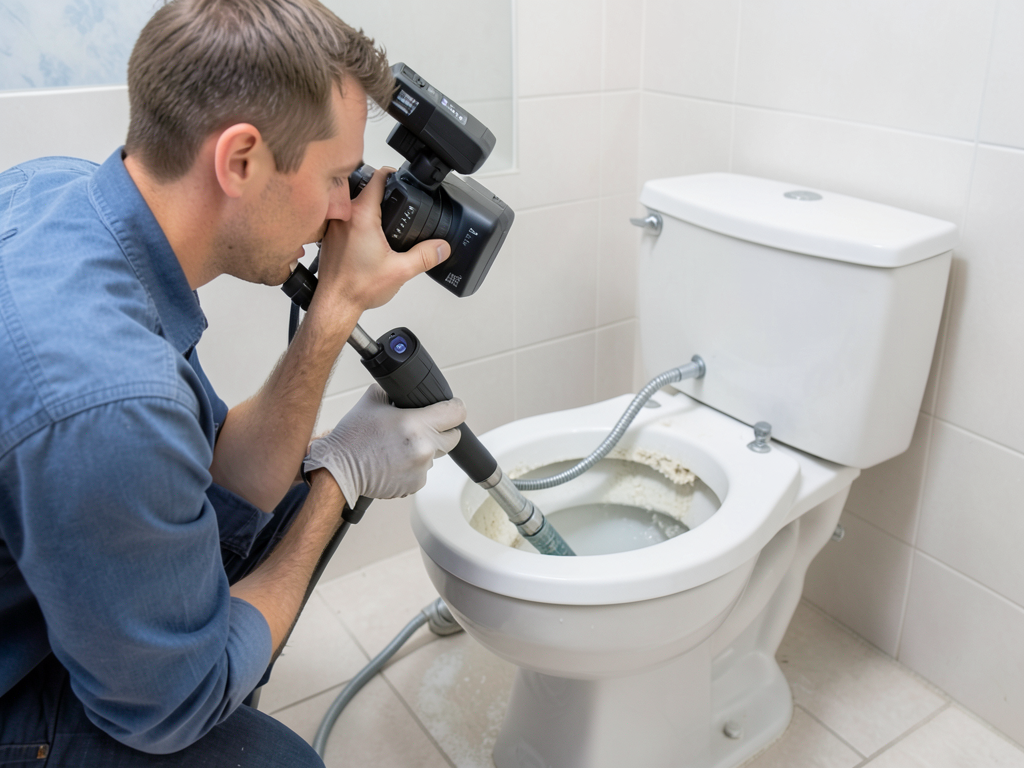
Recurring Clogs. If you’re plunging more than once a week, there’s likely a deeper issue in your plumbing system. A professional can use a camera inspection to identify problems like pipe bellies, root intrusion, or collapsed sections.
Gurgling Sounds. When you flush and hear gurgling in nearby drains or your tub, it often indicates a venting problem or partial blockage in the main line. This requires professional diagnosis and repair.
Slow Draining Throughout the House. If multiple fixtures drain slowly, the issue is likely in your main sewer line rather than individual traps. This needs immediate attention to prevent sewage backups.
Water Backing Up in Other Fixtures. When flushing causes water to rise in your tub or sink, you have a serious blockage in the main line. This is a plumbing emergency that requires immediate professional service.
A professional plumber can perform several diagnostic tests to identify the root cause of your clogging problems. They might use a plumbing snake to clear blockages, conduct a video camera inspection of your sewer line, or test your home’s water pressure and flow rates.
According to the Florida Building Code (Plumbing), Section 402.4, all drainage systems must be designed to handle the waste load from fixtures. If your system doesn’t meet these standards, a professional can recommend upgrades that bring your plumbing into compliance while solving your clogging issues. Florida Building Code (Plumbing).
Choosing the Right Replacement Toilet
If you decide to replace your toilet, consider these factors to ensure you get a model that works well in your Jacksonville home.
MaP Rating. The Maximum Performance (MaP) rating measures how many grams of solid waste a toilet can flush completely. Look for toilets with a MaP rating of at least 500 grams. Models with ratings above 1,000 grams offer exceptional performance but may use slightly more water.
Trapway Size. A larger trapway diameter reduces the chance of clogs. Look for toilets with trapways of at least 2-1/8 inches. Some high-performance models have trapways up to 2-3/8 inches.
Rim Jet Design. Toilets with fully glazed trapways and rim jets resist mineral buildup better than those with partial glazing. This is especially important in Jacksonville’s hard water conditions.
Water Surface Area. A larger water surface in the bowl helps prevent waste from sticking to the sides. This makes the toilet easier to clean and less likely to develop odors.
Warranty. Quality toilets come with longer warranties. Look for models with at least a five-year warranty on parts and a lifetime warranty on chinaware.
Some manufacturers specifically design toilets for areas with challenging water conditions. These models often feature larger valves, wider trapways, and surfaces that resist mineral buildup. While they may cost more upfront, they can save you money and frustration over time.
Maintaining Your High-Efficiency Toilet
Even the best toilet needs regular maintenance to perform at its best. Here’s a simple maintenance schedule to keep your toilet working efficiently.
Monthly Tasks
- Clean the bowl with a non-abrasive cleaner
- Check for leaks around the base and tank
- Test the flush strength and adjust if needed
- Pour vinegar in the overflow tube to prevent mineral buildup
Quarterly Tasks
- Deep clean the rim jets with a small brush
- Check the flapper for wear and replace if needed
- Inspect the supply line for corrosion or damage
- Test the shut-off valve operation
Annual Tasks
- Professional inspection of internal components
- Check water pressure (should be 40-60 psi)
- Inspect the wax ring seal
- Test the toilet’s MaP performance if possible
Regular maintenance not only prevents clogs but also extends the life of your toilet. A well-maintained toilet can last 20-30 years, while neglected ones may need replacement in half that time.
Remember that even with perfect maintenance, the age and condition of your home’s plumbing system play a crucial role. In older Jacksonville neighborhoods, repiping might be necessary to fully solve chronic clogging issues.
Frequently Asked Questions
Why does my new low-flow toilet clog more than my old one?
Your old toilet used 3.5-5 gallons per flush, creating a powerful surge that could overcome partial blockages. New low-flow models use 1.28-1.6 gallons, which may not have enough force to clear the same pipes, especially if they have mineral buildup or design issues.
Can hard water really cause toilet clogs?
Yes. Hard water deposits calcium and magnesium inside the toilet’s trapway, rim jets, and flush valve. This buildup restricts water flow and reduces flush effectiveness. In Jacksonville’s hard water conditions, this can significantly impact toilet performance.
How do I know if the problem is my toilet or my plumbing?
If only one toilet clogs repeatedly while others work fine, the toilet is likely the issue. If multiple fixtures drain slowly or you hear gurgling sounds, the problem is probably in your main plumbing or sewer line. The Best Drain Cleaning Companies for Clogged Pipes in San Marco.
Are pressure-assisted toilets worth the extra cost?
For homes with chronic clogging issues, especially in older Jacksonville neighborhoods, pressure-assisted toilets often pay for themselves quickly by eliminating the need for frequent plumbing calls and reducing water waste from multiple flushes. Quick Slab Leak Detection and Repair for Homeowners in Southside.
How often should I replace toilet components?
Flappers typically last 2-5 years, fill valves 5-7 years, and supply lines 5-10 years. However, in areas with hard water like Jacksonville, you may need to replace components more frequently due to mineral buildup.
Take Action Against Toilet Clogs Today
Don’t let toilet clogs disrupt your daily life or damage your plumbing system. Whether you need a simple adjustment, a professional cleaning, or a complete toilet replacement, the right solution exists for your situation.
Many homeowners try to tough it out with a problematic toilet, but this often leads to bigger problems down the road. A toilet that clogs frequently can indicate issues that might cause sewage backups or water damage if left unaddressed.
The good news is that modern toilet technology has advanced significantly. Today’s high-efficiency toilets can perform as well as or better than older models while using a fraction of the water. The key is choosing the right model for your specific situation and ensuring your plumbing system can support it.
If you’re tired of dealing with constant clogs, call (904) 839-7199 today to schedule a professional evaluation. We’ll diagnose the real cause of your toilet problems and recommend solutions that work for your home and budget. Don’t wait until a minor inconvenience becomes a major plumbing emergency.
Pick up the phone and call (904) 839-7199 before the next storm hits. Jacksonville’s changing weather patterns can stress your plumbing system, and you don’t want to discover problems during a heavy rain event when demand for plumbers is highest.