
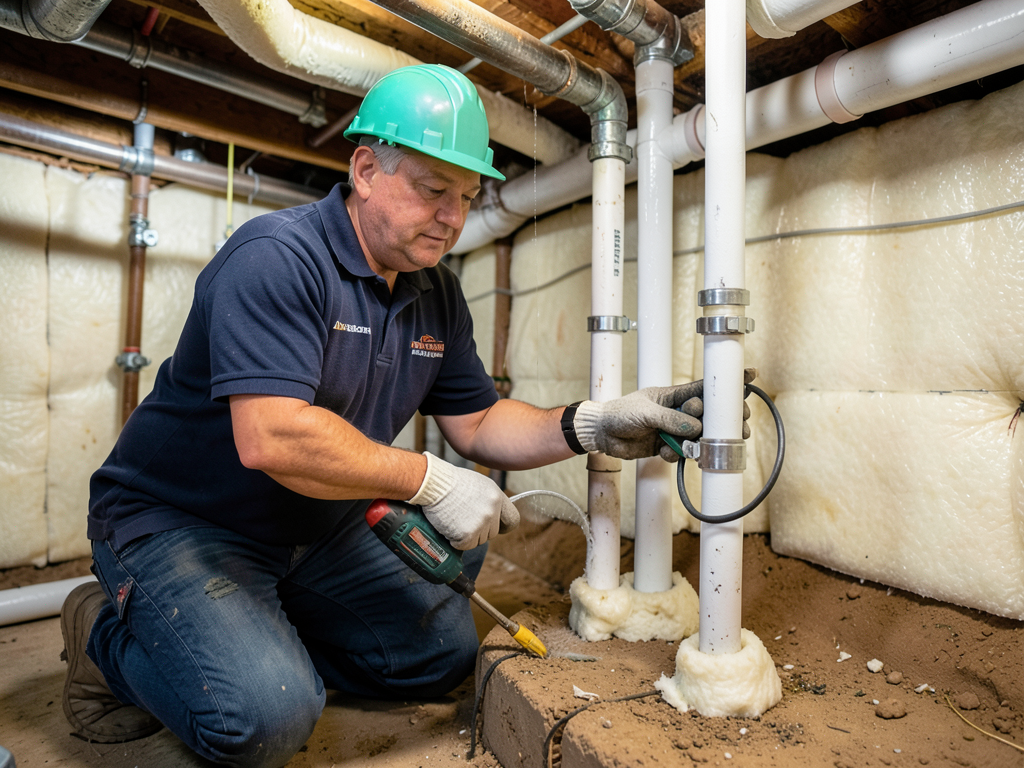
Why You Should Insulate Your Pipes Even in the Florida Heat
Most Jacksonville homeowners think pipe insulation only matters in cold climates. That misconception costs you money and creates hidden problems in your home. High humidity in North Florida causes pipes to sweat just like a cold drink on a summer day. This condensation drips onto floors, ceilings, and walls creating perfect conditions for mold growth and water damage. Florida Building Code Chapter 6 Plumbing.
Pipe insulation does more than prevent freezing. It stops condensation, maintains water temperature, reduces energy bills, and protects your plumbing from Florida’s unique climate challenges. The right insulation system can cut your water heating costs by 3-5% while preventing thousands in potential water damage repairs. How to Get Your Tankless Water Heater Installed at Jacksonville Beach.
Jacksonville’s average humidity stays above 70% for most of the year. When cold water flows through uninsulated pipes in this environment, moisture from the air condenses on the pipe surface. These water droplets collect and drip onto surrounding surfaces creating dark spots on ceilings, warped wood floors, and moldy drywall. The problem gets worse in crawl spaces and attics where ventilation is limited. Get Rid of Hard Water for Good with a Water Softener Installation in Ponte Vedra.
How Jacksonville’s Climate Makes Pipe Insulation Critical
North Florida experiences temperature swings that surprise many residents. While we rarely see sustained freezing weather, Jacksonville averages one to two hard freezes each winter. These brief cold snaps can burst exposed pipes in uninsulated attics, crawl spaces, and outdoor plumbing fixtures. Plumbing Macclenny.
During summer months, your air conditioning system runs constantly. The cold refrigerant lines that carry coolant between your indoor and outdoor units sweat profusely in our humid air. Without proper insulation, these lines drip water onto floors, walls, and equipment creating slip hazards and promoting rust.. Read more about Choosing Between PEX and Copper for Your Venetia Home’s Repiping Project.
According to the Florida Building Code, Chapter 6 Plumbing, Section 605.1 requires thermal insulation on all hot water pipes to prevent heat loss and condensation. The code specifies minimum R-values based on pipe diameter and location. Commercial buildings must comply with stricter requirements under ASHRAE Standard 90.1 for energy efficiency.
Residential homes in older Jacksonville neighborhoods like Riverside and San Marco often have galvanized steel pipes that conduct temperature changes rapidly. These pipes sweat more than modern PEX or copper lines. Homes built before 1980 rarely have adequate pipe insulation in attics or crawl spaces where plumbing runs are most vulnerable.
Types of Pipe Insulation for Florida Homes
Choosing the right insulation material depends on your specific application and location. Each type offers different benefits for Jacksonville’s climate conditions.
Closed-cell foam insulation works best for preventing condensation on cold water lines. The closed-cell structure prevents moisture from penetrating the insulation material. This type resists mold growth and maintains its R-value even in high humidity environments. Polyethylene foam sleeves install quickly on straight pipe runs and come pre-slit for easy application. Quick Slab Leak Detection and Repair for Homeowners in Southside.
Rubber insulation, specifically Armaflex brand, provides superior condensation control for refrigerant lines and cold water pipes. The material remains flexible in Florida’s heat and resists UV damage when used on outdoor applications. Rubber insulation costs more than foam but lasts longer in harsh conditions.
Fiberglass insulation works well for hot water pipes where heat retention matters most. The material has a higher R-value per inch than foam options. However, fiberglass requires a vapor barrier in humid climates to prevent moisture absorption. Without proper sealing, fiberglass insulation can trap moisture against pipes causing corrosion.
Reflective foil insulation combines radiant barriers with traditional insulation. This works well in attics where pipes run through unconditioned spaces. The reflective surface blocks heat gain from the roof while the foam core provides R-value. This dual-action approach cuts both condensation and heat transfer.
Outdoor pipe insulation must withstand UV exposure, temperature extremes, and moisture. UV-resistant foam with waterproof outer jackets protects exposed pipes from sun damage and prevents freezing during cold snaps. This insulation type works for backflow preventers, hose bibs, and main water line connections.
Where Pipe Insulation Makes the Biggest Difference
Hot water pipes in attics lose significant heat before water reaches your faucets. Uninsulated hot water lines in unconditioned spaces can lose 2-4 degrees Fahrenheit per linear foot. This means your water heater runs longer to maintain temperature, increasing energy costs.
Cold water pipes in humid areas create the most visible problems. When humidity exceeds 65%, condensation forms on cold pipes exposed to air. This happens most often in crawl spaces, basements, and inside walls near air conditioning vents. The dripping water damages insulation, promotes mold growth, and can cause structural damage over time.
Refrigerant lines from your air conditioning system run between the indoor air handler and outdoor condenser unit. These copper lines carry refrigerant at temperatures well below outdoor air temperature. Without insulation, they sweat profusely during summer months creating water damage around your air handler and outdoor unit.
Outdoor plumbing fixtures face freeze risks during winter cold snaps. Backflow preventers, hose bibs, and main shut-off valves located in unheated areas can freeze and burst when temperatures drop below 32 degrees Fahrenheit. Proper insulation with weatherproof jackets prevents this damage.
Water heater tanks and the first six feet of hot water pipe from the tank need insulation per federal energy efficiency standards. The Department of Energy recommends R-8 insulation for these applications. This simple upgrade reduces standby heat loss and cuts water heating costs by up to 9%. Department of Energy insulation guidelines.
The Cost Benefits of Professional Pipe Insulation
Professional pipe insulation installation costs between $1.50 and $3.50 per linear foot depending on pipe size and material. A typical 1,500 square foot home with 200 linear feet of piping might cost $300 to $700 for complete insulation. This investment pays for itself through energy savings within 2-3 years.
Energy savings come from multiple sources. Insulated hot water pipes reduce heat loss by 80%, meaning your water heater cycles less frequently. Cold water pipes that don’t sweat reduce moisture in your home, lowering air conditioning loads. Refrigerant lines that don’t sweat prevent water damage that could require expensive repairs.
Preventing mold growth saves thousands in remediation costs. Professional mold removal in Jacksonville averages $2,500 to $7,500 depending on extent. Insurance companies often deny claims for mold damage caused by maintenance issues like uninsulated sweating pipes. The upfront insulation cost prevents these larger expenses.
Freeze protection prevents emergency repair costs. A burst pipe can flood your home with hundreds of gallons of water before you discover the problem. Water damage restoration averages $3.75 per square foot. A single burst pipe incident could cost $5,000 to $15,000 in repairs, making insulation a bargain by comparison.
Commercial properties benefit even more from pipe insulation. Restaurants, hotels, and office buildings have longer pipe runs and higher water usage. Energy savings scale with building size. Additionally, commercial buildings must comply with energy codes that mandate specific R-values for different pipe applications.
Professional vs. DIY Installation
DIY pipe insulation installation seems simple but often fails due to common mistakes. Many homeowners buy the wrong insulation type or thickness for their application. They skip vapor barriers in humid climates or fail to seal joints properly. These errors allow moisture penetration, defeating the insulation’s purpose.
Professional installers know which materials work best for specific applications. They understand Florida’s humidity requires closed-cell or rubber insulation for cold water lines. They know hot water pipes need different materials than refrigerant lines. They also know how to properly seal joints and terminations to prevent moisture infiltration.
Professional installation includes proper surface preparation. Pipes must be clean and dry before insulation application. Any existing moisture or debris compromises the insulation’s effectiveness. Professionals also check for existing damage like corrosion or leaks that need repair before insulation installation.
Warranty coverage matters for long-term protection. Professional insulation installations typically include 5-10 year warranties covering material defects and installation errors. DIY installations have no warranty protection. If insulation fails due to improper installation, you bear the full replacement cost.
Code compliance ensures your installation meets local requirements. Jacksonville building inspectors check pipe insulation during renovations and new construction. DIY installations often fail to meet code requirements for R-values, fire ratings, or material specifications. Professional installers know current codes and ensure compliance.
Special Considerations for Jacksonville Homes
Older homes in neighborhoods like Avondale and Ortega often have galvanized steel pipes that corrode from the inside out. These pipes sweat more than modern materials and may have existing corrosion that accelerates when covered with insulation. Professional assessment identifies pipes needing replacement before insulation installation.
Slab homes in Southside and Mandarin have plumbing embedded in concrete foundations. These pipes are difficult to access for insulation but critical to protect. Professionals use specialized techniques like spray foam insulation for these applications. DIY approaches rarely work for embedded plumbing.
Historic districts like Riverside have strict renovation guidelines. Any exterior modifications including pipe insulation must maintain the home’s historic character. Professional installers understand these requirements and use appropriate materials and installation methods that comply with historic preservation standards.
Coastal homes in Jacksonville Beach and Atlantic Beach face salt air corrosion. Standard insulation materials may degrade faster in these environments. Marine-grade insulation products resist salt corrosion and UV damage. Professionals specify these enhanced materials for coastal applications.
Multi-story homes have longer pipe runs with more opportunities for heat loss and condensation. Hot water traveling from a second-floor water heater to first-floor bathrooms loses significant temperature. Professional assessment identifies critical areas where insulation provides maximum benefit.
Maintenance and Inspection
Insulated pipes need periodic inspection to ensure continued effectiveness. UV exposure degrades outdoor insulation over time. Rodents can damage insulation in attics and crawl spaces. Moisture can penetrate poorly sealed joints causing insulation failure.
Annual inspections identify problems before they cause damage. Professionals check for insulation compression, moisture intrusion, and physical damage. They also verify that insulation remains properly sealed at joints and terminations. Early detection prevents costly water damage and maintains energy efficiency.
Insulation replacement becomes necessary every 10-15 years depending on material and environment. Outdoor insulation exposed to sun may need replacement every 5-7 years. Indoor insulation in controlled environments lasts longer. Professional assessment determines when replacement provides better value than repairs.
During HVAC system upgrades, pipe insulation often needs modification or replacement. New equipment may have different pipe sizes or configurations. Professional installers coordinate insulation work with HVAC upgrades to ensure proper coverage and code compliance.
Environmental Benefits
Pipe insulation reduces energy consumption, lowering your carbon footprint. Heating water accounts for 14-18% of home energy use. Insulating pipes can reduce this by 3-9% through reduced heat loss and shorter water heater cycles.
Reduced water waste occurs when hot water reaches faucets faster. Uninsulated pipes lose heat during transit, requiring you to run water longer to reach desired temperature. Insulated pipes maintain temperature, reducing the water wasted while waiting for hot water.
Mold prevention improves indoor air quality. Mold spores affect respiratory health and require chemical remediation that introduces additional environmental toxins. Preventing mold growth through moisture control creates healthier living environments without chemical interventions.
Material selection impacts environmental footprint. Many modern insulation products use recycled materials and contain no ozone-depleting substances. Professional installers can specify environmentally friendly options that perform as well as traditional materials.
Frequently Asked Questions
How long does pipe insulation last in Jacksonville’s climate?
Quality pipe insulation typically lasts 10-15 years in Jacksonville’s humid climate. Outdoor insulation exposed to UV rays may need replacement every 5-7 years. Professional installation with proper materials and sealing maximizes lifespan.
Can I install pipe insulation myself to save money?
While DIY installation is possible, professional installation ensures proper material selection, code compliance, and long-term effectiveness. DIY mistakes like using wrong materials or poor sealing can cause more problems than they solve.
What’s the best insulation for preventing pipe sweating?
Closed-cell foam or rubber insulation works best for preventing pipe sweating in humid climates. These materials resist moisture penetration and maintain their insulating properties even in high humidity environments.
Call (904) 839-7199 for Your Pipe Insulation Assessment
Don’t wait for water damage or energy waste to cost you money. Professional pipe insulation protects your home from Jacksonville’s unique climate challenges. Our licensed plumbers assess your specific needs and recommend the right insulation solutions for your home or business.
We serve all of Jacksonville including Mandarin, Riverside, Southside, and surrounding areas. Our team understands local building codes, climate conditions, and the specific challenges facing Jacksonville properties. We use only quality materials and provide professional installation with warranty protection.
Call (904) 839-7199 today to schedule your free pipe insulation assessment. Stop wasting energy and prevent water damage with professional insulation installation. Our team will evaluate your current plumbing, identify problem areas, and recommend cost-effective solutions that protect your investment.
Pick up the phone and call (904) 839-7199 before the next humidity spike causes pipe sweating damage. Professional pipe insulation is one of the most cost-effective home improvements you can make in Jacksonville’s climate.
{
“@context”: “https://schema.org”,
“@type”: “BlogPosting”,
“headline”: “Why You Should Insulate Your Pipes Even in the Florida Heat”,
“description”: “Learn why pipe insulation is essential in Jacksonville’s humid climate. Prevent condensation, mold growth, and energy waste with professional pipe insulation services.”,
“wordCount”: 2169,
“datePublished”: “2026-05-06T11:49:00.000Z”,
“dateModified”: “2026-05-06T11:49:00.000Z”,
“inLanguage”: “en-US”,
“mainEntityOfPage”: {
“@type”: “WebPage”,
“@id”: “https://titanplumbingjacksonville.com”
},
“publisher”: {
“@type”: “LocalBusiness”,
“name”: “Titan Plumbing Jacksonville”,
“url”: “https://titanplumbingjacksonville.com”
},
“author”: {
“@type”: “Organization”,
“name”: “Titan Plumbing Jacksonville”,
“url”: “https://titanplumbingjacksonville.com”
},
“image”: {
“@type”: “ImageObject”,
“url”: “https://titanplumbingjacksonville.com/wp-content/uploads/2026/03/why-you-should-insulate-your-pipes-even-in-the-flo-1.png”
}
}
{
“@context”: “https://schema.org”,
“@type”: “Plumber”,
“name”: “Titan Plumbing Jacksonville”,
“url”: “https://titanplumbingjacksonville.com”,
“address”: {
“@type”: “PostalAddress”,
“addressLocality”: “Jacksonville”
},
“areaServed”: {
“@type”: “City”,
“name”: “Jacksonville”
}
}
{
“@context”: “https://schema.org”,
“@type”: “FAQPage”,
“mainEntity”: [
{
“@type”: “Question”,
“name”: “How long does pipe insulation last in Jacksonville’s climate?”,
“acceptedAnswer”: {
“@type”: “Answer”,
“text”: “Quality pipe insulation typically lasts 10-15 years in Jacksonville’s humid climate. Outdoor insulation exposed to UV rays may need replacement every 5-7 years. Professional installation with proper materials and sealing maximizes lifespan.”
}
},
{
“@type”: “Question”,
“name”: “Can I install pipe insulation myself to save money?”,
“acceptedAnswer”: {
“@type”: “Answer”,
“text”: “While DIY installation is possible, professional installation ensures proper material selection, code compliance, and long-term effectiveness. DIY mistakes like using wrong materials or poor sealing can cause more problems than they solve.”
}
},
{
“@type”: “Question”,
“name”: “What’s the best insulation for preventing pipe sweating?”,
“acceptedAnswer”: {
“@type”: “Answer”,
“text”: “Closed-cell foam or rubber insulation works best for preventing pipe sweating in humid climates. These materials resist moisture penetration and maintain their insulating properties even in high humidity environments.”
}
}
]
}
{
“@context”: “https://schema.org”,
“@type”: “BreadcrumbList”,
“itemListElement”: [
{
“@type”: “ListItem”,
“position”: 1,
“name”: “Home”,
“item”: “https://titanplumbingjacksonville.com”
},
{
“@type”: “ListItem”,
“position”: 2,
“name”: “Blog”,
“item”: “https://titanplumbingjacksonville.com/blog”
},
{
“@type”: “ListItem”,
“position”: 3,
“name”: “Why You Should Insulate Your Pipes Even in the Florida Heat”
}
]
}
{
“@context”: “https://schema.org”,
“@type”: “Service”,
“serviceType”: “Plumbing”,
“provider”: {
“@type”: “LocalBusiness”,
“name”: “Titan Plumbing Jacksonville”,
“url”: “https://titanplumbingjacksonville.com”
},
“areaServed”: {
“@type”: “City”,
“name”: “Jacksonville”
},
“description”: “Learn why pipe insulation is essential in Jacksonville’s humid climate. Prevent condensation, mold growth, and energy waste with professional pipe insulation services.”
}