
Why Tree Roots Love Your Older Sewer Lines in Ortega and San Marco
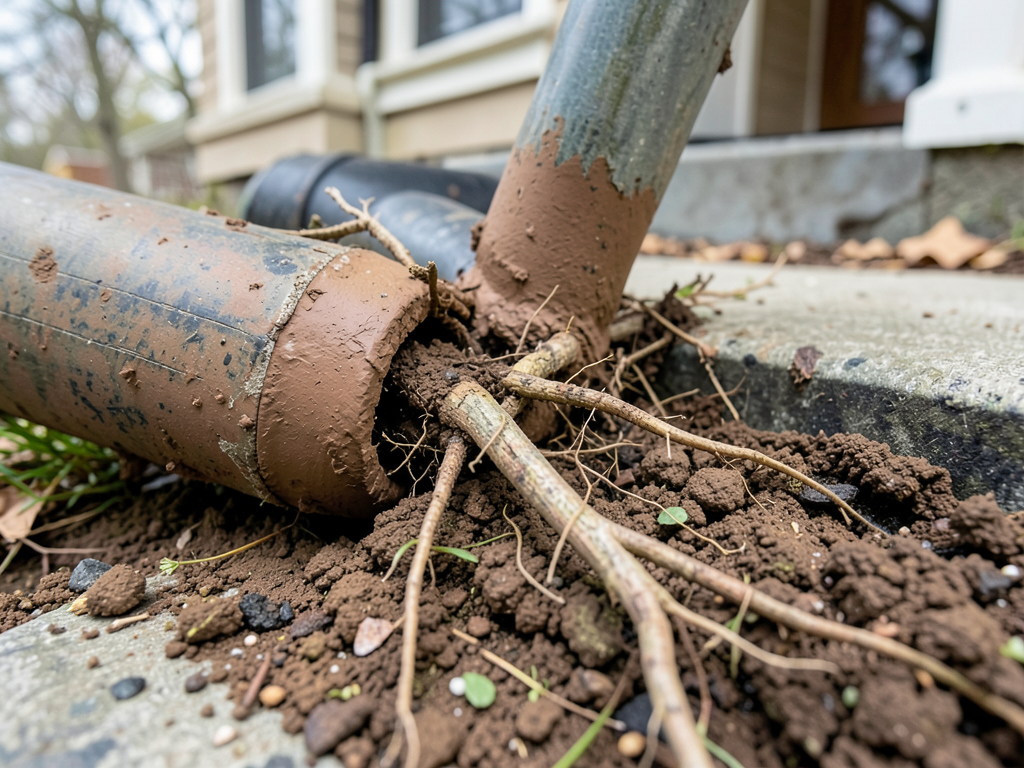
Tree roots are the silent invaders of older sewer lines in Jacksonville’s historic Ortega and San Marco neighborhoods. Mature live oaks and magnolias planted decades ago now send invasive root systems directly toward aging clay or cast iron pipes, drawn by the constant moisture and nutrients inside. These neighborhoods, with their lush canopies and established landscapes, face a unique plumbing threat that requires specialized diagnosis and treatment.. Read more about Essential Plumbing Red Flags to Look for When Buying a Home in Murray Hill.
Unlike newer PVC installations, the vitrified clay pipes common in homes built before the 1980s have porous joints that release microscopic moisture vapor. Roots detect this vapor and grow toward it, eventually penetrating through joints and cracks. Once inside, they thrive on the nutrient-rich wastewater, creating dense blockages that cause recurring backups and costly repairs. EPA guidelines on sewer line repairs.
The combination of Jacksonville’s sandy soil and high water table creates perfect conditions for root intrusion. Sandy soil allows roots to spread laterally with minimal resistance, while the high water table keeps pipes in a consistently moist environment that encourages root growth year-round. This makes Ortega and San Marco particularly vulnerable to sewer line damage. How to Get Your Tankless Water Heater Installed at Jacksonville Beach.
7 Warning Signs Your Sewer Line Has Root Intrusion
Recognizing the symptoms early can prevent a complete sewer line failure. Here are the seven most common indicators that tree roots have invaded your sewer system:
- Gurgling sounds from toilets when other fixtures drain
- Slow drainage in multiple fixtures throughout the home
- Unexplained sewage odors in the yard or basement
- Lush, extra-green patches of grass over the sewer lateral
- Frequent, recurring backups that temporary fixes don’t solve
- Wet spots or sinkholes developing in the yard above the sewer line
- Toilet paper or waste backing up into tubs or showers
These symptoms indicate that roots have created a partial blockage that traps waste and allows sewage to escape into the surrounding soil. The extra moisture and nutrients create the perfect fertilizer for grass, resulting in the telltale lush patches that homeowners often mistake for a healthy lawn.
Why Jacksonville’s Trees Target Your Sewer Pipes
Live oaks in Ortega and magnolias in San Marco are not malicious, but they are opportunistic. These trees evolved to seek out water and nutrients, and your sewer line provides both in abundance. The wastewater flowing through your pipes contains nitrogen, phosphorus, and other nutrients that trees naturally seek through their root systems. Get Rid of Hard Water for Good with a Water Softener Installation in Ponte Vedra.
The problem is compounded by the pipe materials used in older Jacksonville homes. Clay pipes, which were standard before PVC became common, have mortar joints that deteriorate over decades. These joints become porous, releasing moisture vapor that roots can detect from several feet away. Once a tiny root hair finds this moisture source, it grows into the joint, creating an opening that allows larger roots to follow.
Cast iron pipes, also common in historic neighborhoods, develop corrosion over time that creates rough surfaces and gaps where roots can enter. The combination of aging materials and mature tree roots makes homes in the 32210 and 32207 zip codes particularly susceptible to this problem.. Read more about Why Your Historic Riverside Home Might Still Have Lead Pipes.
Jacksonville’s building code requires sewer lines to be buried at least 18 inches deep, but in areas with high water tables, pipes may be closer to the surface where roots can more easily access them. The Florida Building Code Section 305.5 specifically addresses sewer line installation requirements, but many older homes were built before these standards were enforced. Florida Building Code Commission.
Professional Diagnosis: The Sewer Camera Inspection
Before any repair work begins, a professional sewer camera inspection is essential to confirm root intrusion and assess the extent of the damage. This diagnostic process involves inserting a waterproof camera attached to a flexible cable into the sewer line through an existing cleanout or roof vent.
The camera transmits real-time video to a monitor, allowing technicians to see exactly what’s happening inside your pipes. They can identify root locations, measure the severity of blockages, and spot any pipe damage such as cracks, corrosion, or collapsed sections. This visual confirmation eliminates guesswork and ensures the correct repair method is chosen.
During a typical inspection in Ortega or San Marco, technicians often discover multiple root intrusions along the same pipe run. Live oak roots, which can grow several inches in diameter, may have penetrated clay pipes at several joints, creating a network of blockages that requires comprehensive treatment rather than spot repairs.
The inspection also reveals the pipe material and condition, which helps determine whether repair or replacement is the most cost-effective solution. PVC pipes with minor root intrusion may be salvageable with cleaning and root treatment, while severely damaged clay or cast iron pipes might require full replacement. The Best Drain Cleaning Companies for Clogged Pipes in San Marco.
Repair Options for Root-Invaded Sewer Lines
Once root intrusion is confirmed, several repair options exist depending on the severity of the problem and your budget. Each method has distinct advantages and considerations for Jacksonville homeowners.
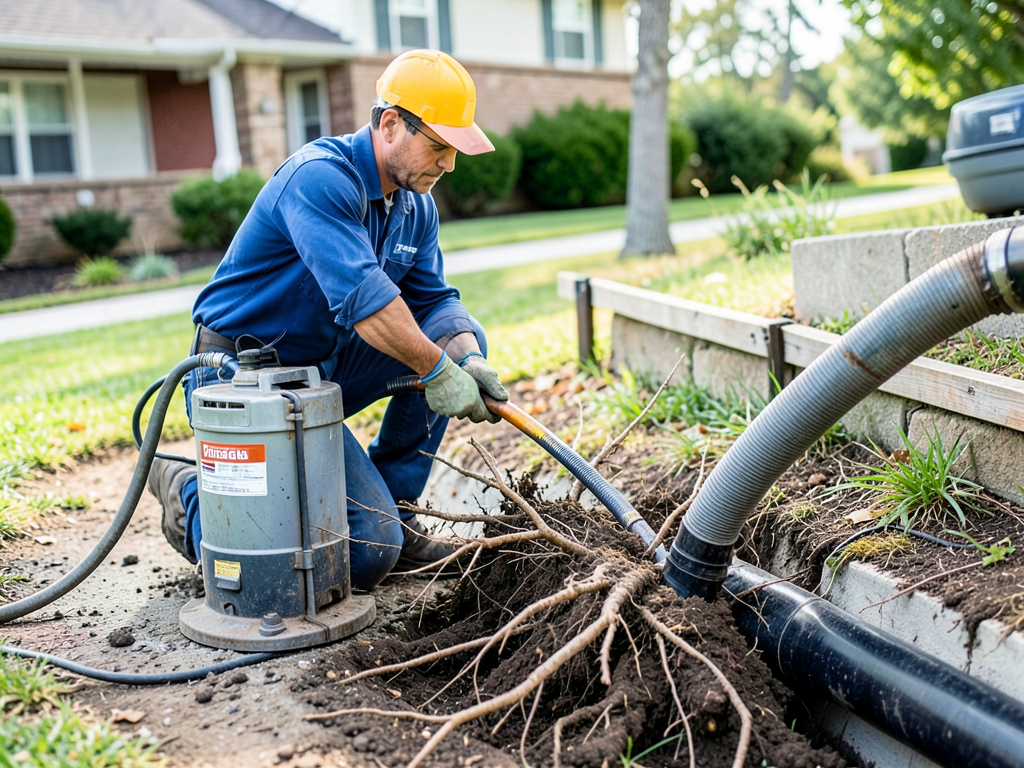
Hydro-jetting uses high-pressure water streams (typically 3,000 to 4,000 PSI) to blast roots and debris from pipes. This method is highly effective for removing existing roots but doesn’t prevent future growth. The process can clear a 4-inch sewer line in about 30 to 60 minutes, making it faster than mechanical snaking for severe blockages.
Mechanical snaking involves using a rotating auger with cutting blades to chop through roots. While effective for minor intrusions, it may not fully clear dense root masses and can leave behind fragments that continue growing. This method is less expensive than hydro-jetting but may require more frequent service calls.
Trenchless pipe lining creates a new pipe within the old one by inserting a resin-saturated felt tube and curing it in place. This method seals off existing root entry points and prevents future intrusion while avoiding the need to dig up your yard. The process typically takes one day and costs 30 to 50 percent less than traditional excavation.
Traditional excavation involves digging up the damaged pipe section and replacing it with new PVC. While this method provides a permanent solution, it requires heavy equipment, landscape restoration, and can cost $5,000 to $15,000 depending on the length of pipe replaced and accessibility.
For severe cases in historic San Marco homes, trenchless pipe bursting may be the best option. This process breaks apart the old pipe while simultaneously pulling a new one through the space, completely replacing the sewer line without extensive digging.. Read more about Why a Crawl Space Sump Pump is Necessary for Older Homes in San Marco.
Prevention Strategies for Florida Landscapes
Preventing future root intrusion requires a combination of proper landscaping and regular maintenance. The first step is understanding safe planting distances from sewer lines.
Large trees like live oaks should be planted at least 20 feet from any sewer line, while smaller ornamental trees can be placed 10 to 15 feet away. This spacing allows trees to develop healthy root systems without threatening underground utilities. For existing trees already near sewer lines, installing root barriers can redirect growth away from pipes.
Root barriers are typically made of plastic or metal and extend 18 to 24 inches deep. They create a physical barrier that forces roots to grow downward or around the barrier rather than toward the pipe. Installation costs range from $10 to $20 per linear foot, making it a cost-effective prevention method for high-risk areas.
Regular sewer line maintenance includes annual camera inspections to catch early signs of root intrusion before they become severe blockages. Many Jacksonville plumbing companies offer maintenance plans that include periodic hydro-jetting to keep pipes clear of roots and debris.
Chemical root treatments can also help manage existing root growth. Copper sulfate crystals, when flushed down toilets monthly, create a toxic zone in the soil that discourages root growth near pipes. However, these treatments must be used carefully as they can harm beneficial soil organisms and nearby plants.
Choosing the right trees for your landscape is another prevention strategy. Native Florida trees like bald cypress or river birch have less aggressive root systems than live oaks or magnolias. When landscaping in Ortega or San Marco, consider these alternatives to reduce future sewer line risks.
The Cost of Ignoring Root Intrusion
Delaying treatment for root-invaded sewer lines can lead to catastrophic failures that cost significantly more to repair. A minor root intrusion that costs $300 to $500 to clear can escalate into a complete sewer line collapse requiring $10,000 to $20,000 in repairs.
Beyond the direct repair costs, root intrusion can cause extensive property damage. Sewage backups into homes can ruin flooring, drywall, and personal belongings. The cleanup and restoration process often involves professional water damage restoration services, mold remediation, and temporary relocation costs.
Health risks also increase with severe root blockages. Sewage contains harmful bacteria and pathogens that can contaminate soil and groundwater. In Jacksonville’s high water table areas, this contamination can spread more quickly, potentially affecting neighboring properties and creating liability issues. Quick Slab Leak Detection and Repair for Homeowners in Southside.
Insurance coverage for sewer line damage varies by policy. Many standard homeowner policies exclude sewer line repairs, considering them maintenance issues rather than sudden damage. This means homeowners bear the full cost of repairs, making prevention and early detection even more critical.
The environmental impact of sewage leaks should also be considered. Leaking sewage can contaminate local waterways, affecting the St. Johns River ecosystem and violating EPA regulations. Jacksonville’s environmental regulations require prompt repair of sewage leaks to prevent water pollution.
Choosing the Right Plumbing Professional
Not all plumbing companies have the equipment and expertise to handle complex root intrusion problems. When selecting a professional in Ortega or San Marco, look for specific qualifications and experience with historic Jacksonville homes.
Verify that the company uses modern sewer camera inspection equipment with recording capabilities. This allows you to see the problem yourself and make informed decisions about repairs. Companies should also provide written estimates that detail the inspection findings and recommended solutions. Finding a Reliable Water Heater Repair Service in Mandarin Without the Wait.
Experience with trenchless repair methods is crucial for minimizing landscape damage in established neighborhoods. Companies that specialize in traditional excavation may not offer the less invasive options that preserve mature landscaping and historic hardscaping.
Ask about warranties on both labor and materials. Quality companies typically offer at least a one-year warranty on repairs and longer warranties on replacement pipes. Some trenchless methods come with 10 to 25-year warranties, reflecting the durability of the repair.
Local knowledge is invaluable when dealing with Jacksonville’s unique plumbing challenges. Companies familiar with Ortega and San Marco understand the specific pipe materials, tree species, and soil conditions that contribute to root intrusion in these areas.
Frequently Asked Questions
How long does a sewer camera inspection take?
A typical sewer camera inspection takes 30 to 60 minutes, depending on the length of your sewer line and the severity of any blockages. The technician will insert the camera through a cleanout or roof vent and slowly feed it through the pipes while recording video of the interior condition.. Read more about Why Your Bathtub is Draining So Slowly (And It Isn’t Just a Hair Clog).
Can I use chemical root killers to solve the problem myself?
Chemical root treatments can help prevent minor root growth but are not effective for severe blockages. These products work best as maintenance after professional cleaning. Using them incorrectly can damage pipes, harm beneficial soil organisms, or contaminate groundwater, so professional guidance is recommended.
How often should I have my sewer line inspected?
For homes with mature trees near sewer lines, annual inspections are recommended. If you’ve had root problems in the past, more frequent inspections every six months may be necessary. Homes without nearby trees can typically go two to three years between inspections.
Will my homeowner’s insurance cover root damage?
Most standard homeowner policies exclude sewer line repairs as maintenance issues. However, if a tree from your neighbor’s property damages your sewer line, their insurance might cover it under their liability coverage. Some companies offer optional sewer line protection riders that cover repair costs.
What’s the difference between hydro-jetting and snaking?
Hydro-jetting uses high-pressure water to thoroughly clean pipes and remove all roots and debris, while snaking uses a rotating auger to cut through blockages. Hydro-jetting is more comprehensive and prevents future buildup, but snaking is less expensive for minor blockages. The best method depends on the severity of the intrusion.
Take Action Before Roots Take Over
Tree root intrusion in your sewer line is not a problem that improves with time. Each month of delay allows roots to grow thicker and more established, increasing repair costs and the risk of complete system failure. If you’re experiencing any of the seven warning signs mentioned above, don’t wait for a sewage backup to force your hand.
Professional diagnosis through sewer camera inspection provides the certainty you need to make informed decisions about your plumbing system. Whether you need immediate root removal, preventive maintenance, or complete pipe replacement, acting now will save you money and prevent the stress of emergency repairs.
Call (904) 839-7199 today to schedule your sewer line inspection. Our experienced technicians understand the unique challenges of Ortega and San Marco homes and can recommend the most effective solution for your specific situation. Don’t let tree roots destroy your sewer system and damage your property.
Pick up the phone and call (904) 839-7199 before the next storm hits. Jacksonville’s rainy season can quickly turn a minor root blockage into a major sewage backup. Protect your home, your health, and your peace of mind with professional root intrusion diagnosis and treatment.. Read more about How to Maintain Your Home’s Storm Drainage System to Prevent Flooding in Southside.
Your sewer line is too important to leave to chance. Contact us now for fast, reliable service from technicians who know Jacksonville’s plumbing inside and out.
{
“@context”: “https://schema.org”,
“@type”: “BlogPosting”,
“headline”: “Why Tree Roots Love Your Older Sewer Lines in Ortega and San Marco”,
“description”: “Learn why mature oaks in Ortega and San Marco invade sewer pipes. Discover 7 symptoms, Jacksonville-specific risks, and modern root removal solutions.”,
“wordCount”: 2298,
“datePublished”: “2026-05-27T07:29:00.000Z”,
“dateModified”: “2026-05-27T07:29:00.000Z”,
“inLanguage”: “en-US”,
“mainEntityOfPage”: {
“@type”: “WebPage”,
“@id”: “https://titanplumbingjacksonville.com”
},
“publisher”: {
“@type”: “LocalBusiness”,
“name”: “Titan Plumbing Jacksonville”,
“url”: “https://titanplumbingjacksonville.com”
},
“author”: {
“@type”: “Organization”,
“name”: “Titan Plumbing Jacksonville”,
“url”: “https://titanplumbingjacksonville.com”
},
“image”: {
“@type”: “ImageObject”,
“url”: “https://titanplumbingjacksonville.com/wp-content/uploads/2026/03/why-tree-roots-love-your-older-sewer-lines-in-orte-1.png”
}
}
{
“@context”: “https://schema.org”,
“@type”: “Plumber”,
“name”: “Titan Plumbing Jacksonville”,
“url”: “https://titanplumbingjacksonville.com”,
“address”: {
“@type”: “PostalAddress”,
“addressLocality”: “Jacksonville”
},
“areaServed”: {
“@type”: “City”,
“name”: “Jacksonville”
}
}
{
“@context”: “https://schema.org”,
“@type”: “FAQPage”,
“mainEntity”: [
{
“@type”: “Question”,
“name”: “How long does a sewer camera inspection take?”,
“acceptedAnswer”: {
“@type”: “Answer”,
“text”: “A typical sewer camera inspection takes 30 to 60 minutes, depending on the length of your sewer line and the severity of any blockages. The technician will insert the camera through a cleanout or roof vent and slowly feed it through the pipes while recording video of the interior condition.”
}
},
{
“@type”: “Question”,
“name”: “Can I use chemical root killers to solve the problem myself?”,
“acceptedAnswer”: {
“@type”: “Answer”,
“text”: “Chemical root treatments can help prevent minor root growth but are not effective for severe blockages. These products work best as maintenance after professional cleaning. Using them incorrectly can damage pipes, harm beneficial soil organisms, or contaminate groundwater, so professional guidance is recommended.”
}
},
{
“@type”: “Question”,
“name”: “How often should I have my sewer line inspected?”,
“acceptedAnswer”: {
“@type”: “Answer”,
“text”: “For homes with mature trees near sewer lines, annual inspections are recommended. If you’ve had root problems in the past, more frequent inspections every six months may be necessary. Homes without nearby trees can typically go two to three years between inspections.”
}
},
{
“@type”: “Question”,
“name”: “Will my homeowner’s insurance cover root damage?”,
“acceptedAnswer”: {
“@type”: “Answer”,
“text”: “Most standard homeowner policies exclude sewer line repairs as maintenance issues. However, if a tree from your neighbor’s property damages your sewer line, their insurance might cover it under their liability coverage. Some companies offer optional sewer line protection riders that cover repair costs.”
}
},
{
“@type”: “Question”,
“name”: “What’s the difference between hydro-jetting and snaking?”,
“acceptedAnswer”: {
“@type”: “Answer”,
“text”: “Hydro-jetting uses high-pressure water to thoroughly clean pipes and remove all roots and debris, while snaking uses a rotating auger to cut through blockages. Hydro-jetting is more comprehensive and prevents future buildup, but snaking is less expensive for minor blockages. The best method depends on the severity of the intrusion.”
}
}
]
}
{
“@context”: “https://schema.org”,
“@type”: “BreadcrumbList”,
“itemListElement”: [
{
“@type”: “ListItem”,
“position”: 1,
“name”: “Home”,
“item”: “https://titanplumbingjacksonville.com”
},
{
“@type”: “ListItem”,
“position”: 2,
“name”: “Blog”,
“item”: “https://titanplumbingjacksonville.com/blog”
},
{
“@type”: “ListItem”,
“position”: 3,
“name”: “Why Tree Roots Love Your Older Sewer Lines in Ortega and San Marco”
}
]
}
{
“@context”: “https://schema.org”,
“@type”: “Service”,
“serviceType”: “Plumbing”,
“provider”: {
“@type”: “LocalBusiness”,
“name”: “Titan Plumbing Jacksonville”,
“url”: “https://titanplumbingjacksonville.com”
},
“areaServed”: {
“@type”: “City”,
“name”: “Jacksonville”
},
“description”: “Learn why mature oaks in Ortega and San Marco invade sewer pipes. Discover 7 symptoms, Jacksonville-specific risks, and modern root removal solutions.”
}