
Why a Crawl Space Sump Pump is Necessary for Older Homes in San Marco
San Marco’s historic charm comes with a hidden vulnerability. Many homes built before 1970 sit on crawl spaces that trap moisture and flood during heavy rains. The St. Johns River’s high water table pushes groundwater into these low-lying areas, creating chronic dampness that rots wood, grows mold, and attracts termites. A crawl space sump pump is not a luxury here. It’s a critical defense against water damage that protects your foundation, air quality, and property value. How to Get Your Tankless Water Heater Installed at Jacksonville Beach.
How San Marco’s Geography Creates Crawl Space Flooding
San Marco sits just south of downtown Jacksonville near the St. Johns River. The neighborhood’s elevation averages only 10-15 feet above sea level. When heavy rains hit, water has nowhere to go. Sandy soil drains quickly at first but becomes saturated during sustained storms. Once the ground is full, water seeks the path of least resistance—often through foundation vents or cracks into crawl spaces. Quick Slab Leak Detection and Repair for Homeowners in Southside.
Older homes in the area were built before modern drainage codes. Many lack proper vapor barriers or exterior grading. Combine that with San Marco’s clay-rich soil that holds water like a sponge, and you get a perfect recipe for crawl space flooding. The problem worsens in blocks near San Marco Square and River Road, where the water table can rise within inches of the surface during wet seasons. The Best Drain Cleaning Companies for Clogged Pipes in San Marco.
Signs Your San Marco Crawl Space Needs a Sump Pump
You might not visit your crawl space often, but water leaves clear warning signs. Look for standing water after rains, even if it’s just puddles. A musty smell in your home often means mold is growing under your floors. Check for warped hardwood or soft spots that suggest moisture damage. If you notice higher humidity indoors or see condensation on windows, your crawl space might be the source. Get Rid of Hard Water for Good with a Water Softener Installation in Ponte Vedra.
Termite activity increases in damp environments. If you spot mud tubes along foundation walls or see winged termites indoors, moisture is likely attracting them. Rust on metal ductwork or pipes under your home also points to high humidity. These symptoms don’t always mean you need a sump pump, but they do mean you need a professional inspection.
How a Crawl Space Sump Pump Works
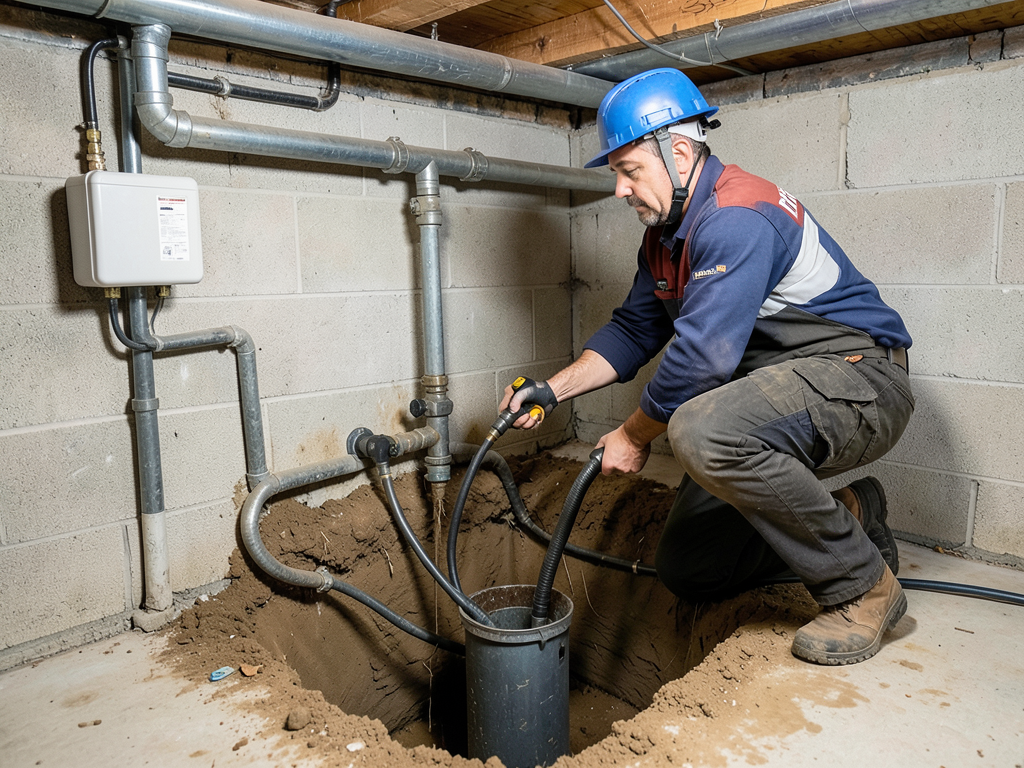
A sump pump sits in a pit at the lowest point of your crawl space. When water enters, it flows into this pit. Once the water reaches a certain level, the pump activates automatically. It pushes water through a discharge pipe that carries it away from your foundation—usually to a storm drain or dry well at least 10 feet from your home.
Modern sump pumps use either submersible or pedestal designs. Submersible pumps sit entirely underwater in the pit, making them quieter and less prone to overheating. Pedestal pumps have the motor above the water level, which makes them easier to service but louder. Both types need a check valve to prevent water from flowing back into the pit after the pump shuts off.
Battery backup systems are essential in San Marco. Summer thunderstorms often knock out power when you need the pump most. A backup battery keeps your pump running for hours during outages, protecting your home from flooding when you can’t be there.
Choosing the Right Sump Pump for Your San Marco Home
Size matters when selecting a sump pump. A 1/3 horsepower pump handles most residential crawl spaces, moving about 2,400 gallons per hour. But San Marco’s high water table might require a 1/2 horsepower unit that moves 3,600 gallons per hour. The right size depends on your crawl space square footage and the severity of your water problem.
Cast iron pumps last longer than plastic ones. They handle continuous operation better and resist corrosion from the damp environment. Look for models with a solid float switch rather than a tethered one, which can get stuck on debris. The discharge pipe should be at least 1.25 inches in diameter to prevent clogs.
Consider a pump with an alarm system. It alerts you when water levels get too high or when the pump fails. Some smart systems send notifications to your phone, letting you monitor your crawl space from anywhere. This feature is especially valuable if you travel frequently or own rental properties in San Marco.
Installation Process and What to Expect
Professional installation starts with a site assessment. The technician measures your crawl space, identifies the lowest point, and checks for existing drainage issues. They’ll locate the best discharge point that keeps water away from your foundation and complies with Jacksonville’s drainage codes.
The installation typically takes 4-6 hours. First, the crew digs a sump pit, usually 18-24 inches deep and wide. They line it with gravel for drainage and place the pump inside. Next, they install the discharge pipe through an exterior wall, ensuring it slopes away from your home. Finally, they test the system and seal any penetrations to prevent radon or moisture from entering your living space.
After installation, you’ll notice immediate improvements. The musty smell often disappears within days as humidity drops. Your HVAC system won’t work as hard to remove moisture from the air. Most importantly, you’ll have peace of mind knowing your home is protected from the next big storm.
Maintenance to Keep Your Sump Pump Working
A sump pump needs regular maintenance to work when you need it most. Test it every three months by pouring water into the pit until the pump activates. Listen for unusual noises that might indicate bearing wear. Clean the inlet screen annually to prevent clogs that could cause overheating.
Check the discharge pipe for blockages, especially after storms. Debris can accumulate and cause backups. Replace the backup battery every 2-3 years, even if it seems to hold a charge. Most failures occur because people forget about the backup until it’s too late.
Schedule professional maintenance annually. A technician can test the check valve, inspect electrical connections, and ensure the alarm system works. They’ll also check that the discharge location still complies with current Jacksonville codes, which sometimes change based on flood maps and environmental regulations.
Cost Factors for San Marco Crawl Space Sump Pumps
Installation costs vary based on crawl space accessibility and pump quality. A basic system with a standard pump and no backup starts around $1,200. Adding a battery backup increases the cost to $1,800-2,500. Premium systems with smart monitoring and high-capacity pumps can reach $3,000-4,000.
Factors that increase costs include limited crawl space access, which requires special equipment to reach the work area. Homes with existing water damage might need additional repairs before installation. Complex discharge routing around landscaping or hardscaping adds labor time and materials. EPA water management guidelines.
Consider the long-term savings. Preventing one major flood can save you $5,000-15,000 in repairs. The improved air quality and energy efficiency provide ongoing benefits. Many San Marco homeowners find that a sump pump pays for itself within 3-5 years through avoided damage and reduced utility bills.
Building Code Requirements in Jacksonville
Jacksonville’s plumbing code follows the Florida Building Code, which requires proper drainage for all habitable structures. While crawl space sump pumps aren’t always mandatory, they become necessary when water intrusion creates safety hazards or structural risks. The code specifies that discharge water must not create nuisances on neighboring properties. Florida Building Code.
The International Residential Code (IRC) Section R408.3 requires that below-grade spaces have means to drain water that enters or accumulates. This typically means a sump pit and pump for crawl spaces in flood-prone areas. The discharge pipe must have a check valve and terminate at least 5 feet from the foundation, though 10 feet is recommended for San Marco’s high water table.
Local permits are required for sump pump installation. The Jacksonville Building Inspection Division reviews plans to ensure compliance with drainage and electrical codes. They also verify that the discharge location won’t violate Jacksonville’s stormwater management regulations, which aim to prevent flooding in adjacent properties.
Comparing Sump Pump Types and Features
| Pump Type | Best For | Average Lifespan | Noise Level |
|---|---|---|---|
| Submersible Cast Iron | Continuous use, quiet operation | 7-10 years | Low |
| Pedestal Plastic | Occasional use, easy access | 5-7 years | High |
| Combination with Backup | High-risk areas, power outages | 5-8 years | Medium |
Smart sump pumps represent the latest technology. They connect to Wi-Fi and send alerts when they detect problems. Some models track pump cycles and predict when maintenance is needed. While more expensive upfront, they can prevent costly failures by catching issues early.
Water-powered backup pumps offer an alternative to battery systems. They use municipal water pressure to operate during power outages. However, they require good water pressure and increase your water bill slightly during use. They work best in areas with reliable city water service. Finding a Reliable Water Heater Repair Service in Mandarin Without the Wait.
Environmental Impact and Water Management
Proper sump pump discharge protects both your home and the environment. Water should never be directed onto sidewalks, streets, or neighboring properties where it could create hazards. Many San Marco homes drain to swales or dry wells that allow water to percolate naturally into the soil.
Consider a French drain system if your property has extensive drainage issues. This involves perforated pipes buried in gravel that collect and redirect water away from your foundation. When combined with a sump pump, it provides comprehensive protection against groundwater intrusion.
Rain gardens offer an eco-friendly discharge option. These shallow depressions planted with water-tolerant vegetation absorb and filter sump pump discharge. They reduce runoff, improve water quality, and create attractive landscaping features. Jacksonville’s extension service provides guidelines for designing rain gardens that comply with local regulations.
Frequently Asked Questions
How long does a sump pump last in San Marco’s climate?
Most sump pumps last 5-7 years in Jacksonville’s humid environment. The constant moisture and occasional power surges from storms can shorten lifespan. Regular maintenance and quality components can extend life to 10 years or more.
Can I install a sump pump myself?
While DIY installation is possible, it’s not recommended for San Marco homes. Professional installation ensures proper sizing, code compliance, and optimal discharge routing. Mistakes can lead to pump failure during critical moments or code violations that complicate future home sales.
Will a sump pump increase my home’s value?
Yes, a properly installed sump pump can increase your home’s value by $2,000-4,000. It provides buyers with confidence that the property is protected from water damage. In San Marco’s flood-prone areas, this protection is often a selling point rather than an afterthought.
What happens if my sump pump fails during a storm?
Without a working pump, water accumulates in your crawl space. Within hours, it can reach floor joists and insulation. Mold begins growing within 24-48 hours. Electronics and stored items get damaged. The longer water sits, the more expensive the repairs become. This is why backup systems are crucial.
How much noise does a sump pump make?
Modern submersible pumps operate at about 40-50 decibels, similar to a refrigerator. You’ll hear them kick on occasionally, but the noise isn’t disruptive. Pedestal pumps are louder, around 60-70 decibels, because the motor sits above the water. If noise is a concern, choose a submersible model with sound-dampening features.
Protecting Your San Marco Home Starts Below Ground
Your crawl space might be out of sight, but it shouldn’t be out of mind. San Marco’s unique geography makes water intrusion a real threat to your home’s structural integrity and your family’s health. A properly sized and installed sump pump system provides reliable protection against the flooding that has damaged countless homes in this historic neighborhood.
The investment in a quality sump pump system pays dividends through avoided repairs, improved air quality, and peace of mind. When the next tropical storm rolls up the St. Johns River, you’ll know your home is protected by equipment that’s ready to work 24/7 without fail.
Don’t wait for water to find its way into your crawl space. Call (904) 839-7199 today to schedule your inspection and get a quote for a sump pump system designed specifically for your San Marco home’s needs. Our local experts understand the unique challenges of this neighborhood and can recommend the right solution to keep your home dry for years to come.
Pick up the phone and call (904) 839-7199 before the next storm hits. Your home’s foundation, your family’s health, and your peace of mind are worth protecting.
{
“@context”: “https://schema.org”,
“@type”: “BlogPosting”,
“headline”: “Why a Crawl Space Sump Pump is Necessary for Older Homes in San Marco”,
“description”: “Older San Marco homes with crawl spaces face flooding risks. Learn why sump pumps are critical, how they work, and when to install one. Call (904) 839-7199.”,
“wordCount”: 2112,
“datePublished”: “2026-06-07T10:52:00.000Z”,
“dateModified”: “2026-06-07T10:52:00.000Z”,
“inLanguage”: “en-US”,
“mainEntityOfPage”: {
“@type”: “WebPage”,
“@id”: “https://titanplumbingjacksonville.com”
},
“publisher”: {
“@type”: “LocalBusiness”,
“name”: “Titan Plumbing Jacksonville”,
“url”: “https://titanplumbingjacksonville.com”
},
“author”: {
“@type”: “Organization”,
“name”: “Titan Plumbing Jacksonville”,
“url”: “https://titanplumbingjacksonville.com”
},
“image”: {
“@type”: “ImageObject”,
“url”: “https://titanplumbingjacksonville.com/wp-content/uploads/2026/03/why-a-crawl-space-sump-pump-is-necessary-for-older-1.png”
}
}
{
“@context”: “https://schema.org”,
“@type”: “Plumber”,
“name”: “Titan Plumbing Jacksonville”,
“url”: “https://titanplumbingjacksonville.com”,
“address”: {
“@type”: “PostalAddress”,
“addressLocality”: “Jacksonville”
},
“areaServed”: {
“@type”: “City”,
“name”: “Jacksonville”
}
}
{
“@context”: “https://schema.org”,
“@type”: “FAQPage”,
“mainEntity”: [
{
“@type”: “Question”,
“name”: “How long does a sump pump last in San Marco’s climate?”,
“acceptedAnswer”: {
“@type”: “Answer”,
“text”: “Most sump pumps last 5-7 years in Jacksonville’s humid environment. The constant moisture and occasional power surges from storms can shorten lifespan. Regular maintenance and quality components can extend life to 10 years or more.”
}
},
{
“@type”: “Question”,
“name”: “Can I install a sump pump myself?”,
“acceptedAnswer”: {
“@type”: “Answer”,
“text”: “While DIY installation is possible, it’s not recommended for San Marco homes. Professional installation ensures proper sizing, code compliance, and optimal discharge routing. Mistakes can lead to pump failure during critical moments or code violations that complicate future home sales.”
}
},
{
“@type”: “Question”,
“name”: “Will a sump pump increase my home’s value?”,
“acceptedAnswer”: {
“@type”: “Answer”,
“text”: “Yes, a properly installed sump pump can increase your home’s value by $2,000-4,000. It provides buyers with confidence that the property is protected from water damage. In San Marco’s flood-prone areas, this protection is often a selling point rather than an afterthought.”
}
},
{
“@type”: “Question”,
“name”: “What happens if my sump pump fails during a storm?”,
“acceptedAnswer”: {
“@type”: “Answer”,
“text”: “Without a working pump, water accumulates in your crawl space. Within hours, it can reach floor joists and insulation. Mold begins growing within 24-48 hours. Electronics and stored items get damaged. The longer water sits, the more expensive the repairs become. This is why backup systems are crucial.”
}
},
{
“@type”: “Question”,
“name”: “How much noise does a sump pump make?”,
“acceptedAnswer”: {
“@type”: “Answer”,
“text”: “Modern submersible pumps operate at about 40-50 decibels, similar to a refrigerator. You’ll hear them kick on occasionally, but the noise isn’t disruptive. Pedestal pumps are louder, around 60-70 decibels, because the motor sits above the water. If noise is a concern, choose a submersible model with sound-dampening features.”
}
}
]
}
{
“@context”: “https://schema.org”,
“@type”: “BreadcrumbList”,
“itemListElement”: [
{
“@type”: “ListItem”,
“position”: 1,
“name”: “Home”,
“item”: “https://titanplumbingjacksonville.com”
},
{
“@type”: “ListItem”,
“position”: 2,
“name”: “Blog”,
“item”: “https://titanplumbingjacksonville.com/blog”
},
{
“@type”: “ListItem”,
“position”: 3,
“name”: “Why a Crawl Space Sump Pump is Necessary for Older Homes in San Marco”
}
]
}
{
“@context”: “https://schema.org”,
“@type”: “Service”,
“serviceType”: “Plumbing”,
“provider”: {
“@type”: “LocalBusiness”,
“name”: “Titan Plumbing Jacksonville”,
“url”: “https://titanplumbingjacksonville.com”
},
“areaServed”: {
“@type”: “City”,
“name”: “Jacksonville”
},
“description”: “Older San Marco homes with crawl spaces face flooding risks. Learn why sump pumps are critical, how they work, and when to install one. Call (904) 839-7199.”
}