
What to Look for During a Professional Sewer Camera Inspection Before You Buy a House in Jacksonville
Buying a home in Jacksonville comes with unique challenges that a standard home inspection often misses. While most inspectors check visible plumbing fixtures, they rarely examine the main sewer line running from your home to the street. A professional sewer camera inspection reveals hidden problems like tree root intrusion, pipe corrosion, and blockages that could cost thousands to repair after closing. This inspection gives you negotiating power and protects your investment in Jacksonville’s diverse housing market.. Read more about The Difference Between a Sewer Cleanout and a Floor Drain (And Why Your House Needs Both).
Why Jacksonville Homes Need Specialized Sewer Inspections
Jacksonville’s soil composition and climate create specific risks for sewer lines. The sandy soil common throughout Duval County shifts more than clay-based soils, causing pipes to settle unevenly and develop low spots called “bellies.” These bellies trap waste and create chronic clogs. Additionally, Jacksonville’s high water table in coastal areas puts extra pressure on underground pipes, accelerating deterioration in older systems. How to Get Your Tankless Water Heater Installed at Jacksonville Beach.
The city’s lush tree canopy, while beautiful, poses another threat. Live oak and pine tree roots aggressively seek moisture and can penetrate sewer lines through tiny cracks. Once inside, roots grow rapidly in the nutrient-rich environment, eventually blocking flow completely. Homes in established neighborhoods like Riverside, Avondale, and San Marco often have mature trees whose roots have been working on sewer lines for decades.
Florida’s building codes require specific materials and installation methods for sewer lines, but many Jacksonville homes were built before these standards existed. Properties constructed before the 1980s may have Orangeburg pipes – a tar-paper composite that deteriorates rapidly – or galvanized cast iron that corrodes from the inside out. A camera inspection identifies these problematic materials before you inherit someone else’s plumbing nightmare. Florida Building Code requirements.
The Professional Sewer Camera Inspection Process
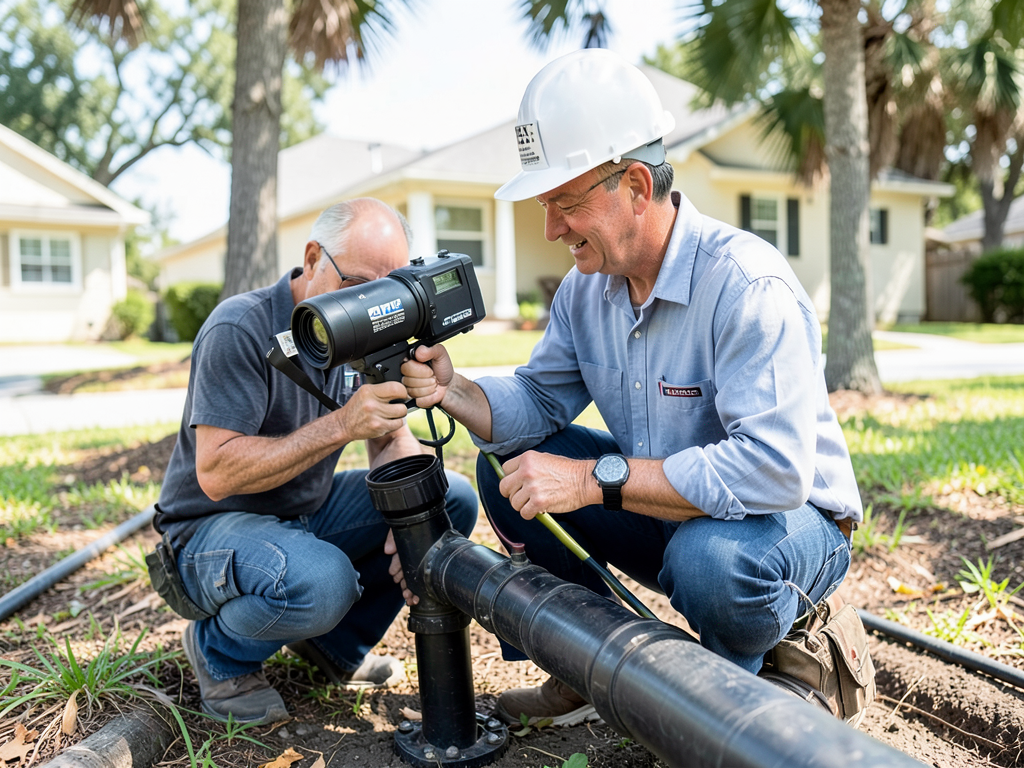
A thorough sewer camera inspection follows a systematic approach that reveals the true condition of your potential home’s main sewer line. The process starts with locating the main sewer cleanout, typically a 4-inch pipe with a threaded cap found in the yard, basement, or near the home’s foundation. If no cleanout exists, the plumber may need to remove a toilet to access the line.
Once access is established, a high-definition camera attached to a flexible cable is fed into the pipe. The camera transmits real-time video to a monitor, allowing the technician to assess pipe condition, locate blockages, and identify material types. Modern cameras include location sensors that map the pipe’s path and depth, creating a comprehensive report of the entire sewer lateral.
The inspection typically examines pipes from the home to the property line where the city’s responsibility begins. This distance varies but often spans 50 to 100 feet. The camera reveals cracks, breaks, root intrusions, grease buildup, and collapsed sections that would otherwise remain hidden until a major backup occurs.
Professional inspectors document findings with video footage and detailed reports. These reports include the pipe’s material, diameter, length, and any defects found. The documentation becomes valuable evidence if you need to negotiate repairs with the seller or file insurance claims for pre-existing conditions. Finding a Reliable Water Heater Repair Service in Mandarin Without the Wait.
Common Jacksonville Sewer Problems Found During Inspections
Tree root intrusion ranks as the most frequent issue in Jacksonville inspections. The warm, humid climate accelerates root growth, and the city’s abundant vegetation means roots are constantly seeking water sources. During camera inspections, roots appear as fuzzy masses blocking pipe flow or as individual tendrils penetrating pipe walls. Get Rid of Hard Water for Good with a Water Softener Installation in Ponte Vedra.
Cast iron pipe corrosion affects many homes built between the 1950s and 1980s. Florida’s acidic soil and high humidity accelerate the corrosion process. The camera reveals corrosion as rough, uneven pipe interiors with rust-colored deposits. In advanced stages, corrosion creates holes that allow soil infiltration and complete pipe failure.
“Bellies” or low spots form when soil settles beneath pipes, creating dips where waste accumulates. These appear on camera as U-shaped sections where water pools. Bellies cause recurring clogs and require either pipe replacement or specialized cleaning equipment to maintain flow. The Best Drain Cleaning Companies for Clogged Pipes in San Marco.
Joint separation occurs when pipes pull apart at connection points due to soil movement or improper installation. The camera shows gaps between pipe sections where wastewater leaks into surrounding soil. This not only reduces system efficiency but can lead to sinkholes as soil erodes into the leaking pipe.
Foreign objects sometimes block sewer lines. The camera may reveal children’s toys, feminine hygiene products, or excessive grease buildup. These blockages often result from years of improper use and indicate potential issues with household plumbing habits.. Read more about Common Plumbing Quirks Found in Historic Avondale and Riverside Homes.
Understanding Your Inspection Report
A professional sewer camera inspection report includes several key components that help you understand the pipe’s condition. The video footage provides visual evidence of all defects, allowing you to see exactly what the technician observed. Most inspectors provide a digital copy of this footage for your records.
The written report details pipe material, diameter, length, and location. It identifies each defect found, including its position along the pipe and severity level. The report may categorize issues as minor, moderate, or severe based on their impact on system function.
Many reports include a pipe schematic showing the layout and marking defect locations. This diagram helps you understand the system’s configuration and plan potential repairs. Some inspectors provide cost estimates for recommended repairs directly in the report.
The report also documents the pipe’s material composition. Common materials in Jacksonville include PVC (white plastic), cast iron (dark metal), Orangeburg (black fiber), and clay (orange/brown ceramic). Each material has different expected lifespans and failure modes that affect repair decisions.
Professional reports often include recommendations for addressing identified issues. These may range from simple cleaning to complete pipe replacement, depending on the severity and extent of problems found. The recommendations help you understand your options and potential costs.. Read more about Is It Finally Time to Replace Those Old Polybutylene Pipes in Your Julington Creek Home?.
Cost Factors for Sewer Camera Inspections in Jacksonville
Sewer camera inspection costs in Jacksonville typically range from $250 to $500, depending on several factors. The inspection distance affects pricing, with longer sewer laterals requiring more time and equipment operation. Homes with difficult access points or multiple cleanouts may incur additional charges.
The property’s age and location influence inspection complexity. Older homes in historic districts like Riverside or Springfield may have unconventional plumbing layouts that require extra investigation time. Properties near water bodies like the St. Johns River may need specialized equipment due to high water table conditions.
Emergency or expedited inspections cost more than standard scheduling. If you need results before a pending home inspection deadline, expect to pay a premium for same-day or next-day service. Many inspectors offer real estate priority scheduling during peak buying seasons.
Some companies bundle camera inspections with other services like drain cleaning or leak detection. These packages can provide better value than standalone inspections, especially if the initial inspection reveals issues requiring immediate attention. Quick Slab Leak Detection and Repair for Homeowners in Southside.
Commercial properties or multi-unit buildings typically pay more for inspections due to system complexity. These properties often have multiple sewer lines and larger main pipes that require specialized equipment and longer inspection times.
Negotiating Repairs During the Home Buying Process
A positive sewer camera inspection report can strengthen your negotiating position when purchasing a Jacksonville home. If the inspection reveals significant issues, you can request repairs before closing or negotiate a price reduction to cover future repair costs. The average sewer line replacement in Jacksonville costs $3,000 to $7,000, making this a substantial negotiation point.
Florida’s real estate contracts include inspection periods during which buyers can request repairs or withdraw offers without penalty. A detailed sewer camera report provides concrete evidence for these negotiations. Sellers are more likely to address documented problems than vague concerns about potential issues.
Consider requesting seller concessions instead of specific repairs. This approach gives you control over the repair process and allows you to choose your preferred contractor. Concessions can also cover inspection costs if you decide to walk away from the deal due to severe problems.
Ask your real estate agent about local market conditions. In seller’s markets, you may have less leverage to request repairs. However, major sewer issues often justify price reductions regardless of market conditions, as they represent significant future expenses for buyers.
Document all communication about sewer issues in writing. Keep copies of inspection reports, repair estimates, and negotiation emails. This documentation protects you if disputes arise after closing and provides evidence for potential insurance claims.
Jacksonville Building Codes and Sewer Line Requirements
Jacksonville follows the Florida Building Code, which sets specific requirements for sewer line installation and repair. The code mandates minimum pipe slopes of 1/4 inch per foot for pipes 4 inches and smaller, ensuring proper waste flow. Pipes must be bedded in sand or gravel rather than soil directly to prevent settling.
The city requires permits for most sewer line work, including camera inspections that lead to repairs. Licensed plumbers must pull these permits and ensure work complies with current codes. This protects homeowners from substandard repairs that could cause future problems.
Jacksonville’s JEA (Jacksonville Electric Authority) maintains sewer lines from the property line to the street, while homeowners are responsible for lines from the house to the property line. Understanding this division helps you determine who pays for repairs when problems occur near property boundaries. JEA sewer line responsibilities.
The Florida Department of Environmental Protection regulates sewer systems to prevent groundwater contamination. Repairs must use approved materials and methods that prevent sewage leaks. This is particularly important in Jacksonville’s coastal areas where high water tables increase contamination risks.
Recent code changes require cleanouts at specific intervals along sewer lines, typically every 100 feet or at direction changes. Older homes may lack these required cleanouts, making inspections and future maintenance more difficult. Adding cleanouts during repairs improves system accessibility.
Preventive Measures After Your Inspection
Even if your sewer camera inspection shows no immediate problems, preventive maintenance helps avoid future issues. Schedule regular drain cleaning every 18 to 24 months, especially if your home has mature trees nearby. Professional cleaning removes buildup before it causes blockages.
Install root barriers if trees are close to sewer lines. These physical barriers direct roots downward rather than toward pipes. While expensive initially, they prevent costly root damage that could require complete line replacement.
Monitor for warning signs of developing problems. Slow drains, gurgling toilets, or sewage odors indicate potential issues. Address these symptoms early rather than waiting for complete system failure, which often occurs at the worst possible time.
Consider upgrading old pipes during other home renovations. If you’re already doing foundation work or landscaping, replacing old sewer lines prevents future emergencies. Modern PVC pipes last 50+ years compared to 20-30 years for older materials.
Keep records of all plumbing work and inspections. This documentation helps future buyers understand your system’s history and can justify higher asking prices when you sell. It also helps plumbers diagnose problems more quickly if issues arise.
Choosing the Right Inspection Professional
Not all sewer camera inspections provide equal value. Choose a licensed plumber with specific experience in sewer line diagnostics rather than a general home inspector. Look for technicians certified by organizations like NASSCO (National Association of Sewer Service Companies) who follow industry best practices.
Ask about the camera equipment used. High-quality inspections require color cameras with LED lighting, location sensors, and recording capabilities. Basic cameras may miss small cracks or root intrusions that higher-end equipment would detect.
Request sample reports before hiring an inspector. Quality reports include detailed findings, clear video documentation, and practical recommendations. Avoid inspectors who provide only verbal summaries or refuse to share footage with you.
Check online reviews specifically mentioning sewer inspections. Look for comments about thoroughness, professionalism, and report quality. Be wary of companies with only positive reviews, as this may indicate fake feedback.
Verify licensing and insurance. Florida requires plumbers to hold valid licenses, and reputable companies carry liability insurance. Ask for proof of both before scheduling inspections, especially if you’re working with out-of-area contractors.
Frequently Asked Questions
How long does a sewer camera inspection take?
A typical inspection takes 1 to 2 hours, depending on access difficulty and pipe length. Complex systems or those requiring special equipment may take longer. The inspection time includes setup, camera operation, and report generation.
Do I need to be present during the inspection?
While not required, your presence allows you to ask questions and understand findings immediately. Many buyers attend inspections to learn about their potential home’s systems. If you cannot attend, ensure the inspector can access all necessary areas.
Can a camera inspection detect all sewer problems?
Cameras detect most common issues but cannot see through solid blockages or identify problems in pipes filled with water. Some defects like minor cracks may be difficult to spot. Professional inspectors use multiple diagnostic methods for comprehensive assessment.
What if the inspection reveals major problems?
You can request seller repairs, negotiate price reductions, or walk away from the deal if your contract includes inspection contingencies. The inspection report provides evidence for these negotiations. Consider repair costs when deciding whether to proceed with the purchase.
How often should I inspect my sewer line?
Inspect every 5 to 10 years for preventive maintenance, or immediately if you notice warning signs like slow drains or sewage odors. New homeowners should inspect regardless of visible symptoms to establish a baseline for their system’s condition.
Call (904) 839-7199 Today to Schedule Your Inspection
Don’t let hidden sewer problems derail your home purchase in Jacksonville. A professional sewer camera inspection provides the information you need to make informed decisions and protect your investment. Our licensed technicians use state-of-the-art equipment to examine your potential home’s entire sewer system, from the house to the property line.
We serve all Jacksonville neighborhoods including Riverside, San Marco, Avondale, and surrounding areas. Our detailed reports include video footage, defect documentation, and practical recommendations for addressing any issues found. We understand Jacksonville’s unique plumbing challenges and provide solutions specific to our local conditions.
Call (904) 839-7199 today to schedule your sewer camera inspection. We offer flexible scheduling to accommodate your home buying timeline and provide same-day service when available. Protect yourself from unexpected repair costs and negotiate with confidence using our professional inspection reports.
Pick up the phone and call (904) 839-7199 before the next storm hits. Jacksonville’s heavy rains can overwhelm compromised sewer systems, leading to backups and property damage. A quick inspection now prevents emergency repairs later and gives you peace of mind about your home purchase decision.
{
“@context”: “https://schema.org”,
“@type”: “BlogPosting”,
“headline”: “What to Look for During a Professional Sewer Camera Inspection Before You Buy a House in Jacksonville”,
“description”: “Learn what a professional sewer camera inspection reveals about Jacksonville homes. Discover common pipe issues, cost factors, and how to protect your home purchase investment.”,
“wordCount”: 2451,
“datePublished”: “2026-03-23T14:34:00.000Z”,
“dateModified”: “2026-03-23T14:34:00.000Z”,
“inLanguage”: “en-US”,
“mainEntityOfPage”: {
“@type”: “WebPage”,
“@id”: “https://titanplumbingjacksonville.com”
},
“publisher”: {
“@type”: “LocalBusiness”,
“name”: “Titan Plumbing Jacksonville”,
“url”: “https://titanplumbingjacksonville.com”
},
“author”: {
“@type”: “Organization”,
“name”: “Titan Plumbing Jacksonville”,
“url”: “https://titanplumbingjacksonville.com”
},
“image”: {
“@type”: “ImageObject”,
“url”: “https://titanplumbingjacksonville.com/wp-content/uploads/2026/03/what-to-look-for-during-a-professional-sewer-camer-1.png”
}
}
{
“@context”: “https://schema.org”,
“@type”: “Plumber”,
“name”: “Titan Plumbing Jacksonville”,
“url”: “https://titanplumbingjacksonville.com”,
“address”: {
“@type”: “PostalAddress”,
“addressLocality”: “Jacksonville”
},
“areaServed”: {
“@type”: “City”,
“name”: “Jacksonville”
}
}
{
“@context”: “https://schema.org”,
“@type”: “FAQPage”,
“mainEntity”: [
{
“@type”: “Question”,
“name”: “How long does a sewer camera inspection take?”,
“acceptedAnswer”: {
“@type”: “Answer”,
“text”: “A typical inspection takes 1 to 2 hours, depending on access difficulty and pipe length. Complex systems or those requiring special equipment may take longer. The inspection time includes setup, camera operation, and report generation.”
}
},
{
“@type”: “Question”,
“name”: “Do I need to be present during the inspection?”,
“acceptedAnswer”: {
“@type”: “Answer”,
“text”: “While not required, your presence allows you to ask questions and understand findings immediately. Many buyers attend inspections to learn about their potential home’s systems. If you cannot attend, ensure the inspector can access all necessary areas.”
}
},
{
“@type”: “Question”,
“name”: “Can a camera inspection detect all sewer problems?”,
“acceptedAnswer”: {
“@type”: “Answer”,
“text”: “Cameras detect most common issues but cannot see through solid blockages or identify problems in pipes filled with water. Some defects like minor cracks may be difficult to spot. Professional inspectors use multiple diagnostic methods for comprehensive assessment.”
}
},
{
“@type”: “Question”,
“name”: “What if the inspection reveals major problems?”,
“acceptedAnswer”: {
“@type”: “Answer”,
“text”: “You can request seller repairs, negotiate price reductions, or walk away from the deal if your contract includes inspection contingencies. The inspection report provides evidence for these negotiations. Consider repair costs when deciding whether to proceed with the purchase.”
}
},
{
“@type”: “Question”,
“name”: “How often should I inspect my sewer line?”,
“acceptedAnswer”: {
“@type”: “Answer”,
“text”: “Inspect every 5 to 10 years for preventive maintenance, or immediately if you notice warning signs like slow drains or sewage odors. New homeowners should inspect regardless of visible symptoms to establish a baseline for their system’s condition.”
}
}
]
}
{
“@context”: “https://schema.org”,
“@type”: “BreadcrumbList”,
“itemListElement”: [
{
“@type”: “ListItem”,
“position”: 1,
“name”: “Home”,
“item”: “https://titanplumbingjacksonville.com”
},
{
“@type”: “ListItem”,
“position”: 2,
“name”: “Blog”,
“item”: “https://titanplumbingjacksonville.com/blog”
},
{
“@type”: “ListItem”,
“position”: 3,
“name”: “What to Look for During a Professional Sewer Camera Inspection Before You Buy a House in Jacksonville”
}
]
}
{
“@context”: “https://schema.org”,
“@type”: “Service”,
“serviceType”: “Plumbing”,
“provider”: {
“@type”: “LocalBusiness”,
“name”: “Titan Plumbing Jacksonville”,
“url”: “https://titanplumbingjacksonville.com”
},
“areaServed”: {
“@type”: “City”,
“name”: “Jacksonville”
},
“description”: “Learn what a professional sewer camera inspection reveals about Jacksonville homes. Discover common pipe issues, cost factors, and how to protect your home purchase investment.”
}