
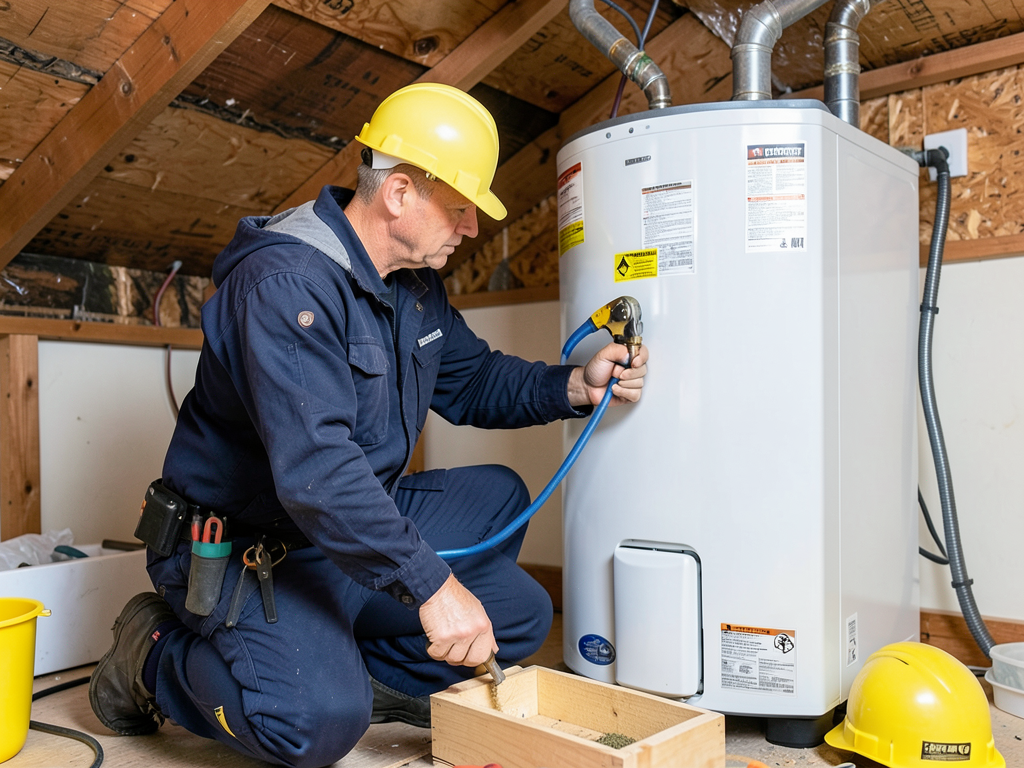
The Hidden Dangers of Attic Water Heaters for Homeowners in Nocatee
Attic water heaters are common in Florida homes especially in newer developments like Nocatee where slab-on-grade construction eliminates basement space. While this placement saves floor space it creates serious risks that many homeowners only discover after catastrophic failure. A leaking water heater in your attic can dump 40-50 gallons of water through your ceiling in minutes destroying drywall insulation and personal belongings below. In Nocatee’s humid climate that water damage quickly leads to mold growth structural rot and expensive repairs that insurance may not fully cover. Florida Building Code Plumbing Section 1003.3.
The combination of Florida’s extreme attic temperatures hard water mineral buildup and the physics of gravity makes attic installations particularly vulnerable. When a tank fails the consequences are immediate and severe. Understanding these risks and taking preventive measures can save you thousands in potential damage and protect your home’s structural integrity. How to Get Your Tankless Water Heater Installed at Jacksonville Beach.
The Five Most Dangerous Problems with Attic Water Heaters
Attic water heaters create unique failure points that basement or garage installations simply don’t face. The confined space extreme temperatures and gravity-driven water flow create a perfect storm for disaster. Get Rid of Hard Water for Good with a Water Softener Installation in Ponte Vedra.
1. Gravity-Driven Water Damage
When a water heater leaks in your attic gravity immediately sends water straight through your ceiling. Unlike a basement leak that pools locally attic failures create ceiling collapses and widespread damage. A single 50-gallon tank can release enough water to destroy multiple rooms below soaking drywall ruining hardwood floors and destroying furniture and electronics.
The damage compounds quickly because attic leaks often go unnoticed until water spots appear on ceilings or the ceiling actually collapses. By then thousands in damage has already occurred. Nocatee homes with open floor plans are particularly vulnerable because water can spread across large areas before detection. Quick Slab Leak Detection and Repair for Homeowners in Southside.
2. Accelerated Corrosion from Attic Heat
Florida attics routinely reach temperatures above 130°F during summer months creating an oven-like environment that accelerates tank corrosion. The constant heat cycling causes metal fatigue weakens tank seams and speeds up the breakdown of internal components. This extreme temperature stress can reduce a water heater’s lifespan by 30-40% compared to installations in cooler locations.
The combination of heat and Florida’s naturally humid air creates condensation on the tank exterior promoting rust formation even on the outside of the unit. This corrosion often goes unnoticed because attic inspections are rare allowing small problems to become major failures.
3. Maintenance Challenges in Confined Spaces
Attic water heaters are difficult to access for routine maintenance like flushing sediment checking the anode rod or testing the temperature-pressure relief valve. The confined space makes it dangerous to work around the unit and many homeowners simply skip these critical maintenance tasks. Without annual flushing sediment builds up and insulates the burner causing overheating and tank failure.
The lack of proper maintenance means small issues like a failing pressure relief valve or corroded connections go unnoticed until they cause major leaks. In Nocatee’s hard water conditions sediment accumulates even faster making regular maintenance essential but difficult.
4. Inadequate Drainage Systems
Many attic installations have insufficient or improperly installed drain pans and discharge lines. A proper drain pan should be at least 2 inches wider than the tank on all sides and connected to a dedicated drain line that exits the home. Without this even a small leak can cause major damage before anyone notices. The Best Drain Cleaning Companies for Clogged Pipes in San Marco.
Florida Building Code requires secondary drain pans for attic installations but many older homes or DIY installations lack this critical safety feature. Even when present drain pans can fail if not properly sloped or if the discharge line becomes clogged with debris or sediment.
5. Thermal Expansion and Pressure Issues
Water expands when heated creating pressure spikes that can rupture tanks blow out connections or damage plumbing lines. In attic installations these pressure events are more dangerous because they’re harder to detect and the confined space amplifies the damage when failures occur. Plumbing Macclenny.
Without a properly sized thermal expansion tank repeated pressure cycling weakens tank seams and connection points. The extreme attic temperatures make these pressure swings even more severe as the water heats faster and to higher temperatures than in cooler installations.
Florida Building Codes for Attic Water Heater Safety
Florida Building Code and Duval County plumbing regulations specifically address the unique risks of attic water heater installations. These codes exist because of the documented failure patterns in Florida’s climate and construction methods.
According to Florida Building Code Plumbing Section 1003.3 water heaters installed in attics must have secondary drain pans with a minimum depth of 1.5 inches and must be constructed of corrosion-resistant materials. The pan must have a separate drain line that terminates at an indirect waste receptor or outside the building at least 6 inches above grade.
Additionally Section 1003.4 requires a water level detection device in the secondary drain pan that will shut off the water heater if the primary drain becomes blocked. This automatic shutoff prevents continuous water flow during a failure limiting damage to what’s already in the tank.
The code also mandates that temperature-pressure relief valves (T&P valves) have dedicated discharge lines that terminate at least 6 inches above a drain or outside the building. These discharge lines cannot be directly connected to the drain system to prevent backflow contamination.
Many Nocatee homes built after 2010 comply with these requirements but older installations or DIY modifications may lack these critical safety features. A professional inspection can verify code compliance and identify missing safety components.
Signs Your Attic Water Heater Is Failing
Early detection of water heater problems can prevent catastrophic failures and minimize damage. Here are the warning signs that indicate your attic unit needs immediate attention.
Visual Warning Signs
- Water spots or discoloration on ceilings below the attic
- Moisture or rust in the drain pan
- Corrosion or rust on the tank exterior
- Water stains on attic joists or insulation
- Bulging or deformed tank sides
Auditory Warning Signs
- Popping or crackling sounds from sediment buildup
- Hissing sounds from pressure relief valve discharge
- Rumbling noises during heating cycles
- High-pitched whistling from failing valves
Performance Warning Signs
- Reduced hot water volume or temperature
- Longer recovery times after hot water use
- Discolored or rusty water from hot taps
- Increased energy bills without usage changes
If you notice any of these signs immediate professional inspection is critical. Small leaks can quickly become major failures especially in the confined attic environment where pressure and heat accelerate damage.
Prevention and Protection Strategies
Protecting your home from attic water heater failures requires a multi-layered approach. These strategies can prevent damage even if the tank itself fails.
Install Proper Safety Equipment
A comprehensive safety system includes a secondary drain pan with float switch automatic water shutoff valve and leak detection sensors. The float switch should trigger the shutoff valve when water accumulates in the drain pan stopping the flow before major damage occurs.
Modern leak detection systems can send smartphone alerts when moisture is detected allowing you to respond even when away from home. Some systems integrate with smart home platforms for automatic notifications and remote monitoring.
Regular Professional Maintenance
Annual professional maintenance is essential for attic water heaters. This service should include tank flushing to remove sediment anode rod inspection and replacement if needed T&P valve testing and inspection of all connections and safety components.
In Nocatee’s hard water conditions more frequent flushing may be necessary. A professional can test your water hardness and recommend an appropriate maintenance schedule based on your specific conditions.
Consider Tankless Conversion
Tankless water heaters eliminate the flood risk entirely since they don’t store large volumes of water. While the initial installation cost is higher the elimination of potential water damage and extended lifespan often make tankless systems more economical over time.
Tankless units also free up attic space and eliminate the need for large drain pans and discharge lines. In Nocatee’s new construction many homeowners are choosing tankless systems specifically to avoid attic water heater risks.
Install Water Alarm Systems
Water alarms placed in the attic near the water heater can provide early warning of leaks. These battery-powered devices sound an alarm when they detect moisture giving you time to respond before major damage occurs.
For added protection connect water alarms to smart home systems that can send notifications to your phone even when you’re away from home. Some advanced systems can automatically shut off the water supply when leaks are detected.
The Expert Fix: Professional Assessment and Solutions
DIY repairs on attic water heaters are dangerous and often code violations. The confined space electrical components and high-pressure systems require professional expertise to service safely. Professional plumbers have the tools training and insurance to handle these complex installations.
A professional assessment includes checking for code compliance testing all safety systems evaluating the condition of the tank and components and identifying potential failure points. This comprehensive inspection can reveal issues that homeowners miss preventing unexpected failures.
When replacement is necessary professionals can recommend the best solution for your specific situation. This might be a standard replacement with upgraded safety features a tankless conversion or relocation to a safer area of the home. The right solution depends on your home’s construction your budget and your risk tolerance.
Professional installation ensures all code requirements are met proper permits are obtained and the work is inspected for compliance. This protects you from liability and ensures your system meets current safety standards.
Cost Comparison: Prevention vs. Disaster Recovery
The financial impact of attic water heater failures extends far beyond the cost of replacing the unit. Here’s how prevention compares to disaster recovery:
| Service/Item | Prevention Cost | Disaster Recovery Cost |
|---|---|---|
| Annual Maintenance | $150-300 | N/A |
| Safety System Installation | $500-1,200 | N/A |
| Water Heater Replacement | $1,200-2,500 | $3,000-5,000 |
| Ceiling Repair | N/A | $2,000-8,000 |
| Water Damage Restoration | N/A | $3,000-15,000 |
| Mold Remediation | N/A | $2,000-10,000 |
| Content Replacement | N/A | $5,000-20,000 |
| Total Potential Savings | $15,000-50,000+ |
These figures illustrate why preventive maintenance and safety upgrades are wise investments. The cost of prevention is typically 5-10% of potential disaster recovery costs.
Emergency Action Plan: What to Do If Your Attic Water Heater Leaks
Knowing how to respond to a water heater leak can minimize damage and protect your safety. Here’s your emergency action plan:
- Shut Off Power
Immediately turn off electricity to the water heater at the circuit breaker. For gas units turn the gas valve to “pilot” position.
- Shut Off Water Supply
Locate the cold water shutoff valve above the water heater and turn it clockwise to stop water flow.
- Protect Belongings
Move furniture electronics and valuables away from the affected area. Use plastic sheeting to cover items that can’t be moved.
- Control Water Spread
Place buckets under active leaks and use towels to contain spreading water. Open windows to improve ventilation.
- Document Damage
Take photos and videos of all damage for insurance purposes before beginning cleanup.
- Call Professional Help
Contact a licensed plumber immediately. For extensive damage also call a water damage restoration company.
- Notify Insurance
Report the incident to your homeowner’s insurance company as soon as possible.
Time is critical in water damage situations. The faster you respond the less damage will occur. Keep emergency contact numbers readily available and ensure all household members know the location of water and power shutoffs.
Local Water Quality Impact on Attic Water Heaters
Nocatee’s water supply comes from the Floridan Aquifer and is treated by JEA but it still contains minerals that affect water heater performance and longevity. The area’s water hardness typically ranges from 8-12 grains per gallon which is considered moderately hard. JEA water quality information.
This mineral content causes sediment buildup inside the tank reducing efficiency and creating hot spots that can lead to premature failure. In attic installations this sediment problem is worse because the confined space makes flushing more difficult and the higher temperatures accelerate mineral precipitation.
Hard water also causes scale formation on heating elements and tank surfaces reducing heat transfer efficiency. This forces the unit to work harder consuming more energy and creating additional stress on components. The combination of heat pressure and mineral buildup creates a perfect environment for accelerated tank failure.
Professional water testing can determine your specific water chemistry and recommend appropriate treatment solutions. Water softeners can reduce mineral content while scale inhibitors can help prevent buildup without removing beneficial minerals.
Making the Right Choice for Your Home
Deciding whether to keep upgrade or replace your attic water heater depends on several factors. Consider the age of your current unit the condition of your attic space your budget and your risk tolerance.
If your water heater is over 10 years old located in a finished attic space or lacks modern safety features replacement with a safer option may be the best choice. The cost of prevention is minimal compared to the potential for catastrophic damage.
For new construction or major renovations consider alternatives to attic installation. Garage utility room or closet installations eliminate the gravity-driven damage risk while still providing convenient access for maintenance.
Whatever you choose ensure any installation meets current building codes and includes proper safety features. Your home and possessions are too valuable to risk on inadequate water heater installations.
Frequently Asked Questions
How long do attic water heaters typically last in Florida?
Attic water heaters in Florida typically last 8-12 years due to the extreme attic temperatures and hard water conditions. Units in cooler more accessible locations often last 12-15 years. Regular maintenance can extend lifespan while neglect can cause premature failure in as little as 5-7 years.
Does homeowners insurance cover water heater leaks in attics?
Most standard homeowners policies cover sudden and accidental water damage from plumbing failures including water heaters. However damage from lack of maintenance or wear and tear is typically not covered. Some policies also have specific exclusions for ceiling damage or may require additional riders for comprehensive coverage.
Can I install a water alarm system myself?
Basic battery-powered water alarms can be installed by homeowners but comprehensive systems with automatic shutoff valves should be installed by professionals. Improper installation can create code violations void warranties or create additional safety hazards. Professional installation ensures proper integration with your plumbing system.
What’s the best alternative to an attic water heater?
Tankless water heaters are the safest alternative since they eliminate stored water and flood risk. Other options include relocating to a garage or utility room or installing a hybrid system with a small buffer tank. The best choice depends on your home’s layout your hot water needs and your budget.
How often should attic water heaters be inspected?
Professional inspection should occur annually with additional homeowner checks every 3-4 months for signs of leaks or corrosion. In Florida’s climate more frequent inspections may be warranted due to the accelerated wear from heat and humidity. Never skip annual professional maintenance.
Does hard water affect water heater lifespan?
Yes hard water significantly reduces water heater lifespan by causing sediment buildup and scale formation. In Florida’s moderately hard water conditions sediment can reduce efficiency by 30% and create hot spots that lead to tank failure. Water softeners or regular flushing can mitigate these effects.
Don’t wait for a ceiling collapse or water damage disaster. The hidden dangers of attic water heaters are real and expensive. A simple inspection today can prevent thousands in damage tomorrow. Call (904) 839-7199 to schedule your professional water heater assessment and protect your Nocatee home from attic water heater risks. Our experienced technicians will evaluate your system recommend appropriate safety upgrades and ensure your installation meets all current building codes. The peace of mind is worth the call. For more information, visit ASHRAE attic temperature standards.
{
“@context”: “https://schema.org”,
“@type”: “BlogPosting”,
“headline”: “The Hidden Dangers of Attic Water Heaters for Homeowners in Nocatee”,
“description”: “Discover why attic water heaters in Nocatee FL pose serious risks. Learn about prevention, building codes, and emergency steps to protect your home from catastrophic water damage.”,
“wordCount”: 2651,
“datePublished”: “2026-05-26T15:16:00.000Z”,
“dateModified”: “2026-05-26T15:16:00.000Z”,
“inLanguage”: “en-US”,
“mainEntityOfPage”: {
“@type”: “WebPage”,
“@id”: “https://titanplumbingjacksonville.com”
},
“publisher”: {
“@type”: “LocalBusiness”,
“name”: “Titan Plumbing Jacksonville”,
“url”: “https://titanplumbingjacksonville.com”
},
“author”: {
“@type”: “Organization”,
“name”: “Titan Plumbing Jacksonville”,
“url”: “https://titanplumbingjacksonville.com”
},
“image”: {
“@type”: “ImageObject”,
“url”: “https://titanplumbingjacksonville.com/wp-content/uploads/2026/03/the-hidden-dangers-of-attic-water-heaters-for-home-1-1.png”
}
}
{
“@context”: “https://schema.org”,
“@type”: “Plumber”,
“name”: “Titan Plumbing Jacksonville”,
“url”: “https://titanplumbingjacksonville.com”,
“address”: {
“@type”: “PostalAddress”,
“addressLocality”: “Jacksonville”
},
“areaServed”: {
“@type”: “City”,
“name”: “Jacksonville”
}
}
{
“@context”: “https://schema.org”,
“@type”: “FAQPage”,
“mainEntity”: [
{
“@type”: “Question”,
“name”: “How long do attic water heaters typically last in Florida?”,
“acceptedAnswer”: {
“@type”: “Answer”,
“text”: “Attic water heaters in Florida typically last 8-12 years due to the extreme attic temperatures and hard water conditions. Units in cooler more accessible locations often last 12-15 years. Regular maintenance can extend lifespan while neglect can cause premature failure in as little as 5-7 years.”
}
},
{
“@type”: “Question”,
“name”: “Does homeowners insurance cover water heater leaks in attics?”,
“acceptedAnswer”: {
“@type”: “Answer”,
“text”: “Most standard homeowners policies cover sudden and accidental water damage from plumbing failures including water heaters. However damage from lack of maintenance or wear and tear is typically not covered. Some policies also have specific exclusions for ceiling damage or may require additional riders for comprehensive coverage.”
}
},
{
“@type”: “Question”,
“name”: “Can I install a water alarm system myself?”,
“acceptedAnswer”: {
“@type”: “Answer”,
“text”: “Basic battery-powered water alarms can be installed by homeowners but comprehensive systems with automatic shutoff valves should be installed by professionals. Improper installation can create code violations void warranties or create additional safety hazards. Professional installation ensures proper integration with your plumbing system.”
}
},
{
“@type”: “Question”,
“name”: “What’s the best alternative to an attic water heater?”,
“acceptedAnswer”: {
“@type”: “Answer”,
“text”: “Tankless water heaters are the safest alternative since they eliminate stored water and flood risk. Other options include relocating to a garage or utility room or installing a hybrid system with a small buffer tank. The best choice depends on your home’s layout your hot water needs and your budget.”
}
},
{
“@type”: “Question”,
“name”: “How often should attic water heaters be inspected?”,
“acceptedAnswer”: {
“@type”: “Answer”,
“text”: “Professional inspection should occur annually with additional homeowner checks every 3-4 months for signs of leaks or corrosion. In Florida’s climate more frequent inspections may be warranted due to the accelerated wear from heat and humidity. Never skip annual professional maintenance.”
}
},
{
“@type”: “Question”,
“name”: “Does hard water affect water heater lifespan?”,
“acceptedAnswer”: {
“@type”: “Answer”,
“text”: “Yes hard water significantly reduces water heater lifespan by causing sediment buildup and scale formation. In Florida’s moderately hard water conditions sediment can reduce efficiency by 30% and create hot spots that lead to tank failure. Water softeners or regular flushing can mitigate these effects.”
}
}
]
}
{
“@context”: “https://schema.org”,
“@type”: “HowTo”,
“name”: “Emergency Water Heater Leak Response”,
“step”: [
{
“@type”: “HowToStep”,
“position”: 1,
“name”: “Shut Off Power”,
“text”: “Immediately turn off electricity to the water heater at the circuit breaker. For gas units turn the gas valve to \”pilot\” position.”
},
{
“@type”: “HowToStep”,
“position”: 2,
“name”: “Shut Off Water Supply”,
“text”: “Locate the cold water shutoff valve above the water heater and turn it clockwise to stop water flow.”
},
{
“@type”: “HowToStep”,
“position”: 3,
“name”: “Protect Belongings”,
“text”: “Move furniture electronics and valuables away from the affected area. Use plastic sheeting to cover items that can’t be moved.”
},
{
“@type”: “HowToStep”,
“position”: 4,
“name”: “Control Water Spread”,
“text”: “Place buckets under active leaks and use towels to contain spreading water. Open windows to improve ventilation.”
},
{
“@type”: “HowToStep”,
“position”: 5,
“name”: “Document Damage”,
“text”: “Take photos and videos of all damage for insurance purposes before beginning cleanup.”
},
{
“@type”: “HowToStep”,
“position”: 6,
“name”: “Call Professional Help”,
“text”: “Contact a licensed plumber immediately. For extensive damage also call a water damage restoration company.”
},
{
“@type”: “HowToStep”,
“position”: 7,
“name”: “Notify Insurance”,
“text”: “Report the incident to your homeowner’s insurance company as soon as possible.”
}
],
“image”: “https://titanplumbingjacksonville.com/wp-content/uploads/2026/03/the-hidden-dangers-of-attic-water-heaters-for-home-1-1.png”
}
{
“@context”: “https://schema.org”,
“@type”: “BreadcrumbList”,
“itemListElement”: [
{
“@type”: “ListItem”,
“position”: 1,
“name”: “Home”,
“item”: “https://titanplumbingjacksonville.com”
},
{
“@type”: “ListItem”,
“position”: 2,
“name”: “Blog”,
“item”: “https://titanplumbingjacksonville.com/blog”
},
{
“@type”: “ListItem”,
“position”: 3,
“name”: “The Hidden Dangers of Attic Water Heaters for Homeowners in Nocatee”
}
]
}
{
“@context”: “https://schema.org”,
“@type”: “Service”,
“serviceType”: “Plumbing”,
“provider”: {
“@type”: “LocalBusiness”,
“name”: “Titan Plumbing Jacksonville”,
“url”: “https://titanplumbingjacksonville.com”
},
“areaServed”: {
“@type”: “City”,
“name”: “Jacksonville”
},
“description”: “Discover why attic water heaters in Nocatee FL pose serious risks. Learn about prevention, building codes, and emergency steps to protect your home from catastrophic water damage.”
}