
Is It Finally Time to Replace Those Old Polybutylene Pipes in Your Julington Creek Home?
Those gray plastic pipes snaking through your Julington Creek home might be ticking time bombs. If your house was built between 1978 and 1995, you could have polybutylene piping that’s failing right now from chlorine exposure. These pipes were once marketed as the future of plumbing but have proven to be one of the worst residential plumbing disasters in Florida history. Florida Building Code regulations.
The problem is especially severe in Julington Creek because our water treatment system uses higher chlorine levels than many other regions. That chlorine breaks down the acetal fittings and causes the pipes to become brittle and crack. Many homeowners don’t discover the problem until they have a major leak under their slab or inside their walls. How to Get Your Tankless Water Heater Installed at Jacksonville Beach.
The good news is that replacement with modern PEX piping eliminates this risk completely. But the clock is ticking. Insurance companies are already refusing coverage for homes with polybutylene pipes, and the damage from a sudden failure can cost thousands in repairs.. Read more about Should You Repair or Replace Your Water Heater? (A Simple Guide for St. Augustine Homeowners).
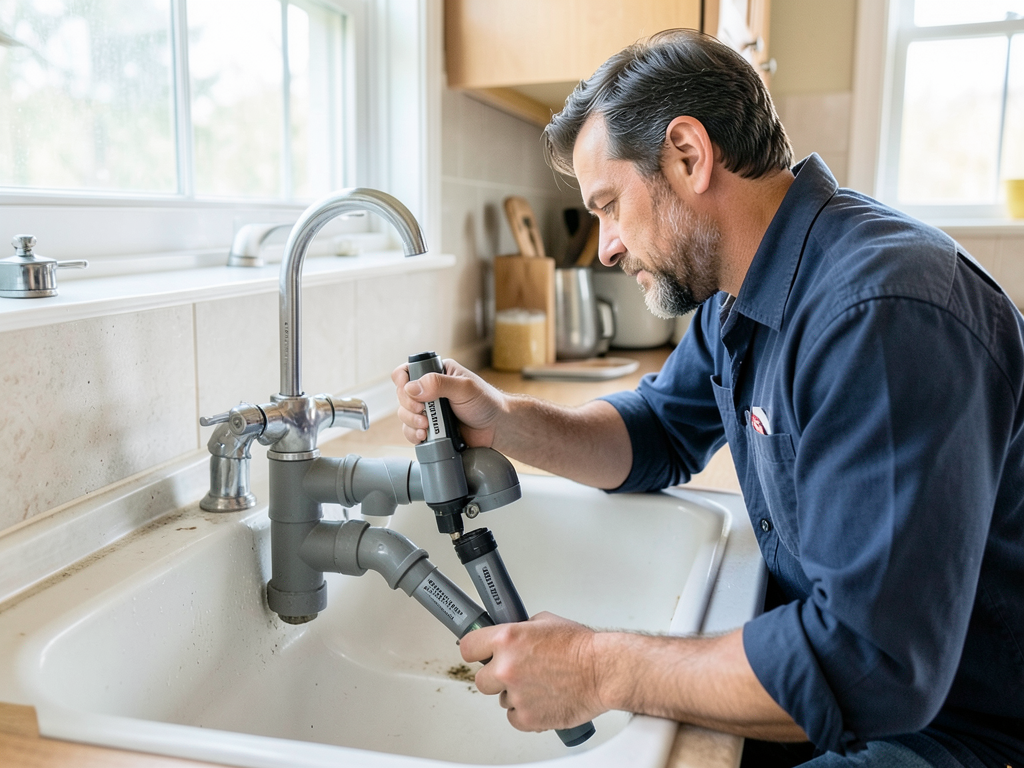
Identifying Polybutylene Pipes in Your Jacksonville Home
Polybutylene pipes have several distinctive characteristics that make them easy to identify once you know what to look for. The most obvious feature is the gray color, though they can also appear blue or black in some installations. These pipes feel much lighter than copper or PVC when you handle them.
Look for the “PB2110” marking printed on the side of the pipe. This designation indicates polybutylene material manufactured to that specific standard. You’ll typically find these pipes in several locations throughout your home:
- Near the water heater where the main line enters
- Under sinks and vanities
- In the attic space above ceilings
- Running through walls to fixtures
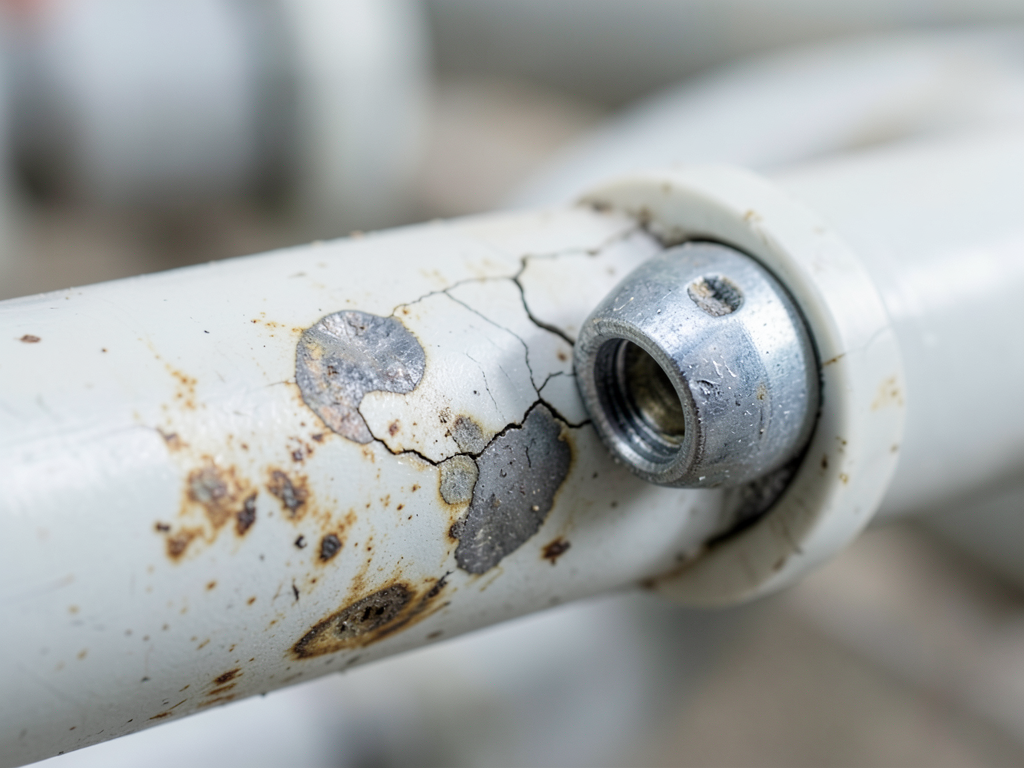
The pipes often have copper or brass fittings at connection points, but many installations used acetal (plastic) fittings that are particularly vulnerable to chlorine degradation. These acetal fittings become the weakest link in the system.
In Julington Creek specifically, we see polybutylene most commonly in homes built during the 1980s boom when developers were looking for cost-effective plumbing solutions. The St. Johns Forest and Julington Creek Plantation areas have particularly high concentrations of these problematic pipes. Plumbing Macclenny.
The Danger: Why Jacksonville Water Accelerates PB Pipe Failure
Jacksonville’s water treatment process creates the perfect storm for polybutylene pipe failure. The JEA water system maintains chlorine levels between 1.0 and 1.5 parts per million to ensure safe drinking water. While this protects against bacteria, it attacks the molecular structure of polybutylene over time. JEA water treatment information.
The chemical reaction works like this: chlorine molecules penetrate the pipe walls and react with the polymer chains that give the pipe its flexibility. This process, called oxidation, makes the plastic brittle and prone to cracking. The acetal fittings are even more vulnerable because they contain no protective additives.
Florida’s hot climate accelerates this degradation. Pipes in attics or exterior walls reach higher temperatures than in cooler climates, which speeds up the chemical breakdown. The combination of heat, chlorine, and time creates a failure pattern that’s predictable but impossible to prevent once the pipes are installed.
According to the Florida Building Code, polybutylene piping is no longer approved for new construction. The code specifically prohibits materials that show evidence of premature failure under normal operating conditions. This regulation came too late for thousands of existing homes in the Julington Creek area.
Home Insurance & Polybutylene: What Florida Homeowners Need to Know
Florida insurance companies have become increasingly aggressive about polybutylene pipes. Many major insurers, including Citizens Property Insurance Corporation, will either refuse coverage entirely or require expensive inspections before issuing a policy. Some companies demand full replacement before they’ll provide coverage.
The insurance industry considers polybutylene pipes a known hazard because of their failure rate. When a pipe bursts inside a wall, the resulting water damage can destroy drywall, flooring, and personal belongings. Claims from polybutylene failures often exceed $10,000, making them unprofitable for insurance companies to cover. Get Rid of Hard Water for Good with a Water Softener Installation in Ponte Vedra.
In Duval County and surrounding areas, insurance underwriters specifically look for polybutylene during their inspection process. They check attics, crawl spaces, and under sinks for the characteristic gray pipes. Finding them typically results in one of three outcomes: Finding a Reliable Water Heater Repair Service in Mandarin Without the Wait.
- Policy denial with no option to appeal
- Approval with a premium increase of 25-50%
- Approval contingent on replacement within 30-90 days
The situation becomes even more complicated when selling your home. Florida law requires sellers to disclose known material defects, and polybutylene pipes qualify as such. Many buyers won’t even consider homes with these pipes, or they’ll demand replacement as a condition of sale.
Real estate transactions in Julington Creek have been derailed when polybutylene pipes were discovered during inspections. The cost of replacement typically ranges from $4,000 to $12,000 depending on home size, but this is often less than the price reduction buyers demand or the lost sale altogether.
Our Repiping Process: From Inspection to PEX Installation
Replacing polybutylene pipes requires a systematic approach to minimize disruption and ensure code compliance. Our process follows the Florida Building Code requirements and includes steps that protect your home during the work.
The first step involves a comprehensive inspection using moisture meters and visual examination to map all polybutylene pipes in your home. We document the pipe locations, connection types, and any existing damage. This inspection typically takes 1-2 hours for an average-sized home.
Before any work begins, we pull the necessary permits from the City of Jacksonville Building Inspection Division. The permit ensures the work meets current code requirements and includes inspections at key stages of the project.
The replacement process follows these steps:
- Water Shutoff and Protection
We isolate the water supply and protect floors, furniture, and fixtures with drop cloths and plastic sheeting. This prevents damage during the demolition phase.. Read more about Smart Leak Detectors That Can Save Your Home from Water Damage While You’re Away.
- Strategic Access Points
Instead of tearing out entire walls, we create small access holes where needed. Modern PEX piping can bend around corners, reducing the number of cuts required.
- Old Pipe Removal
We carefully remove the polybutylene pipes, taking care not to damage surrounding structures. Any compromised drywall is removed to inspect for existing water damage.. Read more about Why Your Water Bill in Brooklyn Is Suddenly Sky High and Where to Look for the Leak.
- PEX Installation
We install new PEX piping using manifolds for efficient distribution. PEX resists chlorine damage and has a projected lifespan of 50+ years.
- Pressure Testing
After installation, we perform a hydrostatic pressure test to ensure all connections are watertight before closing walls.
- Restoration
We repair drywall, match textures, and paint to restore your home to its original condition or better.
The entire process typically takes 3-5 days for an average home, though larger properties may require more time. We work efficiently to minimize the time you’re without water service.
Cost of Polybutylene Replacement in Jacksonville
Several factors influence the cost of replacing polybutylene pipes in your Julington Creek home. Understanding these variables helps you budget appropriately and avoid surprises.
Home size is the primary cost driver. A 1,500-square-foot home with 2 bathrooms typically costs less than a 3,000-square-foot home with 3-4 bathrooms. More fixtures mean more pipe runs and connections.. Read more about Fast Faucet and Fixture Upgrades for Your Bathroom in Deerwood.
Accessibility significantly impacts labor costs. Homes with crawl spaces or accessible attics are easier to work in than those with concrete slabs or finished basements. Slab homes require more invasive work to access under-floor plumbing.
The condition of your existing plumbing affects the scope of work. If we discover water damage behind walls or under floors, additional repairs become necessary. This might include replacing damaged subflooring or treating mold growth.
Permitting and inspection fees vary by municipality. Jacksonville’s permitting fees are based on project scope, typically ranging from $150 to $400 for whole-home repiping projects.
Here’s a general cost comparison for different home sizes:
| Home Size | Estimated Cost Range | Typical Timeline |
|---|---|---|
| 1,200-1,500 sq ft | $4,000 – $6,500 | 3-4 days |
| 1,600-2,200 sq ft | $6,500 – $9,000 | 4-5 days |
| 2,200+ sq ft | $9,000 – $12,000+ | 5-7 days |
PEX piping costs have remained stable over the past few years, with material prices averaging $0.50 to $0.75 per foot for the pipe itself. The fittings and manifolds add another $0.25 to $0.50 per connection point.
While these costs may seem significant, they pale in comparison to the potential damage from a catastrophic pipe failure. A single burst pipe can cause $5,000 to $20,000 in water damage, not including the cost of emergency repairs and temporary housing.
Frequently Asked Questions
Can I just repair one leaking section instead of replacing everything?
Repairing individual sections is usually false economy. Once one section fails, others are likely close behind. The chlorine degradation affects the entire system uniformly, so patching one area often leads to multiple emergency repairs within months.
Will replacing polybutylene pipes increase my home’s value?
Yes, replacement typically increases home value by $3,000 to $8,000 and makes your property more attractive to buyers. More importantly, it removes a major obstacle to selling and can help you qualify for better insurance rates.
How long does PEX piping last compared to polybutylene?
PEX piping has a projected lifespan of 50+ years under normal conditions. Unlike polybutylene, PEX is resistant to chlorine degradation and can handle Florida’s temperature variations without becoming brittle.
Do I need permits for polybutylene replacement?
Yes, the City of Jacksonville requires permits for whole-home repiping projects. This ensures the work meets current building codes and includes required inspections. We handle all permitting as part of our service.
Should I replace polybutylene pipes before selling my home?
If you’re planning to sell within the next 2-3 years, replacement before listing often makes financial sense. It eliminates a major negotiation point and can prevent deals from falling through during inspections.
Those gray pipes in your Julington Creek home aren’t just an eyesore—they’re a liability waiting to happen. Every day you delay replacement increases your risk of water damage, insurance problems, and costly emergency repairs.
The combination of Jacksonville’s chlorine-treated water and the age of most polybutylene installations means failure is not a matter of if, but when. Many homeowners discover the problem only after thousands of dollars in damage have already occurred.
Modern PEX piping eliminates these risks completely. It’s resistant to chlorine, handles temperature changes better, and comes with warranties that polybutylene never had. The investment in replacement pays for itself through insurance savings, increased home value, and peace of mind.
Don’t wait for a pipe to burst and destroy your home. Call (904) 839-7199 today to schedule your inspection. We’ll identify any polybutylene pipes in your home and provide a clear plan for replacement. Pick up the phone and call (904) 839-7199 before the next storm hits or the next pipe fails. Your home deserves better than ticking time bombs in the walls.
{
“@context”: “https://schema.org”,
“@type”: “BlogPosting”,
“headline”: “Is It Finally Time to Replace Those Old Polybutylene Pipes in Your Julington Creek Home?”,
“description”: “Learn how chlorine in Jacksonville water accelerates polybutylene pipe failure. Discover insurance impacts, replacement costs, and why Julington Creek homes are at high risk.”,
“wordCount”: 1816,
“datePublished”: “2026-03-19T10:24:00.000Z”,
“dateModified”: “2026-03-19T10:24:00.000Z”,
“inLanguage”: “en-US”,
“mainEntityOfPage”: {
“@type”: “WebPage”,
“@id”: “https://titanplumbingjacksonville.com”
},
“publisher”: {
“@type”: “LocalBusiness”,
“name”: “Titan Plumbing Jacksonville”,
“url”: “https://titanplumbingjacksonville.com”
},
“author”: {
“@type”: “Organization”,
“name”: “Titan Plumbing Jacksonville”,
“url”: “https://titanplumbingjacksonville.com”
},
“image”: {
“@type”: “ImageObject”,
“url”: “https://titanplumbingjacksonville.com/wp-content/uploads/2026/03/is-it-finally-time-to-replace-those-old-polybutyle-1.png”
}
}
{
“@context”: “https://schema.org”,
“@type”: “Plumber”,
“name”: “Titan Plumbing Jacksonville”,
“url”: “https://titanplumbingjacksonville.com”,
“address”: {
“@type”: “PostalAddress”,
“addressLocality”: “Jacksonville”
},
“areaServed”: {
“@type”: “City”,
“name”: “Jacksonville”
}
}
{
“@context”: “https://schema.org”,
“@type”: “FAQPage”,
“mainEntity”: [
{
“@type”: “Question”,
“name”: “Can I just repair one leaking section instead of replacing everything?”,
“acceptedAnswer”: {
“@type”: “Answer”,
“text”: “Repairing individual sections is usually false economy. Once one section fails, others are likely close behind. The chlorine degradation affects the entire system uniformly, so patching one area often leads to multiple emergency repairs within months.”
}
},
{
“@type”: “Question”,
“name”: “Will replacing polybutylene pipes increase my home’s value?”,
“acceptedAnswer”: {
“@type”: “Answer”,
“text”: “Yes, replacement typically increases home value by $3,000 to $8,000 and makes your property more attractive to buyers. More importantly, it removes a major obstacle to selling and can help you qualify for better insurance rates.”
}
},
{
“@type”: “Question”,
“name”: “How long does PEX piping last compared to polybutylene?”,
“acceptedAnswer”: {
“@type”: “Answer”,
“text”: “PEX piping has a projected lifespan of 50+ years under normal conditions. Unlike polybutylene, PEX is resistant to chlorine degradation and can handle Florida’s temperature variations without becoming brittle.”
}
},
{
“@type”: “Question”,
“name”: “Do I need permits for polybutylene replacement?”,
“acceptedAnswer”: {
“@type”: “Answer”,
“text”: “Yes, the City of Jacksonville requires permits for whole-home repiping projects. This ensures the work meets current building codes and includes required inspections. We handle all permitting as part of our service.”
}
},
{
“@type”: “Question”,
“name”: “Should I replace polybutylene pipes before selling my home?”,
“acceptedAnswer”: {
“@type”: “Answer”,
“text”: “If you’re planning to sell within the next 2-3 years, replacement before listing often makes financial sense. It eliminates a major negotiation point and can prevent deals from falling through during inspections.”
}
}
]
}
{
“@context”: “https://schema.org”,
“@type”: “HowTo”,
“name”: “How to Replace Polybutylene Pipes”,
“step”: [
{
“@type”: “HowToStep”,
“position”: 1,
“name”: “Water Shutoff and Protection”,
“text”: “We isolate the water supply and protect floors, furniture, and fixtures with drop cloths and plastic sheeting. This prevents damage during the demolition phase.”
},
{
“@type”: “HowToStep”,
“position”: 2,
“name”: “Strategic Access Points”,
“text”: “Instead of tearing out entire walls, we create small access holes where needed. Modern PEX piping can bend around corners, reducing the number of cuts required.”
},
{
“@type”: “HowToStep”,
“position”: 3,
“name”: “Old Pipe Removal”,
“text”: “We carefully remove the polybutylene pipes, taking care not to damage surrounding structures. Any compromised drywall is removed to inspect for existing water damage.”
},
{
“@type”: “HowToStep”,
“position”: 4,
“name”: “PEX Installation”,
“text”: “We install new PEX piping using manifolds for efficient distribution. PEX resists chlorine damage and has a projected lifespan of 50+ years.”
},
{
“@type”: “HowToStep”,
“position”: 5,
“name”: “Pressure Testing”,
“text”: “After installation, we perform a hydrostatic pressure test to ensure all connections are watertight before closing walls.”
},
{
“@type”: “HowToStep”,
“position”: 6,
“name”: “Restoration”,
“text”: “We repair drywall, match textures, and paint to restore your home to its original condition or better.”
}
],
“image”: “https://titanplumbingjacksonville.com/wp-content/uploads/2026/03/is-it-finally-time-to-replace-those-old-polybutyle-1.png”
}
{
“@context”: “https://schema.org”,
“@type”: “BreadcrumbList”,
“itemListElement”: [
{
“@type”: “ListItem”,
“position”: 1,
“name”: “Home”,
“item”: “https://titanplumbingjacksonville.com”
},
{
“@type”: “ListItem”,
“position”: 2,
“name”: “Blog”,
“item”: “https://titanplumbingjacksonville.com/blog”
},
{
“@type”: “ListItem”,
“position”: 3,
“name”: “Is It Finally Time to Replace Those Old Polybutylene Pipes in Your Julington Creek Home?”
}
]
}
{
“@context”: “https://schema.org”,
“@type”: “Service”,
“serviceType”: “Plumbing”,
“provider”: {
“@type”: “LocalBusiness”,
“name”: “Titan Plumbing Jacksonville”,
“url”: “https://titanplumbingjacksonville.com”
},
“areaServed”: {
“@type”: “City”,
“name”: “Jacksonville”
},
“description”: “Learn how chlorine in Jacksonville water accelerates polybutylene pipe failure. Discover insurance impacts, replacement costs, and why Julington Creek homes are at high risk.”
}