
Are Solar Water Heaters Still a Good Investment for Northeast Florida Homeowners?
Jacksonville homeowners face rising utility costs and abundant sunshine. Solar water heaters offer real savings potential but require careful evaluation of local factors. This guide examines the true costs benefits and climate-specific considerations for Northeast Florida homes. Florida Solar Energy Center certification.
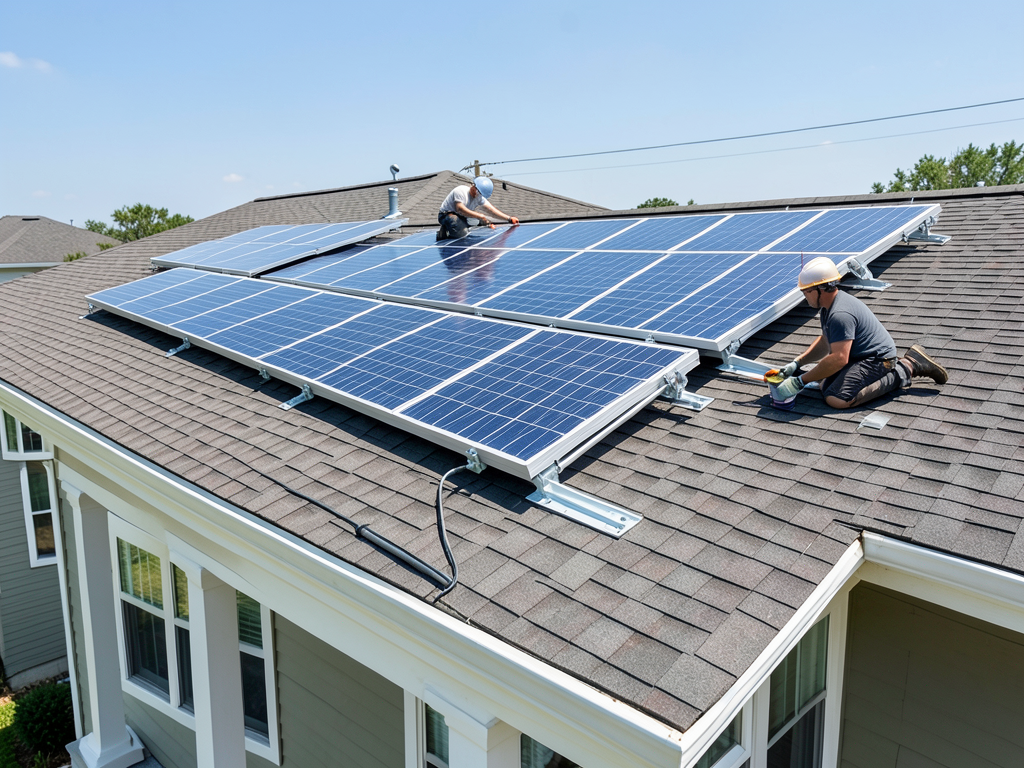
Solar water heating systems use rooftop collectors to capture heat from the sun and transfer it to water stored in insulated tanks. These systems provide hot water without electricity generation unlike photovoltaic panels. The technology works well in Jacksonville’s climate but local conditions create unique challenges and opportunities. Jacksonville building permits.
How Solar Water Heaters Work in Florida Homes
Solar thermal collectors absorb sunlight and convert it to heat energy. Water or antifreeze circulates through these collectors and absorbs thermal energy. The heated fluid moves to a storage tank where it transfers heat to household water. How to Get Your Tankless Water Heater Installed at Jacksonville Beach.
Jacksonville’s climate supports two main system types. Active systems use electric pumps to circulate fluid through collectors. These perform better during cold snaps when temperatures drop below freezing. Passive systems rely on natural convection and gravity to move water. They offer simpler operation during our long hot season. Get Rid of Hard Water for Good with a Water Softener Installation in Ponte Vedra.
Financial Analysis for Jacksonville Homeowners
Complete solar water heating systems cost between $4000 and $7000 after federal tax credits. Most Jacksonville homeowners pay around $5500 for collectors mounting hardware and professional installation by licensed Florida plumbers.
The federal Investment Tax Credit provides 30% credit on installation costs through 2026. A $7000 system qualifies for $2100 in federal tax credits. JEA offers rebates of $450 to $1000 depending on system specifications and efficiency ratings. JEA rebates and incentives.
Monthly utility savings range from $30 to $50 for typical families of four. Actual savings depend on household hot water usage and system efficiency. With Jacksonville’s average electricity rates around 14 cents per kilowatt hour most systems pay for themselves within 7 to 10 years.
Jacksonville Climate Factors That Impact Performance
Northeast Florida’s environment creates both advantages and challenges for solar water heating. Our 220 plus sunny days annually provide excellent solar exposure. Several local factors significantly impact system performance and longevity.
Hard water presents the biggest concern. Jacksonville’s water contains high mineral content that causes scale buildup in collectors and storage tanks. Scale reduces heat transfer efficiency by up to 30% over five years without proper maintenance. Professional installations include sacrificial anode rods and recommend annual flushing to prevent mineral accumulation.
Hurricane season requires special consideration. Florida Building Code mandates solar mounting systems withstand 140 plus mph winds. Proper installation includes hurricane rated mounting brackets and sealed roof penetrations to prevent water intrusion during storms.
Humidity affects system components differently than in drier climates. Condensation on pipes and collectors leads to corrosion without proper sealing. Quality installations use marine grade stainless steel components and UV resistant insulation to combat coastal environment effects.
JEA Rebates and Utility Programs
JEA provides specific incentives for solar water heating that reduce upfront costs significantly. The utility offers $450 rebates for systems meeting minimum efficiency standards and including professional installation by licensed contractors.
Net metering allows selling excess solar energy back to the grid though this applies more to photovoltaic systems than thermal collectors. JEA’s Time of Use rates enable maximizing savings by using solar heated water during peak rate periods typically 1 to 7 PM on weekdays.
Systems must be installed by Florida licensed contractors and meet FSEC Florida Solar Energy Center certification standards. This ensures proper sizing for Jacksonville’s climate and compliance with local building codes.
Active Versus Passive System Performance
Active solar water heating systems use electric pumps to circulate water or antifreeze through rooftop collectors. These systems offer better performance during cloudy periods and integrate easily with existing water heaters as backup systems.
Passive systems rely on natural convection and gravity to move water. They have fewer moving parts making them more reliable and less expensive to maintain. However they typically provide less hot water during extended cloudy periods. Finding a Reliable Water Heater Repair Service in Mandarin Without the Wait.
For Jacksonville homes active systems generally provide better year round performance. Occasional cold fronts and summer thunderstorms make added reliability worth slightly higher costs. Active systems also integrate more easily with tankless water heaters for backup heating.
Building Code Requirements and Permitting
Florida Building Code Section 424.3 establishes specific mounting and safety requirements for solar water heaters. Collectors must be rated for wind zones 3 and 4 which cover all of Northeast Florida. Mounting systems require engineering calculations showing they can withstand local wind loads.
Roof penetrations must be sealed with approved flashing and underlayment to prevent leaks. Storage tanks require temperature and pressure relief valves meeting ASME standards. All plumbing connections must use approved materials rated for potable water service. Plumbing Macclenny.
City of Jacksonville permitting typically takes 2 to 3 weeks and costs $150 to $300 depending on system size. Licensed contractors should handle all permits and inspections as part of installation process.
Maintenance Requirements for Florida Climate
Solar water heaters require regular maintenance to perform efficiently in Jacksonville’s environment. The most critical task involves checking and replacing sacrificial anode rods annually. These rods prevent tank corrosion but dissolve over time especially in mineral rich water.
Collector cleaning should occur every 6 to 12 months to remove pollen dust and salt spray that reduce efficiency by up to 15%. This proves particularly important in coastal areas where salt air accelerates corrosion. The Best Drain Cleaning Companies for Clogged Pipes in San Marco.
Checking glycol levels in closed loop systems prevents freezing damage during rare cold snaps. While Jacksonville rarely experiences prolonged freezing temperatures can drop below 32 degrees Fahrenheit several nights per year potentially damaging unprotected systems.
Cost Comparison With Other Water Heating Options
Solar water heaters compete with several other technologies in the Jacksonville market. Here’s how they compare on key factors:
| Technology | Upfront Cost | Annual Operating Cost | Lifespan | Best For |
|---|---|---|---|---|
| Solar Thermal | $4000-$7000 | $50-$100 | 20+ years | Long term homeowners |
| Heat Pump | $1200-$2500 | $150-$250 | 10-15 years | Quick payback |
| Standard Electric | $500-$1000 | $400-$600 | 8-12 years | Budget installation |
| Tankless Gas | $1500-$3000 | $200-$300 | 20+ years | High demand homes |
Environmental Benefits and Carbon Reduction
A solar water heater in Jacksonville can reduce home carbon emissions by 2 to 4 tons annually depending on current water heating method. This equals taking a car off the road for several months each year.
Beyond carbon reduction solar water heaters decrease strain on local power grid during peak summer months when air conditioning drives electricity demand. This helps prevent brownouts and reduces need for new power plants.
Manufacturing impact of solar collectors offsets within 2 to 3 years of operation in Florida’s sunny climate. Most collectors use aluminum frames and tempered glass materials that prove highly recyclable at end of life.
Common Installation Mistakes to Avoid
Improper sizing represents the most frequent error. Systems too small won’t meet hot water needs while oversized systems waste money. Professional assessments should calculate actual household hot water usage not just square footage.
Roof orientation matters significantly in Jacksonville. South facing roofs provide optimal exposure while east or west facing installations may produce 15 to 25% less hot water. Some homeowners install collectors on multiple roof faces to maximize production.
Ignoring local wind requirements can lead to system failure during hurricanes. Always verify contractors use Florida approved mounting hardware and follow current building code requirements for specific wind zones.
Is Solar Water Heating Right for Your Home
Solar water heating makes most sense for homeowners planning to stay in homes for at least 7 to 10 years with suitable roof space and good sun exposure. Homes with high hot water usage such as those with teenagers or home businesses see fastest payback.
Consider roof condition before installation. If roof needs replacement within 5 years address that first. Solar collectors typically last 20 plus years so removing and reinstalling them due to roof work proves costly.. Read more about Can Installing Low-Flow Fixtures Really Lower Your JEA Bill in Northside?.
Check homeowner association rules if applicable. While Florida law prohibits HOAs from banning solar installations they may have requirements about collector placement and appearance.
Getting Started With Your Solar Project
The first step involves professional site assessment to evaluate roof’s sun exposure structural capacity and existing plumbing configuration. Qualified contractors measure available space check roof orientation and assess current water heating costs.
During assessment ask about contractor’s experience with Florida installations specifically. Local experience matters for understanding Jacksonville’s unique climate challenges and building code requirements.
Request references from recent local installations and verify contractor’s license status with Florida Department of Business and Professional Regulation. Proper licensing ensures understanding of specific requirements for solar thermal systems in Florida.
Frequently Asked Questions
How long do solar water heaters last in Jacksonville’s climate
Quality solar water heaters typically last 20 to 25 years in Northeast Florida when properly maintained. Collectors often last longer than storage tanks which may need replacement after 15 to 20 years due to corrosion from hard water.
Will solar water heater provide hot water during power outage
Yes passive solar water heaters continue providing hot water during outages since they don’t require electricity to operate. Active systems with electric pumps won’t function without power though stored hot water in insulated tank remains hot for 24 to 48 hours.
Do I need to replace existing water heater when installing solar
Not necessarily. Many installations keep existing water heater as backup for cloudy days or high demand periods. Solar system preheats water before it enters conventional heater reducing energy consumption significantly.
How much roof space do I need for solar water heating collectors
Typical family of four needs 40 to 60 square feet of collector area which translates to roughly one 4×10 foot panel or two smaller panels. Roof must have unshaded south facing exposure for optimal performance.
Ready to Explore Solar Water Heating Options
Solar water heaters provide significant energy savings and environmental benefits for Jacksonville homeowners but success depends on proper system design and installation for specific climate conditions. Combination of federal tax credits JEA rebates and abundant sunshine makes this ideal time to consider solar thermal technology.
Before making decision get professional assessment to determine if home’s orientation roof condition and hot water usage make solar smart investment. Qualified local contractor can provide accurate cost estimates and calculate specific payback period based on household needs.
Call (904) 839-7199 today to schedule free solar water heater assessment. Experienced team will evaluate home’s potential and help understand real costs and benefits of going solar in Jacksonville.
Don’t wait until current water heater fails. Planning ahead gives time to explore all options and make best choice for home and budget. Pick up phone and call (904) 839-7199 before next utility rate increase hits monthly bill.
You may also find this helpful. The Hidden Dangers of Attic Water Heaters for Homeowners in Nocatee.
{
“@context”: “https://schema.org”,
“@type”: “BlogPosting”,
“headline”: “Are Solar Water Heaters Still a Good Investment for Northeast Florida Homeowners?”,
“description”: “Discover if solar water heaters make financial sense in Jacksonville’s climate. Learn about JEA rebates, building codes, and real payback periods for Northeast Florida homes.”,
“wordCount”: 1820,
“datePublished”: “2026-06-08T15:46:00.000Z”,
“dateModified”: “2026-06-08T15:46:00.000Z”,
“inLanguage”: “en-US”,
“mainEntityOfPage”: {
“@type”: “WebPage”,
“@id”: “https://titanplumbingjacksonville.com”
},
“publisher”: {
“@type”: “LocalBusiness”,
“name”: “Titan Plumbing Jacksonville”,
“url”: “https://titanplumbingjacksonville.com”
},
“author”: {
“@type”: “Organization”,
“name”: “Titan Plumbing Jacksonville”,
“url”: “https://titanplumbingjacksonville.com”
},
“image”: {
“@type”: “ImageObject”,
“url”: “https://titanplumbingjacksonville.com/wp-content/uploads/2026/03/are-solar-water-heaters-still-a-good-investment-fo-1.png”
}
}
{
“@context”: “https://schema.org”,
“@type”: “Plumber”,
“name”: “Titan Plumbing Jacksonville”,
“url”: “https://titanplumbingjacksonville.com”,
“address”: {
“@type”: “PostalAddress”,
“addressLocality”: “Jacksonville”
},
“areaServed”: {
“@type”: “City”,
“name”: “Jacksonville”
}
}
{
“@context”: “https://schema.org”,
“@type”: “BreadcrumbList”,
“itemListElement”: [
{
“@type”: “ListItem”,
“position”: 1,
“name”: “Home”,
“item”: “https://titanplumbingjacksonville.com”
},
{
“@type”: “ListItem”,
“position”: 2,
“name”: “Blog”,
“item”: “https://titanplumbingjacksonville.com/blog”
},
{
“@type”: “ListItem”,
“position”: 3,
“name”: “Are Solar Water Heaters Still a Good Investment for Northeast Florida Homeowners?”
}
]
}
{
“@context”: “https://schema.org”,
“@type”: “Service”,
“serviceType”: “Plumbing”,
“provider”: {
“@type”: “LocalBusiness”,
“name”: “Titan Plumbing Jacksonville”,
“url”: “https://titanplumbingjacksonville.com”
},
“areaServed”: {
“@type”: “City”,
“name”: “Jacksonville”
},
“description”: “Discover if solar water heaters make financial sense in Jacksonville’s climate. Learn about JEA rebates, building codes, and real payback periods for Northeast Florida homes.”
}