
How to Safely Thaw an Outdoor Pipe During a Rare Jacksonville Freeze
When Jacksonville temperatures drop below 32°F, which happens only a few times each winter, outdoor pipes can freeze and burst. The first sign is often reduced water flow or no water at all from outdoor faucets. Acting quickly with the right thawing methods can prevent costly water damage to your Jacksonville home. Quick Slab Leak Detection and Repair for Homeowners in Southside.
Immediate Steps: What to Do the Moment You Suspect a Frozen Pipe
Finding frozen pipes in Jacksonville requires quick action. Turn off the main water supply valve, usually located near the water meter or where the main line enters your home. This prevents pressure buildup if the pipe cracks during thawing. Next, open the affected faucet to relieve pressure and allow water to escape as the ice melts. Finding a Reliable Water Heater Repair Service in Mandarin Without the Wait.
Check for visible frost on exposed pipes or bulging sections where ice has formed. Jacksonville homes often have pipes in crawl spaces or exterior walls that are more vulnerable to freezing during these rare cold snaps. If you can access the frozen section, begin safe thawing immediately.
Safety First: Methods You Should NEVER Use
Never use open flames, propane torches, or kerosene heaters to thaw frozen pipes. These methods create fire hazards and can damage pipes, especially the PEX piping common in newer Jacksonville homes. Avoid pouring boiling water directly on frozen pipes as the extreme temperature change can cause PVC pipes to crack. How to Get Your Tankless Water Heater Installed at Jacksonville Beach.
Space heaters placed too close to flammable materials pose serious fire risks. The Florida Building Code Section 4101.6 requires proper clearance around heating equipment. Keep all heating devices at least three feet away from walls, insulation, and other combustible materials when thawing pipes. Florida Building Code Commission.
4 Safe Ways to Thaw Your Pipes
Using a hair dryer on the highest setting works well for accessible frozen sections. Move the dryer back and forth along the pipe, starting from the faucet end and working toward the coldest section. This method takes 15-30 minutes for typical outdoor pipe sections in Jacksonville homes.
Heat lamps provide another safe option. Position a 250-watt infrared heat lamp 6-12 inches from the frozen pipe. The radiant heat penetrates the pipe wall without direct contact. Monitor the process every few minutes to prevent overheating any single section.
Hot towels offer a slower but very safe method. Soak towels in hot water (not boiling), wring them out, and wrap them around the frozen pipe section. Replace with freshly heated towels every 5-10 minutes. This method works well for pipes in tight spaces where other tools won’t fit. Get Rid of Hard Water for Good with a Water Softener Installation in Ponte Vedra.
Electric heating pads designed for pipe thawing provide consistent, controlled heat. Wrap the pad around the frozen section and set it to medium heat. Most Jacksonville hardware stores carry pipe-specific heating pads during winter months. These maintain safe temperatures while effectively melting ice blockages.
How to Identify the Exact Location of the Freeze
Start by feeling along accessible pipe sections. Frozen areas feel significantly colder than surrounding pipe material. Look for sections with visible frost or ice accumulation. In Jacksonville homes, common freeze locations include pipes in uninsulated crawl spaces, exterior wall penetrations, and outdoor hose bibs.
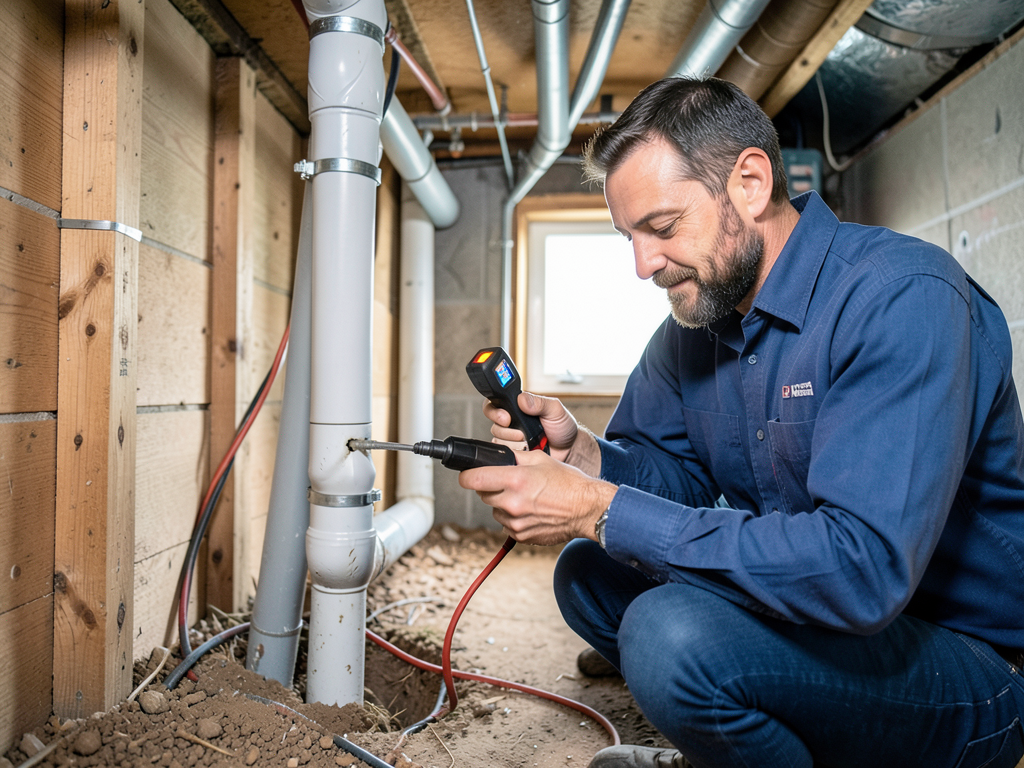
Check the pipe temperature with an infrared thermometer if available. Frozen sections read below 32°F while surrounding areas remain at ambient temperature. Jacksonville’s humid climate means pipes often have condensation, so wipe the pipe dry before testing for temperature differences.
Listen for changes in water flow when you open faucets. If water trickles initially then stops, the freeze is likely between that faucet and the next closest water source. This diagnostic approach helps target your thawing efforts to the exact problem area.
When to Call a Professional Jacksonville Plumber
Call a professional if you notice water leaking after thawing begins, as this indicates a crack in the pipe. Also contact a plumber if the frozen section is behind walls or in the ceiling where you cannot safely access it. Jacksonville emergency plumbers respond 24/7 to burst pipe situations.
If DIY methods fail after 30-60 minutes of consistent effort, professional equipment may be needed. Licensed plumbers use specialized pipe-thawing machines that apply safe electrical current to melt ice without damaging pipes. They also carry insurance to cover any accidental damage during the process.
Signs of a burst pipe include water pooling under sinks, wet spots on walls or ceilings, or the sound of running water when all fixtures are off. Turn off your main water supply immediately and call (904) 839-7199 for emergency service in Jacksonville.
Prevention: How to Stop Pipes from Freezing During a North Florida Cold Snap
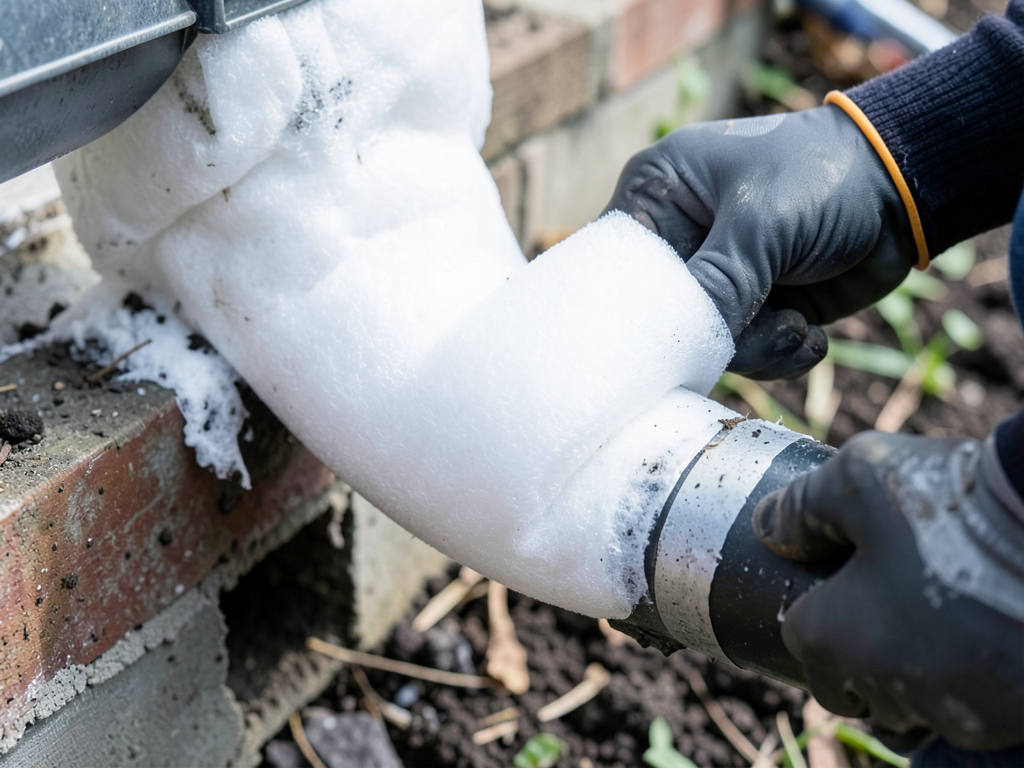
Insulate exposed pipes with foam pipe sleeves available at Jacksonville hardware stores. These sleeves cost $2-5 per linear foot and install easily with adhesive strips. Focus on pipes in unheated areas like crawl spaces, attics, and exterior walls where Jacksonville’s rare freezes cause the most problems.
Install outdoor faucet covers before cold weather arrives. These insulated dome covers create an air barrier that keeps faucet valves above freezing. Jacksonville home improvement stores stock these seasonally, typically priced under $10 each. Remove garden hoses and drain them to prevent water from freezing inside connected pipes. The Best Drain Cleaning Companies for Clogged Pipes in San Marco.
Let indoor faucets drip slowly during freeze warnings. Moving water is much less likely to freeze than standing water. A drip of one drop per second uses only 5-10 gallons per day but can prevent thousands in water damage from burst pipes. Focus on faucets connected to pipes running through exterior walls.
Seal air leaks around pipe penetrations with expanding foam or caulk. Jacksonville’s older homes often have gaps around where pipes enter the home that let cold air in. Check for drafts around washing machine connections, water heater lines, and outdoor faucet feeds. Even small gaps can let enough cold air in to freeze pipes.
Jacksonville-Specific Pipe Vulnerabilities
Jacksonville’s building practices create unique freeze risks. Many homes built on concrete slabs have pipes running through attic spaces or exterior walls with minimal insulation. The city’s humid subtropical climate means most plumbing isn’t designed for sustained freezing temperatures, making rare cold snaps particularly dangerous.
St. Johns River area homes often have higher water tables, requiring deeper pipe burial that can create temperature stratification. When surface temperatures drop rapidly, the deeper pipes may still contain water that freezes before the surrounding ground provides insulation. This creates freeze risks even for pipes that meet standard depth requirements.
Jacksonville’s hurricane preparation culture means many homes have outdoor shut-off valves and backflow preventers that are exposed to the elements. These devices, while necessary for water safety, create additional freeze points that require winterization during cold snaps. EPA winter water saving tips.
Post-Thaw Inspection: What to Check After Thawing
After successfully thawing frozen pipes, inspect all accessible sections for cracks or splits. Even microscopic cracks can leak once water pressure returns. Jacksonville’s hard water can cause mineral buildup that makes small leaks difficult to detect initially, so thorough inspection is critical.
Check water meter readings before and after thawing. If the meter continues to run when all fixtures are off, you likely have a hidden leak. Jacksonville JEA water meters have leak indicators that spin when water flows through the system, even at very low rates.
Monitor water pressure over the next 24-48 hours. A sudden drop in pressure often indicates a developing leak. Jacksonville homes with pressure-reducing valves may show pressure drops more gradually, so check these systems specifically after freeze events.
Emergency Contact Information
For immediate assistance with frozen or burst pipes in Jacksonville, call (904) 839-7199. Our licensed plumbers serve all Jacksonville areas including Riverside, San Marco, Mandarin, and the Beaches. We provide 24/7 emergency response for burst pipes, water damage, and plumbing system failures.
Keep this number saved in your phone before the next freeze warning. Quick response prevents minor pipe issues from becoming major water damage disasters in your Jacksonville home.
- Turn Off Main Water Supply
Locate and shut off the main water valve to prevent pressure buildup if pipes crack during thawing.
- Open Affected Faucets
Turn on both hot and cold handles to relieve pressure and allow water to escape as ice melts.
- Apply Safe Heat Source
Use a hair dryer, heat lamp, or heating pad on the frozen section, moving heat gradually along the pipe.
- Check for Leaks
Inspect pipes thoroughly after thawing for any cracks or splits that may have formed during freezing.
- Restore Water Supply
Once confirmed leak-free, slowly turn the main valve back on and check all fixtures for proper flow.
Frequently Asked Questions
How long does it take to thaw a frozen pipe?
Using a hair dryer on medium settings typically takes 15-30 minutes for accessible outdoor pipe sections. Thicker pipes or those with severe freezing may require 45-60 minutes of consistent heat application.
Can frozen pipes thaw on their own?
Yes, pipes often thaw naturally when temperatures rise above freezing. However, this creates risks as expanding ice can crack pipes that then leak when thawed. Active thawing is safer than waiting for natural thaw.
What temperature causes pipes to freeze?
Pipes begin freezing when temperatures drop to 20°F or below for several hours. In Jacksonville, outdoor pipes become vulnerable when temperatures fall below 32°F, especially if exposed to wind chill or in uninsulated areas.
Should I leave faucets dripping during a freeze?
Yes, a slow drip of one drop per second can prevent freezing by keeping water moving through the pipes. This uses minimal water but provides significant protection against pipe bursts.
How do I know if my pipe burst?
Signs include water pooling under sinks, wet spots on walls or ceilings, reduced water pressure, or the sound of running water when all fixtures are off. Check your water meter – if it moves when everything is off, you likely have a leak.
[IMAGE_PLACEHOLDER_3>
Remember that Jacksonville’s rare freezes require specific preparation and response methods. Most Florida homes aren’t built to withstand extended freezing temperatures, making proper pipe protection and safe thawing techniques essential for preventing water damage during cold snaps.
For professional plumbing assistance in Jacksonville, call (904) 839-7199 today. Our experienced team understands the unique challenges Florida homeowners face during winter weather events and provides fast, reliable service when you need it most.