
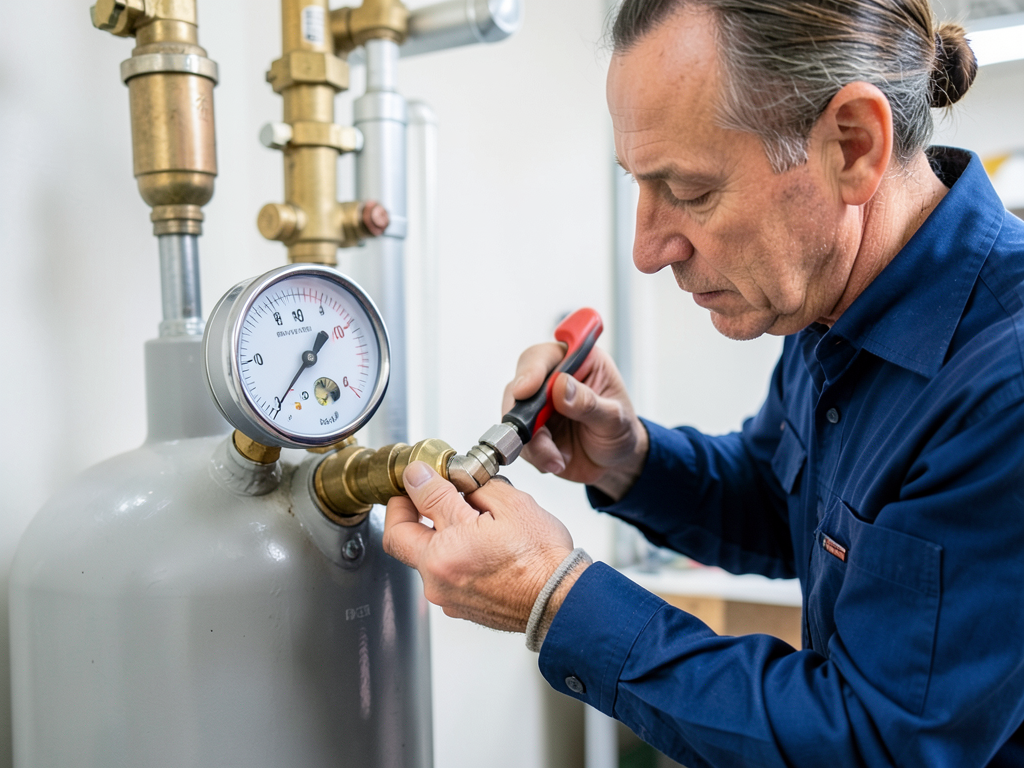
Why Your Expansion Tank is Leaking and How to Fix It Before Your Water Heater Blows
Expansion tanks protect your water heater from dangerous pressure buildup, but when they start leaking, you are just one failure away from a flooded utility room or worse. In Jacksonville, Florida, the combination of high municipal water pressure and hard water makes expansion tank failure a common problem that can lead to catastrophic water heater damage. This guide shows you exactly how to spot the warning signs, understand what’s causing the leak, and know when it’s time to call a professional plumber before your system fails completely. Florida Building Code.
Common Signs Your Expansion Tank is Failing
A leaking expansion tank often starts with subtle symptoms that homeowners miss until it’s too late. Here are the most reliable ways to tell if your tank is on the verge of failure. Finding a Reliable Water Heater Repair Service in Mandarin Without the Wait.
The Schrader Valve Test
The Schrader valve on your expansion tank works like a tire valve. When you press the valve pin with a small tool, you should hear a brief burst of air. If you hear water instead, the internal diaphragm has ruptured and the tank needs immediate replacement. This simple test takes less than 30 seconds but can save you thousands in water damage repairs. How to Get Your Tankless Water Heater Installed at Jacksonville Beach.
Visible Leaks Around the Tank
Check for moisture or water stains around the tank connections, especially where the tank connects to the cold water line and the pressure relief valve. Small drips may seem harmless, but they indicate the tank is no longer holding pressure properly. In Jacksonville’s humid climate, these leaks can quickly lead to mold growth and structural damage to your walls or flooring. Quick Slab Leak Detection and Repair for Homeowners in Southside.
Fluctuating Water Pressure
When your expansion tank fails, you may notice water pressure that surges when you turn on faucets or fluctuates dramatically between uses. This happens because the tank can no longer absorb the thermal expansion that occurs when your water heater heats water. In older Jacksonville neighborhoods like Riverside and Avondale, where municipal water pressure often exceeds 80 PSI, this problem becomes even more pronounced. Get Rid of Hard Water for Good with a Water Softener Installation in Ponte Vedra.
Unusual Noises from Your Water Heater
A failing expansion tank can cause your water heater to make banging or knocking sounds. These noises occur when water pressure builds up and suddenly releases through the system. If you hear these sounds, especially during heating cycles, your tank is likely failing and your pressure relief valve may be working overtime.
Understanding Why Jacksonville Expansion Tanks Fail
Jacksonville’s unique water conditions create specific challenges for expansion tanks that homeowners in other regions don’t face. Understanding these factors helps you prevent premature failure.
High Municipal Water Pressure
Duval County’s municipal water system often delivers water at pressures between 60-80 PSI, with some areas experiencing even higher pressures. According to the Florida Building Code, residential plumbing systems should operate between 40-60 PSI for optimal performance. When water pressure exceeds these levels, expansion tanks work harder and fail more frequently. Many Jacksonville homes built before 2010 lack pressure-reducing valves, making the problem even worse. Florida Department of Environmental Protection.
Hard Water and Mineral Buildup
Jacksonville’s water contains high levels of calcium and magnesium, creating hard water that accelerates corrosion inside expansion tanks. The minerals form scale deposits on the internal diaphragm, causing it to become brittle and crack. This is especially problematic in areas like Mandarin and Southside, where groundwater mineral content is highest. The Florida Department of Environmental Protection reports that Jacksonville’s water hardness averages 180-250 parts per million, well above the threshold where scale buildup becomes significant.
Age and Wear
Most expansion tanks have a lifespan of 5-10 years, but in Jacksonville’s harsh water conditions, many fail closer to the 5-year mark. The constant pressure cycling and mineral exposure wear down the internal components much faster than in areas with softer water or lower pressure. If your tank is over 5 years old and showing any signs of trouble, replacement is usually the safest option.
Repair vs. Replace: What Makes Sense in Jacksonville
When your expansion tank starts leaking, you might wonder if repair is possible. Here’s the honest truth about expansion tank maintenance in Jacksonville.
Why Repair Usually Isn’t Worth It
Unlike some plumbing components, expansion tanks are sealed units. Once the internal diaphragm ruptures or the tank develops corrosion, there’s no practical way to repair it. The cost of attempting a repair often exceeds the price of a new tank, and the risk of failure remains high. In Jacksonville’s hard water conditions, even a successfully repaired tank will likely fail again within months.
When Replacement Makes Sense
Replacement is almost always the best option when your expansion tank fails. Modern tanks come with better corrosion resistance and can be sized specifically for your home’s water pressure. A new tank typically costs between $150-$300 for the part, with installation adding another $200-$400 depending on your home’s configuration. This investment protects your entire plumbing system from pressure damage.
The Cost of Doing Nothing
Ignoring a failing expansion tank can lead to much more expensive problems. When the tank can’t absorb thermal expansion, your water heater’s pressure relief valve works overtime, potentially failing when you need it most. In worst-case scenarios, the water heater tank itself can rupture, causing thousands of dollars in water damage. Many Jacksonville homeowners have learned this lesson the hard way during summer months when water heaters work hardest.
Florida Building Code Requirements for Expansion Tanks
Understanding the legal requirements helps you make informed decisions about your plumbing system. The Florida Building Code has specific requirements for thermal expansion tanks that all Jacksonville homeowners should know.
Closed-Loop System Requirements
Florida Building Code Section 610.15 requires thermal expansion tanks on all closed-loop plumbing systems where a pressure-reducing valve, check valve, or backflow preventer is installed. This means most modern Jacksonville homes need expansion tanks, even if they didn’t when originally built. The code aims to prevent the dangerous pressure buildup that can occur in closed systems.
Proper Sizing and Installation
The code also specifies that expansion tanks must be properly sized for the water heater capacity and household demand. An undersized tank will fail prematurely, while an oversized tank wastes money and space. Professional plumbers use specific calculations based on your water heater size, incoming water pressure, and household water usage to determine the correct tank size.
Permit Requirements
Replacing an expansion tank in Jacksonville requires a plumbing permit from Duval County. This ensures the work meets code requirements and is inspected for safety. While some homeowners might be tempted to skip this step, unpermitted work can cause problems when selling your home and may void your water heater warranty.
The Professional Replacement Process
Understanding what happens during a professional expansion tank replacement helps you know what to expect and why each step matters.
Initial Diagnosis
A qualified plumber will start by testing your water pressure with a gauge to determine if it exceeds safe levels. They’ll also perform the Schrader valve test to confirm the tank is failing. This diagnosis typically takes 15-20 minutes and provides documentation for any necessary permits.
Pressure Reducing Valve Check
If your water pressure is too high, the plumber may recommend installing or replacing a pressure-reducing valve. This single addition can extend the life of your new expansion tank by years. In Jacksonville, where high pressure is common, this step is often worth the additional investment.
Proper Tank Selection
The plumber will select a tank sized for your specific water heater and household needs. They’ll also ensure the tank’s pre-charge pressure matches your home’s water pressure. This matching process is critical for the tank to function properly and typically requires specialized equipment.
Installation and Testing
Installation involves draining the water heater, removing the old tank, and installing the new one with proper supports and connections. The plumber will then test the entire system for leaks and proper pressure operation. This process usually takes 1-2 hours for a straightforward replacement. The Best Drain Cleaning Companies for Clogged Pipes in San Marco.
Cost Factors for Jacksonville Homeowners
Understanding what drives the cost of expansion tank replacement helps you budget appropriately and avoid surprises.
Part Costs
Standard expansion tanks for residential water heaters range from $150-$300, depending on size and quality. Premium tanks with better corrosion resistance cost more but often last longer in Jacksonville’s hard water conditions. The price difference between a basic and premium tank is usually around $50-$100.
Labor Costs
Installation labor typically runs $200-$400, depending on your home’s configuration and whether additional work like pressure-reducing valve installation is needed. Homes with difficult access to the water heater or complex plumbing setups may see higher labor costs.
Permit and Inspection Fees
Duval County charges permit fees for plumbing work, usually around $75-$150 depending on the scope. While this adds to your upfront cost, it ensures the work meets safety standards and won’t cause problems later.
Additional Considerations
If your plumber discovers other issues during replacement, like a failing pressure relief valve or corroded connections, these will add to your cost. However, addressing these issues during the same service call often saves money compared to scheduling separate visits.
Frequently Asked Questions
Can I install an expansion tank myself?
While DIY installation is possible, it’s not recommended for most homeowners. Expansion tank installation requires proper pressure testing, correct sizing, and code-compliant connections. Improper installation can lead to system failure, water damage, or even personal injury from high-pressure water discharge. Professional installation ensures the job is done right and meets all safety requirements.
How long should an expansion tank last?
In Jacksonville’s conditions, expect 5-7 years from a standard expansion tank. Premium tanks with better corrosion resistance may last 8-10 years. Factors like water pressure, water hardness, and usage patterns all affect lifespan. If your tank is approaching 5 years old, start watching for warning signs.
What happens if I don’t replace a failing expansion tank?
A failed expansion tank can’t protect your plumbing system from pressure buildup. This leads to stress on pipes, fixtures, and your water heater. The pressure relief valve may fail, and in extreme cases, your water heater tank could rupture, causing significant water damage. The cost of ignoring the problem far exceeds replacement expense.
Should I replace my expansion tank when replacing my water heater?
Yes, if your expansion tank is more than 3-4 years old. Since both components typically last similar timeframes, replacing them together ensures your new water heater has proper protection. Many plumbers offer package deals for simultaneous replacement, which can save money compared to separate service calls.
Protect Your Home Before Disaster Strikes
A leaking expansion tank is more than just a minor plumbing issue. It’s a warning sign that your home’s water system is at risk. Jacksonville’s high water pressure and hard water conditions make expansion tank failure particularly common, but with proper attention and timely replacement, you can avoid the costly damage that comes with system failure.
Don’t wait until you’re dealing with a flooded utility room or a failed water heater. If you’ve noticed any of the warning signs we’ve discussed, or if your expansion tank is more than 5 years old, it’s time for a professional inspection. The cost of prevention is always less than the cost of emergency repairs.
Call (904) 839-7199 today to schedule your expansion tank inspection. Our experienced Jacksonville plumbers will test your system, identify any problems, and provide upfront pricing for replacement if needed. We serve all Jacksonville neighborhoods including Riverside, Mandarin, Southside, and beyond. Don’t let a small leak turn into a major disaster.
Remember, your expansion tank is working hard every day to protect your home. Give it the attention it deserves before it fails when you need it most. Call (904) 839-7199 now and take the first step toward protecting your home’s plumbing system.
{
“@context”: “https://schema.org”,
“@type”: “BlogPosting”,
“headline”: “Why Your Expansion Tank is Leaking and How to Fix It Before Your Water Heater Blows”,
“description”: “Is your expansion tank leaking? Learn the warning signs and how Jacksonville’s hard water and high pressure can cause failure. Call (904) 839-7199 for expert repair.”,
“wordCount”: 2017,
“datePublished”: “2026-04-17T06:27:00.000Z”,
“dateModified”: “2026-04-17T06:27:00.000Z”,
“inLanguage”: “en-US”,
“mainEntityOfPage”: {
“@type”: “WebPage”,
“@id”: “https://titanplumbingjacksonville.com”
},
“publisher”: {
“@type”: “LocalBusiness”,
“name”: “Titan Plumbing Jacksonville”,
“url”: “https://titanplumbingjacksonville.com”
},
“author”: {
“@type”: “Organization”,
“name”: “Titan Plumbing Jacksonville”,
“url”: “https://titanplumbingjacksonville.com”
},
“image”: {
“@type”: “ImageObject”,
“url”: “https://titanplumbingjacksonville.com/wp-content/uploads/2026/03/why-your-expansion-tank-is-leaking-and-how-to-fix-1.png”
}
}
{
“@context”: “https://schema.org”,
“@type”: “Plumber”,
“name”: “Titan Plumbing Jacksonville”,
“url”: “https://titanplumbingjacksonville.com”,
“address”: {
“@type”: “PostalAddress”,
“addressLocality”: “Jacksonville”
},
“areaServed”: {
“@type”: “City”,
“name”: “Jacksonville”
}
}
{
“@context”: “https://schema.org”,
“@type”: “FAQPage”,
“mainEntity”: [
{
“@type”: “Question”,
“name”: “Can I install an expansion tank myself?”,
“acceptedAnswer”: {
“@type”: “Answer”,
“text”: “While DIY installation is possible, it’s not recommended for most homeowners. Expansion tank installation requires proper pressure testing, correct sizing, and code-compliant connections. Improper installation can lead to system failure, water damage, or even personal injury from high-pressure water discharge. Professional installation ensures the job is done right and meets all safety requirements.”
}
},
{
“@type”: “Question”,
“name”: “How long should an expansion tank last?”,
“acceptedAnswer”: {
“@type”: “Answer”,
“text”: “In Jacksonville’s conditions, expect 5-7 years from a standard expansion tank. Premium tanks with better corrosion resistance may last 8-10 years. Factors like water pressure, water hardness, and usage patterns all affect lifespan. If your tank is approaching 5 years old, start watching for warning signs.”
}
},
{
“@type”: “Question”,
“name”: “What happens if I don’t replace a failing expansion tank?”,
“acceptedAnswer”: {
“@type”: “Answer”,
“text”: “A failed expansion tank can’t protect your plumbing system from pressure buildup. This leads to stress on pipes, fixtures, and your water heater. The pressure relief valve may fail, and in extreme cases, your water heater tank could rupture, causing significant water damage. The cost of ignoring the problem far exceeds replacement expense.”
}
},
{
“@type”: “Question”,
“name”: “Should I replace my expansion tank when replacing my water heater?”,
“acceptedAnswer”: {
“@type”: “Answer”,
“text”: “Yes, if your expansion tank is more than 3-4 years old. Since both components typically last similar timeframes, replacing them together ensures your new water heater has proper protection. Many plumbers offer package deals for simultaneous replacement, which can save money compared to separate service calls.”
}
}
]
}
{
“@context”: “https://schema.org”,
“@type”: “BreadcrumbList”,
“itemListElement”: [
{
“@type”: “ListItem”,
“position”: 1,
“name”: “Home”,
“item”: “https://titanplumbingjacksonville.com”
},
{
“@type”: “ListItem”,
“position”: 2,
“name”: “Blog”,
“item”: “https://titanplumbingjacksonville.com/blog”
},
{
“@type”: “ListItem”,
“position”: 3,
“name”: “Why Your Expansion Tank is Leaking and How to Fix It Before Your Water Heater Blows”
}
]
}
{
“@context”: “https://schema.org”,
“@type”: “Service”,
“serviceType”: “Plumbing”,
“provider”: {
“@type”: “LocalBusiness”,
“name”: “Titan Plumbing Jacksonville”,
“url”: “https://titanplumbingjacksonville.com”
},
“areaServed”: {
“@type”: “City”,
“name”: “Jacksonville”
},
“description”: “Is your expansion tank leaking? Learn the warning signs and how Jacksonville’s hard water and high pressure can cause failure. Call (904) 839-7199 for expert repair.”
}