
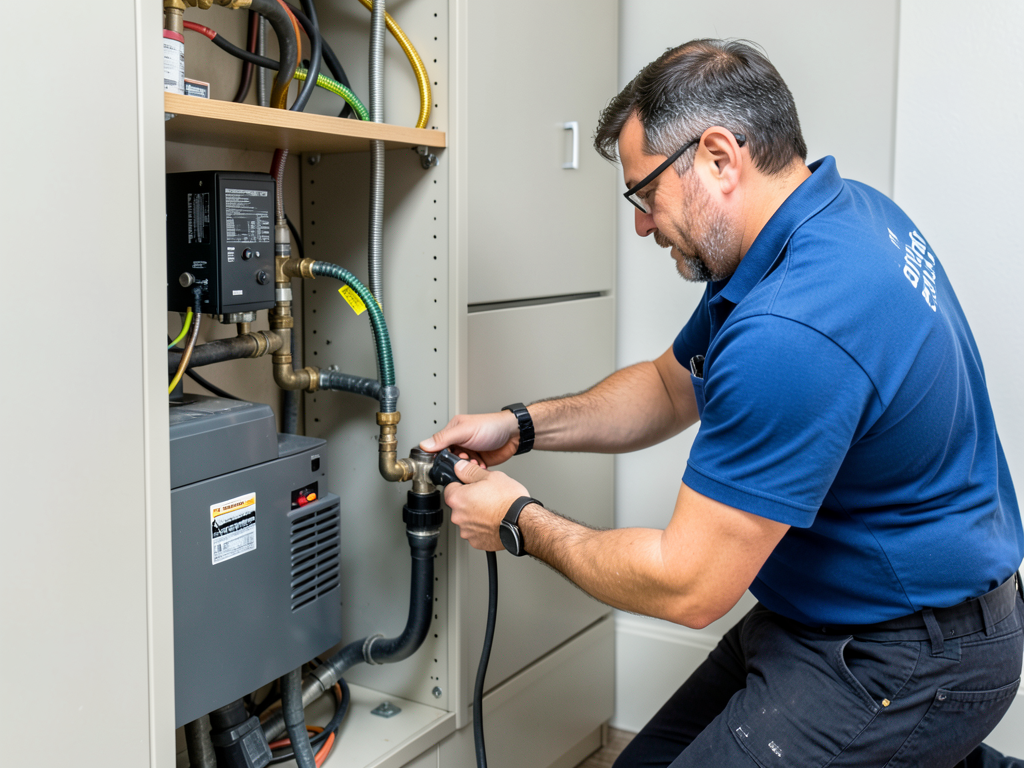
Fixing a Clogged Condensate Drain Line in Your Southside Condo
Your AC just shut off and water is pooling under the air handler. That’s the float switch doing its job—preventing a flood. In Jacksonville’s humid climate, a clogged condensate drain line is one of the most common causes of AC failures in Southside condos. This guide shows you how to spot the warning signs, what causes the clogs, and when it’s time to call a professional before water damage spreads through your unit. How to Get Your Tankless Water Heater Installed at Jacksonville Beach.
Signs Your AC Drain Line is Clogged
The first clue is usually water. You might see it in the emergency drain pan under your air handler or notice damp spots on your ceiling. A musty smell often follows, caused by algae and mold growing inside the PVC line. Many newer Florida systems have a float switch that automatically shuts off the AC when water backs up—if your unit suddenly stops cooling, check the drain line first. Florida Building Code.
Other signs include: the AC running constantly without cooling effectively, visible water stains near vents, or the secondary drain line (usually near the roofline) dripping continuously. In Southside’s older condo buildings near Baymeadows, these lines often run through shared walls, so a clog can affect multiple units if left untreated. The Best Drain Cleaning Companies for Clogged Pipes in San Marco.
Why Jacksonville’s Humidity Causes Frequent Drain Clogs
Southside sits in one of the most humid corridors in Northeast Florida. During summer months, relative humidity often exceeds 85%, creating perfect conditions for algae and biofilm to form inside your condensate line. The constant moisture combined with Florida’s warm temperatures means biological growth happens faster here than in drier climates.
Most Southside condos use PVC drain lines that run from the air handler to an exterior wall. These lines lack the steep slope found in northern homes, so water moves slowly and gives algae more time to cling to the pipe walls. Over time, this creates a white slime—technically called biofilm—that narrows the pipe until water backs up into your emergency pan. Get Rid of Hard Water for Good with a Water Softener Installation in Ponte Vedra.
Condo buildings near the St. Johns River basin face additional challenges. The river’s proximity increases ambient moisture, and many Southside units have attic-mounted air handlers where drain lines are harder to inspect. Without regular maintenance, a small clog can turn into a major water damage event within days.
DIY vs. Professional Drain Cleaning
Before calling a plumber, you can try clearing minor clogs yourself. The vinegar method works for surface algae: pour one cup of distilled white vinegar into the drain line access point (usually a T-shaped vent near the air handler). Let it sit for 30 minutes, then flush with warm water. For tougher clogs, use a wet-dry vacuum on the exterior drain line—seal the connection with duct tape for better suction.
However, DIY methods have limits. If the clog is deep in the line or caused by sludge rather than algae, vinegar won’t reach it. Using bleach is controversial—while it kills mold, it can degrade PVC seals and create harmful fumes in enclosed spaces. For Southside condo owners, the risk of water damage to shared walls makes professional cleaning often the safer choice.
| Method | Best For | Success Rate | Risk Level |
|---|---|---|---|
| Vinegar Flush | Surface algae | 40-60% | Low |
| Wet-Dry Vacuum | Near-line clogs | 50-70% | Medium |
| Professional Nitrogen Flush | Deep clogs | 90%+ | Low |
Our Jacksonville Drain Cleaning Process
Professional cleaning starts with a complete system inspection. We check the float switch operation, inspect the emergency pan for cracks, and use a borescope camera to locate the exact clog position. For Southside condos, we pay special attention to shared wall penetrations where drain lines pass through fire-rated assemblies.
The cleaning process uses high-pressure nitrogen or CO2 to blow out the line—this method is gentler on PVC than mechanical snaking and reaches clogs up to 50 feet deep. We then apply an EPA-registered antimicrobial treatment that prevents regrowth for up to six months. The entire service typically takes 30-45 minutes for a standard condo unit. EPA mold guidelines.
After cleaning, we test the system by running the AC for 15 minutes and checking for proper drainage. We also verify that the float switch resets correctly and that the secondary drain line flows freely. For units near Baymeadows Road where afternoon thunderstorms are common, we recommend scheduling cleaning in early May before peak cooling season. Running Toilet Repair.
Maintenance Tips to Prevent Future Backups
Prevention is cheaper than emergency repairs. Change your HVAC filter every 30-45 days during cooling season—dirty filters reduce airflow and cause the evaporator coil to freeze, producing excess condensation. Install condensate pan tablets (also called algae strips) in the emergency pan; these slowly dissolve and treat the water before it enters the drain line.
For Southside condo owners, consider a bi-annual professional cleaning—once before summer and once after hurricane season. The post-storm cleaning removes debris that may have entered through roof vents during high winds. If your unit has a condensate pump (common in basement or first-floor installations), clean the pump reservoir monthly to prevent sludge buildup.
Keep the area around your air handler clear. Many Southside condos have stacked units in utility closets where stored items can block airflow or damage drain lines. Mark your calendar for April maintenance—getting ahead of the June-August humidity spike can prevent the most common summer AC failures.
When to Call a Professional Immediately
Call a plumber if you see water spreading beyond the drain pan, smell burning plastic (indicating the float switch is overheating), or if DIY methods fail after two attempts. In Southside’s older buildings, water can travel through wall cavities and affect neighboring units within hours.
Don’t wait if your AC won’t turn on and you hear clicking sounds from the float switch—this indicates the switch is trying to reset but can’t due to a severe clog. For condos near the Avenues Mall area where units share common plumbing chases, a delay can mean damage to multiple floors.
Professional service includes water damage assessment. If drywall is already damp, we can recommend restoration specialists who understand Jacksonville’s building codes for moisture remediation. The cost of immediate professional cleaning is minimal compared to mold remediation, which can exceed $5,000 in Florida’s humid climate.
Understanding Your Condo’s AC System
Southside condos vary widely in age and design. Units built before 2000 often have horizontal air handlers in attics with long, winding drain lines prone to sagging. Newer buildings near St. Johns Bluff may have vertical air handlers with shorter, more direct drain paths but share condensate lines between multiple units.
Know your system type: attic-mounted units require ladder access for drain cleaning, while closet-mounted units allow easier DIY maintenance. Check your condo documents—some associations prohibit homeowners from accessing roof vents or exterior drain lines. If you’re unsure, a quick call to your property manager can prevent accidental damage to shared systems. Quick Slab Leak Detection and Repair for Homeowners in Southside.
For units with secondary drain lines that terminate near windows, watch for dripping during normal operation. A constantly dripping secondary line indicates your primary drain is clogged. This is especially common in buildings along Southside Boulevard where afternoon sea breezes increase cooling loads.
Cost Factors and What to Expect
Professional drain cleaning in Southside typically costs $150-250, depending on accessibility and clog severity. Emergency service (nights/weekends) adds $75-100. If water damage is present, the plumber may need to coordinate with restoration specialists, which can extend the service time to 2-3 hours.
Many Southside condo associations cover drain line maintenance for exterior portions, but homeowners are responsible for the connection to the air handler. Check your HOA agreement—some buildings have maintenance contracts that include annual drain cleaning. For units in buildings near the University of North Florida, student tenants should verify responsibility with landlords before scheduling service.
Preventive maintenance contracts cost $200-300 annually and include two cleanings plus system inspections. Given Jacksonville’s humidity, this investment often pays for itself by preventing a single major water damage incident.
Frequently Asked Questions
Can I use bleach instead of vinegar to clean my AC drain line?
Bleach kills mold but can damage PVC pipes and create harmful fumes. Vinegar is safer for both your plumbing and indoor air quality. For severe biological growth, professional antimicrobial treatments are more effective than household chemicals.
How often should I clean my condensate drain line?
In Jacksonville’s climate, clean it every 3-4 months during cooling season. If you have pets or live near trees that produce pollen, you may need monthly cleaning. Condo owners should check their association guidelines, as some buildings have specific maintenance schedules.
What if my AC has a condensate pump?
Condensate pumps add another failure point. Clean the pump reservoir monthly and listen for unusual noises—grinding or humming often indicates a failing motor. Pumps in Southside condos near flood-prone areas should be checked before hurricane season, as power outages can cause backups when the pump loses power.
Why does my secondary drain line drip when the AC runs?
This is a sign your primary drain line is clogged. The secondary line is a safety feature that activates when water backs up. Don’t ignore it—continued operation can lead to overflow and water damage to your ceiling or walls.
Take Action Before the Next Downpour
Don’t let a clogged drain line turn your Southside condo into a water damage nightmare. The humidity that makes Jacksonville beautiful also makes your AC system work harder and clog faster. Whether you need immediate service or want to schedule preventive maintenance, professional help is just a phone call away.
Call (904) 839-7199 today to schedule your inspection. Our technicians understand the unique challenges of Southside condos and can often arrive within two hours for emergency calls. Don’t wait until water is dripping through your ceiling—prevent the problem before it starts.
Pick up the phone and call (904) 839-7199 before the next storm hits. Your AC system works hard to keep you comfortable in Florida’s heat—make sure it can drain properly too.
{
“@context”: “https://schema.org”,
“@type”: “BlogPosting”,
“headline”: “Fixing a Clogged Condensate Drain Line in Your Southside Condo”,
“description”: “Learn how Jacksonville’s humidity causes AC drain clogs and when to call a pro. Local service for Southside condos with fast, reliable drain cleaning.”,
“wordCount”: 1694,
“datePublished”: “2026-04-23T15:33:00.000Z”,
“dateModified”: “2026-04-23T15:33:00.000Z”,
“inLanguage”: “en-US”,
“mainEntityOfPage”: {
“@type”: “WebPage”,
“@id”: “https://titanplumbingjacksonville.com”
},
“publisher”: {
“@type”: “LocalBusiness”,
“name”: “Titan Plumbing Jacksonville”,
“url”: “https://titanplumbingjacksonville.com”
},
“author”: {
“@type”: “Organization”,
“name”: “Titan Plumbing Jacksonville”,
“url”: “https://titanplumbingjacksonville.com”
},
“image”: {
“@type”: “ImageObject”,
“url”: “https://titanplumbingjacksonville.com/wp-content/uploads/2026/03/fixing-a-clogged-condensate-drain-line-in-your-sou-1.png”
}
}
{
“@context”: “https://schema.org”,
“@type”: “Plumber”,
“name”: “Titan Plumbing Jacksonville”,
“url”: “https://titanplumbingjacksonville.com”,
“address”: {
“@type”: “PostalAddress”,
“addressLocality”: “Jacksonville”
},
“areaServed”: {
“@type”: “City”,
“name”: “Jacksonville”
}
}
{
“@context”: “https://schema.org”,
“@type”: “FAQPage”,
“mainEntity”: [
{
“@type”: “Question”,
“name”: “Can I use bleach instead of vinegar to clean my AC drain line?”,
“acceptedAnswer”: {
“@type”: “Answer”,
“text”: “Bleach kills mold but can damage PVC pipes and create harmful fumes. Vinegar is safer for both your plumbing and indoor air quality. For severe biological growth, professional antimicrobial treatments are more effective than household chemicals.”
}
},
{
“@type”: “Question”,
“name”: “How often should I clean my condensate drain line?”,
“acceptedAnswer”: {
“@type”: “Answer”,
“text”: “In Jacksonville’s climate, clean it every 3-4 months during cooling season. If you have pets or live near trees that produce pollen, you may need monthly cleaning. Condo owners should check their association guidelines, as some buildings have specific maintenance schedules.”
}
},
{
“@type”: “Question”,
“name”: “What if my AC has a condensate pump?”,
“acceptedAnswer”: {
“@type”: “Answer”,
“text”: “Condensate pumps add another failure point. Clean the pump reservoir monthly and listen for unusual noises—grinding or humming often indicates a failing motor. Pumps in Southside condos near flood-prone areas should be checked before hurricane season, as power outages can cause backups when the pump loses power.”
}
},
{
“@type”: “Question”,
“name”: “Why does my secondary drain line drip when the AC runs?”,
“acceptedAnswer”: {
“@type”: “Answer”,
“text”: “This is a sign your primary drain line is clogged. The secondary line is a safety feature that activates when water backs up. Don’t ignore it—continued operation can lead to overflow and water damage to your ceiling or walls.”
}
}
]
}
{
“@context”: “https://schema.org”,
“@type”: “BreadcrumbList”,
“itemListElement”: [
{
“@type”: “ListItem”,
“position”: 1,
“name”: “Home”,
“item”: “https://titanplumbingjacksonville.com”
},
{
“@type”: “ListItem”,
“position”: 2,
“name”: “Blog”,
“item”: “https://titanplumbingjacksonville.com/blog”
},
{
“@type”: “ListItem”,
“position”: 3,
“name”: “Fixing a Clogged Condensate Drain Line in Your Southside Condo”
}
]
}
{
“@context”: “https://schema.org”,
“@type”: “Service”,
“serviceType”: “Plumbing”,
“provider”: {
“@type”: “LocalBusiness”,
“name”: “Titan Plumbing Jacksonville”,
“url”: “https://titanplumbingjacksonville.com”
},
“areaServed”: {
“@type”: “City”,
“name”: “Jacksonville”
},
“description”: “Learn how Jacksonville’s humidity causes AC drain clogs and when to call a pro. Local service for Southside condos with fast, reliable drain cleaning.”
}