
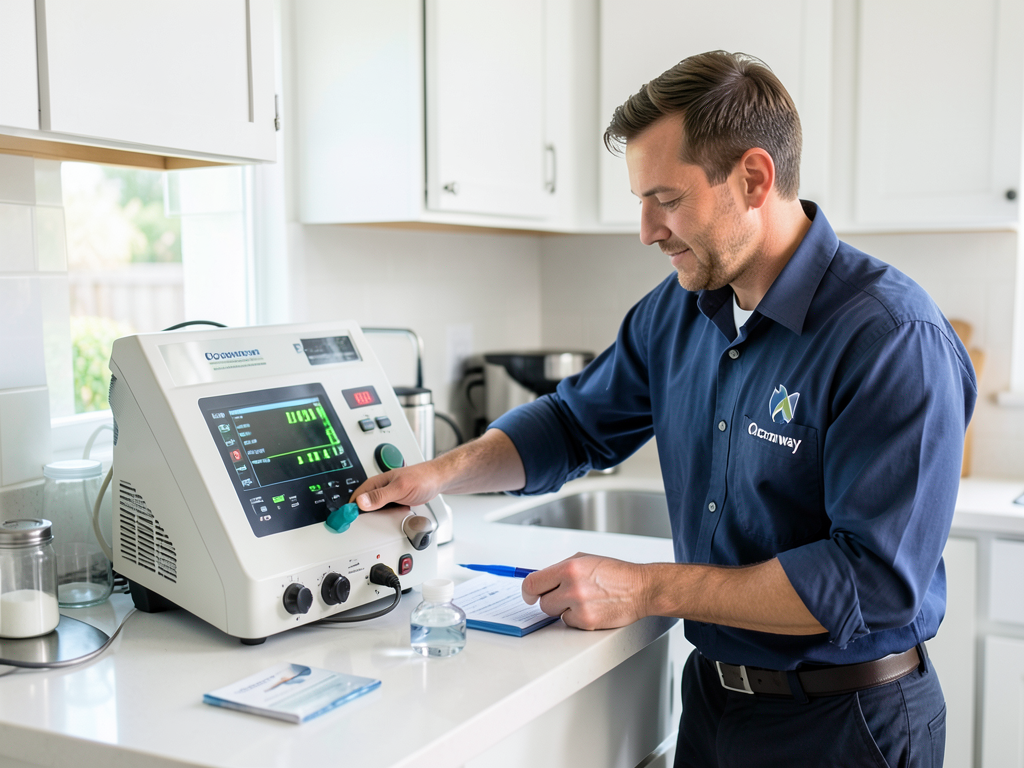
Oceanway Residents: That Rotten Egg Smell Is More Common Than You Think
If you live in Oceanway and your tap water smells like rotten eggs, you’re not imagining things. That distinctive sulfur odor is actually one of the most common water quality complaints in Northeast Florida, especially in neighborhoods built near the St. Johns River and its tributaries. Florida Department of Health Private Well Testing.
The culprit is hydrogen sulfide gas (H2S), which can occur naturally in Florida’s groundwater. Oceanway’s proximity to the river and its sandy, organic-rich soil creates the perfect conditions for this gas to develop in your water supply. While the smell is unpleasant, understanding where it comes from is the first step to solving the problem. How to Get Your Tankless Water Heater Installed at Jacksonville Beach.
Many Oceanway homeowners notice the smell more in the morning when they first turn on the tap, or when using hot water. This pattern actually provides important clues about the source of the problem. Before you reach for expensive water treatment systems, let’s walk through how to identify exactly what’s causing that rotten egg smell in your Oceanway home. Get Rid of Hard Water for Good with a Water Softener Installation in Ponte Vedra.
Call (904) 839-7199 today to schedule your inspection.
Is Sulfur Water in Oceanway Dangerous to Your Health?
The rotten egg smell comes from hydrogen sulfide gas, which forms when sulfur-reducing bacteria break down organic matter in low-oxygen environments. In Oceanway’s groundwater system, these bacteria thrive in the sandy soil and organic deposits common to our area.
The good news is that hydrogen sulfide levels typically found in residential water supplies are not considered hazardous to health. The EPA classifies it as a secondary contaminant, meaning it affects water’s taste, odor, and appearance rather than posing direct health risks at typical concentrations. EPA National Primary Drinking Water Regulations.
However, there are situations where you should be concerned. If the smell is extremely strong, if your water also appears discolored, or if you notice a sudden change in water quality, you should have your water tested. High concentrations of hydrogen sulfide can corrode plumbing fixtures and may indicate other water quality issues. Plumbing Macclenny.
Oceanway residents who rely on private wells should be particularly vigilant, as well water is more susceptible to hydrogen sulfide contamination than municipal water supplies. The Florida Department of Health recommends annual testing for private well owners, especially if you notice any changes in your water’s smell, taste, or appearance.
Local water quality data shows that Oceanway and surrounding areas occasionally experience elevated sulfur levels, particularly after heavy rains when organic matter gets flushed into the groundwater system. This is why some Oceanway homeowners notice the smell is worse during Florida’s rainy season.
3 Ways to Identify the Source of the Sulfur Smell in Your Oceanway Home
Before investing in water treatment, you need to determine where the smell is coming from. Here’s a simple diagnostic process that Jacksonville plumbers use to identify sulfur odor sources:
- The Cold Water Test
Turn on your cold water tap and let it run for 30 seconds. Smell the water directly from the tap. If the rotten egg smell is present in cold water, the problem likely originates from your water source or the pipes leading to your home.
- The Hot Water Test
Now test your hot water by running the hot tap for 30 seconds. If the smell is much stronger in hot water or only present when using hot water, your water heater is likely the source. The warm, dark environment inside water heaters is perfect for sulfur-reducing bacteria. Running Toilet Repair.
- The Drain Test
Fill a clean glass with cold tap water and take it to another room. If the smell disappears when the water is separated from the drain, the odor is likely coming from your drain, not your water supply. Organic buildup in drains can create sulfur-like odors that mimic water quality problems. The Best Drain Cleaning Companies for Clogged Pipes in San Marco.
Oceanway homes built in the 1980s and 1990s often have galvanized steel pipes that can accumulate mineral deposits and organic matter, creating ideal conditions for sulfur-producing bacteria. If your home falls into this category, pipe corrosion could be contributing to the smell.
Another common source in Oceanway is the sacrificial anode rod in your water heater. Many water heaters come with magnesium anode rods that can react with sulfate in the water to produce hydrogen sulfide gas. This is especially common in areas with naturally high sulfate levels, like parts of Northeast Florida.
Understanding which test your home passes helps narrow down the solution. A smell in both hot and cold water suggests a source water issue, while a smell only in hot water points to your water heater. A smell only from the drain indicates a plumbing maintenance issue rather than a water quality problem.
Why Oceanway’s Water Quality Creates Perfect Conditions for Sulfur Odors
Oceanway’s location along the St. Johns River means our groundwater contains higher levels of organic matter and sulfate than many other Jacksonville neighborhoods. The river’s influence, combined with our area’s sandy soil composition, creates conditions where sulfur-reducing bacteria thrive.
The Floridan Aquifer, which supplies much of Northeast Florida’s groundwater, naturally contains dissolved sulfate minerals. When this water encounters sulfur-reducing bacteria in pipes, wells, or water heaters, hydrogen sulfide gas forms. Oceanway’s proximity to the river means our aquifer water often has elevated sulfate levels compared to inland areas.
Local water quality reports from JEA show that Oceanway occasionally experiences sulfate levels that, while within safe drinking water standards, are high enough to contribute to sulfur odors when combined with bacterial activity. The sandy soil in our area also allows more oxygen exchange, which can accelerate certain chemical reactions that produce hydrogen sulfide.
Many Oceanway homes were built during periods of rapid development in the 1980s and 1990s. These homes often have plumbing systems that are now 25-40 years old, making them more susceptible to the buildup of organic matter and mineral deposits that harbor sulfur-producing bacteria.
Seasonal factors also play a role. During Florida’s rainy season, increased groundwater flow can stir up sediment and organic matter, temporarily increasing sulfur odors. This is why some Oceanway residents notice the smell is worse during summer months or after heavy rainfall events.
Professional Solutions for Sulfur Removal in Oceanway Homes
Once you’ve identified the source of your sulfur smell, several proven solutions can eliminate the problem. The right approach depends on whether the issue is in your water heater, your pipes, or your water source.
For water heater-related sulfur odors, replacing the magnesium anode rod with an aluminum-zinc rod often solves the problem. These rods resist the chemical reactions that produce hydrogen sulfide while still protecting your water heater from corrosion. This is a common fix for Oceanway homes where the smell is only present in hot water.
If bacteria in your pipes are the source, a professional chlorination treatment can eliminate the problem. This process involves introducing a controlled amount of chlorine to your plumbing system to kill sulfur-reducing bacteria. Many Oceanway homeowners see results that last for several months to a year after treatment.
For source water issues affecting both hot and cold water, whole-house filtration systems offer the most comprehensive solution. Air injection oxidizing (AIO) filters are particularly effective for Oceanway’s water conditions. These systems inject air into the water, converting dissolved hydrogen sulfide into solid particles that can be filtered out.
Activated carbon filters can also remove hydrogen sulfide, though they work best for lower concentrations. For Oceanway homes with severe sulfur problems, a combination of AIO filtration followed by carbon polishing often provides the best results.
Well owners in Oceanway may need more robust solutions. Shock chlorination of the well itself, combined with continuous disinfection systems using hydrogen peroxide or chlorine injection, can keep sulfur bacteria under control. These systems require professional installation and maintenance to ensure they work effectively without creating other water quality issues.
Modern water treatment technology has made sulfur removal more affordable and effective than ever. Many Oceanway homeowners find that investing in proper treatment not only eliminates the odor but also protects their plumbing fixtures from the corrosive effects of hydrogen sulfide.
When to Call a Professional Jacksonville Plumber for Sulfur Odors
While some sulfur smell solutions are DIY-friendly, certain situations require professional expertise. Here’s when you should call a licensed Jacksonville plumber:
- Sudden onset of strong odor – A rapid change in water quality could indicate a broken pipe or contamination issue requiring immediate attention
- Discolored water – If your water appears yellow, brown, or has particles along with the sulfur smell, you may have corrosion or sediment issues
- Multiple fixture involvement – When the smell affects all taps throughout your home, the problem is likely in your main water supply or well
- Failed DIY attempts – If you’ve tried basic fixes like anode rod replacement without success, professional diagnosis can identify the real source
- Well water issues – Private well owners should always consult professionals for persistent water quality problems
Oceanway residents should also consider professional help if they’re experiencing other water quality issues alongside the sulfur smell, such as low water pressure, strange tastes, or staining on fixtures. These symptoms often indicate underlying plumbing problems that require expert diagnosis.
Professional plumbers can perform comprehensive water testing to determine exact hydrogen sulfide levels and identify any other contaminants present. This testing is particularly important for well owners in Oceanway, as it helps determine the most effective treatment approach for your specific water chemistry.
When selecting a plumber for sulfur odor issues, look for contractors with experience in water quality problems specific to Northeast Florida. They should be familiar with local water conditions, building codes, and the most effective treatment options for our area’s unique challenges.
Call (904) 839-7199 today to schedule your inspection.
Preventing Future Sulfur Odors in Your Oceanway Home
Once you’ve eliminated the sulfur smell, taking preventive measures can help keep it from returning. Regular maintenance of your water heater, including annual flushing and anode rod inspection, prevents the conditions that allow sulfur bacteria to thrive.
For well owners in Oceanway, maintaining your wellhead and ensuring proper sealing prevents surface contamination that can introduce sulfur bacteria into your water supply. Installing a continuous disinfection system may be worthwhile if you experience recurring sulfur issues.
Consider having your plumbing system inspected if your home is over 20 years old. Older galvanized pipes can accumulate scale and organic matter that harbors bacteria. Replacing problem sections with modern materials can prevent future sulfur odor issues.
Oceanway’s water quality can change seasonally, so being aware of when you typically notice sulfur odors helps you anticipate and address problems before they become severe. Many homeowners find that scheduling preventive maintenance before Florida’s rainy season helps minimize summer sulfur issues.
Water treatment systems require regular maintenance to remain effective. Whether you have a simple carbon filter or a complex AIO system, following the manufacturer’s maintenance schedule ensures continued protection against sulfur odors.
Understanding that sulfur odors are a common issue in Oceanway can help you approach the problem calmly and methodically. With proper diagnosis and treatment, you can enjoy fresh-smelling water year-round while protecting your plumbing investment.
Frequently Asked Questions
Why does my hot water smell worse than cold water?
Hot water accelerates the chemical reactions that produce hydrogen sulfide gas and creates a warm environment where sulfur-reducing bacteria thrive. Your water heater’s anode rod can also react with sulfates in the water to produce the characteristic rotten egg smell.
Can I shower in water that smells like sulfur?
Yes, water with sulfur odors is generally safe for bathing and showering. The hydrogen sulfide levels typically found in residential water supplies are not considered hazardous to skin or health. However, if the smell is extremely strong or you notice other water quality issues, you may want to have your water tested.
How much does it cost to fix sulfur-smelling water in Oceanway?
Costs vary depending on the source and solution. Simple fixes like anode rod replacement might cost $150-300, while whole-house filtration systems typically range from $1,500-3,500 installed. Well treatment systems can cost $2,000-5,000 depending on the complexity required for your specific situation.
Will a water softener remove the sulfur smell?
Standard water softeners do not remove hydrogen sulfide gas. While they can address some related issues like iron that often accompanies sulfur in water, you’ll need specialized filtration systems like AIO filters or activated carbon systems to eliminate the rotten egg odor.
How long does sulfur odor treatment last?
The longevity of treatment depends on the solution implemented. Anode rod replacement might solve the problem for several years, while well disinfection typically lasts 6-12 months. Whole-house filtration systems can provide years of protection with proper maintenance, though filter media will need periodic replacement.
Take Action Against Sulfur Odors Today
Living with rotten egg-smelling water doesn’t have to be your reality. Oceanway homeowners have several effective options for eliminating sulfur odors and enjoying fresh, clean-smelling water throughout their homes.
The first step is proper diagnosis to identify whether your sulfur smell originates from your water heater, pipes, or water source. This determination guides the most cost-effective solution for your specific situation.
Professional water testing can provide peace of mind by confirming that your sulfur levels are within safe ranges while identifying any other water quality issues that might need attention. This is especially important for well owners in Oceanway who may be more susceptible to groundwater contamination.
Modern water treatment technology offers solutions that are more effective and affordable than ever before. Whether you need a simple anode rod replacement or a comprehensive whole-house filtration system, experienced Jacksonville plumbers can recommend the right approach for your home and budget.
Don’t let sulfur odors continue to affect your daily life. The solution might be simpler and more affordable than you think. Call (904) 839-7199 today to schedule your inspection and take the first step toward fresh-smelling water in your Oceanway home.
Pick up the phone and call (904) 839-7199 before the next storm hits. Oceanway’s rainy season can make sulfur odors worse, but we can help you stay ahead of the problem with professional diagnosis and treatment.
You may also find this helpful. Why Your Bathroom Smells Like a Sewer Even After You Just Cleaned It.
{
“@context”: “https://schema.org”,
“@type”: “BlogPosting”,
“headline”: “Why the Water in Your Oceanway Home Smells Like Rotten Eggs (And How to Fix It)”,
“description”: “Discover why Oceanway homes have sulfur-smelling water and learn proven fixes from Jacksonville plumbers. Get expert solutions for rotten egg odors today.”,
“wordCount”: 2386,
“datePublished”: “2026-03-25T14:02:00.000Z”,
“dateModified”: “2026-03-25T14:02:00.000Z”,
“inLanguage”: “en-US”,
“mainEntityOfPage”: {
“@type”: “WebPage”,
“@id”: “https://titanplumbingjacksonville.com”
},
“publisher”: {
“@type”: “LocalBusiness”,
“name”: “Titan Plumbing Jacksonville”,
“url”: “https://titanplumbingjacksonville.com”
},
“author”: {
“@type”: “Organization”,
“name”: “Titan Plumbing Jacksonville”,
“url”: “https://titanplumbingjacksonville.com”
},
“image”: {
“@type”: “ImageObject”,
“url”: “https://titanplumbingjacksonville.com/wp-content/uploads/2026/03/why-the-water-in-your-oceanway-home-smells-like-ro-1.png”
}
}
{
“@context”: “https://schema.org”,
“@type”: “Plumber”,
“name”: “Titan Plumbing Jacksonville”,
“url”: “https://titanplumbingjacksonville.com”,
“address”: {
“@type”: “PostalAddress”,
“addressLocality”: “Jacksonville”
},
“areaServed”: {
“@type”: “City”,
“name”: “Jacksonville”
}
}
{
“@context”: “https://schema.org”,
“@type”: “FAQPage”,
“mainEntity”: [
{
“@type”: “Question”,
“name”: “Is Sulfur Water in Oceanway Dangerous to Your Health?”,
“acceptedAnswer”: {
“@type”: “Answer”,
“text”: “The rotten egg smell comes from hydrogen sulfide gas, which forms when sulfur-reducing bacteria break down organic matter in low-oxygen environments. In Oceanway’s groundwater system, these bacteria thrive in the sandy soil and organic deposits common to our area.”
}
},
{
“@type”: “Question”,
“name”: “Why does my hot water smell worse than cold water?”,
“acceptedAnswer”: {
“@type”: “Answer”,
“text”: “Hot water accelerates the chemical reactions that produce hydrogen sulfide gas and creates a warm environment where sulfur-reducing bacteria thrive. Your water heater’s anode rod can also react with sulfates in the water to produce the characteristic rotten egg smell.”
}
},
{
“@type”: “Question”,
“name”: “Can I shower in water that smells like sulfur?”,
“acceptedAnswer”: {
“@type”: “Answer”,
“text”: “Yes, water with sulfur odors is generally safe for bathing and showering. The hydrogen sulfide levels typically found in residential water supplies are not considered hazardous to skin or health. However, if the smell is extremely strong or you notice other water quality issues, you may want to have your water tested.”
}
},
{
“@type”: “Question”,
“name”: “How much does it cost to fix sulfur-smelling water in Oceanway?”,
“acceptedAnswer”: {
“@type”: “Answer”,
“text”: “Costs vary depending on the source and solution. Simple fixes like anode rod replacement might cost $150-300, while whole-house filtration systems typically range from $1,500-3,500 installed. Well treatment systems can cost $2,000-5,000 depending on the complexity required for your specific situation.”
}
},
{
“@type”: “Question”,
“name”: “Will a water softener remove the sulfur smell?”,
“acceptedAnswer”: {
“@type”: “Answer”,
“text”: “Standard water softeners do not remove hydrogen sulfide gas. While they can address some related issues like iron that often accompanies sulfur in water, you’ll need specialized filtration systems like AIO filters or activated carbon systems to eliminate the rotten egg odor.”
}
},
{
“@type”: “Question”,
“name”: “How long does sulfur odor treatment last?”,
“acceptedAnswer”: {
“@type”: “Answer”,
“text”: “The longevity of treatment depends on the solution implemented. Anode rod replacement might solve the problem for several years, while well disinfection typically lasts 6-12 months. Whole-house filtration systems can provide years of protection with proper maintenance, though filter media will need periodic replacement.”
}
}
]
}
{
“@context”: “https://schema.org”,
“@type”: “HowTo”,
“name”: “How to Identify Sulfur Smell Source”,
“step”: [
{
“@type”: “HowToStep”,
“position”: 1,
“name”: “The Cold Water Test”,
“text”: “Turn on your cold water tap and let it run for 30 seconds. Smell the water directly from the tap. If the rotten egg smell is present in cold water, the problem likely originates from your water source or the pipes leading to your home.”
},
{
“@type”: “HowToStep”,
“position”: 2,
“name”: “The Hot Water Test”,
“text”: “Now test your hot water by running the hot tap for 30 seconds. If the smell is much stronger in hot water or only present when using hot water, your water heater is likely the source. The warm, dark environment inside water heaters is perfect for sulfur-reducing bacteria. Running Toilet Repair.”
},
{
“@type”: “HowToStep”,
“position”: 3,
“name”: “The Drain Test”,
“text”: “Fill a clean glass with cold tap water and take it to another room. If the smell disappears when the water is separated from the drain, the odor is likely coming from your drain, not your water supply. Organic buildup in drains can create sulfur-like odors that mimic water quality problems. The Best Drain Cleaning Companies for Clogged Pipes in San Marco.”
}
],
“image”: “https://titanplumbingjacksonville.com/wp-content/uploads/2026/03/why-the-water-in-your-oceanway-home-smells-like-ro-1.png”
}
{
“@context”: “https://schema.org”,
“@type”: “BreadcrumbList”,
“itemListElement”: [
{
“@type”: “ListItem”,
“position”: 1,
“name”: “Home”,
“item”: “https://titanplumbingjacksonville.com”
},
{
“@type”: “ListItem”,
“position”: 2,
“name”: “Blog”,
“item”: “https://titanplumbingjacksonville.com/blog”
},
{
“@type”: “ListItem”,
“position”: 3,
“name”: “Why the Water in Your Oceanway Home Smells Like Rotten Eggs (And How to Fix It)”
}
]
}
{
“@context”: “https://schema.org”,
“@type”: “Service”,
“serviceType”: “Plumbing”,
“provider”: {
“@type”: “LocalBusiness”,
“name”: “Titan Plumbing Jacksonville”,
“url”: “https://titanplumbingjacksonville.com”
},
“areaServed”: {
“@type”: “City”,
“name”: “Jacksonville”
},
“description”: “Discover why Oceanway homes have sulfur-smelling water and learn proven fixes from Jacksonville plumbers. Get expert solutions for rotten egg odors today.”
}