
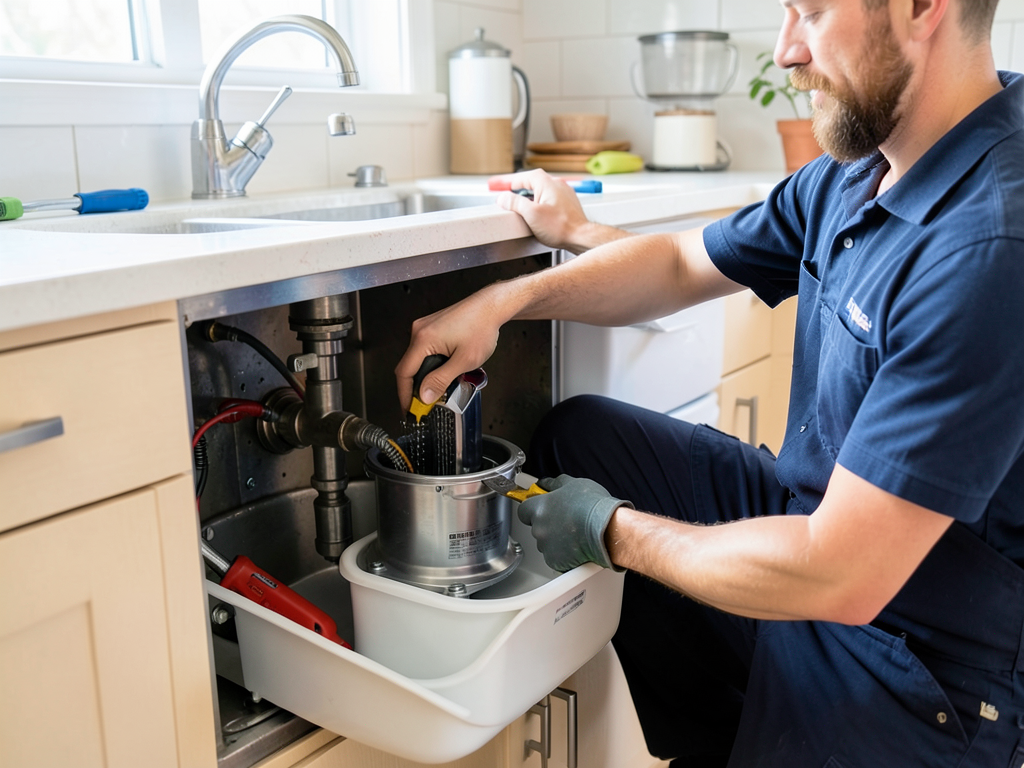
Five Things You Should Never Put Down the Garbage Disposal During a Big Family Dinner
Family dinners in Jacksonville often mean big meals and lots of cleanup. Your garbage disposal works hard, but it cannot handle everything. Putting the wrong foods down the drain can cause clogs, damage the motor, or even lead to expensive plumbing repairs. Hard water in Jacksonville makes these problems worse by creating mineral buildup that traps food particles and slows drainage. How to Get Your Tankless Water Heater Installed at Jacksonville Beach.
Before your next big gathering, know what to keep out of the disposal. This guide covers the five worst offenders and how Jacksonville’s unique water conditions affect your plumbing. Protect your system and avoid emergency calls to your plumber. Get Rid of Hard Water for Good with a Water Softener Installation in Ponte Vedra.
Why Hard Water in Jacksonville Makes Garbage Disposal Problems Worse
Jacksonville’s water contains high levels of calcium and magnesium. These minerals form limescale inside pipes and appliances. When you put starchy or greasy foods down the disposal, the limescale creates a sticky surface where debris collects. Over time, this buildup narrows pipes and causes slow drainage or complete blockages. The Best Drain Cleaning Companies for Clogged Pipes in San Marco.
Hard water also reduces the effectiveness of soaps and detergents. This means food particles are less likely to break down completely, leaving residue that sticks to pipe walls. If your home has older galvanized pipes, the problem compounds because rust and corrosion provide even more surface area for debris to cling to.
According to the U.S. Geological Survey, Jacksonville’s water hardness averages between 180-300 parts per million, which falls in the “very hard” category. This means local homeowners need to be extra careful about what goes down the drain. U.S. Geological Survey water hardness information.
Five Foods That Can Ruin Your Garbage Disposal
1. Fibrous Vegetables Like Celery and Asparagus
Fibrous vegetables create long, stringy strands that wrap around the disposal blades. When the motor spins, these strands tangle and jam the mechanism. Celery, asparagus, corn husks, and artichoke leaves are common culprits.
In Jacksonville, where humidity keeps produce fresh longer, these vegetables are often part of holiday meals. The fibrous material not only jams the disposal but also catches on mineral deposits inside pipes, creating stubborn clogs.
Pro Tip: Compost fibrous vegetables instead. If you must dispose of them, cut them into tiny pieces and run plenty of cold water.
2. Starchy Foods Like Pasta, Rice, and Potato Peels
Starchy foods absorb water and expand. When you put pasta, rice, or potato peels down the disposal, they swell inside pipes. This creates a thick, paste-like substance that sticks to pipe walls and traps other debris.
Jacksonville’s hard water makes this worse because minerals interact with starch to form an even stickier compound. The paste can harden over time, creating blockages that require professional removal.
Pro Tip: Scrape starchy leftovers into the trash. If you accidentally put some down the disposal, run cold water for several minutes afterward to flush the pipes.
3. Hard Materials Like Bones, Fruit Pits, and Shells
Hard materials can damage or break disposal blades. Bones, fruit pits, and shellfish shells are too tough for most residential units. Even small bones can chip the grinding mechanism.
Jacksonville’s coastal location means many families enjoy seafood boils. Shrimp shells, crab claws, and oyster shells are particularly problematic. These materials not only dull blades but also create sharp fragments that can damage pipes.
Pro Tip: Keep a separate container for hard waste. Many Jacksonville restaurants partner with composting services that accept seafood shells.
4. Fats, Oils, and Grease (FOG)
Fats, oils, and grease are the leading cause of kitchen drain problems. When hot, they flow easily down the drain. As they cool, they solidify and coat pipe interiors. This creates a surface where other debris sticks, eventually causing complete blockages.. Read more about Why Your Kitchen Sink Gurgles When the Dishwasher Runs.
Jacksonville’s JEA sewer system specifically warns against FOG disposal because it contributes to the city’s sewer backups. The city spends thousands annually on FOG-related maintenance. JEA guidelines on fats, oils, and grease disposal.
Pro Tip: Pour cooled grease into a container and throw it in the trash. For small amounts, wipe pans with paper towels before washing.
5. Coffee Grounds and Eggshells
Contrary to popular belief, coffee grounds do not clean disposals. They create dense, mud-like sediment that settles in pipes. Eggshells break into tiny, sand-like particles that also settle and combine with other debris.
In Jacksonville’s hard water, these materials settle more quickly because minerals help them bind together. The result is a concrete-like substance that’s difficult to remove without professional equipment. Quick Slab Leak Detection and Repair for Homeowners in Southside.
Pro Tip: Coffee grounds make excellent garden compost. Eggshells can be crushed and used as garden fertilizer or thrown in the trash.
What to Do If You Already Put Something Bad Down the Disposal
Accidentally put one of these foods down your disposal? Don’t panic. Follow these steps to minimize damage.
- Stop Using the Disposal
Turn off the unit immediately to prevent further damage.
- Check for Reset Button
Most disposals have a red reset button on the bottom. Press it to see if the motor restarts.
- Manual Rotation
Use an Allen wrench in the bottom socket to manually turn the blades. This can free minor jams.
- Flush with Cold Water
Run cold water for 5-10 minutes to flush debris toward the main sewer line.
- Monitor Performance
If you hear unusual noises or smell burning, turn off the disposal and call a professional.
If the disposal still doesn’t work or you notice slow drainage, you may have a partial blockage. Continuing to use a damaged disposal can cause motor burnout or pipe damage.
Maintenance Tips to Keep Your Disposal Running Smoothly
Regular maintenance prevents most disposal problems. Here are simple steps Jacksonville homeowners can take.
- Run Cold Water Always use cold water when operating the disposal. Cold water keeps fats solid so they can be chopped up and flushed away.
- Clean Monthly Pour a mixture of baking soda and vinegar down the drain. Let it sit for 15 minutes, then flush with hot water.
- Ice Cube Cleaning Once a month, grind ice cubes to clean the blades and scrape buildup from the chamber walls.
- Citrus Freshening Small citrus peels (not fibrous ones) can freshen the disposal and provide mild cleaning action.
- Avoid Chemical Cleaners Harsh chemicals can damage disposal components and pipes. Use enzymatic cleaners instead.
For Jacksonville homes with septic systems, be especially careful about what goes down the drain. Septic tanks cannot handle the same load as municipal sewer systems.
Understanding Your Garbage Disposal’s Limits
Not all disposals are created equal. The horsepower rating determines what your unit can handle.
| Horsepower | Best For | Limitations |
|---|---|---|
| 1/3 HP | Single person, light use | Cannot handle bones or fibrous vegetables |
| 1/2 HP | Couple, occasional use | Struggles with tough materials |
| 3/4 HP | Family of 4, regular use | Can handle softer food waste |
| 1 HP | Large family, frequent cooking | Best for most food waste except hard materials |
Most Jacksonville homes have 1/2 to 3/4 horsepower units. If you frequently cook large meals or have a big family, consider upgrading to a 1 horsepower model. Higher horsepower units have more powerful motors and better blade designs that can handle tougher materials.
Jacksonville-Specific Plumbing Considerations
Jacksonville’s plumbing infrastructure presents unique challenges. The city’s combination of older homes in neighborhoods like Riverside and newer construction in areas like Nocatee means disposal issues vary by location. Plumbing Macclenny.
Older homes often have galvanized steel pipes that corrode from the inside. When you put problematic foods down the disposal in these homes, the combination of corrosion and food waste creates perfect conditions for blockages. The Jacksonville Housing and Community Development Department reports that many homes built before 1980 still have original plumbing that’s reaching the end of its useful life.
New construction in Jacksonville typically uses PVC pipes, which resist corrosion but can still develop problems from FOG and starchy buildup. The key difference is that PVC blockages often form higher in the system, making them easier to clear with professional snaking equipment.
Jacksonville’s hurricane season also affects disposal use. After storms, many residents use generators and may not realize their disposal is working harder than usual. Power surges during restoration can damage disposal motors, making them more susceptible to jams from normal use.
Eco-Friendly Alternatives to Garbage Disposal Use
Instead of risking disposal damage, consider these environmentally friendly options for food waste.
- Backyard Composting Many Jacksonville neighborhoods allow composting. Fruit and vegetable scraps, coffee grounds, and eggshells make excellent compost.
- Community Composting Programs Duval County has several community gardens that accept food waste for composting.
- Curbside Collection Some Jacksonville areas offer yard waste collection that accepts food scraps.
- Animal Feed Certain food waste can be donated to local farms or animal shelters (always check first).
These alternatives keep waste out of landfills and reduce the load on your plumbing system. They also eliminate the risk of disposal damage during busy holiday cooking sessions.
Warning Signs Your Disposal Needs Professional Attention
Sometimes disposal problems go beyond simple clogs. Watch for these warning signs that indicate you need professional help.
- Persistent Odors Foul smells that don’t go away after cleaning may indicate trapped food in pipes or a failing seal.
- Unusual Noises Grinding, rattling, or humming sounds can indicate loose components or motor problems.
- Water Backing Up If water backs up into other drains when you use the disposal, you may have a main line blockage.
- Leaks Under Sink Water under the disposal unit indicates seal failure or cracks in the housing.
- Complete Failure to Start If the reset button doesn’t fix it, the motor or electrical components may need replacement.
According to the Plumbing-Heating-Cooling Contractors Association, attempting DIY repairs on electrical components can be dangerous and may void your warranty. When in doubt, call a professional.
Frequently Asked Questions
Can I put small amounts of these foods down the disposal if I run lots of water?
Even small amounts of problematic foods can cause issues, especially in Jacksonville’s hard water conditions. The water may flush some debris away, but residue often remains to cause future problems. It’s best to avoid these foods entirely.
How often should I replace my garbage disposal?
Most disposals last 8-12 years with proper care. In Jacksonville’s hard water conditions, you might need replacement closer to the 8-year mark. Signs you need a new unit include frequent jams, persistent odors, and reduced grinding efficiency.
Are enzymatic drain cleaners safe for garbage disposals?
Yes, enzymatic cleaners are safe and can help maintain your disposal. They use bacteria to break down organic matter without damaging pipes or disposal components. However, they work slowly and are best used for maintenance rather than emergency clog removal.
Can I install a garbage disposal myself?
While DIY installation is possible, it requires plumbing and electrical knowledge. Improper installation can lead to leaks, electrical hazards, or code violations. For most homeowners, professional installation ensures proper function and warranty protection.
What’s the difference between continuous feed and batch feed disposals?
Continuous feed disposals run as long as the switch is on, allowing you to add waste while operating. Batch feed units only run when the chamber is filled and the stopper is in place. Continuous feed is more common but batch feed offers better safety for homes with children.
Protect Your Jacksonville Home This Holiday Season
Family dinners should be about enjoying time together, not worrying about plumbing disasters. By avoiding these five problematic foods and understanding how Jacksonville’s hard water affects your system, you can prevent most disposal emergencies.
Remember that prevention is always cheaper than repair. A little caution during meal prep can save you hundreds in plumbing bills and the hassle of emergency service calls during busy holiday periods.
If you do experience disposal problems or notice any warning signs mentioned above, don’t wait for the situation to worsen. Professional plumbers in Jacksonville have the tools and expertise to diagnose and fix disposal issues quickly, often on the same day.
Ready to upgrade your disposal or need emergency service? Call (904) 839-7199 today to schedule your inspection. Our experienced technicians understand Jacksonville’s unique plumbing challenges and can recommend the best solutions for your home.
Don’t let a simple disposal problem ruin your next family gathering. Take action now and enjoy worry-free meal preparation all year long.
You may also find this helpful. The Main Reasons for a Slow Draining Kitchen Sink in Older Southside Neighborhoods.
You may also find this helpful. Are Touchless Kitchen Faucets Worth the Investment for Your Jax Home?.
{
“@context”: “https://schema.org”,
“@type”: “BlogPosting”,
“headline”: “Five Things You Should Never Put Down the Garbage Disposal During a Big Family Dinner”,
“description”: “Protect your Jacksonville plumbing this holiday season. Learn the five foods that can ruin your garbage disposal and how hard water makes it worse.”,
“wordCount”: 2077,
“datePublished”: “2026-03-27T12:46:00.000Z”,
“dateModified”: “2026-03-27T12:46:00.000Z”,
“inLanguage”: “en-US”,
“mainEntityOfPage”: {
“@type”: “WebPage”,
“@id”: “https://titanplumbingjacksonville.com”
},
“publisher”: {
“@type”: “LocalBusiness”,
“name”: “Titan Plumbing Jacksonville”,
“url”: “https://titanplumbingjacksonville.com”
},
“author”: {
“@type”: “Organization”,
“name”: “Titan Plumbing Jacksonville”,
“url”: “https://titanplumbingjacksonville.com”
},
“image”: {
“@type”: “ImageObject”,
“url”: “https://titanplumbingjacksonville.com/wp-content/uploads/2026/03/five-things-you-should-never-put-down-the-garbage-1.png”
}
}
{
“@context”: “https://schema.org”,
“@type”: “Plumber”,
“name”: “Titan Plumbing Jacksonville”,
“url”: “https://titanplumbingjacksonville.com”,
“address”: {
“@type”: “PostalAddress”,
“addressLocality”: “Jacksonville”
},
“areaServed”: {
“@type”: “City”,
“name”: “Jacksonville”
}
}
{
“@context”: “https://schema.org”,
“@type”: “FAQPage”,
“mainEntity”: [
{
“@type”: “Question”,
“name”: “Can I put small amounts of these foods down the disposal if I run lots of water?”,
“acceptedAnswer”: {
“@type”: “Answer”,
“text”: “Even small amounts of problematic foods can cause issues, especially in Jacksonville’s hard water conditions. The water may flush some debris away, but residue often remains to cause future problems. It’s best to avoid these foods entirely.”
}
},
{
“@type”: “Question”,
“name”: “How often should I replace my garbage disposal?”,
“acceptedAnswer”: {
“@type”: “Answer”,
“text”: “Most disposals last 8-12 years with proper care. In Jacksonville’s hard water conditions, you might need replacement closer to the 8-year mark. Signs you need a new unit include frequent jams, persistent odors, and reduced grinding efficiency.”
}
},
{
“@type”: “Question”,
“name”: “Are enzymatic drain cleaners safe for garbage disposals?”,
“acceptedAnswer”: {
“@type”: “Answer”,
“text”: “Yes, enzymatic cleaners are safe and can help maintain your disposal. They use bacteria to break down organic matter without damaging pipes or disposal components. However, they work slowly and are best used for maintenance rather than emergency clog removal.”
}
},
{
“@type”: “Question”,
“name”: “Can I install a garbage disposal myself?”,
“acceptedAnswer”: {
“@type”: “Answer”,
“text”: “While DIY installation is possible, it requires plumbing and electrical knowledge. Improper installation can lead to leaks, electrical hazards, or code violations. For most homeowners, professional installation ensures proper function and warranty protection.”
}
},
{
“@type”: “Question”,
“name”: “What’s the difference between continuous feed and batch feed disposals?”,
“acceptedAnswer”: {
“@type”: “Answer”,
“text”: “Continuous feed disposals run as long as the switch is on, allowing you to add waste while operating. Batch feed units only run when the chamber is filled and the stopper is in place. Continuous feed is more common but batch feed offers better safety for homes with children.”
}
}
]
}
{
“@context”: “https://schema.org”,
“@type”: “HowTo”,
“name”: “Emergency Disposal Cleanup”,
“step”: [
{
“@type”: “HowToStep”,
“position”: 1,
“name”: “Stop Using the Disposal”,
“text”: “Turn off the unit immediately to prevent further damage.”
},
{
“@type”: “HowToStep”,
“position”: 2,
“name”: “Check for Reset Button”,
“text”: “Most disposals have a red reset button on the bottom. Press it to see if the motor restarts.”
},
{
“@type”: “HowToStep”,
“position”: 3,
“name”: “Manual Rotation”,
“text”: “Use an Allen wrench in the bottom socket to manually turn the blades. This can free minor jams.”
},
{
“@type”: “HowToStep”,
“position”: 4,
“name”: “Flush with Cold Water”,
“text”: “Run cold water for 5-10 minutes to flush debris toward the main sewer line.”
},
{
“@type”: “HowToStep”,
“position”: 5,
“name”: “Monitor Performance”,
“text”: “If you hear unusual noises or smell burning, turn off the disposal and call a professional.”
}
],
“image”: “https://titanplumbingjacksonville.com/wp-content/uploads/2026/03/five-things-you-should-never-put-down-the-garbage-1.png”
}
{
“@context”: “https://schema.org”,
“@type”: “BreadcrumbList”,
“itemListElement”: [
{
“@type”: “ListItem”,
“position”: 1,
“name”: “Home”,
“item”: “https://titanplumbingjacksonville.com”
},
{
“@type”: “ListItem”,
“position”: 2,
“name”: “Blog”,
“item”: “https://titanplumbingjacksonville.com/blog”
},
{
“@type”: “ListItem”,
“position”: 3,
“name”: “Five Things You Should Never Put Down the Garbage Disposal During a Big Family Dinner”
}
]
}
{
“@context”: “https://schema.org”,
“@type”: “Service”,
“serviceType”: “Plumbing”,
“provider”: {
“@type”: “LocalBusiness”,
“name”: “Titan Plumbing Jacksonville”,
“url”: “https://titanplumbingjacksonville.com”
},
“areaServed”: {
“@type”: “City”,
“name”: “Jacksonville”
},
“description”: “Protect your Jacksonville plumbing this holiday season. Learn the five foods that can ruin your garbage disposal and how hard water makes it worse.”
}