
The Water Landscape in Clay County and Fruit Cove
Living in Clay County and Fruit Cove means dealing with one of two very different water systems. Some homes rely on the city’s treated water supply while others depend on private wells tapping into the Floridan Aquifer. Each source brings its own set of plumbing challenges, maintenance needs, and long-term costs that Jacksonville homeowners need to understand. Florida Department of Health Well Resources.
The Floridan Aquifer underlies much of North Florida, providing naturally filtered groundwater to thousands of private wells in the area. City water from JEA undergoes treatment but still carries regional characteristics like hardness and mineral content. Understanding these differences helps you make informed decisions about plumbing maintenance and water quality solutions. How to Get Your Tankless Water Heater Installed at Jacksonville Beach.
City Water Plumbing Challenges in Duval County
JEA’s municipal water supply serves most of Jacksonville including parts of Clay County near the city border. This treated water travels through aging infrastructure that can cause several plumbing problems for homeowners. Get Rid of Hard Water for Good with a Water Softener Installation in Ponte Vedra.
High chlorine levels are common in city water systems. While necessary for killing bacteria, chlorine breaks down rubber seals in faucets, toilet flappers, and valve components. You might notice your toilet running constantly or a faucet dripping more often than expected. The chlorine also gives water a distinctive taste and odor that many residents find unpleasant. Running Toilet Repair.
Sediment buildup is another major issue. Older cast iron and galvanized pipes in Jacksonville’s historic neighborhoods like Riverside and Avondale shed rust and mineral deposits. This sediment accumulates in water heaters, reducing efficiency and shortening appliance lifespan. You might hear popping sounds from your water heater as sediment burns at the bottom of the tank.
City-side pressure fluctuations create stress on plumbing systems. JEA’s distribution network experiences pressure spikes during high-demand periods or when hydrants are used for firefighting. These pressure changes can cause pipe joints to fail, especially in homes with polybutylene piping common in 1980s construction.
Well Water Plumbing Issues: Beyond the Basic Pump
Private wells in Clay County and Fruit Cove face completely different challenges than city water systems. The water quality varies significantly based on well depth, location, and the surrounding geology.
Hard water is the most common issue in our area. The Floridan Aquifer contains high levels of calcium and magnesium that create scale buildup in pipes, water heaters, and appliances. You’ll notice white crusty deposits on faucets and showerheads. Water heaters in well-water homes often fail within 8-10 years instead of the expected 12-15 years due to scale insulating the heating elements.
Iron and sulfur are prevalent in North Florida wells. Iron leaves orange-brown stains on sinks, toilets, and laundry. Sulfur creates that unmistakable rotten egg smell when you turn on the tap. These minerals also promote bacterial growth inside pipes and water heaters, creating slimy deposits that reduce water flow.
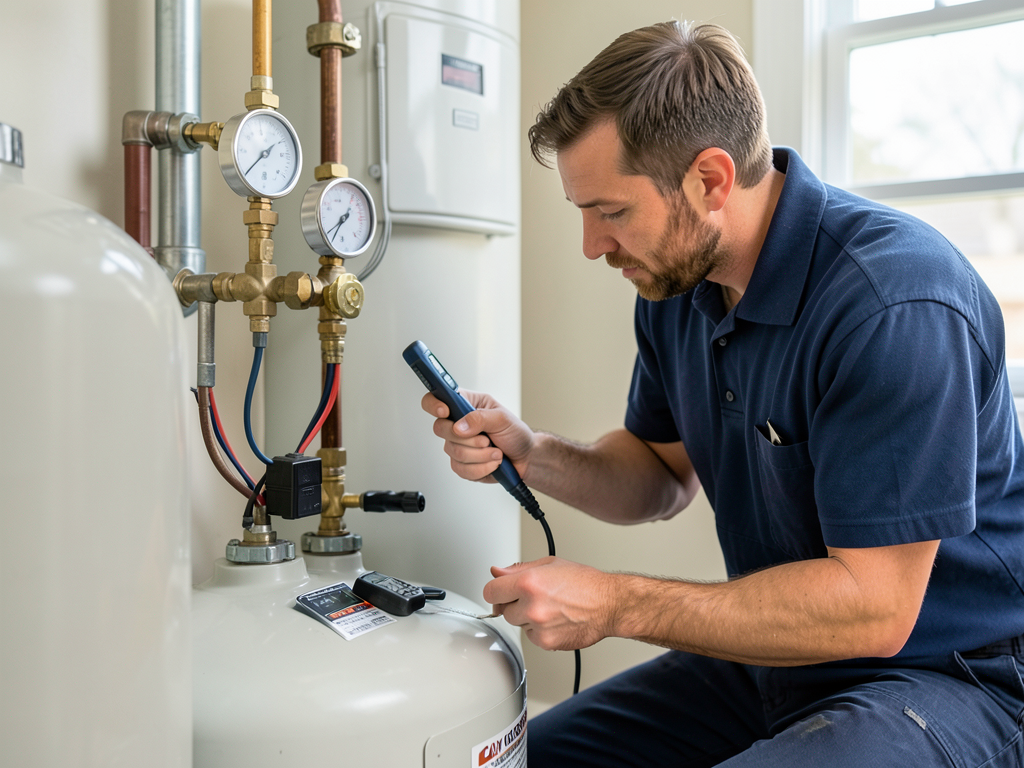
Well pump and pressure tank maintenance is critical. Submersible pumps typically last 10-15 years but can fail suddenly, leaving you without water. Pressure tanks lose their air charge over time, causing the pump to cycle on and off rapidly. This short cycling burns out motors quickly and increases electricity costs. Quick Slab Leak Detection and Repair for Homeowners in Southside.
Backflow prevention is essential for well owners. Florida building code requires backflow preventers on all well connections to protect the aquifer from contamination. These devices need annual testing to ensure they’re functioning properly.
Side-by-Side Comparison of Water Sources
| Factor | City Water | Well Water |
|---|---|---|
| Initial Cost | $2,000-5,000 hookup fee | $5,000-15,000 well installation |
| Monthly Cost | $30-80 utility bill | $15-30 electricity for pump |
| Common Repairs | Leaking valves, pressure issues | Pump failure, pressure tank |
| Appliance Lifespan | 10-12 years typical | 6-10 years with hard water |
| Maintenance Frequency | Every 2-3 years | Annual well inspection |
| Water Quality Issues | Chlorine taste, sediment | Hardness, iron, sulfur |
How Water Source Affects Your Appliances
The type of water entering your home dramatically impacts how long your plumbing fixtures and appliances last. This affects everything from your morning shower to your monthly utility bills.. Read more about Everything You Need to Know About Switching from a Septic Tank to City Sewer in Yulee.
Water heaters suffer the most from water quality issues. City water’s chlorine breaks down the anode rod faster, while well water’s minerals create scale buildup. A tankless water heater in a well-water home might need descaling every 6-12 months, while the same unit on city water might go 2-3 years between maintenance.
Dishwashers and washing machines experience different problems based on water source. City water’s chlorine can dry out rubber seals and hoses, causing leaks. Well water’s hardness leaves spots on dishes and makes clothes feel stiff. You might need to use more detergent with well water to get satisfactory cleaning results. The Best Drain Cleaning Companies for Clogged Pipes in San Marco.
Toilets and faucets show distinct failure patterns. City water systems often develop leaks around rubber components within 5-7 years. Well water systems might have sticking handles or valves due to mineral buildup. The mineral deposits can also reduce water pressure by narrowing pipe openings over time.
Expert Recommendations for Clay County Homeowners
Whether you have city water or well water, certain maintenance practices can prevent costly plumbing emergencies and extend the life of your fixtures.
For city water customers, install a whole-house sediment filter to catch rust and debris before it reaches your appliances. Replace water heater anode rods every 3-5 years to prevent tank corrosion. Consider a water softener if hardness exceeds 10 grains per gallon, which is common in JEA’s service area.
Well water owners should test their water annually for bacteria, nitrates, and mineral content. Install a pressure tank with the correct pre-charge pressure for your pump. Use a water softener or iron filter system based on your specific water quality issues. Never skip the annual backflow preventer test required by Florida building code.
Both water sources benefit from regular plumbing inspections. Look for signs of corrosion, check for proper water pressure, and listen for unusual sounds from pumps or water heaters. Early detection of problems prevents emergency service calls and water damage.
Water Quality Testing and Treatment Options
Understanding your water quality is the first step to solving plumbing problems. Professional water testing reveals exactly what minerals, bacteria, or chemicals are in your water supply.
City water testing focuses on chlorine levels, pH balance, and total dissolved solids. JEA publishes annual water quality reports, but these don’t show what happens to water after it travels through your home’s pipes. Testing your actual tap water might reveal higher chlorine levels or unexpected contaminants.
Well water testing is more comprehensive since you’re responsible for water safety. Test for coliform bacteria, E. coli, nitrates, pH, hardness, iron, sulfur, and total dissolved solids. Florida’s Department of Health recommends testing private wells annually, especially after heavy rains or flooding. EPA Private Wells Information.
Treatment options vary by water source. City water customers often use point-of-use filters for drinking water or whole-house carbon filters to remove chlorine. Well water owners might need multi-stage filtration systems combining water softeners, iron filters, and UV disinfection for complete water treatment.
Making the Right Choice for Your Home
If you’re building a new home or considering switching water sources, several factors influence the best choice for your situation.
City water offers reliability and consistent pressure but comes with monthly bills and potential quality issues from aging infrastructure. The convenience of always having water, even during power outages, is a major advantage. However, you’re subject to JEA’s rate increases and any city-wide water restrictions.
Well water provides independence from utility companies and no monthly water bills. The water often tastes better without chlorine treatment. But you’re responsible for all maintenance, repairs, and water quality testing. Power outages mean no water unless you have a backup generator for your pump.
Consider your long-term plans when choosing. Well systems require more upfront investment but might save money over 15-20 years if you stay in the home. City water is easier for short-term residents or those who prefer not to handle maintenance themselves.
Frequently Asked Questions
Is well water safe to drink in Clay County?
Yes, when properly maintained and tested. Private wells should be tested annually for bacteria and nitrates. Many Clay County wells produce excellent quality water, but regular testing ensures safety. Install appropriate filtration if your water contains high levels of iron, sulfur, or other minerals.
How often should I replace my well pump?
Most submersible well pumps last 10-15 years with proper maintenance. Signs of failing pumps include reduced water pressure, air spitting from faucets, or the pump running constantly. Regular pressure tank maintenance can extend pump life by preventing short cycling.
Does city water damage plumbing fixtures?
City water’s chlorine and sediment can degrade rubber components and create scale buildup. However, properly maintained fixtures typically last 10-15 years. Using water softeners or whole-house filters can extend fixture life and improve water taste.
What’s the average cost difference between well and city water?
City water costs $30-80 monthly plus hookup fees of $2,000-5,000. Well water has higher upfront costs ($5,000-15,000) but only $15-30 monthly electricity costs. Over 15 years, well water often costs less if you stay in the home long-term.
How do I know if I have hard water?
Signs include white crusty deposits on faucets, spots on dishes, soap that doesn’t lather well, and stiff feeling clothes after washing. You can test hardness with a home test kit or have professional testing done. Water over 7 grains per gallon is considered hard.
Take Control of Your Home’s Water Quality
Understanding your water source is the first step to preventing plumbing problems and protecting your home’s value. Whether you’re dealing with city water’s chlorine issues or well water’s mineral content, professional plumbing services can help you find the right solutions.
Don’t wait for a plumbing emergency to discover your water quality problems. Call (904) 839-7199 today to schedule a comprehensive water quality assessment and plumbing inspection. Our experienced technicians serve all of Clay County and Fruit Cove, providing expert advice on water treatment systems, pump maintenance, and plumbing repairs.
Pick up the phone and call (904) 839-7199 before the next plumbing problem leaves you without water. We’ll help you understand your options and choose the best solutions for your home’s specific water quality challenges.
{
“@context”: “https://schema.org”,
“@type”: “BlogPosting”,
“headline”: “The Major Differences Between Well Water and City Water in Clay County and Fruit Cove”,
“description”: “Discover how well water and city water differ in Clay County and Fruit Cove. Learn about plumbing challenges, maintenance needs, and water quality issues specific to Jacksonville’s water sources.”,
“wordCount”: 1725,
“datePublished”: “2026-03-09T16:02:00.000Z”,
“dateModified”: “2026-03-09T16:02:00.000Z”,
“inLanguage”: “en-US”,
“mainEntityOfPage”: {
“@type”: “WebPage”,
“@id”: “https://titanplumbingjacksonville.com”
},
“publisher”: {
“@type”: “LocalBusiness”,
“name”: “Titan Plumbing Jacksonville”,
“url”: “https://titanplumbingjacksonville.com”
},
“author”: {
“@type”: “Organization”,
“name”: “Titan Plumbing Jacksonville”,
“url”: “https://titanplumbingjacksonville.com”
},
“image”: {
“@type”: “ImageObject”,
“url”: “https://titanplumbingjacksonville.com/wp-content/uploads/2026/03/the-major-differences-between-well-water-and-city-1.png”
}
}
{
“@context”: “https://schema.org”,
“@type”: “Plumber”,
“name”: “Titan Plumbing Jacksonville”,
“url”: “https://titanplumbingjacksonville.com”,
“address”: {
“@type”: “PostalAddress”,
“addressLocality”: “Jacksonville”
},
“areaServed”: {
“@type”: “City”,
“name”: “Jacksonville”
}
}
{
“@context”: “https://schema.org”,
“@type”: “FAQPage”,
“mainEntity”: [
{
“@type”: “Question”,
“name”: “Is well water safe to drink in Clay County?”,
“acceptedAnswer”: {
“@type”: “Answer”,
“text”: “Yes, when properly maintained and tested. Private wells should be tested annually for bacteria and nitrates. Many Clay County wells produce excellent quality water, but regular testing ensures safety. Install appropriate filtration if your water contains high levels of iron, sulfur, or other minerals.”
}
},
{
“@type”: “Question”,
“name”: “How often should I replace my well pump?”,
“acceptedAnswer”: {
“@type”: “Answer”,
“text”: “Most submersible well pumps last 10-15 years with proper maintenance. Signs of failing pumps include reduced water pressure, air spitting from faucets, or the pump running constantly. Regular pressure tank maintenance can extend pump life by preventing short cycling.”
}
},
{
“@type”: “Question”,
“name”: “Does city water damage plumbing fixtures?”,
“acceptedAnswer”: {
“@type”: “Answer”,
“text”: “City water’s chlorine and sediment can degrade rubber components and create scale buildup. However, properly maintained fixtures typically last 10-15 years. Using water softeners or whole-house filters can extend fixture life and improve water taste.”
}
},
{
“@type”: “Question”,
“name”: “What’s the average cost difference between well and city water?”,
“acceptedAnswer”: {
“@type”: “Answer”,
“text”: “City water costs $30-80 monthly plus hookup fees of $2,000-5,000. Well water has higher upfront costs ($5,000-15,000) but only $15-30 monthly electricity costs. Over 15 years, well water often costs less if you stay in the home long-term.”
}
}
]
}
{
“@context”: “https://schema.org”,
“@type”: “BreadcrumbList”,
“itemListElement”: [
{
“@type”: “ListItem”,
“position”: 1,
“name”: “Home”,
“item”: “https://titanplumbingjacksonville.com”
},
{
“@type”: “ListItem”,
“position”: 2,
“name”: “Blog”,
“item”: “https://titanplumbingjacksonville.com/blog”
},
{
“@type”: “ListItem”,
“position”: 3,
“name”: “The Major Differences Between Well Water and City Water in Clay County and Fruit Cove”
}
]
}
{
“@context”: “https://schema.org”,
“@type”: “Service”,
“serviceType”: “Plumbing”,
“provider”: {
“@type”: “LocalBusiness”,
“name”: “Titan Plumbing Jacksonville”,
“url”: “https://titanplumbingjacksonville.com”
},
“areaServed”: {
“@type”: “City”,
“name”: “Jacksonville”
},
“description”: “Discover how well water and city water differ in Clay County and Fruit Cove. Learn about plumbing challenges, maintenance needs, and water quality issues specific to Jacksonville’s water sources.”
}